Imagine holding a piece of Earth's history in the palm of your hand—a relic that is both a biological wonder and a geological masterpiece. An agatized shell represents a fascinating transformation where ancient marine life is immortalized in stone. For collectors, rockhounds, and spiritual seekers alike, these fossils are not just rocks; they are time capsules containing millions of years of oceanic energy.
Whether you are drawn to them for their unique crystalline beauty or their deep grounding properties, understanding the agatized shell meaning adds layers of appreciation to your collection. In this guide, we will explore exactly what these fossils are, how they form, their value in the market, and the metaphysical benefits they offer to modern enthusiasts.
What Are Agatized Fossils?
An agatized fossil occurs when the original organic material of a shell—typically calcium carbonate—is gradually replaced by silica (microcrystalline quartz) over millions of years. This process is a specific type of permineralization or replacement. The result is a stone that retains the external shape and sometimes the internal structure of the original shell, but is now composed of durable, often translucent, agate.
Unlike standard fossils which might look like dull stone, an agatized shell often glitters with tiny druzy crystals or glows with the waxy luster typical of agate. This unique combination of biological form and mineral beauty makes them highly sought after in the world of agatized shell jewelry and specimen collecting.

How Does Something Become Agatized?
The formation of an agatized shell fossil is a slow, miraculous process requiring specific geological conditions. It begins when a shell is buried in sediment. Over time, groundwater rich in silica flows through the sediment. As the original shell material dissolves away, the silica precipitates out of the water, filling the cavity left behind.
This "agate replaced shell" process preserves the intricate details of spirals and ridges. Depending on the impurities present in the water (like iron or manganese), the resulting agate can display stunning colors ranging from milky whites and grays to vibrant oranges, reds, and ambers.
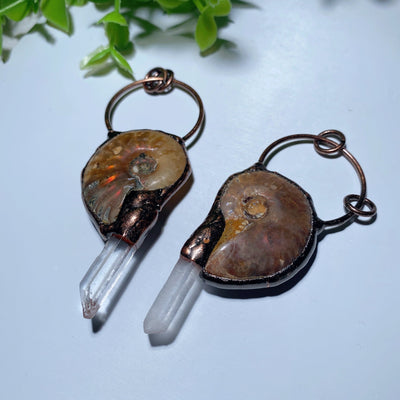
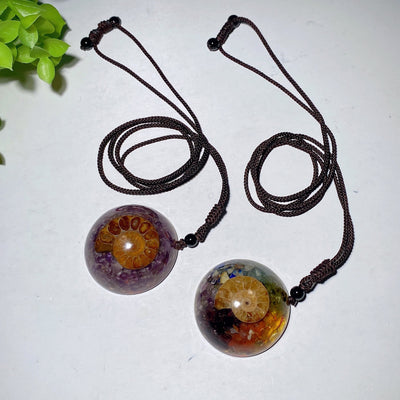
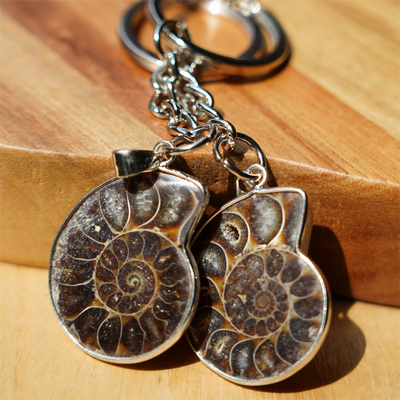
Metaphysical Meaning and Properties
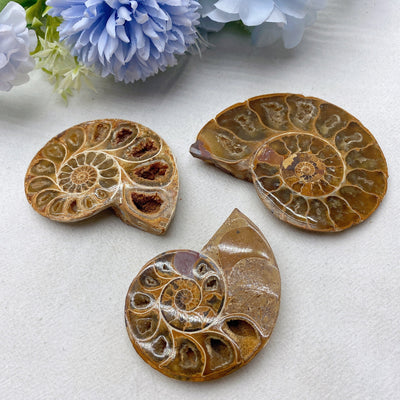
In the realm of crystal healing, the agatized shell meaning is deeply connected to evolution, grounding, and the flow of time. Because these stones bridge the gap between the animal kingdom and the mineral kingdom, they are believed to help one adapt to change and transform challenges into gems of wisdom.
Many practitioners use agatized fossils to connect with ancient Earth energy. The spiral shape common in many shells symbolizes the cycle of life and spiritual growth. Holding these stones can promote a sense of stability and protection, grounding the wearer's energy much like the shell once protected the creature inside.

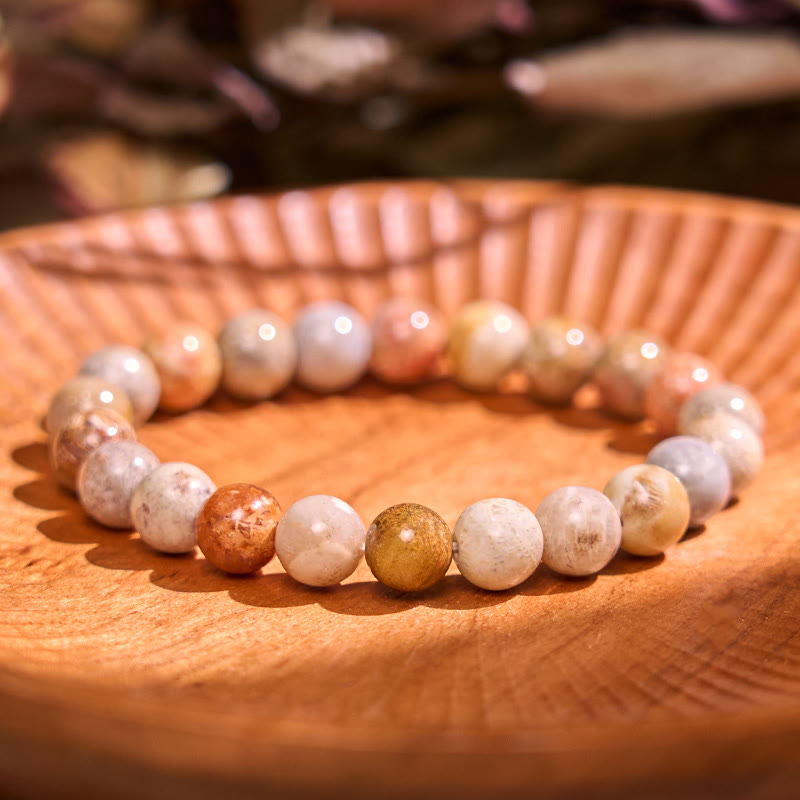
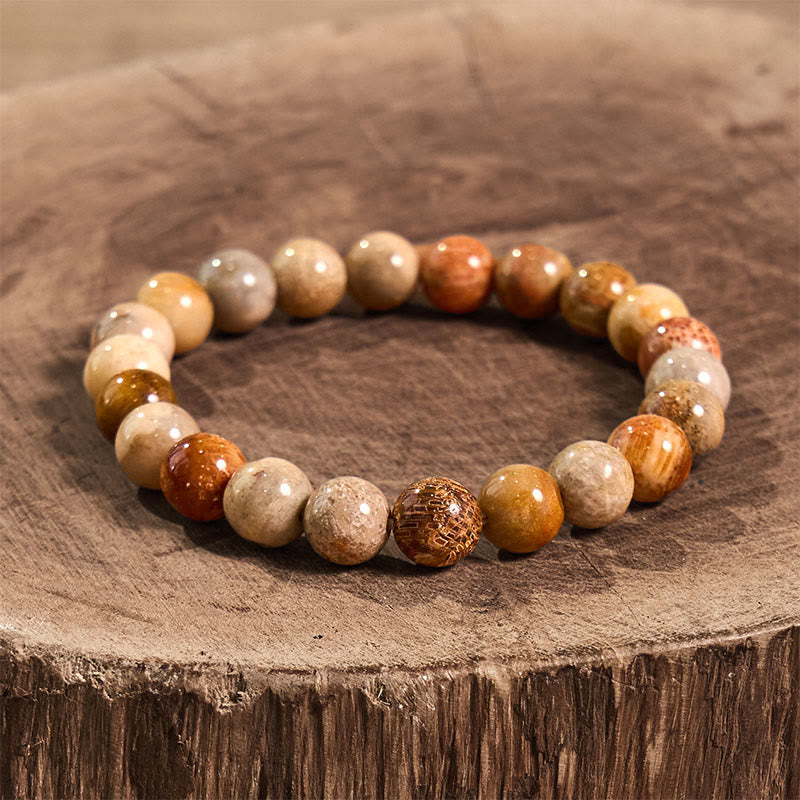
8–9 mm großes Mitgefühlsarmband aus fossiler Koralle für Selbstwertgefühl und Stärke
$24.90 $35.90
Wear ancient fossil coral for grounding energy—this bracelet amplifies self-worth and honors Earth's history.
Explore ProductIdentifying and Valuing Agatized Shells
For collectors, determining the agatized shell value involves examining several factors: clarity, color, size, and the quality of the replacement. A specimen where the agate is translucent and the shell definition is sharp will generally command a higher agatized shell price than a dull or incomplete piece.

Visual Characteristics
- Translucency: Hold the fossil up to a light source. High-quality pieces will allow light to pass through the edges.
- Druzy Pockets: Some hollow shells become lined with sparkling quartz crystals (druzy) inside, significantly increasing their aesthetic appeal and value.
- Color Patterns: Distinct banding or vibrant hues typical of agate indicate a successful replacement process.
While commonly found in regions like Florida (specifically Tampa Bay coral and shells), distinct varieties appear globally. For detailed scientific data on fossilization, resources like the USGS provide extensive geological maps and information.
Hunting for Fossils
Finding these treasures in the wild is a thrill for any rockhound. The video below showcases the excitement of discovering fully loaded fossil layers, giving you a glimpse into what to look for in the field.
Uses in Jewelry and Collections
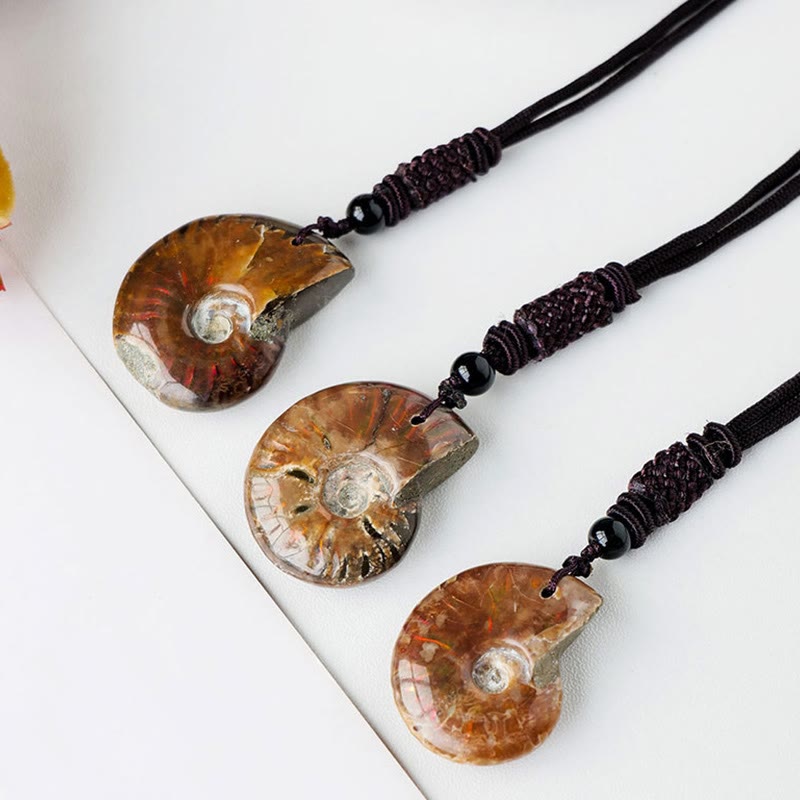
Beyond their scientific interest, the durability of agate makes these fossils excellent for lapidary work. Agatized shell jewelry is a popular way to wear these ancient artifacts. Artisans often cut and polish them into cabochons or leave them raw to highlight the natural spiral forms.

Wearing an agatized fossil pendant or bracelet serves as a constant reminder of nature's resilience. It blends the aesthetic of organic patterns with the hardness of stone, making for jewelry that is both beautiful and conversation-starting.
Ancient Energy for Modern Life

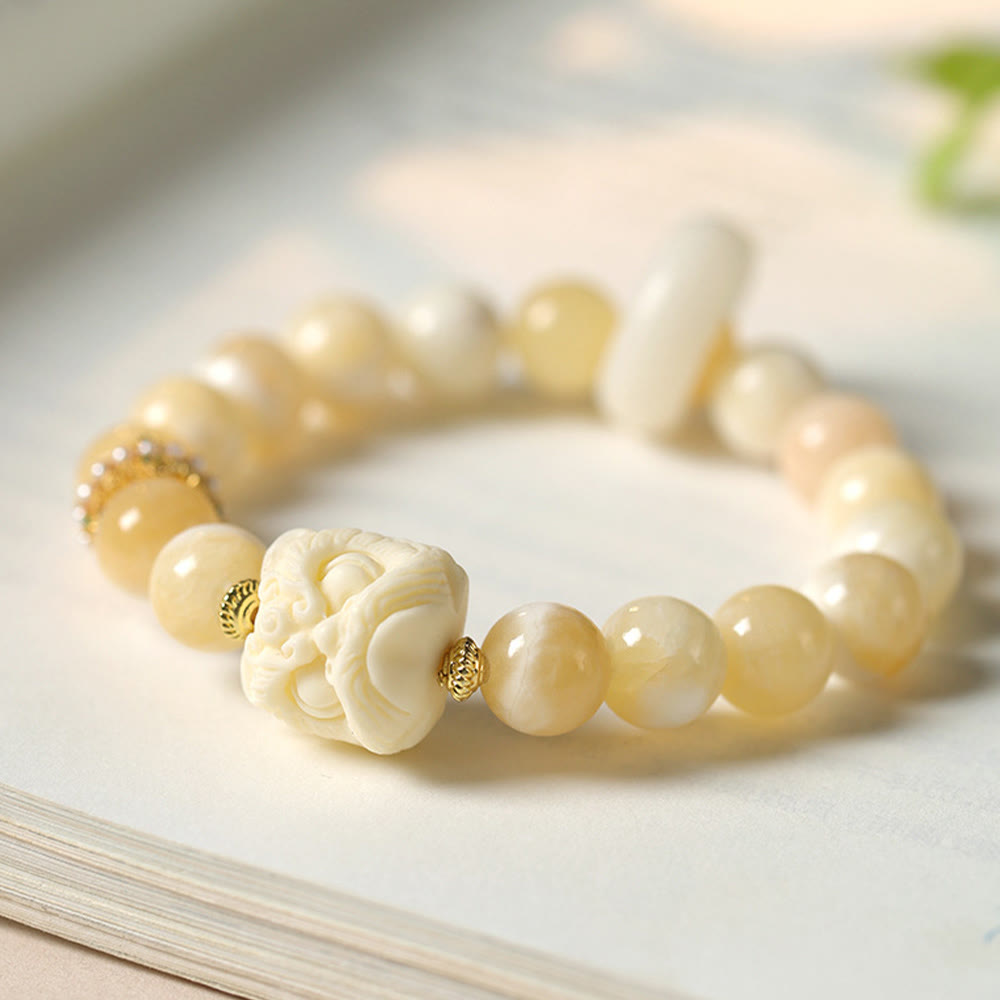
Balance your energy while connecting to fossilized amber and agate stones—ideal for personal practice and daily wear. Learn more ➔

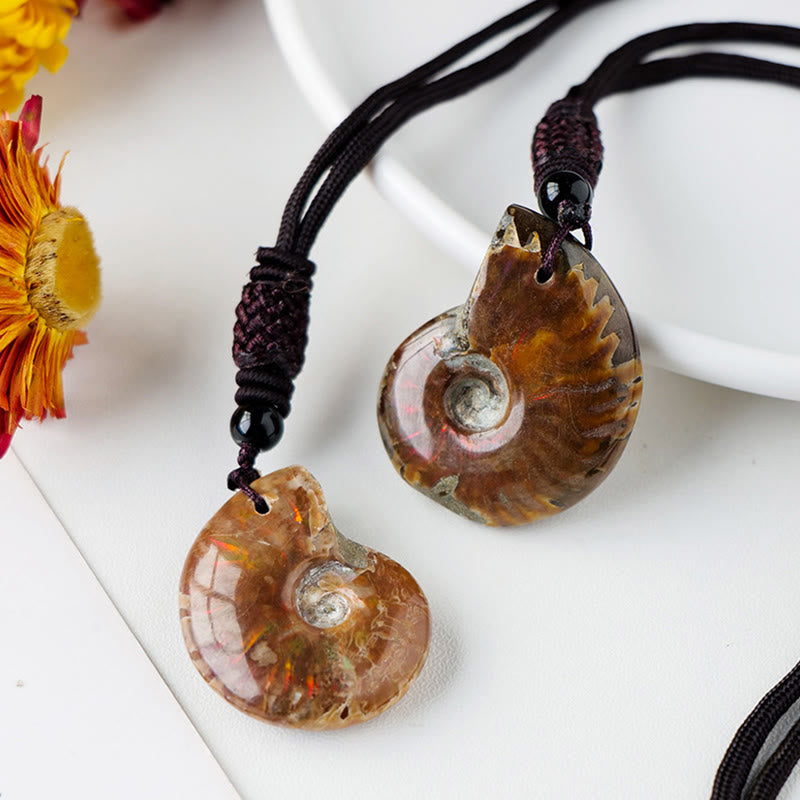
Carry timeless fossil wisdom with this ammonite pendant, designed to support energy balancing and meditation. Learn more ➔
Conclusion
From the depths of ancient oceans to the jewelry box of a modern collector, the agatized shell travels a remarkable path. Whether you are interested in the agatized shell value for investment or the grounding agatized shell meaning for your spiritual practice, these stones offer a tangible connection to the history of our planet. They remind us that beauty often requires time, pressure, and transformation to reveal its true form.
Frequently Asked Questions about Agatized Fossils
Agatized fossils are formed when the original organic material of a plant or animal (like a shell or coral) is replaced by silica (agate/quartz) over millions of years. This process preserves the structure of the organism while turning it into a beautiful, often translucent stone.
Something becomes agatized through permineralization. Groundwater rich in silica seeps into buried organic material. As the organic matter decays or dissolves, the silica precipitates from the water, filling the voids and gradually replacing the original structure with hard microcrystalline quartz.
High-quality agatized coral is considered relatively rare, especially specimens that display distinct polyps, vibrant colors, or translucency. While fossil coral is found in various locations, the specific geological conditions required for full agatization are not common everywhere.
Metaphysically, agatized coral is used for grounding, healing emotional trauma, and enhancing self-esteem. Collectors value it for lapidary work, creating stunning cabochons for jewelry, or as unique display specimens due to its intricate patterns.
Yes, agates can be worth money, ranging from a few dollars to thousands. The value depends on rarity, pattern (like landscape or fortification agates), color vividness, lack of fractures, and whether it is a specific type like an agatized fossil or Fairburn agate.