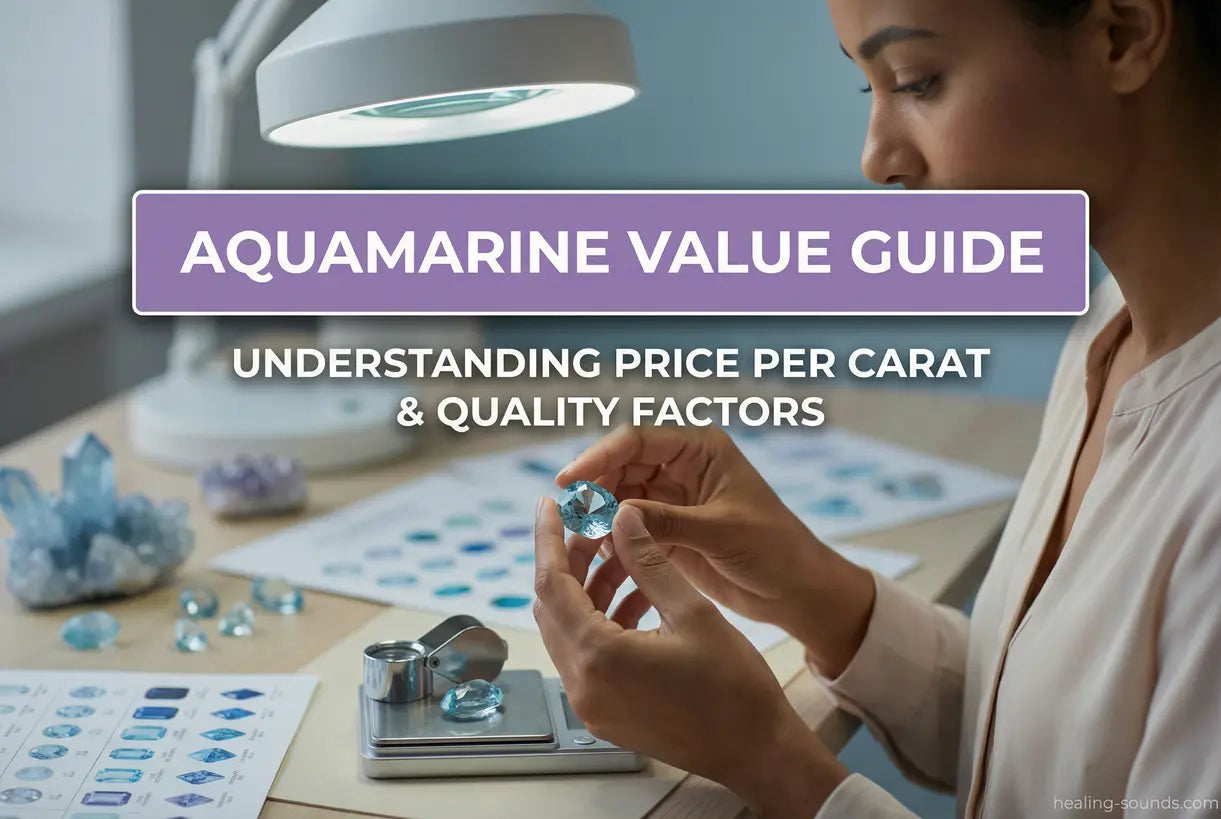
Aquamarine, the serene stone of the sea, has long been cherished not only for its calming metaphysical properties but also for its stunning visual clarity. For wellness enthusiasts and gemstone collectors alike, understanding the aquamarine stone price is essential before making a purchase. Whether you are seeking a raw crystal for meditation or a faceted gem for jewelry, the value can vary significantly based on specific characteristics.
Navigating the market for this March birthstone can be complex. You might wonder why one stone costs twenty dollars while another of the same size costs two thousand. In this guide, we will explore the factors that influence the aquamarine stone value, including color intensity, clarity, cut, and carat weight, helping you make an empowered decision that aligns with both your budget and your spiritual needs.
What Determines Aquamarine Stone Price?
Like diamonds and other precious gemstones, the price of aquamarine is primarily determined by the "4 Cs": Color, Clarity, Cut, and Carat weight. However, unlike diamonds, color is by far the most significant factor in determining the real aquamarine stone price. A deeply saturated blue stone will always command a higher premium than a pale or nearly colorless one.
Understanding these variables helps you determine if a piece of jewelry or a loose stone is fairly priced. While market rates fluctuate, knowing what to look for ensures you invest in a piece that holds its value and beauty.

The Impact of Color on Value
The most influential factor in aquamarine stone value is its color. The most desirable aquamarines exhibit a moderately strong, dark blue to slightly greenish-blue hue. In the trade, the highly prized, intense blue stones are often referred to as "Santa Maria" aquamarines, named after the mine in Brazil where they were originally discovered.
Lighter, pale blue stones are much more common and, therefore, more affordable. These lighter stones are excellent options for those looking to access the healing energy of the crystal without a high price tag. Conversely, stones that appear washed out or practically clear have a lower market value compared to those with distinct blue saturation.
Aquamarine Price Per Carat Breakdown
The aquamarine price per carat is not linear; it increases exponentially as the stone gets larger. Large aquamarine crystals are actually more common than large rubies or emeralds, but gem-quality stones over 5 carats with deep color are rare.
- Under 1 Carat: Generally affordable, ranging from $10 to $100 per carat depending on color.
- 1 to 3 Carats: Prices can range from $100 to $400+ per carat for good color and clarity.
- Over 5 Carats: Stones with excellent saturation can command prices upwards of $600 to $1,000 per carat.
It is important to note that a 50-carat stone with poor color may be worth less per carat than a vivid 2-carat gem. Quality always trumps size when assessing the true worth of the mineral.

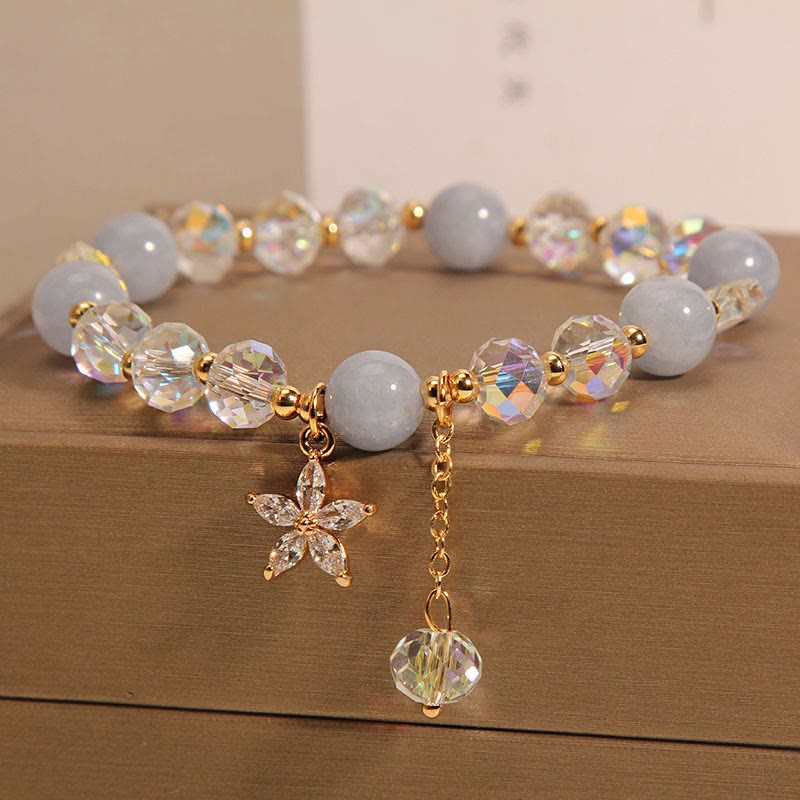
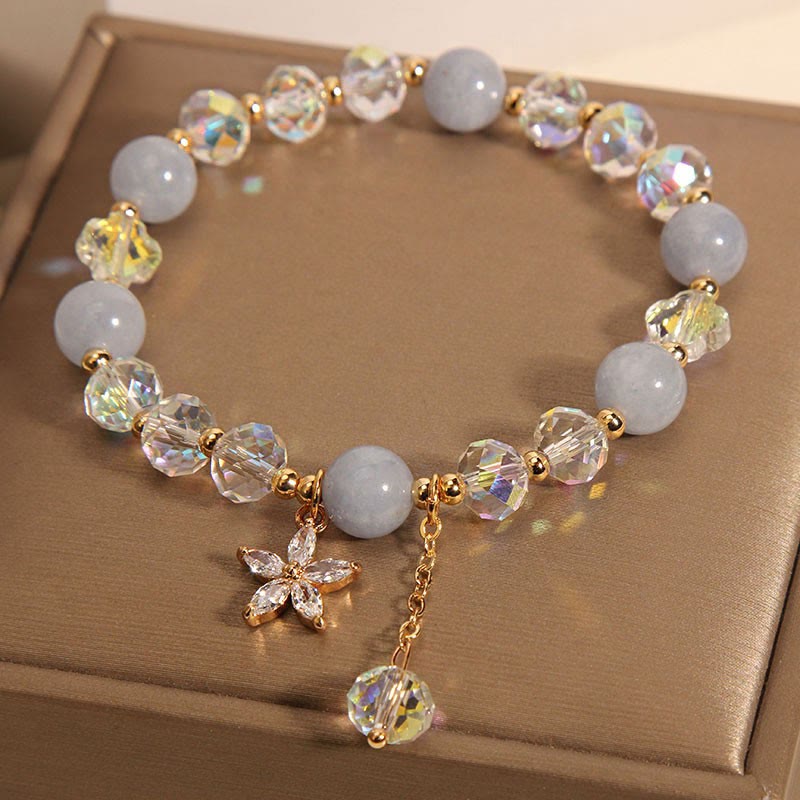
Aquamarin Armband Natur 14-16cm Handgelenk Peace Schmuck
$24.90 $35.90
Experience authentic aquamarine at an accessible price with this natural gemstone bracelet, perfect for daily serenity.
Explore ProductClarity and Cut Standards
Aquamarine is a Type I gemstone, meaning it is expected to be "eye-clean." This means that when you look at the stone without magnification, you should not see any visible inclusions or flaws. The presence of internal cracks or spots significantly lowers the aquamarine stone price.
However, for those interested in the metaphysical aspect, inclusions can sometimes be seen as "gardens" within the stone, adding character. But from a strict gemological valuation standpoint, transparency and lack of inclusions increase the price. A skilled cut is also vital; a poor cut can make a stone look dull, while a master cut enhances the stone's natural brilliance and deepens the perceived color.

Raw Aquamarine vs. Polished Gems
There is a distinct market difference between faceted gems and raw specimens. The raw aquamarine stone price is typically calculated by the gram rather than the carat and is generally much lower than cut stones. Raw stones are popular for holistic practices and rustic jewelry.
While a faceted, deep blue gem might cost hundreds of dollars per carat, a beautiful raw chunk of semi-translucent aquamarine might cost a fraction of that price. This makes raw aquamarine an accessible entry point for collectors focusing on the stone's vibration rather than its jewelry-grade perfection.
Treatments and Authenticity
Most aquamarine on the market is heat-treated to remove green overtones and enhance the blue color. This is a stable and accepted industry practice that does not significantly devalue the stone compared to a natural unheated stone of the same color—though a certified unheated blue stone is rare and fetches a premium.
Watch this video to learn more about identifying quality and ensuring you are getting the best value for your purchase.
Buying Guide: Getting the Best Value
When shopping for aquamarine, consider your intent. If you are looking for an investment piece, prioritize color saturation and an excellent cut. For daily wear or spiritual support, you might prioritize the stone's origin and feel. Be wary of "aquamarine" that looks suspiciously like blue glass or synthetic spinel; these are often sold at prices that seem too good to be true.
Always buy from reputable sources that disclose whether the stone is natural or synthetic. For high-value purchases, requesting a lab report from an organization like the GIA (Gemological Institute of America) is a wise step to verify the stone's identity.
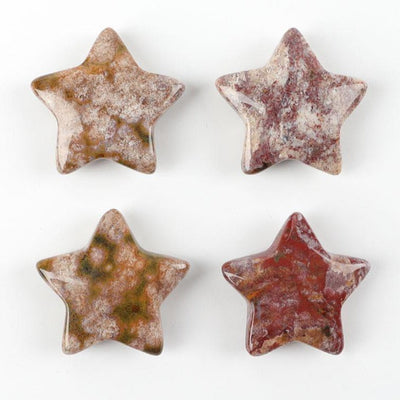
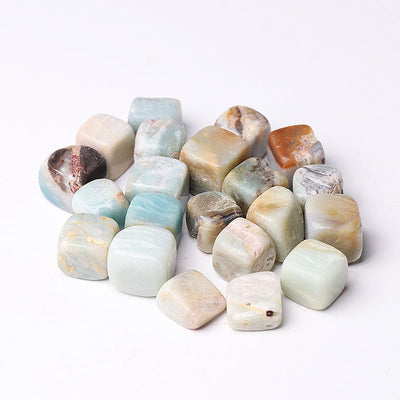
Wearable Aquamarine for Every Budget

Wear this soothing aquamarine bracelet to connect with the stone’s value and calming energy in your everyday styling. Learn more ➔

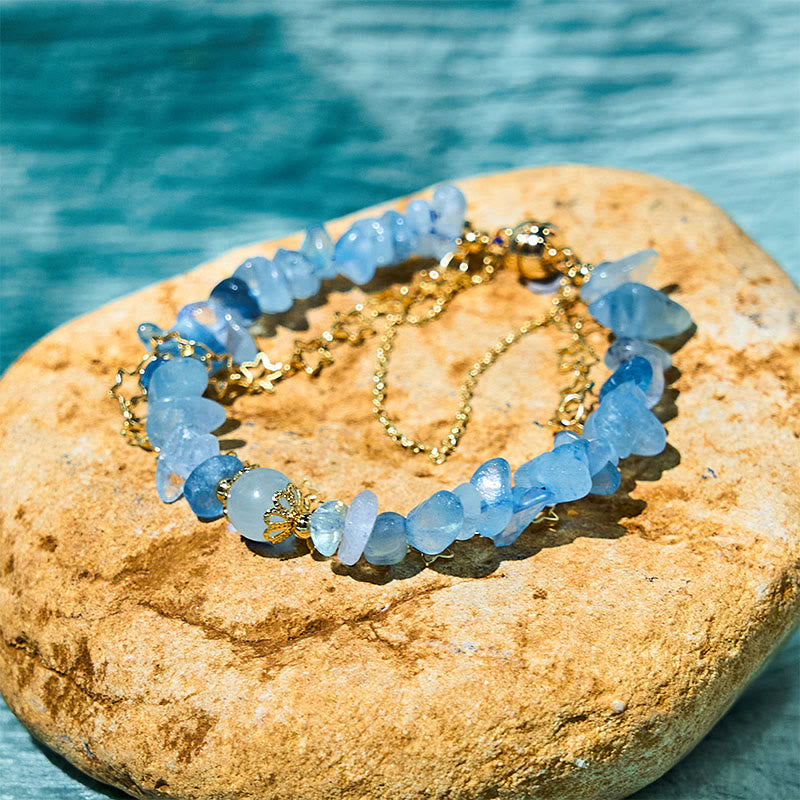
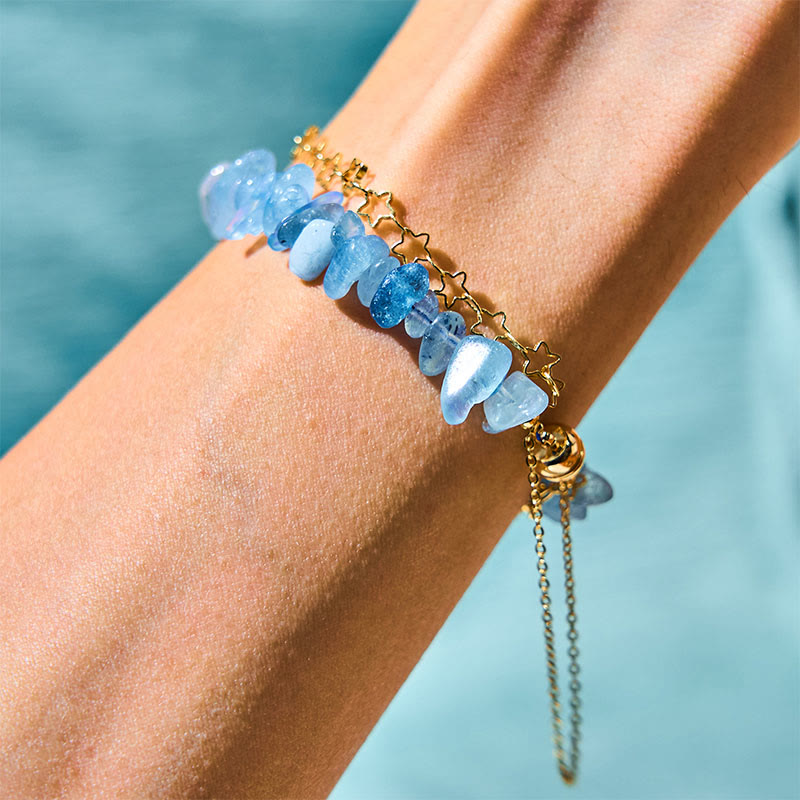
Aquamarin-Heilkies-Armband
$24.90
$35.90
Showcase real aquamarine in this gravel-style bracelet—an affordable way to add genuine crystal value to your collection. Learn more ➔
Origin and Valuation
The geographical origin can also play a role in the aquamarine stone price. Brazil is the most famous source, particularly for fine jewelry quality. However, beautiful specimens also come from Pakistan, Nigeria, and Madagascar. Stones from Pakistan often form beautiful hexagonal crystals that are highly valued by mineral collectors in their raw form.
Understanding the source can give you insight into the ethics of the supply chain, a factor that adds intangible value for the conscious consumer.

Conclusion
Determining the fair aquamarine stone price involves balancing objective factors like carat, cut, and color with your personal connection to the gem. Whether you are investing in a high-grade "Santa Maria" stone or choosing a simple, raw crystal bracelet for its calming vibrations, the true value lies in the joy and peace the stone brings to your life. Always research, ask questions about treatments and origins, and choose pieces that resonate with your spirit and style.
Frequently Asked Questions about Aquamarine Value
The value of aquamarine varies drastically. Pale, commercial-quality stones can cost as little as $5 to $30 per carat, while fine quality, deep blue gems can range from $300 to over $1,000 per carat.
The most valuable color is a moderately strong, dark blue to slightly greenish-blue. These are often referred to as "Santa Maria" color. The more intense the blue saturation, the higher the price.
A 2-carat aquamarine can range significantly in price. A very pale stone might cost around $50-$100 total, while a top-quality deep blue 2-carat gem could be worth $800 to $1,500 depending on the cut and clarity.
Large aquamarines are rare but not unheard of. A 50-carat stone is a collector's item. If the color is pale, it might be $1,000–$2,000. However, a museum-quality 50-carat gem with deep blue color would be worth tens of thousands of dollars.
The primary factors are Color (intensity of blue), Clarity (eye-clean transparency), Cut (quality of faceting), and Carat weight. Origin and lack of heat treatment can also add premium value.