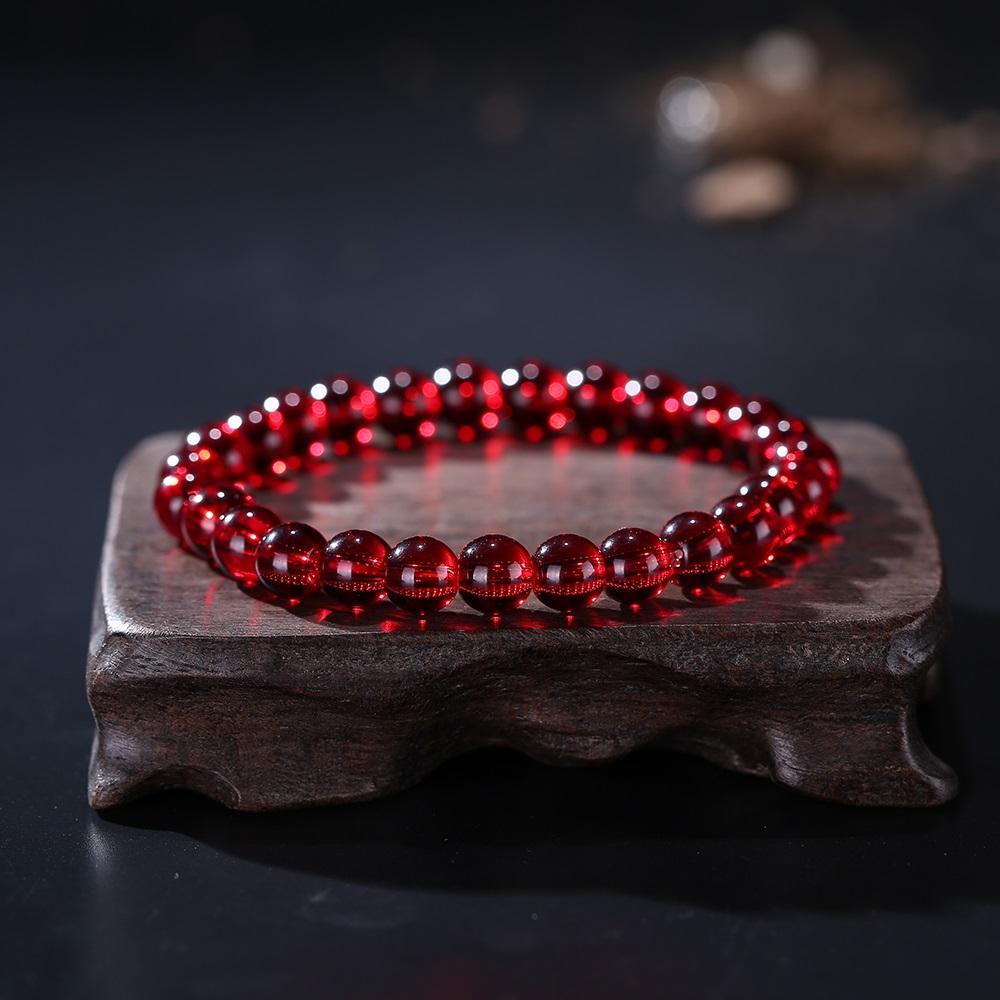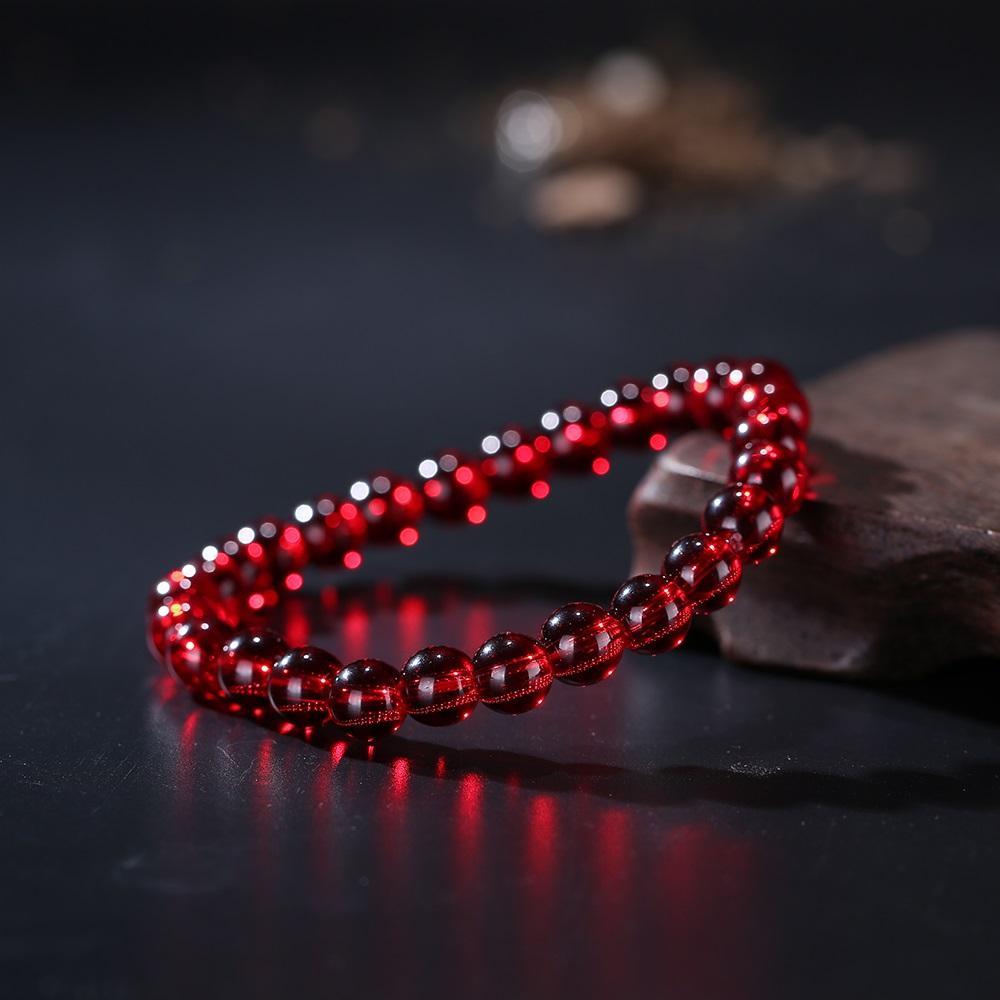
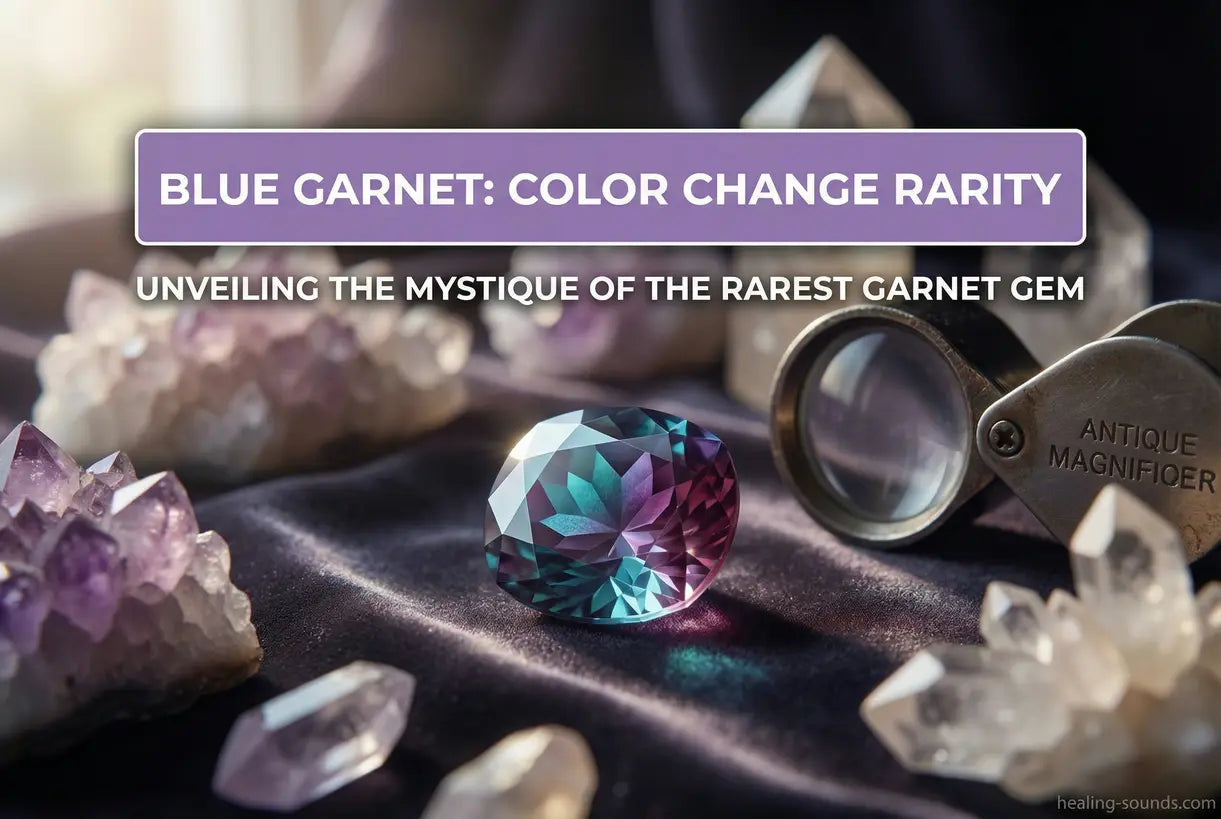
For centuries, gemologists and collectors held a common belief: garnet comes in every color of the rainbow except one. Red, green, orange, pink, and purple varieties were well-documented, but the blue garnet remained a mythical impossibility. This changed dramatically in the late 1990s with a discovery in Bekily, Madagascar, that shook the gemological world. Today, this gemstone is celebrated not just for its hue, but for its mesmerizing optical properties.
Known as the "king of color change," this rare variety shifts appearance depending on the light source, often transitioning from a blue-green teal in daylight to a vivid purple or reddish-pink under incandescent light. For curious gemstone enthusiasts and serious collectors alike, understanding the blue garnet meaning involves diving into a world of rarity, transformation, and high value. In this guide, we explore the science, symbolism, and market reality of this geological marvel.
The Discovery and Science of Natural Blue Garnet
The existence of natural blue garnet was confirmed in 1998 in the Bekily region of Madagascar. Before this, the chemical composition of garnet was thought to preclude the absorption of light in the yellow-green spectrum necessary to produce a blue appearance. This specific variety is typically a mix of Pyrope and Spessartine species, containing high amounts of Vanadium—the element responsible for its unique color behavior.
Unlike treated stones, this phenomenon is entirely natural. The structure of the crystal lattice interacts with light waves to produce a greenish-blue hue under sunlight (rich in blue waves) and a purplish-red hue under candlelight or tungsten bulbs (rich in red waves).

Visualizing the Color Change Phenomenon
The allure of a blue garnet ring or pendant lies in its dual personality. In natural daylight, the stone often appears as a teal, grey-blue, or pleasant greenish-blue. However, move indoors to warmer lighting, and the stone transforms. This is not a subtle shift; in high-quality specimens, the change is distinct and immediate.
This optical property makes the stone a symbol of metamorphosis and adaptability. Collectors prize specimens that show the most drastic contrast. A "muddy" transition lowers the value, while a crisp shift from teal-blue to royal purple commands the highest blue garnet price.

Rarity and Value: The Investment Perspective
Because of their extreme scarcity, blue garnets are among the most expensive gems in the garnet family. While a standard red garnet is affordable and abundant, a high-quality rare color change garnet can fetch prices ranging from $1,500 to over $5,000 per carat, depending on the intensity of the color change and clarity. Large stones are exceptionally rare; finding a clean specimen over one carat is a significant event in the gem trade.
If you are looking for a blue garnet necklace or loose stone, be prepared for a competitive market. Sources in Madagascar have depleted significantly, and while newer deposits in places like Kenya and Tanzania produce color-change garnets, the specific "Bekily Blue" remains the gold standard for collectors.
Metaphysical Properties and Meaning
In the realm of crystal healing, the blue garnet meaning is tied to transformation, intellectual stimulation, and protection during travel. While traditional red garnet acts as a Root Chakra grounding stone, the blue variety resonates with the Throat and Third Eye Chakras. It is believed to facilitate clear communication and heighten intuition.
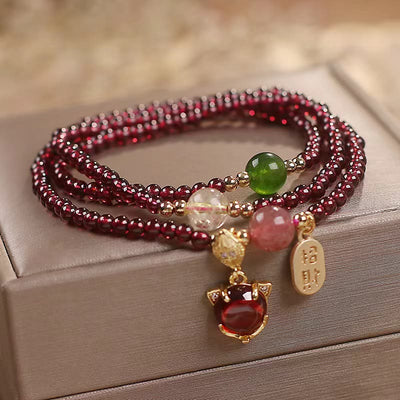
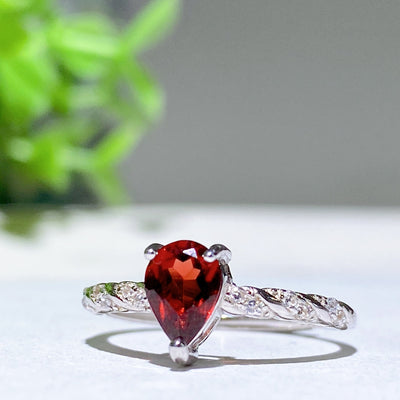
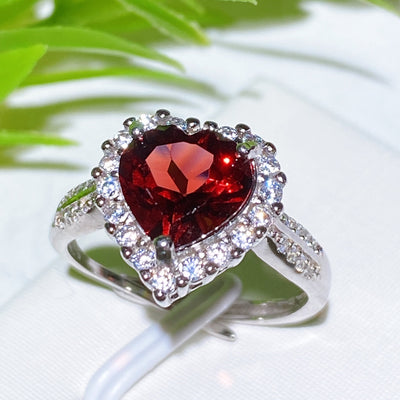
However, obtaining a genuine blue garnet is difficult for many. Fortunately, the broader garnet family offers powerful energetic benefits accessible to everyone. Traditional garnet is excellent for vitality and manifestation, grounding the wearer's energy to the earth.

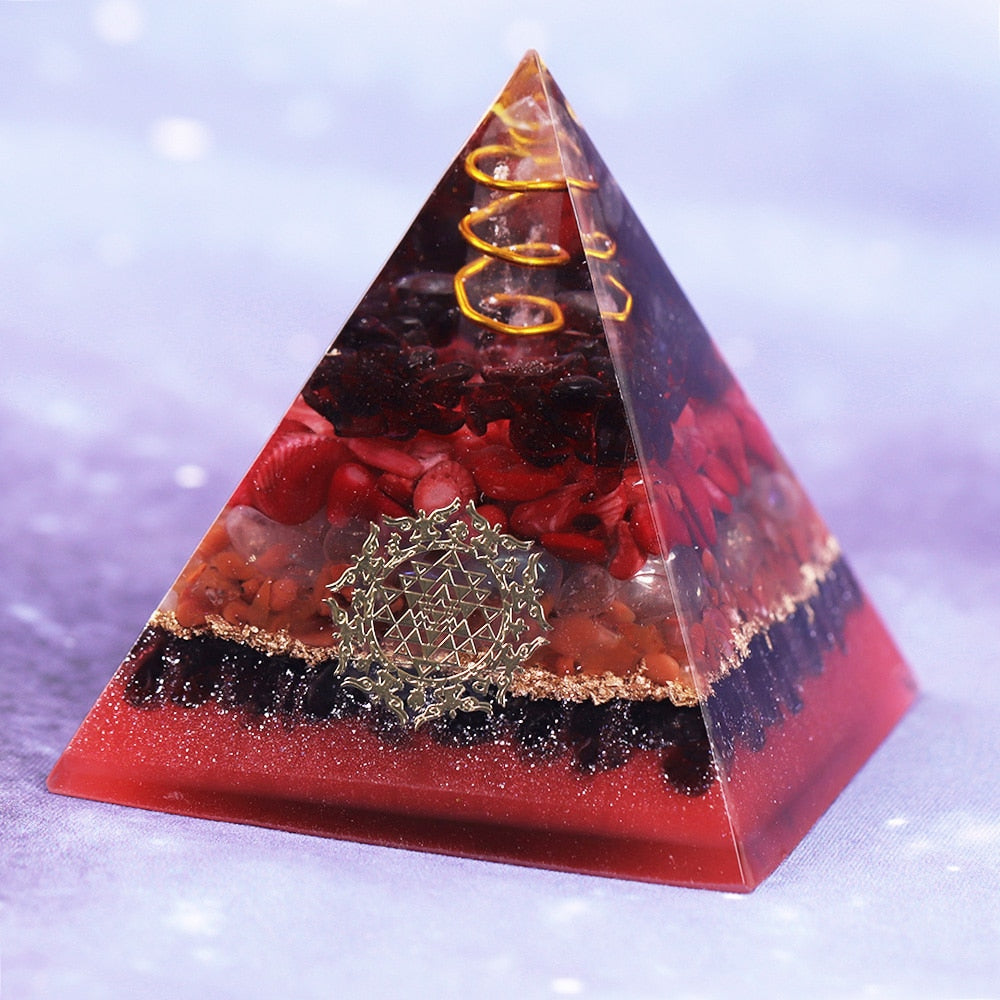
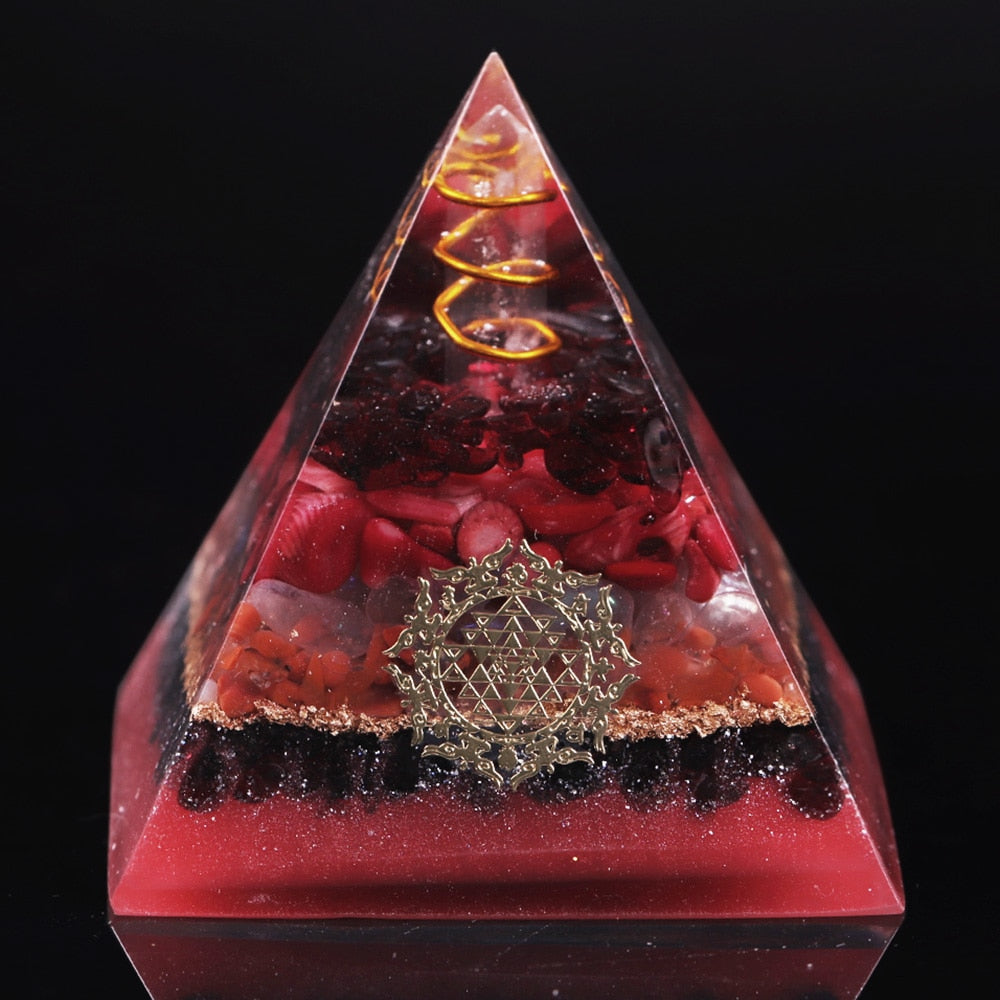
Unendliche Schöpfung Granat Orgonit Pyramide
$49.99 $59.99
Experience the energy and rarity of garnet with this pyramid, crafted for balance and the allure of unique stones.
Explore Product

How to Identify Real Blue Garnet
Due to the high blue garnet price per carat, the market sees its share of mislabeled stones. Synthetic color-change spinels or glass (sometimes called "alexandrite glass") are frequently sold as "simulated blue garnet."
Key Identification Features:
- Inclusions: Like most natural garnets, blue garnets often contain needle-like rutile inclusions. A perfectly flawless stone is suspicious.
- Refractive Index: Garnets are singly refractive, meaning they do not split light into two rays. A gemologist can confirm this using a refractometer.
- Hardness: Garnets generally rank 7.0 to 7.5 on the Mohs scale, making them durable enough for jewelry like a blue garnet ring.
For any significant purchase, always demand a certificate from a reputable laboratory like the GIA (Gemological Institute of America) to verify the stone's origin and natural status.

Jewelry for the Soul
Whether you are hunting for the elusive blue variety or enjoying the deep reds and earthy tones of common garnet, these stones are powerful allies. They remind us that nature is full of surprises and hidden depths. Integrating garnet into your daily life through jewelry can serve as a constant reminder of passion, grounding, and the potential for change.
Garnet Jewelry Recommendations
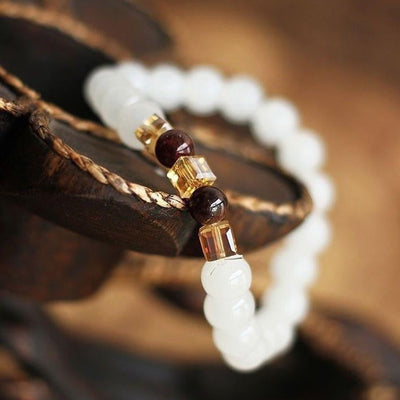
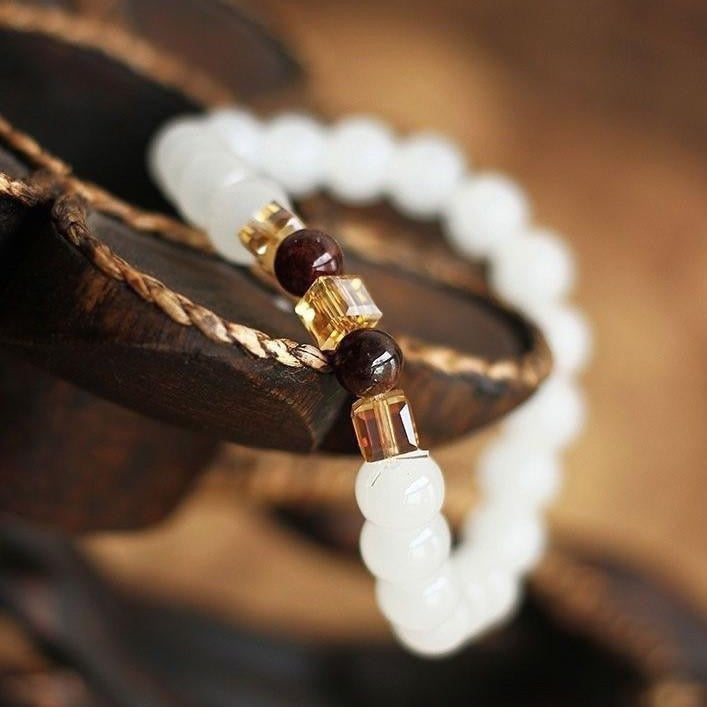
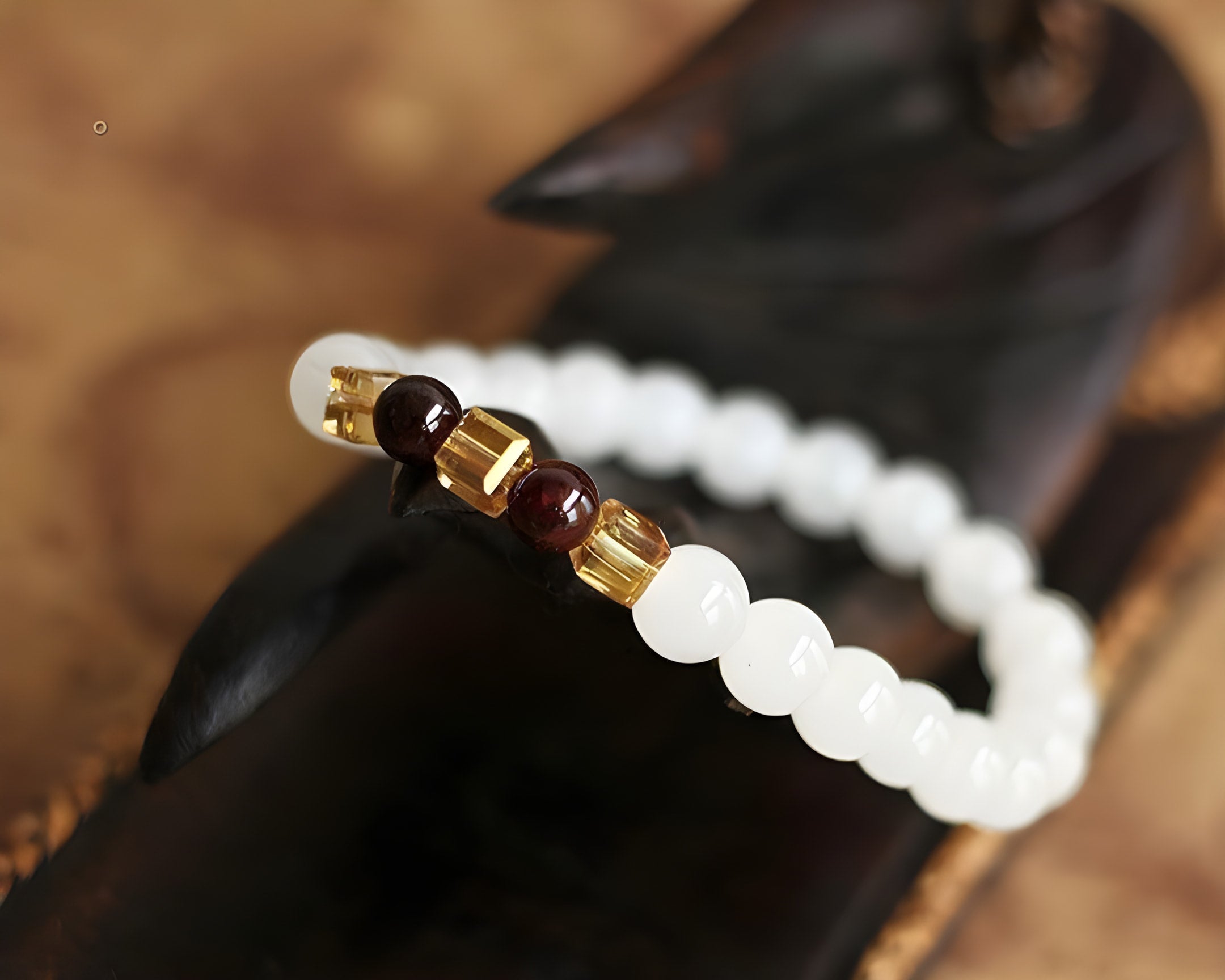
Chalcedon-Steinarmband für Ruhe und Selbstvertrauen
$19.99
$29.99
This elegant bracelet blends garnet and chalcedony for harmony—perfect for gemstone lovers drawn to rare crystal combinations. Learn more ➔

Granatarmband - Manifestieren Sie Ihre Träume
$59.99
$79.99
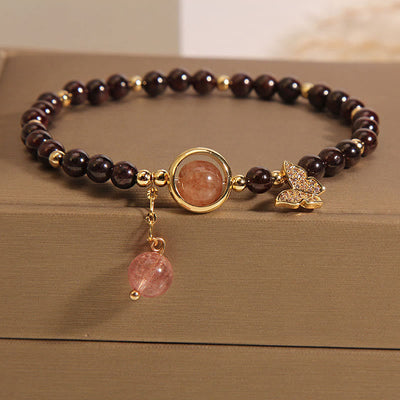
Wear this garnet bracelet to channel the strength, passion, and transformative energy often celebrated in rare stones. Learn more ➔
Conclusion
The blue garnet stands as a testament to the Earth's ability to surprise us. Once thought impossible, it is now one of the most coveted gems for its spectacular color-change ability and intense rarity. While owning a natural blue garnet is a significant investment reserved for serious collectors, the lore and magic of this stone captivate everyone. Whether you admire the rare blue variety or utilize the grounding energy of accessible red garnet, these stones offer a deep connection to the natural world's mysteries.
Frequently Asked Questions about Blue Garnet
Yes, blue garnet is real. It was discovered in Madagascar in the late 1990s. It is a rare color-change variety of garnet, typically a mix of pyrope and spessartine, which appears blue-green in daylight and purple-red in incandescent light.
Yes, blue garnets are extremely expensive due to their rarity. High-quality specimens with a distinct color change can cost between $1,500 and $5,000+ per carat, making them far more valuable than common red garnets.
Blue is widely considered the rarest color of garnet. For centuries, it was believed that blue garnets did not exist until their discovery in Bekily, Madagascar. Colorless (leuco) garnets are also rare, but the blue variety is the most prized.
They are most commonly referred to as "Color Change Garnets" or specifically "Bekily Blue Garnets" if sourced from the original discovery site in Madagascar. They do not have a separate mineral name like "Tsavorite" (green garnet) but are usually a pyrope-spessartine mix.
The primary and most famous source is Bekily in southern Madagascar. Other deposits have been found in Tanzania, Kenya, and parts of the United States, though the Madagascar stones are typically the most renowned for their distinct blue hue.