Welcome to your essential guide on navigating the vibrant world of blue strawberry quartz, along with its mysterious black and golden counterparts. For spiritual seekers and crystal collectors, distinguishing between a natural gemstone and a man-made imitation is crucial—not just for the value of your investment, but for ensuring you are working with the authentic energy you seek. Whether you are drawn to these stones for their metaphysical properties or their sheer beauty, understanding their origins is key.
The market is flooded with variations labeled as "strawberry quartz," but not all are created equal. In this article, we will dive deep into the specific characteristics of blue strawberry quartz, golden strawberry quartz, and the rare black strawberry quartz. You will learn expert tips on how to spot real strawberry quartz, identify common fakes, and buy with absolute confidence.
Understanding the Strawberry Quartz Family
True natural strawberry quartz is a variety of quartz that contains visible inclusions of lepidocrocite, hematite, or goethite. These inclusions appear as tiny reddish or pinkish dots, needles, or flakes, giving the stone its resemblance to the seeds of a strawberry. While the classic red-pink variety is the most well-known, collectors often encounter other color variations like blue, black, and golden.
However, the term "strawberry quartz" is often used loosely in the trade. It can refer to rare natural specimens or, quite frequently, to man-made glass products designed to mimic the look of included quartz. Knowing the difference requires a keen eye and a bit of geological knowledge.
Quick Tip for Collectors
Natural inclusions usually look like random specks, needles, or flakes. If the "inclusions" look like uniform swirls or perfectly spherical bubbles, you are likely looking at man-made glass.

The Truth About Blue Strawberry Quartz
Blue strawberry quartz is perhaps the most controversial and misunderstood stone in this category. Many buyers search for this striking blue gem believing it to be a rare natural occurrence. While quartz can naturally occur in blue hues (such as Dumortierite Quartz), the material commonly sold as "Blue Strawberry Quartz" is often a man-made glass, sometimes known as "smelt quartz."
This synthetic stone is created by melting glass with coloring agents to create beautiful, swirling blue patterns. While it is visually stunning and often sold for its aesthetic appeal in jewelry, it does not carry the same geological history as natural strawberry quartz. However, natural blue quartz with inclusions does exist, often appearing more grey-blue with subtle specks rather than the vibrant, translucent electric blue of the synthetic variety.
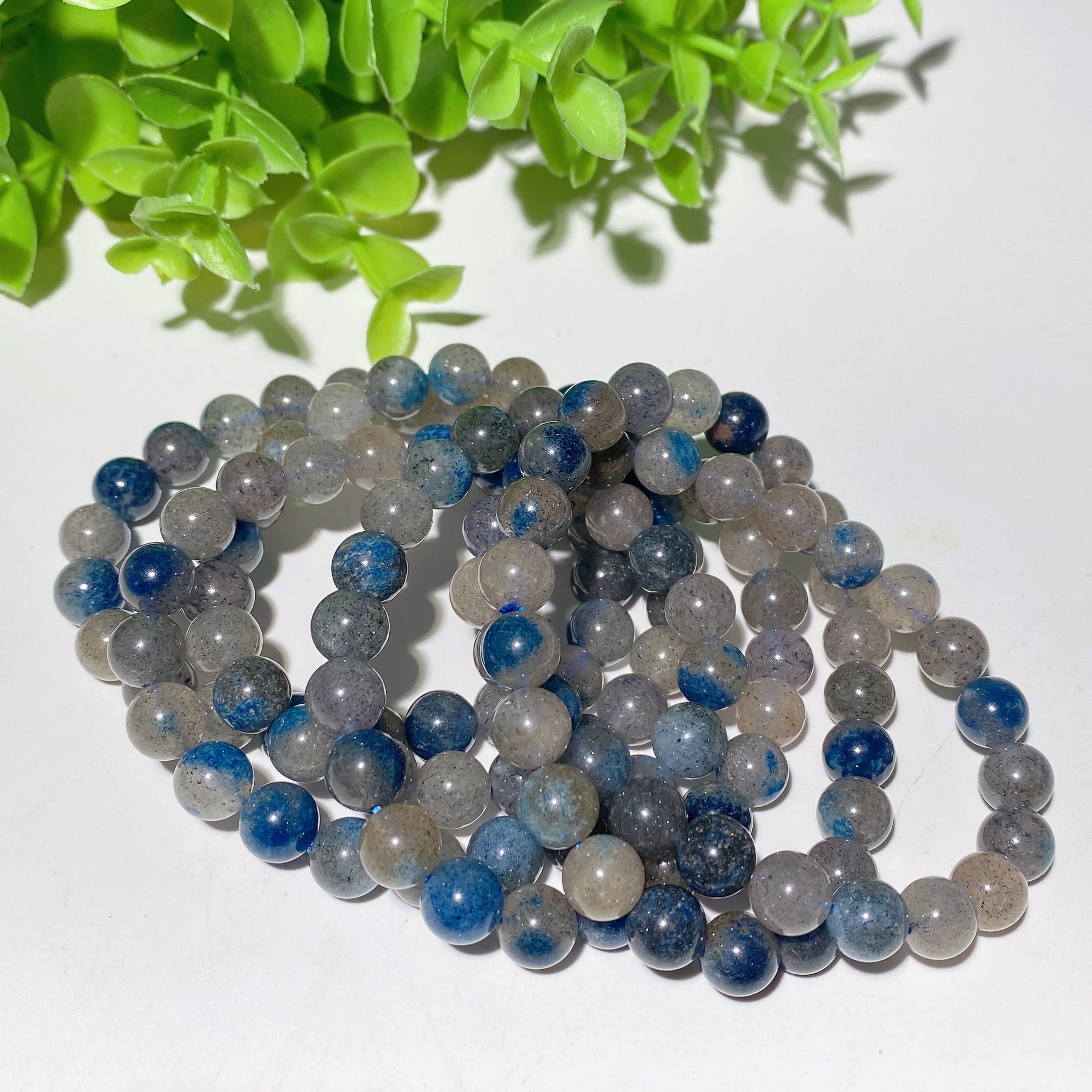
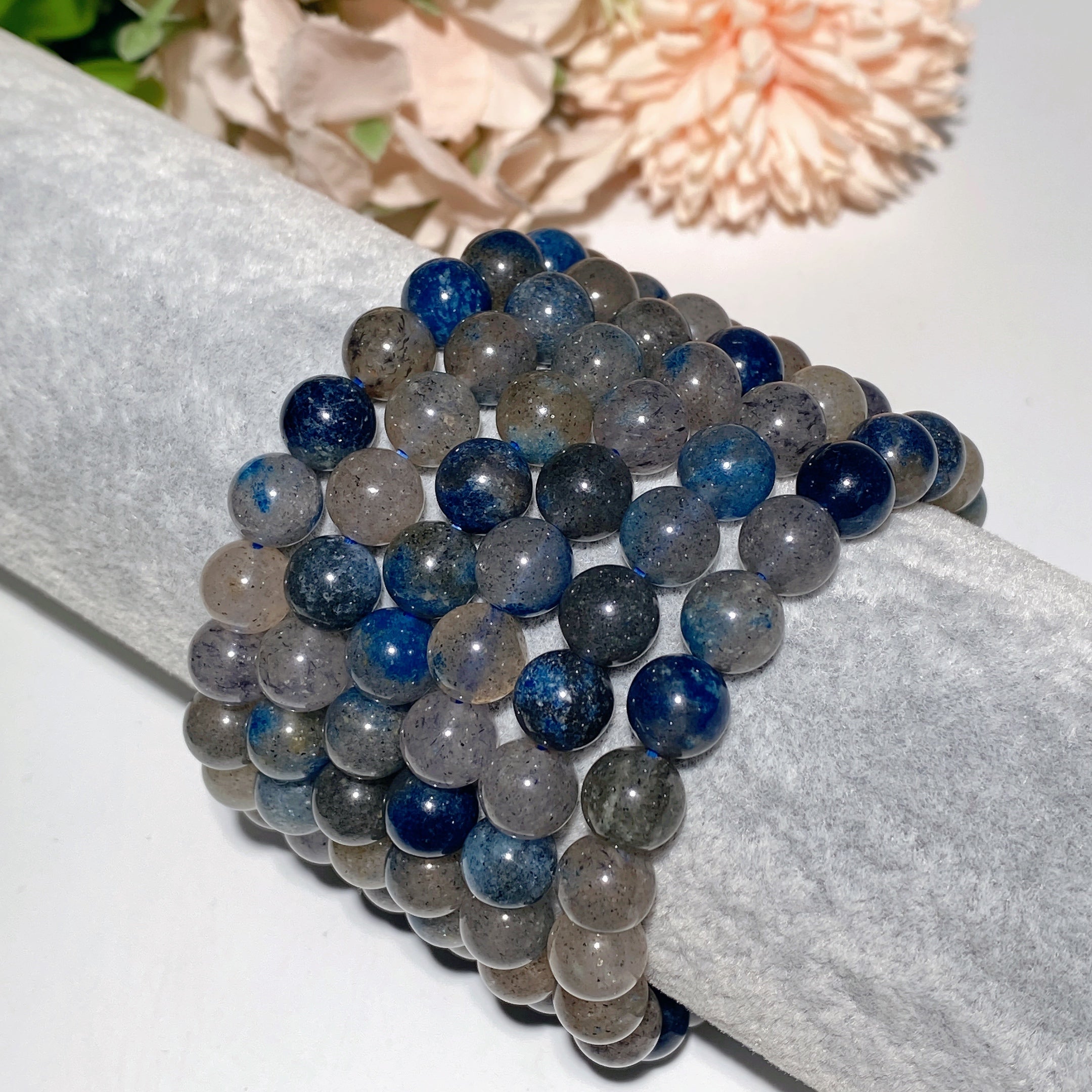
If you are drawn to the aesthetic of these stones, they make wonderful accessories. Below is a popular example of a bracelet that highlights the visual appeal of this material.

8 mm blaues Erdbeerquarz-Kristall-Heilarmband
$29.90 $38.90
Wear this blue strawberry quartz bracelet for clarity and intuition, and instantly spot high-quality real stones in person.
Explore ProductGolden and Black Strawberry Quartz: Natural or Man-Made?
Unlike the blue variety, golden strawberry quartz is frequently found in nature. This stone is typically a form of quartz with yellow or golden inclusions of limonite or hematite. It is sometimes referred to as "Fire Quartz" or "Hematoid Quartz." The inclusions in golden strawberry quartz shimmer beautifully under light, offering a powerful energy associated with abundance and grounding.
Black strawberry quartz is another rare variation. In natural form, this usually refers to quartz with dark inclusions like black tourmaline, carbon, or dark hematite. These stones have a grounding energy and a unique, stormy appearance. However, beware of obsidian or dark glass being passed off as "black strawberry quartz." Authentic pieces will always show the separation between the clear quartz body and the distinct dark inclusions within it.

How to Identify Real vs. Fake Strawberry Quartz
Identifying real strawberry quartz from synthetic imitations (often sold as "fruit quartz" or "cherry quartz") involves checking for a few key physical signs. Here is a checklist to help you verify your stones:
- Check for Bubbles: This is the number one giveaway. Natural quartz generally does not contain round air bubbles. If you look closely at blue strawberry quartz or other brightly colored varieties and see tiny spherical bubbles, it is likely man-made glass.
- Examine the Inclusions: In natural strawberry quartz, the "seeds" are irregular specks or needles of iron oxide minerals. In synthetic versions, the color often appears as swirls or clouds rather than distinct particles.
- Temperature Test: Real quartz feels cool to the touch and warms up slowly. Glass or plastic imitations often feel closer to room temperature and warm up quickly when held.
- Color Consistency: Nature is rarely perfect. Real strawberry quartz will have uneven color distribution. If the stone is a perfectly uniform, bright neon color, proceed with caution.
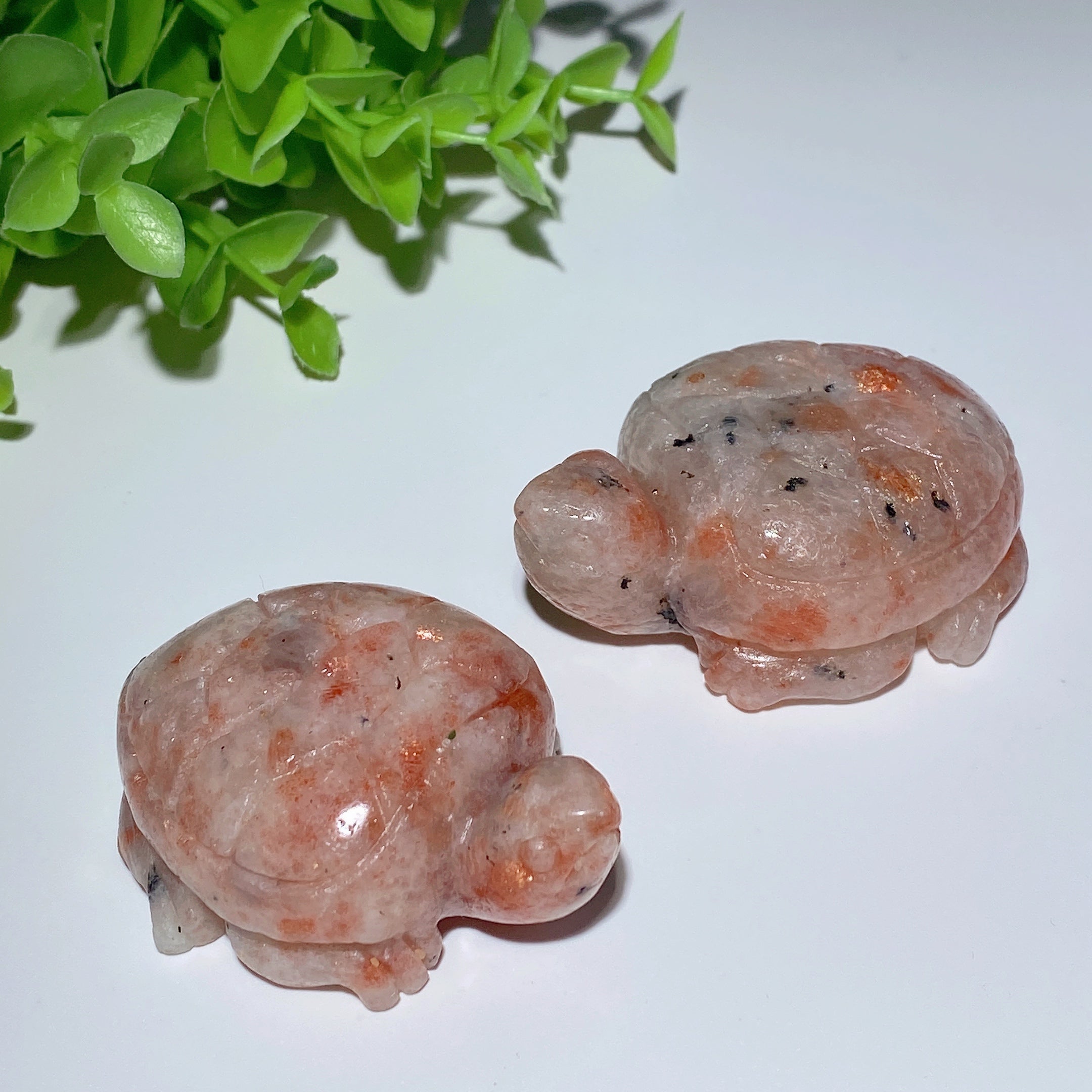
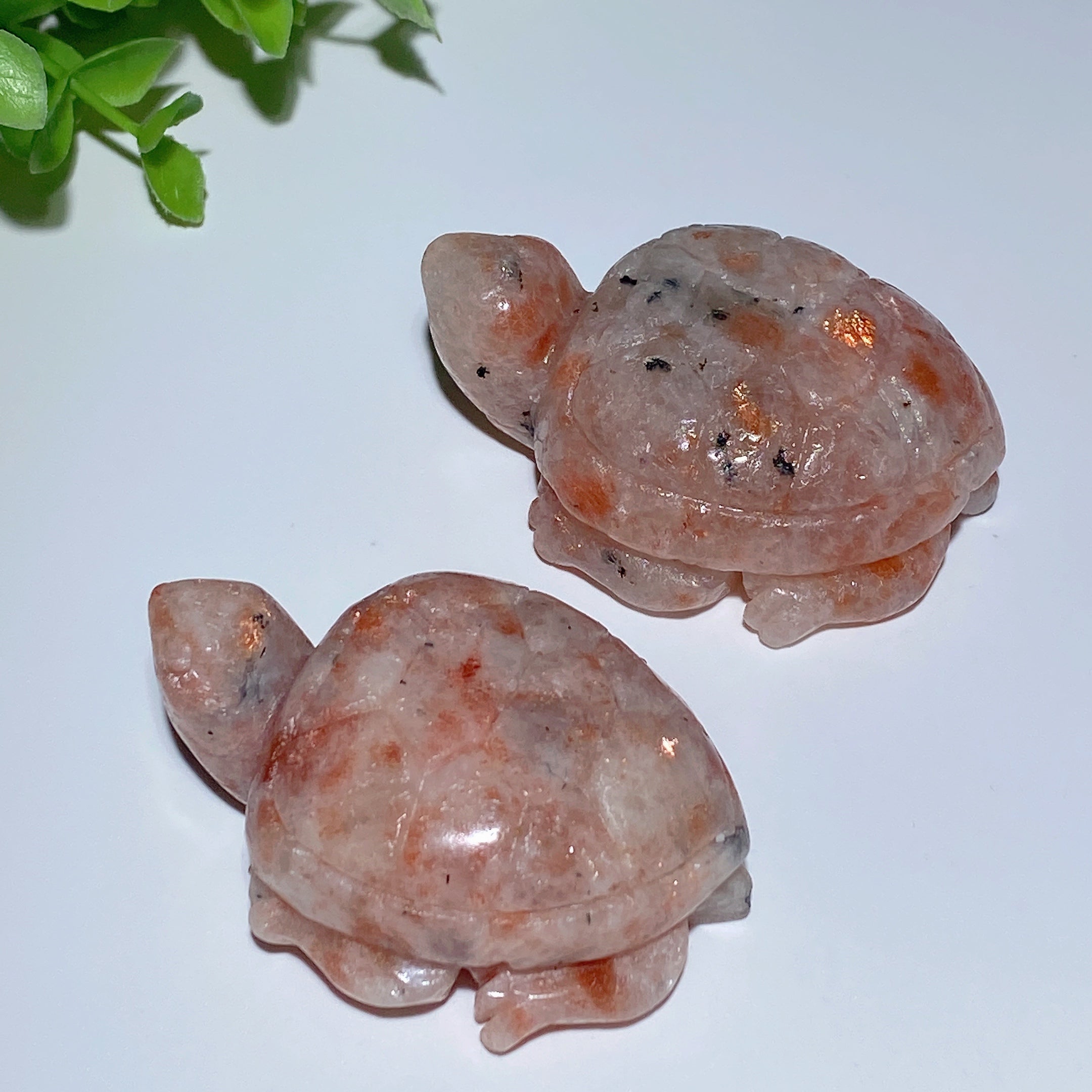
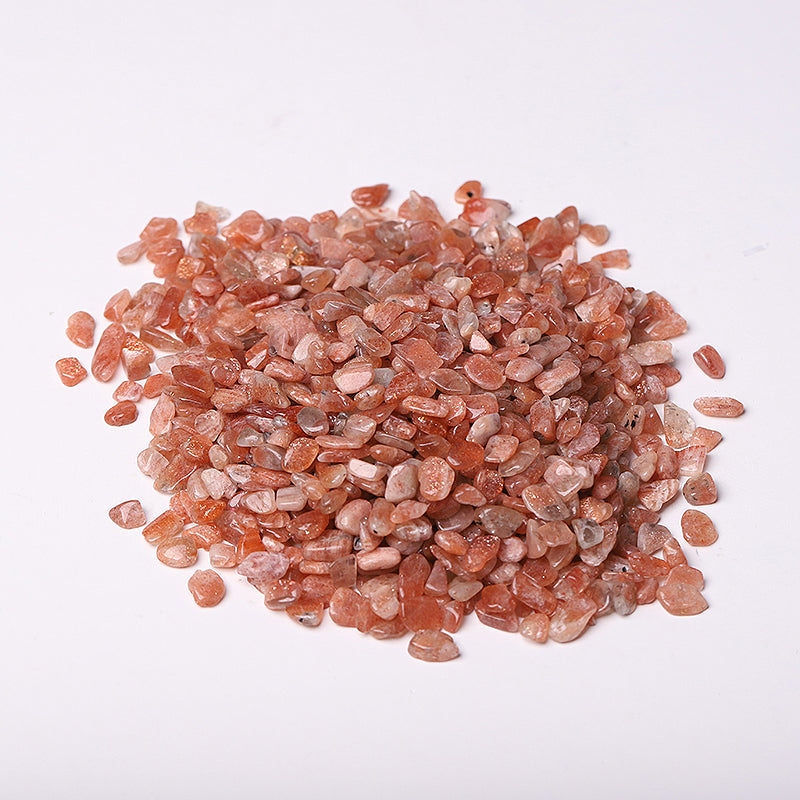
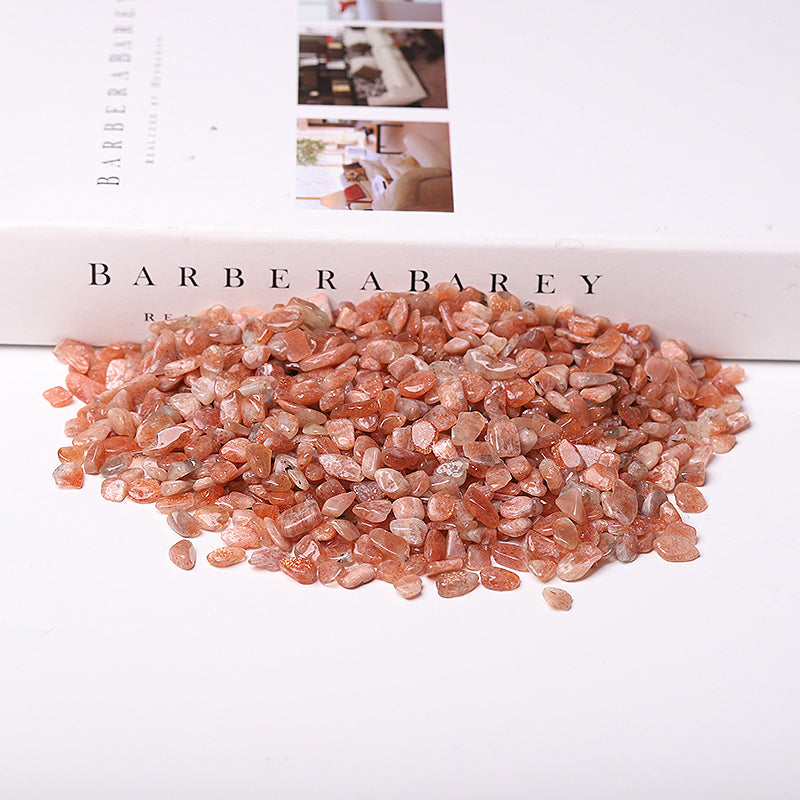
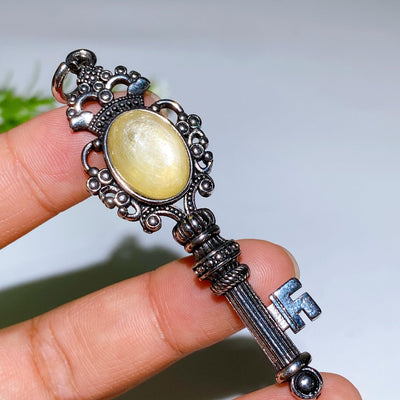
For those looking to study these differences up close, examining different forms—like carved figurines or raw chips—can be very educational. Authentic golden strawberry quartz is a great starting point for seeing what real iron inclusions look like.
Explore Golden Strawberry Quartz

Add authentic golden strawberry quartz to your collection—perfect for abundance rituals and real vs. fake comparison at home. Learn more ➔

Examine genuine quartz chips up close—ideal for learning to distinguish real golden strawberry quartz from imitators. Learn more ➔
Buying Guide and Price Expectations
When shopping for strawberry quartz, price can be a significant indicator of authenticity. Natural strawberry quartz is relatively rare, especially in high quality with clear quartz and distinct inclusions. You can expect to pay a premium for genuine specimens, particularly for jewelry-grade cabochons or beads.
Conversely, fake strawberry quartz (often glass) is mass-produced and typically very affordable. If you see a strand of "Blue Strawberry Quartz" beads for a few dollars, it is almost certainly synthetic. There is nothing wrong with buying synthetic stones for costume jewelry or color therapy, provided the seller is transparent about the material. Always look for reputable sellers who specify whether the stone is "natural," "treated," or "synthetic."

For more detailed scientific data on quartz inclusions, resources like Mindat.org provide excellent mineralogical information that can help you understand the chemical composition of these beautiful stones.
Shopping Checklist
- Does the stone have air bubbles? (Fake)
- Are the inclusions irregular specks? (Likely Real)
- Is the price too good to be true? (Likely Fake)
- Is the seller reputable and transparent?
Conclusion
Whether you are captivated by the electric hues of blue strawberry quartz or the grounding earth tones of black strawberry quartz and golden strawberry quartz, knowing what you are buying empowers you as a collector. While natural stones carry the vibration of the earth, synthetic varieties offer accessible beauty. By using the tips in this guide, you can now confidently distinguish between real strawberry quartz and its imitations, ensuring your collection aligns with your true intentions.
Frequently Asked Questions about Strawberry Quartz
You can tell if strawberry quartz is real by examining the inclusions. Real strawberry quartz has random, irregular specks or needles of iron oxide (hematite or lepidocrocite). Fake stones, often made of glass, may contain tiny spherical air bubbles and have uniform, swirling color patterns.
Golden strawberry quartz is typically natural quartz with yellow/gold hematite inclusions. Black strawberry quartz usually contains dark inclusions like tourmaline or carbon. Blue strawberry quartz found in the market is most often a man-made glass with blue swirls, as natural blue quartz with such inclusions is extremely rare.
Strawberry quartz is believed to embody universal love, purpose, and seizing the day. It is often used for heart chakra healing, promoting emotional balance, and grounding high-frequency energy. Golden varieties are associated with abundance, while blue types are used for communication and calming.
Most "Blue Strawberry Quartz" sold commercially is neither natural nor simply dyed; it is usually a man-made smelt quartz (glass) created to look like gemstone. Authentic natural quartz can be blue (like Dumortierite), but it looks different from the vibrant translucent blue often sold under this name.
Genuine strawberry quartz is more expensive than clear quartz due to its rarity. Prices can range from $20 to over $100 for high-quality jewelry pieces or tumbled stones, depending on clarity and the density of inclusions. Synthetic versions are typically much cheaper.