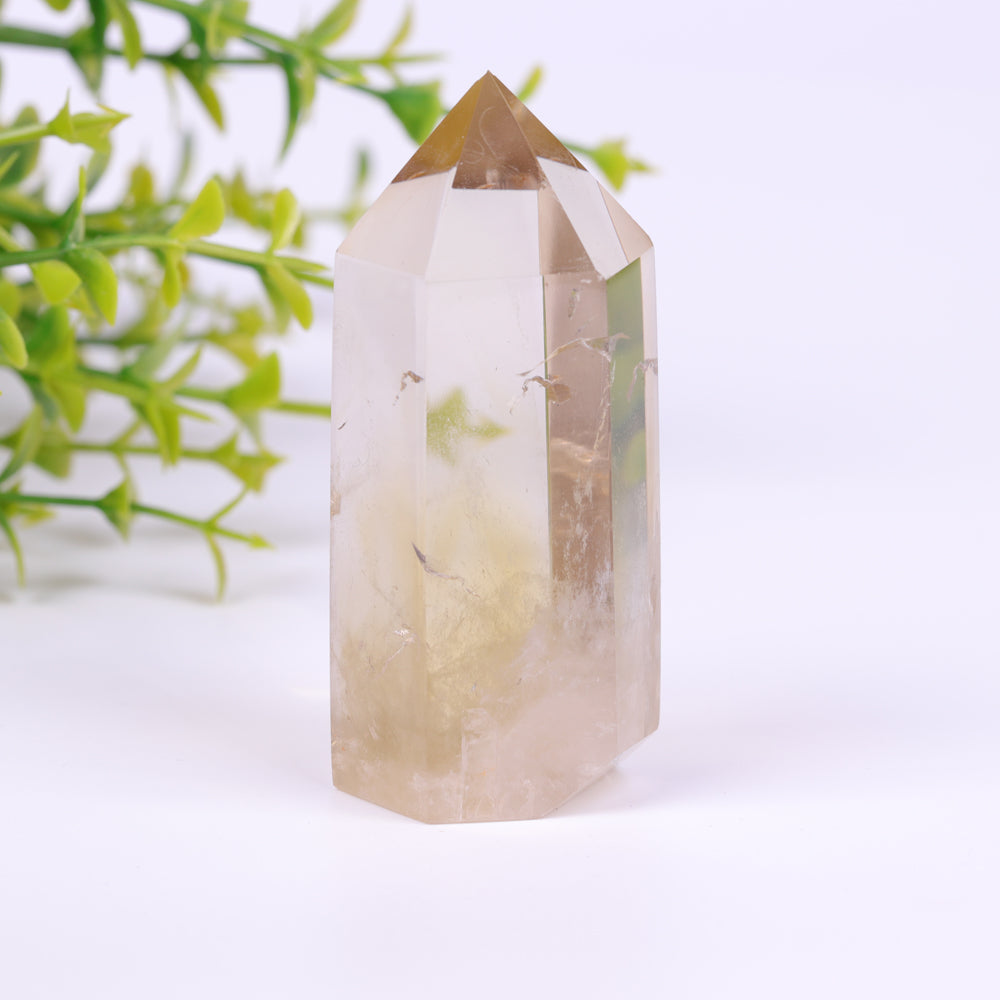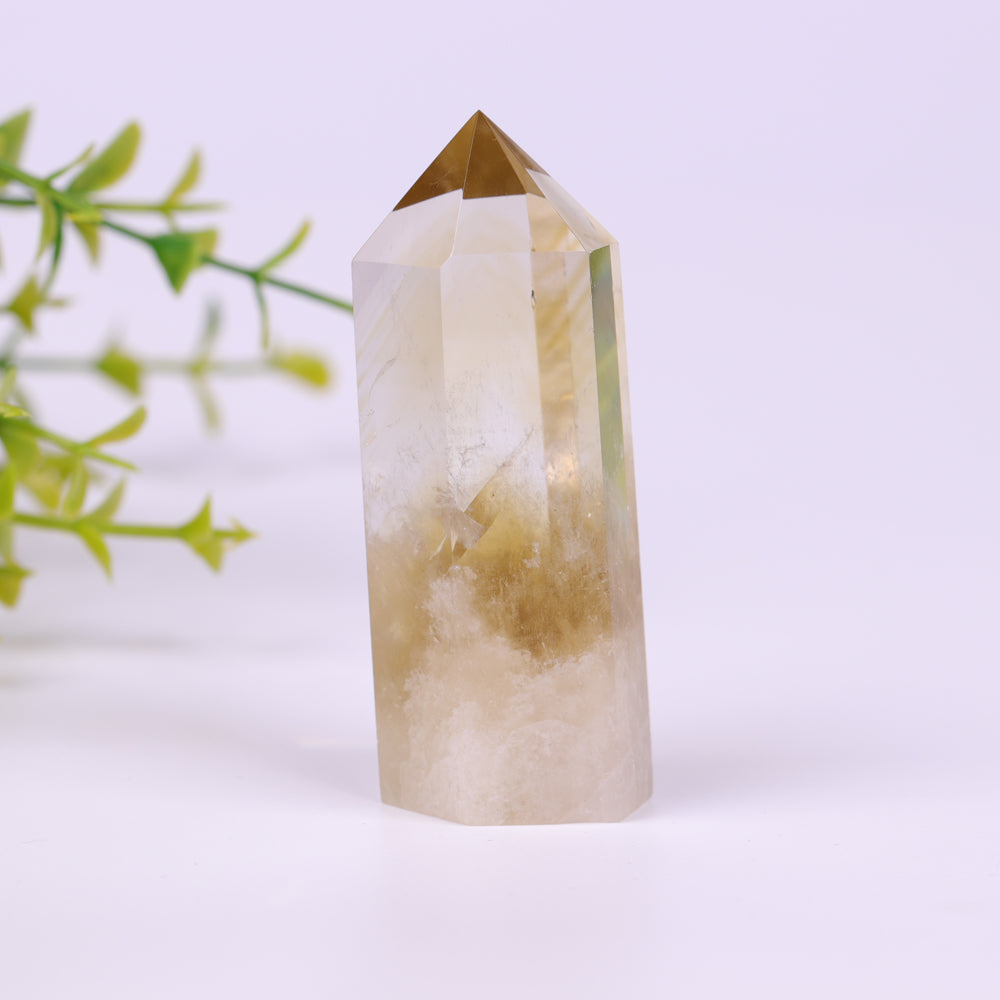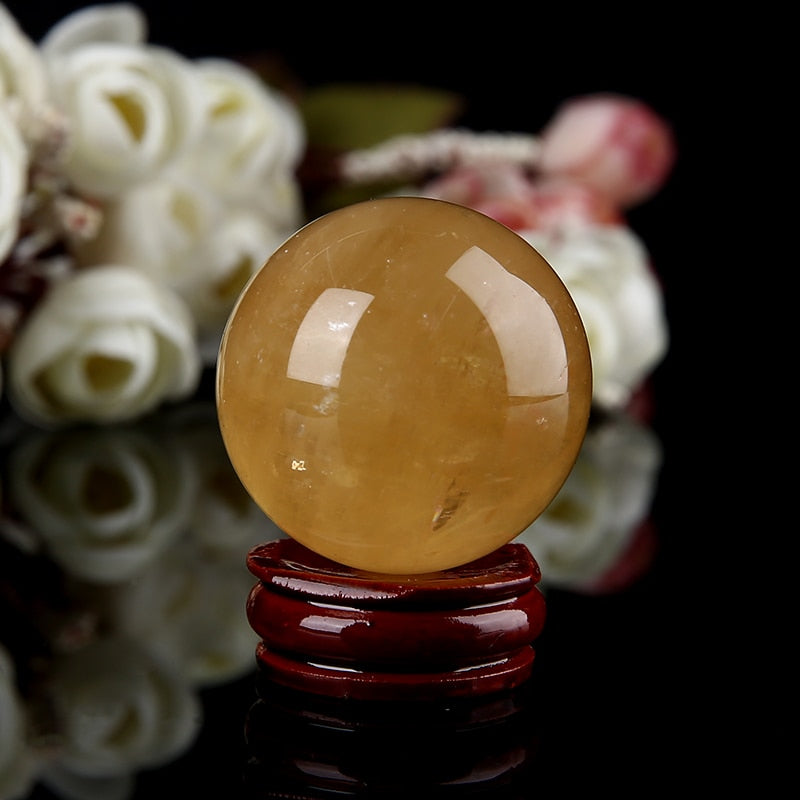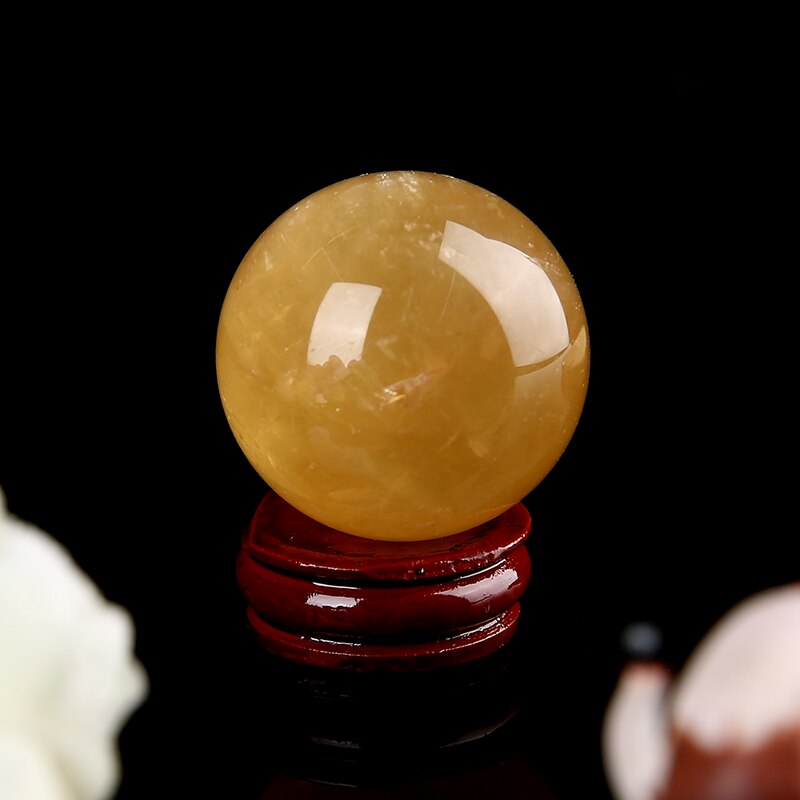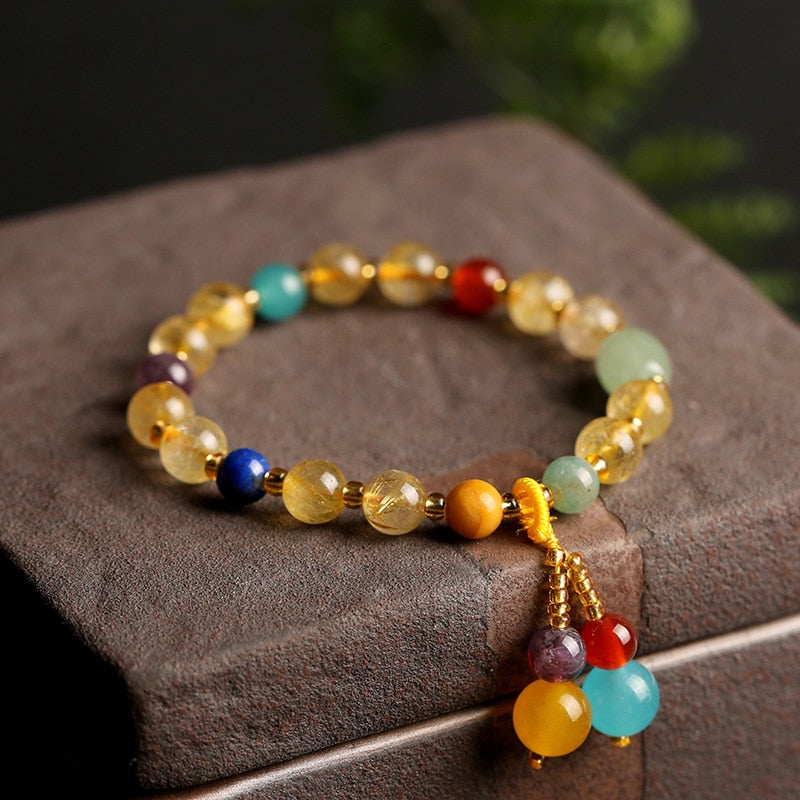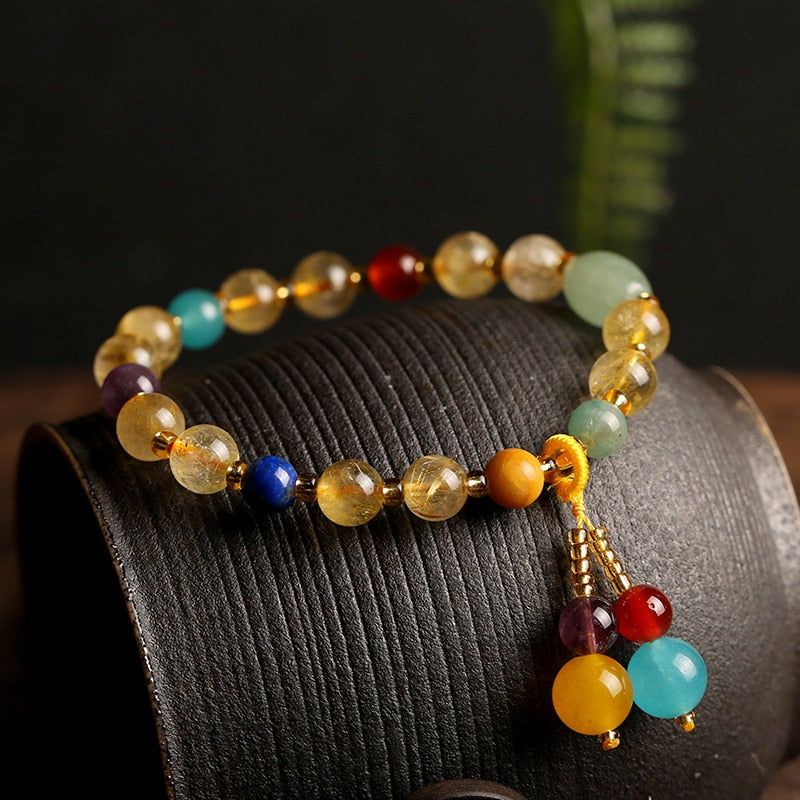

For centuries, crystals have been revered for their beauty and energetic vibrations, but few stones capture the essence of joy and abundance quite like brazilian citrine. Often called the "Merchant's Stone" for its reputed ability to attract wealth, this sunny gemstone is a staple in the collections of spiritual seekers and crystal enthusiasts alike. While citrine can be found in various parts of the world, Brazil remains the premier source for high-quality, vibrant specimens that resonate with the Solar Plexus Chakra.
Whether you are looking to manifest financial success or simply want to invite more warmth into your life, understanding the origin and quality of your crystal is essential. In this guide, we will explore the defining citrine characteristics, how to distinguish natural citrine from heat-treated varieties, and why stones from Brazil are so highly prized in the global market.
The Origin of Brazilian Citrine
Brazil is undeniably the epicenter of the world's citrine production. The vast, mineral-rich landscapes of Rio Grande do Sul and Minas Gerais yield some of the finest examples of this quartz variety. Unlike other regions where citrine might be found in small pockets, the geology of Brazil allows for the formation of large, stunning crystals with excellent clarity.
The term "citrine" comes from the French word citron, meaning lemon, though citrine from Brazil spans a much wider color spectrum. From pale, champagne-like yellows to deep, reddish-orange hues known as Madeira citrine, the diversity found in Brazilian mines is unmatched. This geological abundance helps keep brazilian citrine price points accessible for beginners while offering rare, museum-quality pieces for serious collectors.
Key Origins in Brazil
- Minas Gerais: Famous for producing natural points and high-clarity rough stones.
- Rio Grande do Sul: Known for massive geodes and deep-colored clusters, often associated with amethyst deposits.
Characteristics and Quality Factors
When evaluating citrine quality, experts look at color, clarity, and cut. Brazilian citrine is celebrated for its transparency and glassy luster. While lower-grade stones may have inclusions or cloudy patches, high-quality specimens are often eye-clean, allowing light to pass through and amplify the stone's golden glow.

Color Variations
The most sought-after characteristic is color. While common citrine is a light yellow, the most valuable varieties exhibit a saturated, golden-orange or reddish-brown hue. Madeira citrine, named after the rich color of Madeira wine, is particularly prized for its deep, warm tones. These darker stones are often associated with stronger grounding energy alongside their manifestation properties.
Real vs. Heat-Treated: Is Brazilian Citrine Real?
One of the most common questions from buyers is: "Is Brazilian citrine real?" The answer is yes, but there is a nuance regarding how the color is achieved. Brazil produces both natural citrine and heat-treated citrine. Understanding the difference is crucial for an authentic collection.
- Natural Citrine: This stone gets its color from natural geological heat and pressure over thousands of years. It typically has a uniform, pale yellow to smoky champagne color (sometimes called "Kundalini Citrine"). It is rarer and usually more expensive.
- Heat-Treated Citrine: Much of the commercial citrine on the market is actually amethyst (purple quartz) that has been heated to turn it orange. These stones often have an opaque white base and a burnt-orange tip. While they are chemically still quartz and accepted in the trade, purists often prefer the subtle energy of brazilian citrine raw and untreated.
To deepen your understanding of authentic stones, you can consult resources like the Gemological Institute of America (GIA), which provides extensive scientific data on quartz varieties.

Brazilian Citrine Meaning and Metaphysical Properties
Beyond its physical beauty, the brazilian citrine meaning is deeply tied to the energy of the sun. It is one of the few crystals that does not hold negative energy but rather transmutes and dissipates it. This makes it a powerful tool for protection and cleansing.
Primary brazilian citrine properties include:
- Abundance: Known for attracting wealth, prosperity, and success in business.
- Confidence: It stimulates the Solar Plexus Chakra, boosting self-esteem and personal power.
- Mental Clarity: It helps clear the mind, stimulating intellect and creativity.
For a deeper dive into how this crystal can support your healing journey, watch the video below.
If you are ready to harness this energy, a crystal tower is an excellent way to direct intention towards your goals. Towers are specifically shaped to amplify and emit energy upwards and outwards.
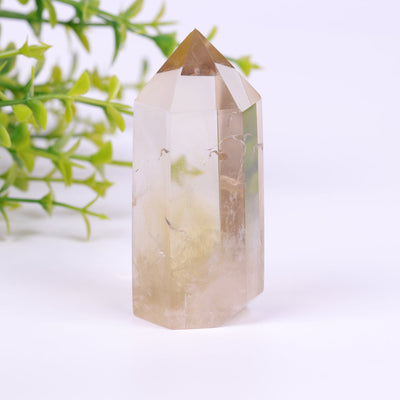
Citrin-Kristallturm für Wohlstand und Überfluss
$49.99 $59.99
Explore Brazilian citrine's energy with this vibrant crystal tower, ideal for manifesting abundance and positive intentions.
Explore ProductHow to Use Brazilian Citrine for Manifestation
Integrating brazilian citrine into your daily life can be simple and effective. Because it is connected to the energy of manifestation, many people place it in the "wealth corner" of their home (the far left corner from the front door, according to Feng Shui) or keep a small stone in their wallet.
Meditation is another powerful way to connect with the stone. Holding a raw piece of Brazilian citrine while visualizing your goals can help align your personal vibration with the frequency of abundance. Creating a small altar with citrine, candles, and a gratitude journal is a beautiful ritual to start your day with optimism.

While brazilian citrine is generally durable (ranking 7 on the Mohs hardness scale), it is important to treat it with care. Avoid prolonged exposure to direct, harsh sunlight for hours on end, as UV rays can fade the color of some natural quartz varieties over time.

Enhance Your Vibrations
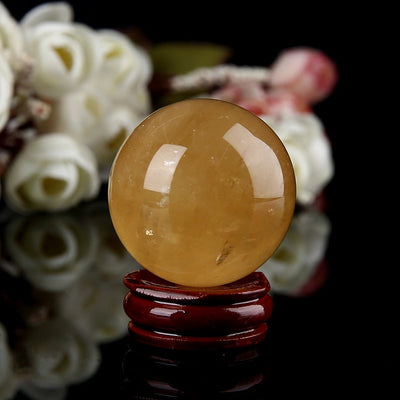
Citrinkugel – Manifeste Freude und Klarheit
$39.99
$49.99
Bring home the harmonious energy of Brazilian citrine with this crystal sphere—perfect for clarity, confidence, and upliftment. Learn more ➔
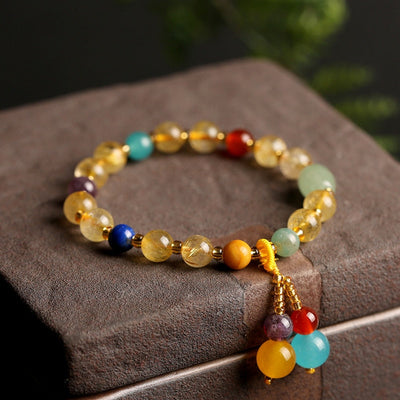
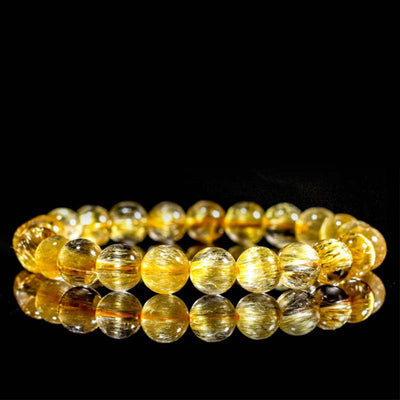
Citrin-Jade-Armband – Wohlstand und Überfluss
$39.99
$49.99
Wear authentic Brazilian citrine with this elegant bracelet, inspiring daily prosperity, optimism, and joyful energy. Learn more ➔
Conclusion
Brazilian citrine is more than just a beautiful golden gemstone; it is a powerful ally for those seeking to invite prosperity, joy, and clarity into their lives. By understanding its origins in the rich soils of Brazil and learning to identify true citrine quality, you ensure that the stones you work with are authentic and energetically potent. Whether you choose a raw point, a polished sphere, or wearable jewelry, the vibrant energy of Brazilian citrine is ready to illuminate your path.
Frequently Asked Questions about Brazilian Citrine
Yes, Brazilian citrine is real quartz. However, it is important to distinguish between naturally occurring citrine, which is rare, and the more common heat-treated citrine, which is created by heating amethyst. Both are real crystals from Brazil, but they have different formation processes.
The primary benefit of Brazilian citrine is its ability to attract abundance, wealth, and success. It is also known for boosting self-confidence, enhancing creativity, and promoting a positive, optimistic mindset by clearing negative energy.
Generally, citrine is safe for everyone. However, individuals who have a fiery temperament or are prone to anger might find that citrine's intense solar energy exacerbates these feelings. In such cases, pairing it with a cooling stone like amethyst or rose quartz is recommended.
The highest quality citrine is typically natural, untreated, and features excellent clarity with a deep, saturated color. Madeira citrine, which has a rich reddish-orange to brownish-red hue, is often considered the most valuable commercial variety.
Natural citrine usually has a consistent pale yellow to smoky hue and lacks white opaque bases. Heat-treated citrine (often baked amethyst) typically shows a bright orange or amber color at the tips with a solid white base, and the color can look more uneven or "burnt."