
For rockhounds and spiritual seekers alike, few discoveries are as grounding as unearthing a piece of ancient history beneath your feet. The Crowley Ridge agate is one such treasure, a hidden jewel nestled within the unique geological landscape of the American South. Known as an Arkansas gem, this distinct stone tells a story of shifting rivers, Paleozoic formations, and the enduring beauty of nature.
Whether you are a seasoned collector scouring gravel beds or a lover of natural crystals seeking to understand the earth's energy, the Crowley Ridge agate offers a fascinating glimpse into the past. Unlike the more common stones found in commercial shops, these river-tumbled agates carry the raw, untamed spirit of the Mississippi River Valley, making them a prized find for those who know where to look.
The Unique Geology of Crowley's Ridge
To understand the stone, one must understand the land. Crowley's Ridge is a geological anomaly—a crescent-shaped rise distinct from the surrounding flat Mississippi Alluvial Plain. While the delta is flat and fertile, this ridge stands as a remnant of a much older landscape, surviving the erosional forces that leveled the surrounding area.
- Formation: Composed of loess (windblown soil) and tertiary gravels.
- Origin: Many stones here, including the agates, were transported by ancient river systems from the Great Lakes region and deposited millions of years ago.
- Significance: It acts as a geological time capsule, preserving agate from Arkansas that differs significantly from volcanic agates found in the West.
The agates found here are technically banded chalcedony that formed in the voids of sedimentary rocks during the Paleozoic era. Over eons, they were freed from their host rock, tumbled by ancient rivers, and eventually deposited in the gravel beds of the ridge. This extensive journey is what gives the Arkansas gravel agate its characteristic toughness and unique exterior texture.

Crowley Ridge Agate Identification Guide
Crowley ridge agate identification can be a challenge for beginners because these stones often hide in plain sight. Unlike the bright, polished slices seen in gift shops, a raw Crowley Ridge agate often looks like a rough, waxy potato until it is broken or tumbled. However, once you know the signs, the fortification banding agate hidden inside becomes unmistakable.
The primary defining feature is the banding. These stones display tight, concentric layers known as fortification banding, resembling the walls of an aerial fortress view. The colors tend to be earthy and warm—creams, tans, browns, reddish-oranges, and occasionally grays or blues.
Another key identifier is the surface texture. Because these are pitted agate stones that have survived aggressive river transport, their exterior often features crescent-shaped percussion marks and a distinctive "husk" that may look like a pockmarked rind.
Moosachat-Kristallturm für Energieausgleich
$49.99 $59.99
Connect with the grounding power of agates—perfect for collectors exploring unique American stones and mindful décor.
Explore ProductWhere to Find These Arkansas Treasures
Searching for Crowley Ridge agate for sale is one option, but the true joy lies in the hunt. These stones are predominantly found in the gravel deposits along Crowley's Ridge in eastern Arkansas. Public access points can be scarce, as much of the land is privately owned, but rockhounds often find success in creeks, gravel bars, and construction excavations where the deep gravel layers are exposed.
When exploring, look for the Mississippi agate gravel mixed with jaspers, petrified wood, and chert. The best time to hunt is often after a heavy rain, which washes away the dust and makes the waxy luster of the agate glimmer in the sunlight.

Tumbling and Polishing: Revealing the Gem
The true beauty of a Crowley Ridge Arkansas gem is often revealed only after tumbling. Because these stones are already naturally tumbled to some degree by ancient rivers, they take a high polish exceptionally well. The process of tumbling removes the weathered exterior husk to display the intricate fortification banding beneath.
If you are curious about how these specific agates handle the tumbling process, the results can be stunning. The hard quartz structure allows them to achieve a glass-like finish, making them ideal for jewelry or display.
Crowley Ridge Agate Value and Rarity
Collectors often ask about Crowley Ridge agate value. Like most semi-precious stones, value depends on size, pattern quality, and color. While small, tumbled gravel pieces are abundant and affordable, large specimens with unbroken, high-contrast fortification banding are rare and highly sought after.
Stones featuring rare colors (such as deep reds or blacks) or unique inclusions command higher prices. However, for many enthusiasts, the value is sentimental—a connection to the land and the thrill of discovery. Identifying a high-quality piece involves looking for fractures; the best stones are solid, free of deep cracks, and translucent when held to a light.






Metaphysical Properties and Decor
Beyond their geological history, agates are revered in the spiritual community for their stability and grounding properties. The Crowley Ridge agate, birthed from the movement of water and earth, is thought to hold energies of resilience and flow. It is an excellent stone for those seeking to anchor themselves during times of change.
Incorporating agate into your home decor brings an element of natural serenity. Whether placed on an altar or used as a focal point in a living room, the intricate layers of these stones serve as a reminder of nature's slow, artistic process.
Enhance Your Space with Agate Energy

Kraft- und Mut-Achatpyramide – Meditationsakzent
$49.99
$59.99
Discover a striking agate pyramid crafted to support courage and strength—an inspiring addition to any rockhound collection. Learn more ➔

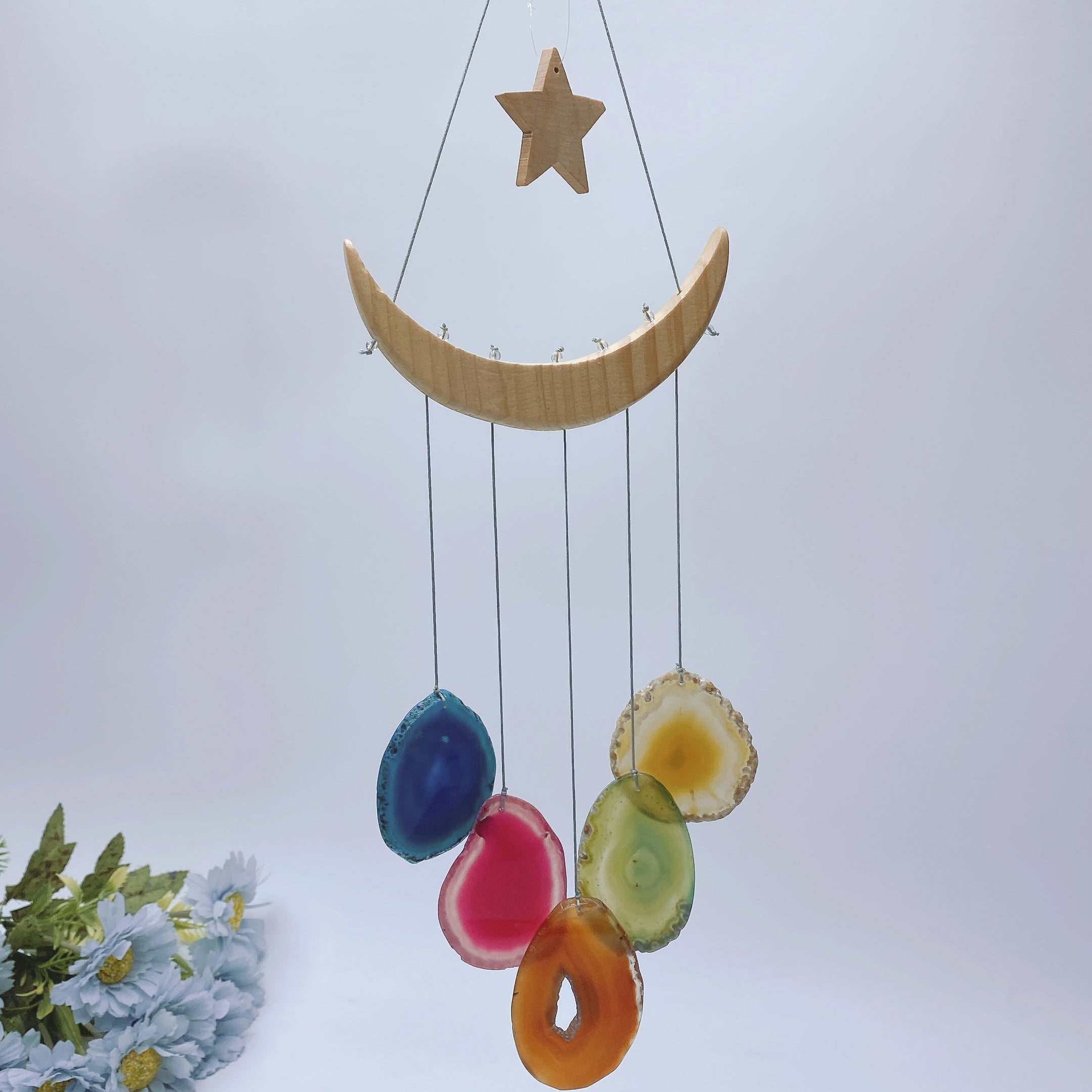
Own a statement Life Tree wall decor combining vibrant agate slabs and crystals, reflecting the variety of agates from Crowley's Ridge. Learn more ➔
Conclusion
The Crowley Ridge agate is more than just a pretty rock; it is a tangible piece of Arkansas's rich geological narrative. From its origins in the icy waters of the north to its final resting place in the warm southern soil, this gem embodies endurance and transformation. Whether you are hunting for them in the wild gravels or admiring a polished specimen in your collection, these stones offer a profound connection to the natural world. We invite you to explore the grounding energy of agates and discover the beauty that lies beneath the surface.
Frequently Asked Questions about Crowley Ridge Agate
A Crowley Ridge agate is a type of banded chalcedony found primarily along Crowley's Ridge in Arkansas. These stones are known for their fortification banding and durable nature, having been transported by ancient rivers and deposited in the ridge's gravel beds.
Crowley's Ridge is unique because it is a geological anomaly—a distinct upland ridge rising above the flat Mississippi Alluvial Plain. It is composed of loess and tertiary gravels that contain rocks transported from as far away as the Great Lakes region, preserving geological history that has eroded away in surrounding areas.
The "best" agate is subjective and depends on what a collector values. However, globally renowned varieties include the Lake Superior Agate for its rich reds, the Fairburn Agate from South Dakota for its holly-leaf banding, and the Botswana Agate for its precise lines. The Crowley Ridge Agate is prized specifically for its unique locality and tight fortification bands.
While agates come in many shades, bright natural greens and deep, vibrant purples are among the rarest colors to find in nature without heat treatment or dyeing. In Crowley Ridge agates, finding stones with distinct, high-contrast red or blue banding is considered a lucky find.
Crowley Ridge agates are distributed throughout the gravel deposits of Crowley's Ridge in eastern Arkansas and southeastern Missouri. They are most commonly found in gravel pits, creek beds, and eroded banks where the tertiary gravels are exposed. They are not as commercially abundant as Brazilian agates, making them a regional specialty.