Hidden within the rugged landscapes and sweeping prairies of the American Midwest lies a treasure that has captivated rockhounds for generations. Known as the state gemstone of South Dakota, Fairburn agates are celebrated for their breathtaking beauty and distinct, intricate patterns. Unlike common stones, these rare fortification agates tell a geological story millions of years in the making, drawing collectors from around the world to the Badlands in search of a prize.
Whether you are a seasoned mineral collector or a curious traveler passing through South Dakota, understanding the allure of the Fairburn agate is a journey into geology and history. These gemstones are not just pretty rocks; they are unique specimens defined by their parallel banding and vibrant colors. In this guide, we will explore how to identify them, where to look, and why they hold such high value in the world of lapidary arts.
What Are Fairburn Agates?
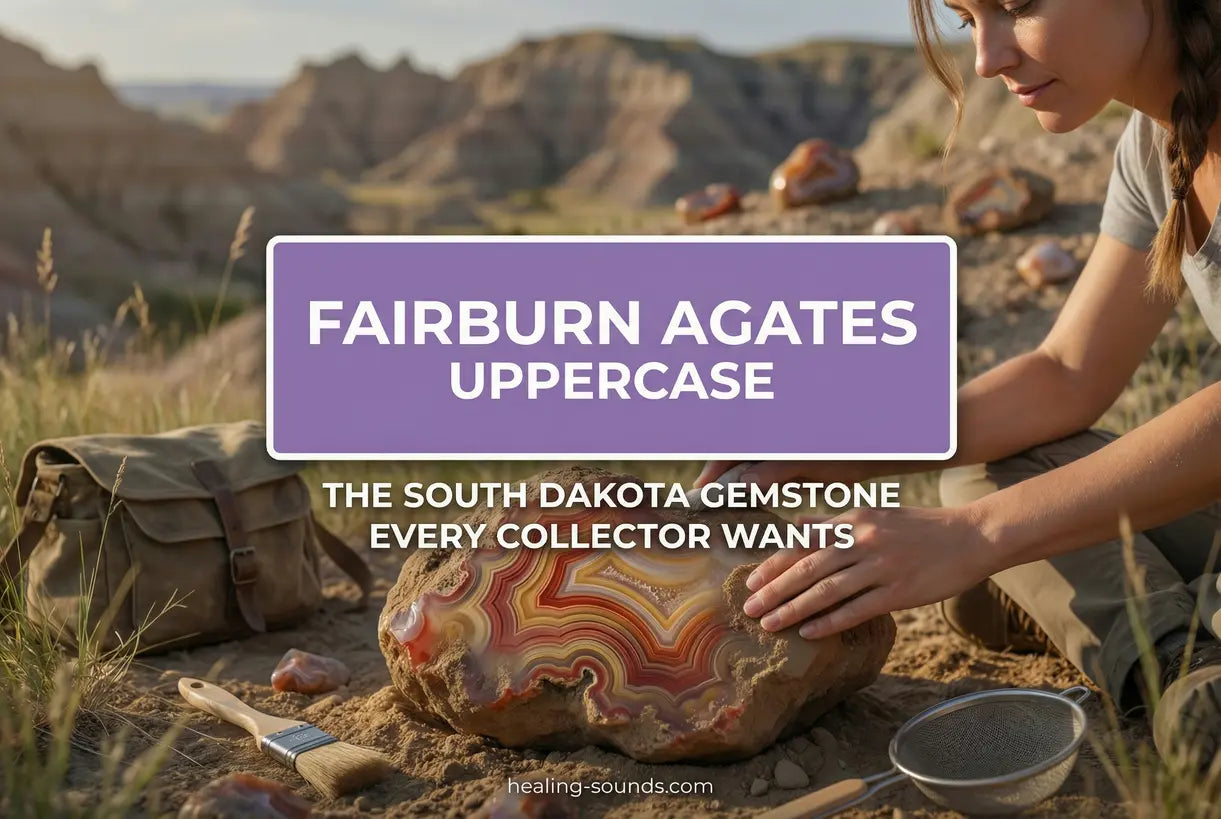
Named after the locality of Fairburn, South Dakota, Fairburn agates are a specific variety of prairie agate. They are technically a sub-variety of Lake Superior agates but are distinguished by their unique formation and location. These stones were formed in sedimentary limestone and are renowned for their "fortification" patterns—concentric bands that resemble the aerial view of a fortress.
Geologically, these agates trace back to the Minnelusa Formation and were later exposed through weathering. The intense colors—ranging from reds and oranges to browns, blacks, and yellows—are caused by iron oxide and other mineral impurities present during their formation. While many agates are beautiful, the Fairburn agate is often considered the "crown jewel" of agates due to the complexity of its banding and the stark contrast of its colors.
- Origin: Named after Fairburn, South Dakota.
- Type: Fortification agate with holly-leaf banding.
- Colors: Rich reds, reddish-browns, yellows, and blacks.

How to Identify a Genuine Fairburn Agate
For the uninitiated, spotting a Fairburn agate among thousands of river rocks can be daunting. The primary identifier is the fortification banding. Unlike the chaotic patterns of crazy lace agate or the mossy inclusions of other varieties, Fairburns display sharp, parallel bands that wrap around the stone's center.
A specific characteristic to look for is the "holly-leaf" pattern within the bands. These are jagged, leaf-like shapes that interrupt the smooth concentric circles, a hallmark of high-quality specimens. Furthermore, identifying these stones often requires looking for waxy luster on fractured surfaces, a common trait of cryptocrystalline quartz.
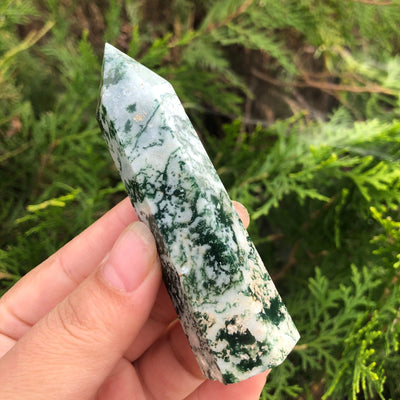
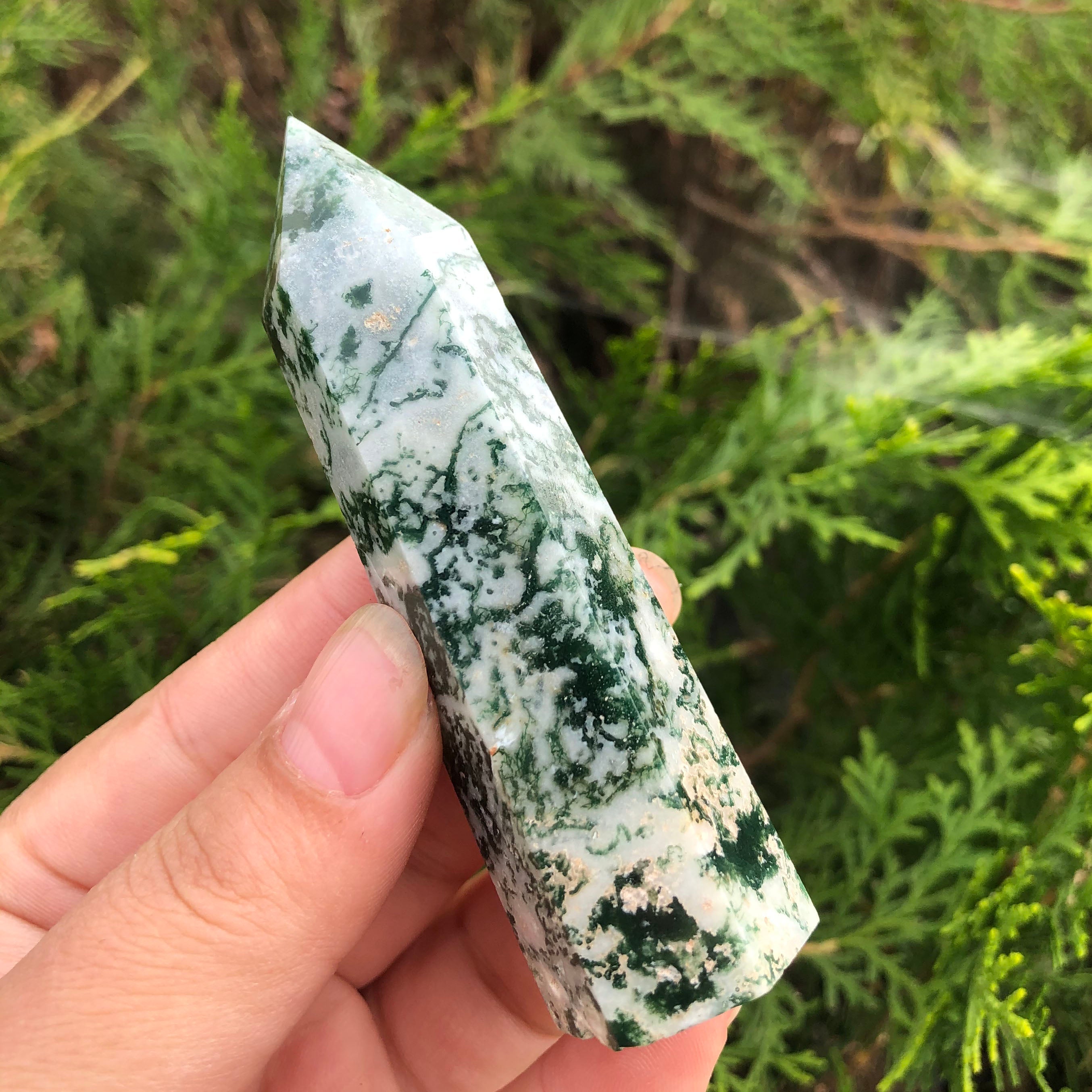
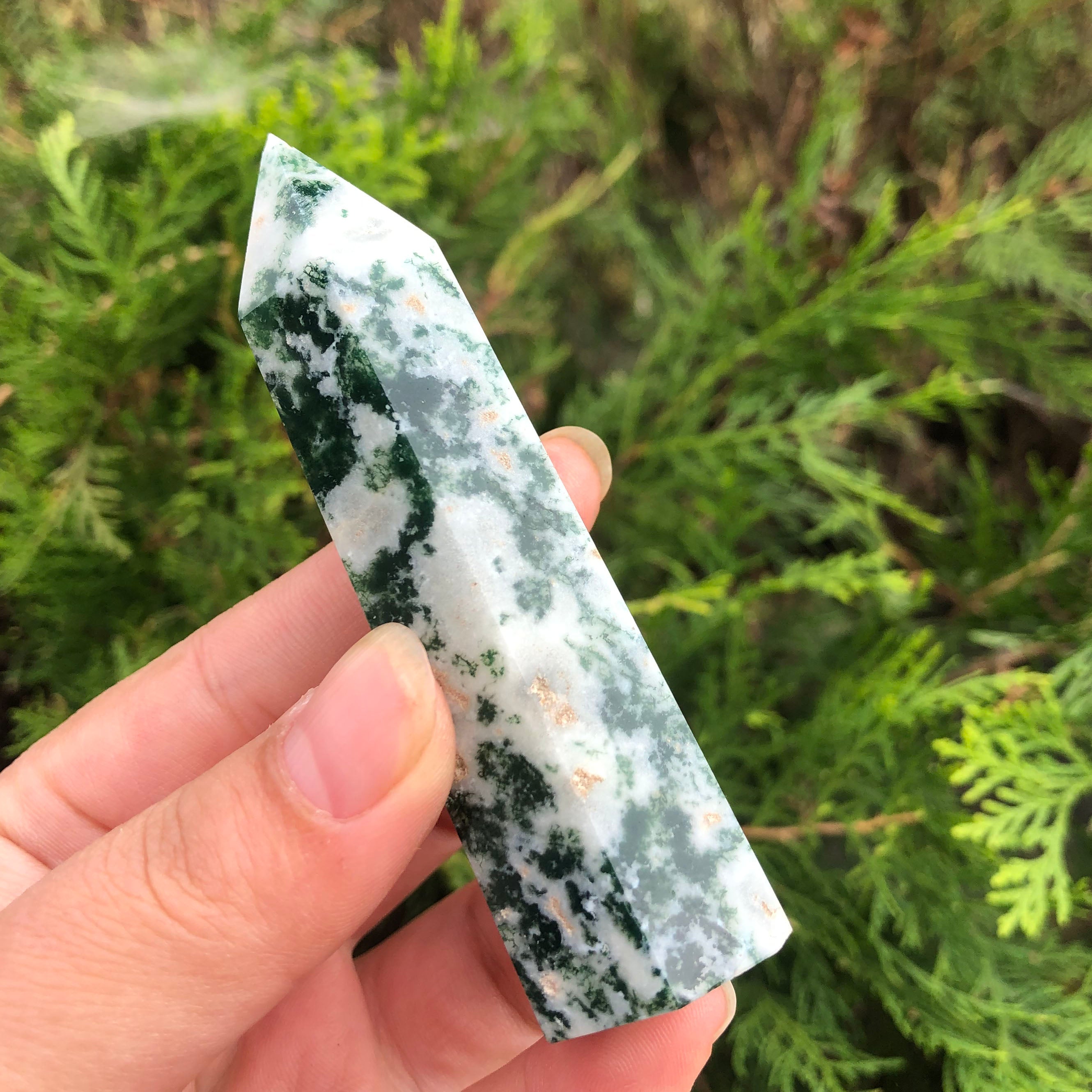
Moosachat-Kristallturm für Energieausgleich
$49.99 $59.99
Celebrate agate’s natural diversity—display this Moss Agate Tower as an inspiring tribute to legendary Fairburn agates.
Explore ProductPrime Locations: Where to Find Fairburn Agates
If you are planning a rockhounding trip, you need to know where to look. The primary hunting grounds are located in southwestern South Dakota and northwestern Nebraska. The agate beds of South Dakota are legendary, specifically the areas extending east and south of the Black Hills.
The Buffalo Gap National Grassland is a popular public area for collectors. Specifically, the areas surrounding the town of Fairburn and the French Creek Wilderness are historically productive. However, finding a Fairburn agate today requires patience and a keen eye, as these areas have been heavily hunted over the decades. Look in washouts, gullies, and gravel bars where erosion exposes new layers of rock after storms.





Value and Rarity of South Dakota Agates
The value of Fairburn agates varies wildly depending on size, pattern quality, and color contrast. A small stone with washed-out colors might fetch a modest price, while a fist-sized specimen with vivid, tight banding can command thousands of dollars. The Fairburn agates value is driven by the scarcity of high-quality pieces.
Collectors particularly prize stones with unbroken bands and distinct colors. The most sought-after colors are bright reds and oranges contrasted with white or black bands. Because they are becoming harder to find in the wild, the market value for top-tier specimens continues to rise, making them not just a hobbyist's delight but a potential investment.
Enhance Your Crystal Collection
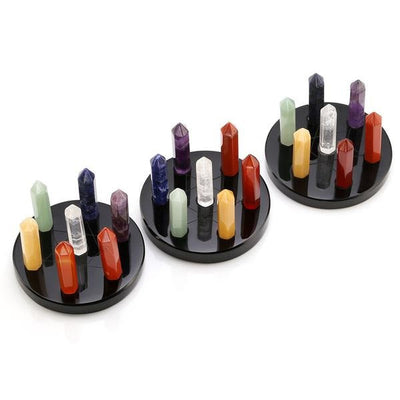
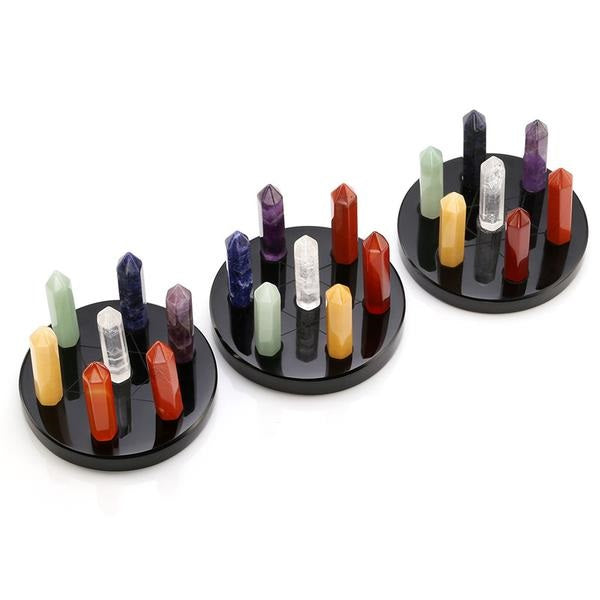
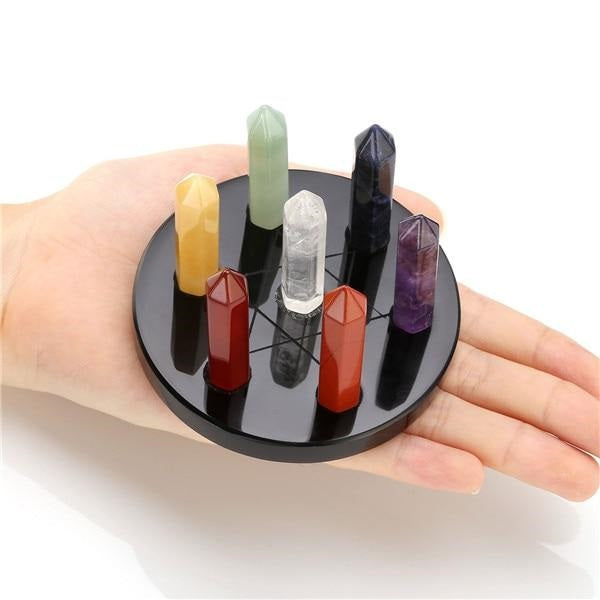
7 Chakra-Sechseck-Kristallstäbe mit Reiki-Tradition
$139.99
$179.99
Experience the grounding properties of agate and other crystals with these finely crafted chakra balancing wands. Learn more ➔

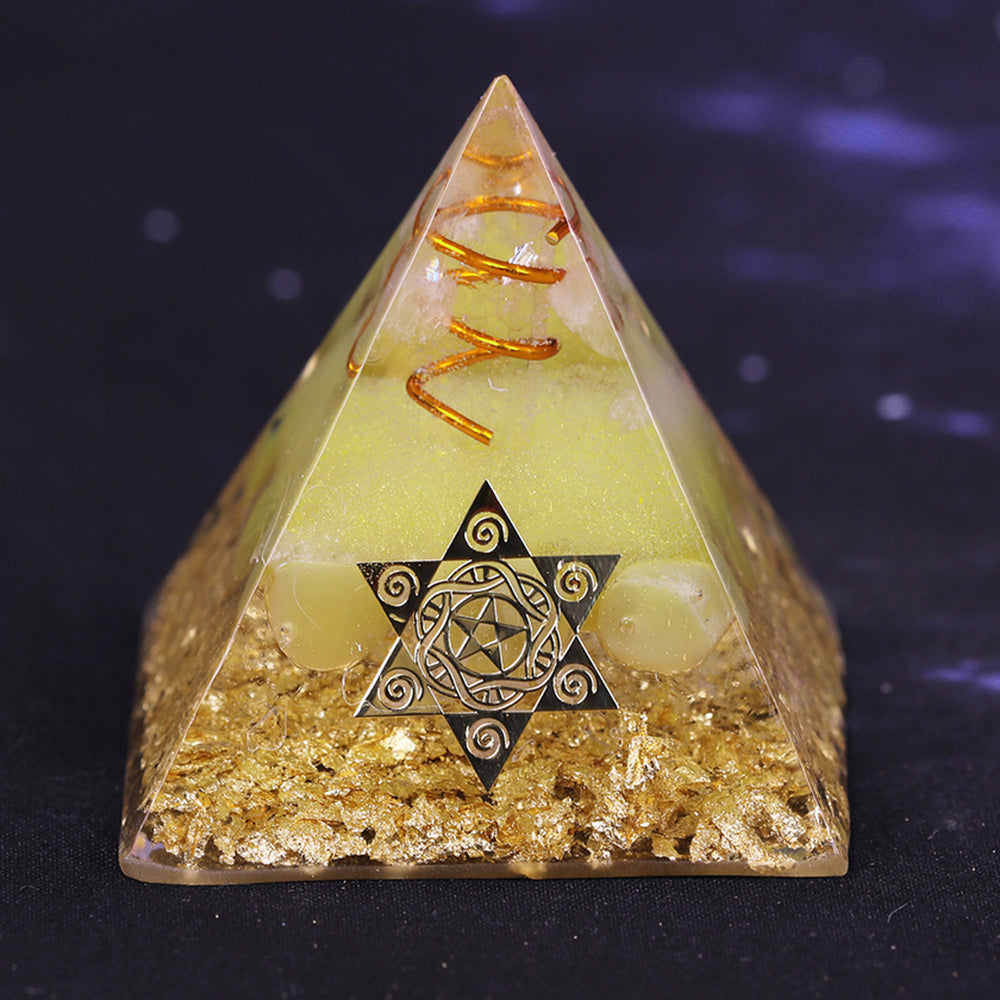
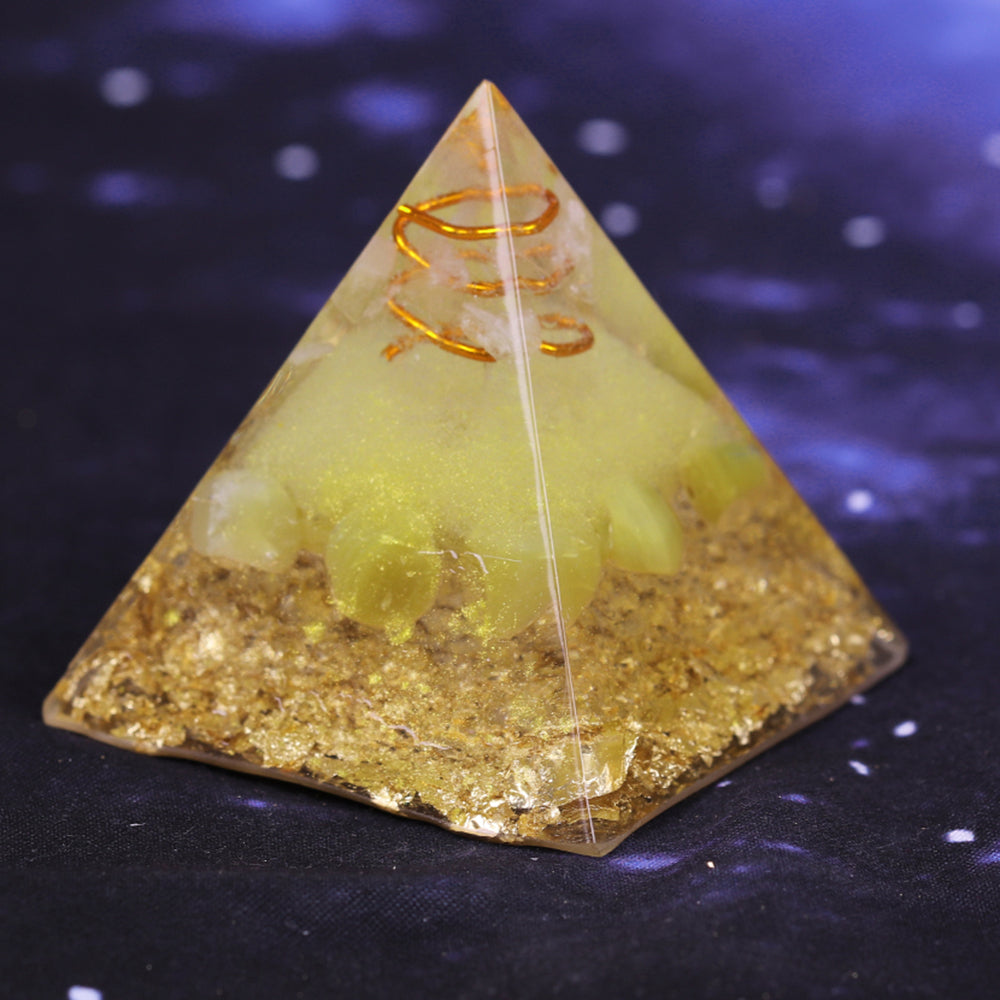
Orgonitpyramide für Reichtum und Wohlstand für Harmonie
$49.99
$59.99
Invite the energy of agate into your space—this pyramid with yellow agate honors the spirit of rare collector’s stones. Learn more ➔
Tips for Hunting and Collecting
Successful collecting Fairburn agates requires more than just luck; it requires strategy. The best times to hunt are early morning or late afternoon when the sun is at an angle. This lighting can make the translucent agate glow or reflect light differently than the dull limestone and dirt surrounding it. Bring a spray bottle of water; wetting the stones reveals their true colors and banding patterns instantly.
Always respect private property boundaries and adhere to regulations on public lands like the National Grasslands. Surface hunting is the standard method—digging is often restricted. For a glimpse into the excitement of the hunt, watch the video below to see what it takes to find one of these elusive gems in the wild.

Conclusion
The Fairburn agate is more than just a stone; it is a symbol of South Dakota's rugged natural history and a testament to the beauty created by geological forces. Whether you are looking to purchase a polished specimen for your display case or dreaming of finding your own in the Buffalo Gap Grasslands, the thrill of these agates is undeniable. Their intricate banding and vibrant colors make them a must-have for any serious rock collection, offering a grounding connection to the earth's ancient past.
Frequently Asked Questions about Fairburn Agates
You can identify a Fairburn agate by its distinct parallel banding, often called "fortification" patterns. Look for "holly-leaf" shaped bands and vibrant contrasting colors like reds, yellows, and blacks. They typically have a waxy luster common to chalcedony.
While specific records vary, large Fairburn agates are exceptionally rare. Most found today are small, but historically, specimens weighing several pounds have been discovered. Museum-quality pieces can be the size of a grapefruit or larger, though these are incredibly uncommon.
The Fairburn agate is widely considered one of the most sought-after agates in North America due to its intricate patterns and rarity. Other highly prized varieties include the Lake Superior agate and the Laguna agate from Mexico.
The value ranges significantly from a few dollars for small, fractured pieces to thousands of dollars for large, gem-quality specimens with perfect banding and vivid colors. High-quality collector pieces often sell for $200 to over $2,000.
Fairburn agates are primarily found in the southwestern part of South Dakota. Key locations include the Buffalo Gap National Grassland, areas near the town of Fairburn, and the French Creek Wilderness. They are often found in gravel beds and weathered outcrops.