
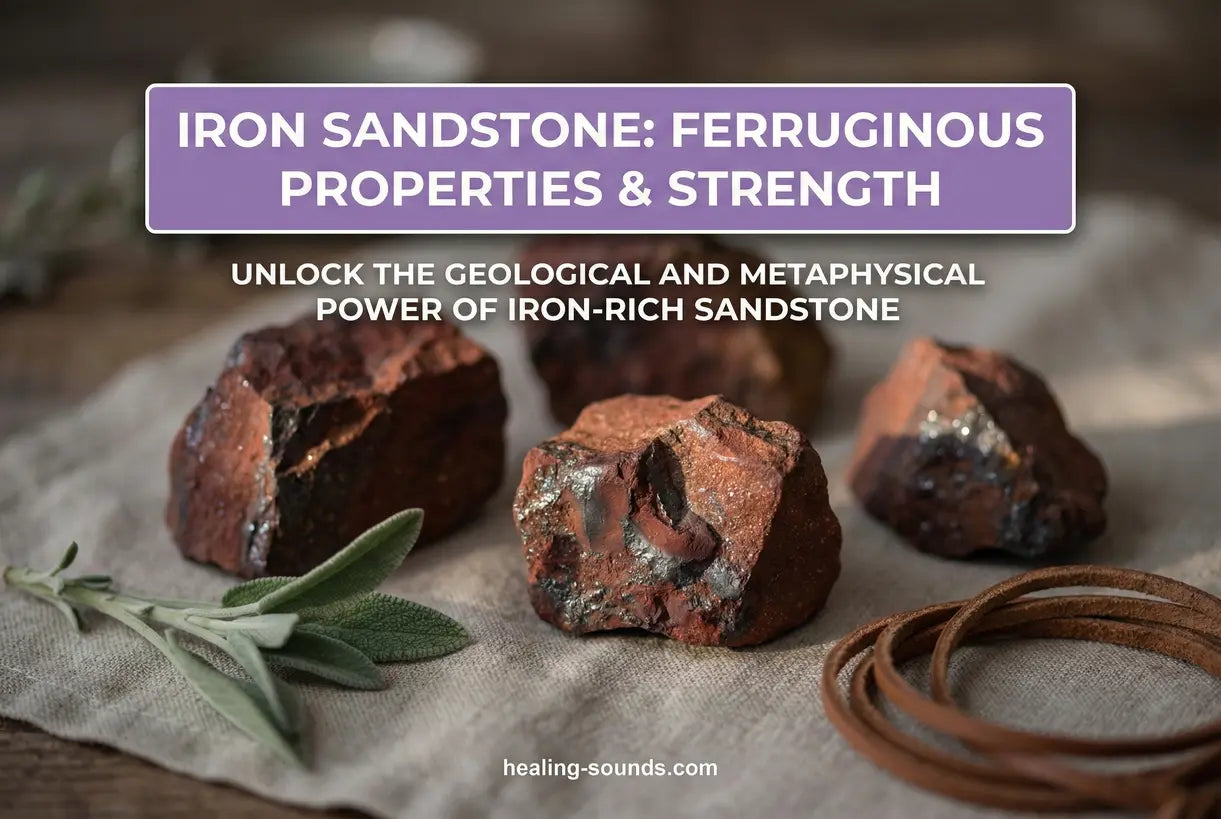
For geology enthusiasts and spiritual seekers alike, few minerals bridge the gap between physical durability and metaphysical grounding quite like iron sandstone. Often recognized by its distinct reddish or rusty hue, this unique sedimentary rock tells a story of ancient formation and enduring strength. Known scientifically as ferruginous sandstone, it is cemented together by iron oxides, giving it not only its vibrant color but also an impressive structural integrity.
Whether you are looking to incorporate natural elements into your home decor or seeking a stone that resonates with stability and resilience, understanding the properties of iron-rich sandstone is essential. From its geological formation to its reputation for enhancing sandstone strength, this guide explores why this material has been valued for centuries. We will delve into how the presence of iron oxide transforms ordinary sand grains into a powerhouse of energy and durability.
What is Ferruginous Sandstone?
At its core, sandstone is a sedimentary rock composed mainly of sand-sized mineral particles or rock fragments. However, when we speak of ferruginous sandstone, we are referring to a specific variety where the grains are cemented together by iron oxide minerals, such as hematite or limonite. This iron content is what defines its character, painting the rock in shades of deep red, brown, and ochre.
- Composition: Sand grains (usually quartz) cemented by iron oxide.
- Color: Ranges from rust-red to chocolate brown due to oxidation.
- Hardness: The iron cement creates a particularly hard and weather-resistant stone.
The term "ferruginous" literally means containing iron or rust. In geology, the presence of iron oxide in sandstone acts as a powerful binding agent. Over millions of years, iron-rich groundwater permeates the sand layers, precipitating out to lock the grains in a tight embrace. This process results in a stone that is significantly harder and more resistant to weathering than sandstones cemented by calcite or clay.

The Unique Strength and Durability of Iron Sandstone
One of the most defining characteristics of this rock is its exceptional sandstone strength. Because iron oxide is a much stronger cementing agent than other common minerals, ferruginous sandstone is frequently used in building and construction where durability is paramount. Historically, it has been used for foundations, grindstones, and heavy-duty masonry because it withstands the elements with stoic resilience.
This physical durability translates metaphorically into the stone's energy. Just as the rock resists erosion, it is believed to impart a sense of unshakeable resolve to those who keep it close. The ferruginous properties ensure that the stone remains solid under pressure, making it a perfect symbol for endurance in challenging times. For a deeper dive into sedimentary rock properties, resources like Geology.com offer extensive scientific data.

Grüner Sandstein Fu Räuchergefäß | Wohlstand Schreibtisch Dekor
$48.90 $69.90
Embrace the grounding and prosperity energy of green sandstone with this elegant incense burner—a unique fusion of beauty and strength.
Explore ProductMetaphysical Properties of Iron-Rich Sandstone
Beyond its geological attributes, sandstone metaphysical properties are deeply revered in crystal healing communities. The high iron content links this stone directly to the Earth's core and the Root Chakra. Iron is the element of blood and vitality, suggesting that this stone can help circulate energy, combat lethargy, and ground the spirit.
Practitioners often use iron sandstone to foster a sense of security and safety. It is thought to be a stone of "solidarity," helping to settle scattered energies and promote a clear, practical mind. By connecting with the ferruginous energy, individuals may find it easier to manifest their goals, turning abstract ideas into concrete reality—much like the sand grains are cemented into solid rock.

Varieties and Decorative Uses
While the classic ferruginous sandstone is red, nature and artistry offer us variations that carry similar themes of strength. You might encounter terms like "Green Sandstone" (often colored by minerals like glauconite) or "Blue Sandstone" (frequently a man-made or treated variation popular in jewelry). Regardless of the specific hue, the underlying symbolism remains tied to the durability with iron and the earth's minerals.
In home decor, iron sandstone serves as an excellent grounding element. Placing raw chunks of ferruginous sandstone in the corners of a room is said to anchor the energy of the space. Alternatively, wearing jewelry crafted from these durable stones allows you to carry that protective shield throughout your day.

Wearable Strength & Protection

Experience the blend of cosmic ambition and iron richness with this stunning blue sandstone and lava rock bracelet for spiritual resilience. Learn more ➔

Unisex Yak Bone Dzi Bead Türkis Schutzarmband
$199.90
$289.90
Connect with ancient strength—the yak bone, blue sandstone, and turquoise create a talismanic bracelet for powerful iron-rich energy and protection. Learn more ➔
Conclusion
From its robust geological formation to its deep spiritual resonance, iron sandstone offers a unique combination of beauty and utility. Its ferruginous nature grants it unparalleled strength, while its earthy vibrations provide a sense of grounding and stability. Whether you are admiring a rugged cliffside or wearing a piece of sandstone jewelry, you are connecting with the enduring power of the Earth itself. By integrating these iron-rich stones into your life, you invite a steadfast energy that supports resilience and prosperity.
Frequently Asked Questions about Iron Sandstone
Iron sandstone is unique because its sand grains are cemented together by iron oxide minerals like hematite. This gives it a distinctive reddish color and exceptional hardness compared to other sandstones.
The iron content acts as a powerful cementing agent, significantly increasing the stone's density and durability. It also provides weather resistance and is responsible for the rock's vibrant red, orange, or brown hues.
Due to its strength, ferruginous sandstone is commonly used in construction for building foundations, walls, and paving. In decor and metaphysics, it is used for grounding objects, sculptures, and protective amulets.
Yes, it is strongly associated with the Root Chakra and grounding energy. It is believed to promote stability, physical strength, and resilience, helping to anchor the user's energy to the earth.
It is found globally in sedimentary basins where iron-rich groundwater has interacted with sand deposits. Famous formations include the red rocks of the American Southwest and various coastal cliffs in the UK and Australia.


