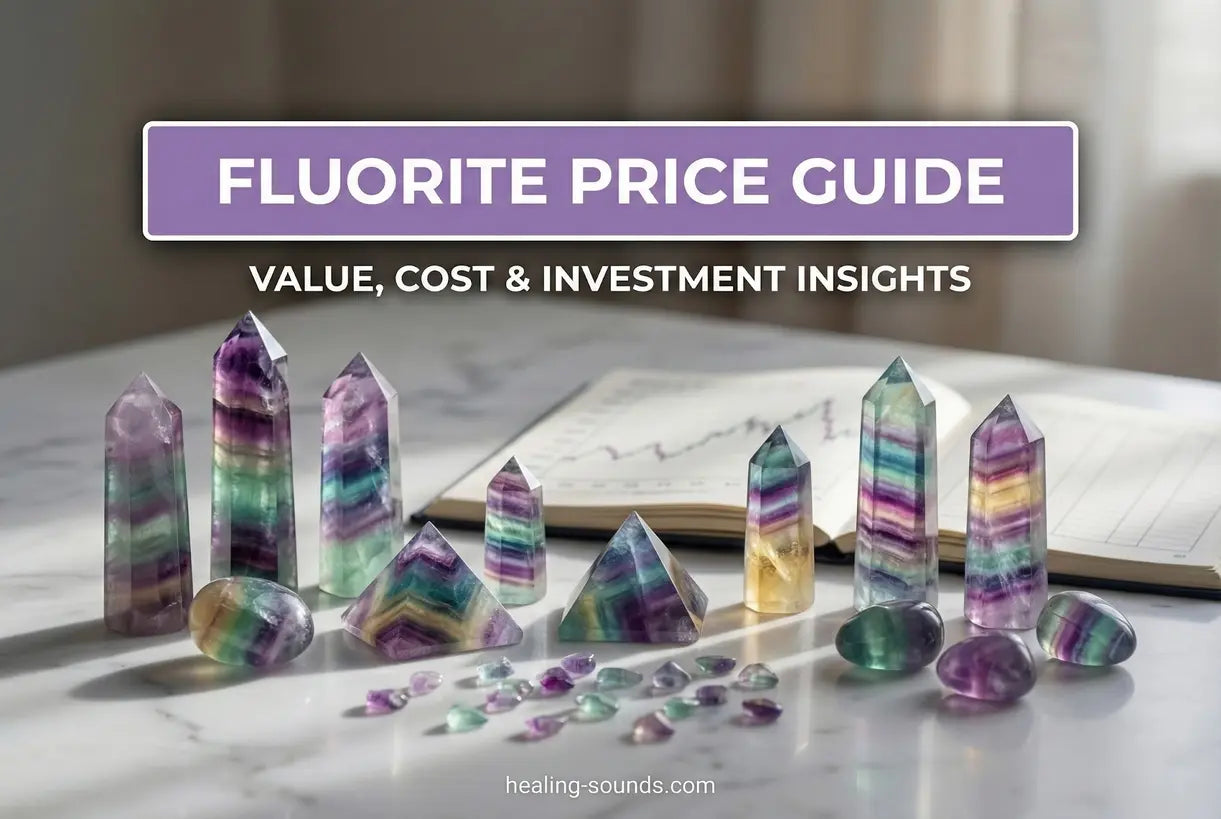
Whether you are a seasoned mineral collector, a jewelry enthusiast, or a holistic investor looking to diversify your portfolio, understanding the nuances of fluorite price is essential. Known as the "most colorful mineral in the world," fluorite captivates with its vibrancy, but its market value varies dramatically based on specific criteria. From industrial "fluorspar" used in manufacturing to museum-quality specimens, determining the true fluorite value requires a keen eye and market knowledge.
In this guide, we will explore the factors that drive fluorite cost, current market trends, and how to identify whether a piece is a worthy investment for your collection. We will break down price metrics, from per-gram evaluations to the premium commanded by rare color variations.
What Factors Affect Fluorite Price?
The price of a fluorite specimen is never arbitrary. It is determined by a combination of physical properties and market rarity. Unlike gold or silver, which have a fixed spot price, fluorite value is subjective to the quality of the individual crystal. The primary drivers include color, clarity, origin, and crystal habit.
- Color: Rare colors like deep blue or color-change varieties command the highest prices.
- Clarity: High transparency without internal fractures increases value significantly.
- Origin: Specimens from famous, closed mines (like the Rogerley Mine in England) are considered investment-grade.
- Condition: Since fluorite is a soft mineral (Mohs hardness of 4), pristine condition is rare and valuable.
Understanding these variables will help you navigate a fluorite price chart effectively. For instance, a common green tumble stone might cost a few dollars, whereas a perfectly formed cubic crystal cluster could fetch thousands.

Color Zoning and Rarity
Color is arguably the most significant factor. While purple and green are abundant, blue fluorite price is typically higher due to its scarcity. Exceptional specimens exhibiting distinct "phantom" layers or strong color zoning are highly prized by collectors. The more distinct and vibrant the bands of color, the higher the fluorite investment potential.
Fluorite Price Guide: Specimen vs. Jewelry
When analyzing the market, it is crucial to distinguish between raw specimens and finished jewelry. Raw crystals are valued for their natural geometry, while jewelry requires stable, high-clarity material that can withstand cutting. This processing adds to the fluorite cost.

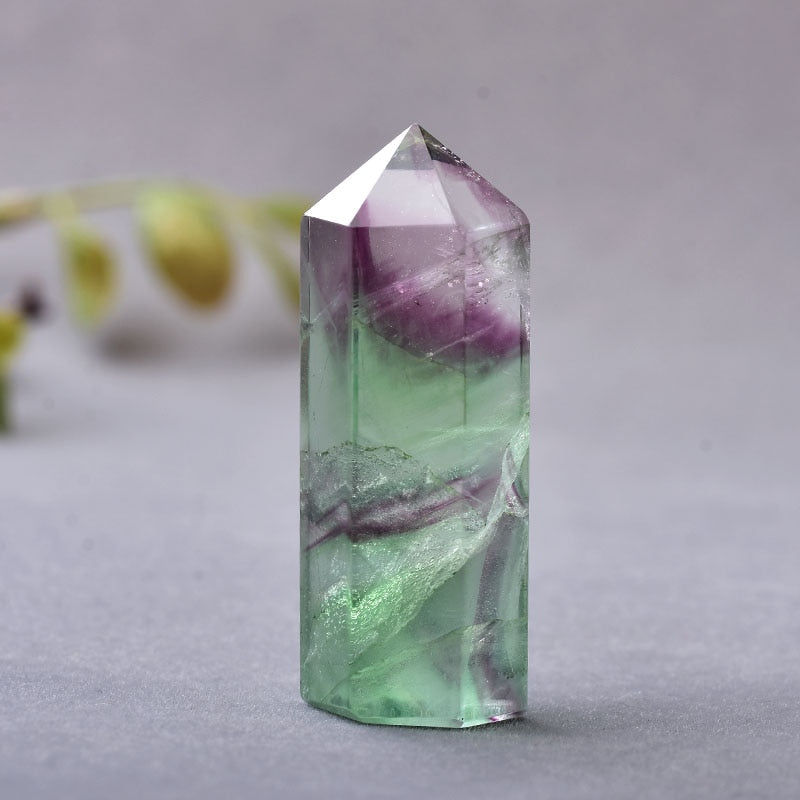
Fluorit-Kristallturm für Gleichgewicht und Klarheit
$39.99 $49.99
Discover how fluorite towers offer value as collectible crystals—perfect for mindful collectors and investors alike.
Explore ProductPrice Metrics: Grams, Carats, and Tons
You will often see different units of measurement depending on the context. High-quality faceting rough or cut gemstones are often sold based on fluorite price per carat. Larger decorative pieces, like towers or spheres, are usually priced by weight (fluorite price per kg) or by the individual piece's aesthetic appeal.
For detailed scientific data on fluorite's physical properties and localities which influence these metrics, reputable sources like Mindat.org provide extensive mineralogical databases useful for serious collectors.
Industrial Fluorspar vs. Collector Grade
A common point of confusion arises from the industrial market. If you search for "what is the price of fluorite per ton," you are likely looking at data for "fluorspar"—the industrial grade of fluorite used in steelmaking and hydrofluoric acid production. This material is sold in bulk and has a significantly lower value per unit compared to gemstone-quality specimens.
Investors should note that the price of fluorspar fluctuates based on global industrial demand and mining output, which is quite different from the collector's market where aesthetic beauty and rarity drive the fluorite price.
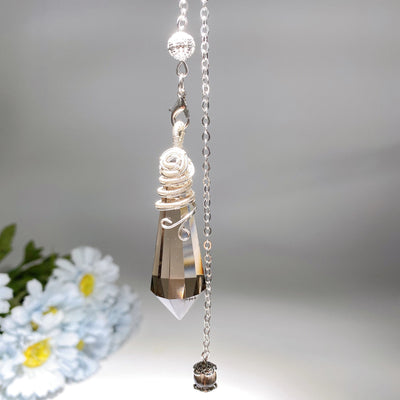
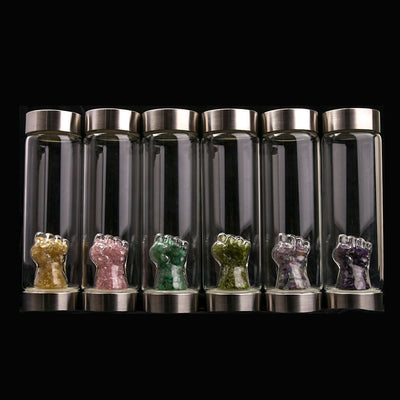

Is Fluorite a Good Investment?
With the rising interest in crystals as alternative assets, many ask, "Is fluorite worth it?" as an investment. The short answer is yes, provided you focus on quality. High-end mineral specimens have historically appreciated in value, especially those from localities that have ceased production.
To maximize fluorite investment potential, look for pieces with excellent provenance (history of ownership) and damage-free crystals. Diversifying your collection with different forms—such as wearable investments or ritual objects—can also be a smart strategy.
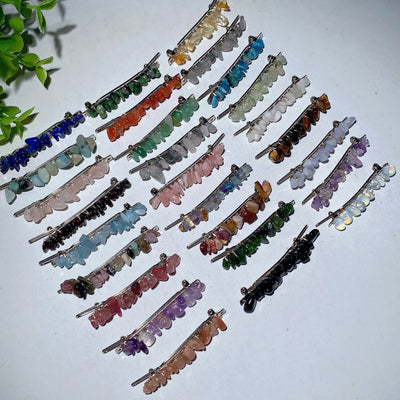
Invest in Fluorite Beauty

Invest in gemstone jewelry with this delicate fluorite bracelet—wearable beauty and value in one affordable package. Learn more ➔

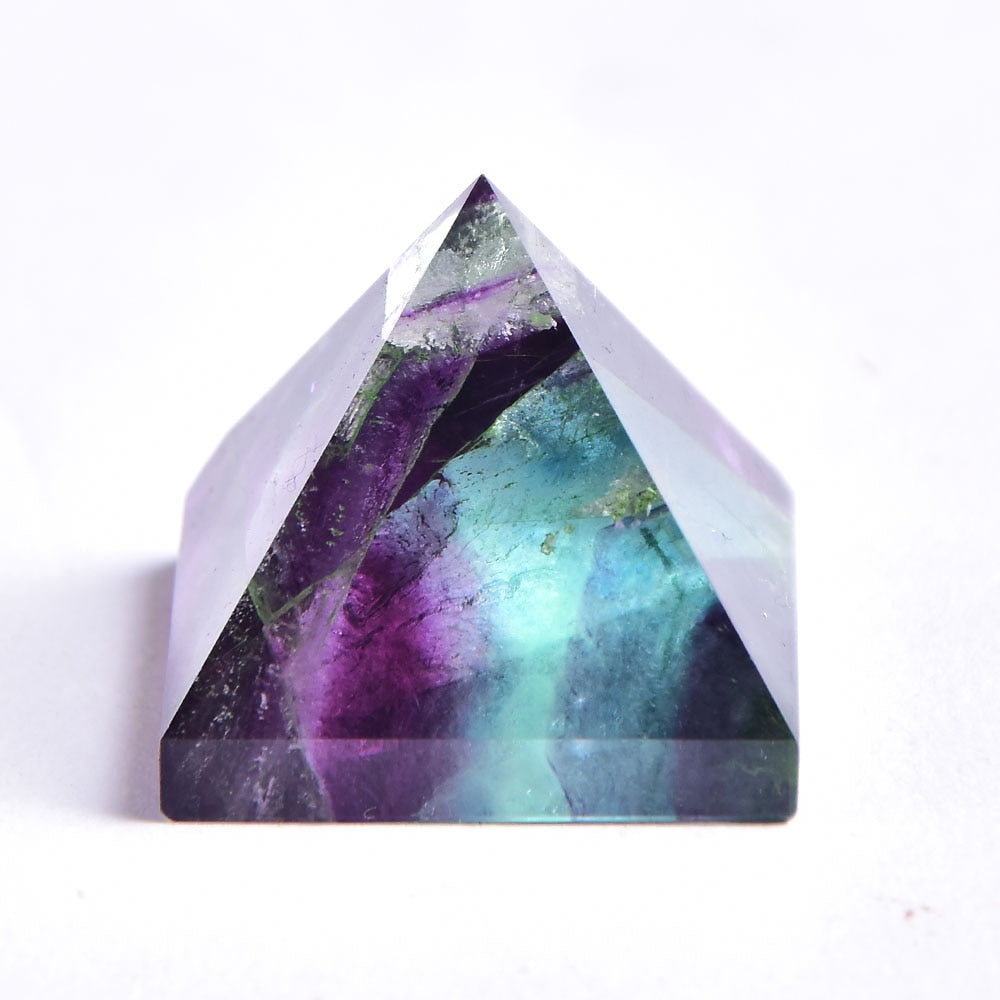
Miniatur-Fluorit-Reinigungspyramide zur Meditation
$39.99
$49.99
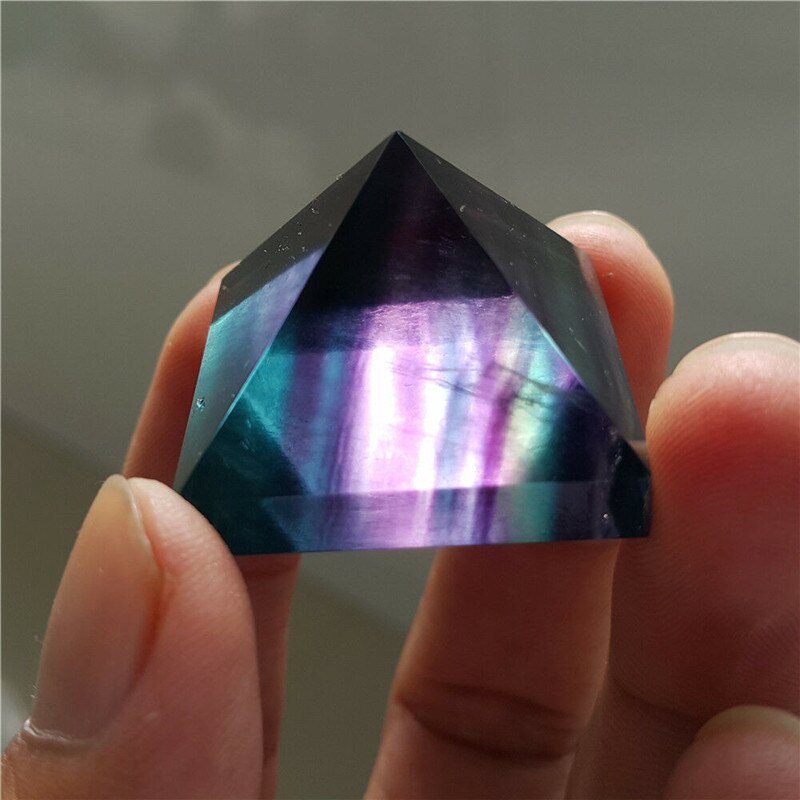
Own a distinctive fluorite pyramid, ideal for gifting, collecting, or diversifying your fluorite investment portfolio. Learn more ➔
Assessing Quality: A Buyer's Checklist
Whether you are buying online or at a gem show, evaluating quality is critical to ensuring you pay a fair fluorite price. Because fluorite is prone to cleavage and scratching, inspect the surface carefully. Minor "flea bites" (tiny chips) are common but significant damage should lower the price.
Check for color saturation. Is the color natural or enhanced? Some fluorite is irradiated to enhance color, which can affect its long-term stability and value. Natural, untreated stones always command a higher fluorite value.

Strategic Buying for the Future
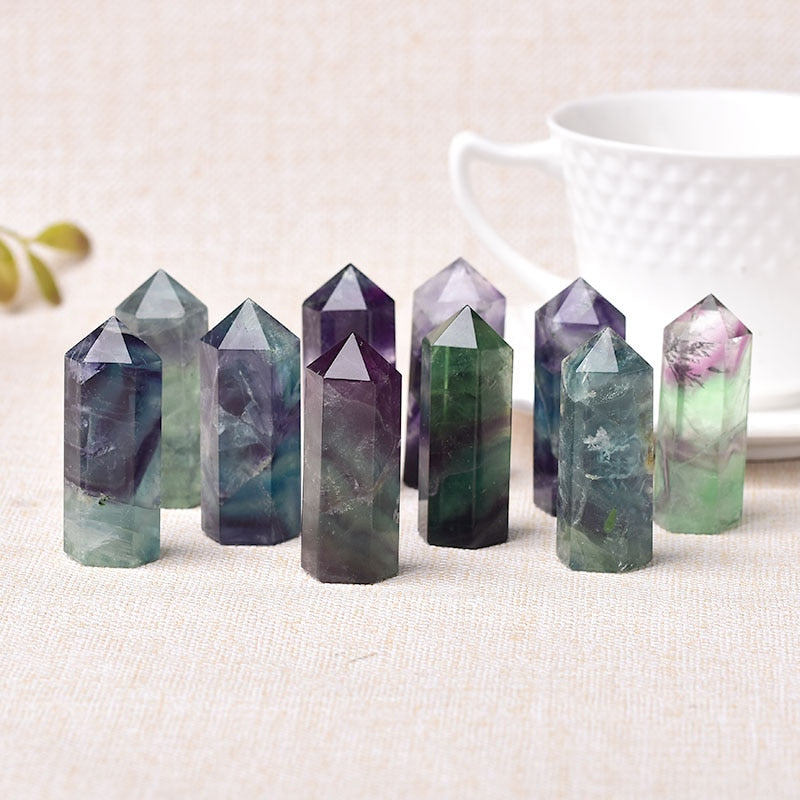
To build a valuable collection, consider focusing on diversity. A mix of raw mineral specimens, polished towers, and gemstone jewelry can provide a balanced exposure to the fluorite market. Keep an eye on emerging localities; when a new pocket is discovered, prices may be lower initially and rise as supply dwindles.
Organizations like the Gemological Institute of America (GIA) offer resources that can help you deepen your understanding of gem quality and market standards.

Conclusion
Determining the right fluorite price involves more than just weighing a stone. It requires an appreciation for color, clarity, origin, and craftsmanship. Whether you are buying industrial fluorspar by the ton or a single, exquisite blue fluorite crystal, knowledge is your best asset. By focusing on quality and understanding market trends, you can ensure that your fluorite acquisitions bring both aesthetic joy and potential financial return.
Frequently Asked Questions about Fluorite Price & Value
Fluorite value varies widely. Common polished pieces may cost $10–$50, while rare, high-quality collector specimens from famous mines can range from hundreds to thousands of dollars depending on size, color, and condition.
The price of industrial fluorite (acid-grade fluorspar) typically fluctuates between $300 and $600 per metric ton, depending on global supply chain factors and purity levels, though this is for bulk raw material, not gemstone specimens.
Similar to fluorite per ton, a ton of metallurgical or acid-grade fluorspar generally trades in the range of several hundred dollars ($300–$600+), subject to market conditions in the chemical and steel industries.
Yes, for collectors and investors, high-quality fluorite is worth it due to its aesthetic beauty and potential for appreciation, particularly for specimens from closed locations or those exhibiting rare colors like deep blue.
The primary factors affecting fluorite price are color (rarity and saturation), clarity (transparency), crystal habit (well-formed cubes or octahedrons), size, lack of damage, and the prestige of the mine of origin.