Garnet is one of the most versatile and historically significant gemstones in the world, admired not only for its deep, passionate hues but also for its accessible entry point into the world of fine jewelry. Whether you are a holistic wellness seeker drawn to its grounding energies or a jewelry enthusiast looking for the perfect red stone, understanding the garnet stone price is essential to making a wise investment. While often more affordable than rubies, the value of a garnet can vary significantly depending on its variety, color, and clarity.
Navigating the market can be tricky. You might wonder why one garnet crystal cost is just a few dollars while another commands thousands. This guide clarifies the factors behind natural garnet value, offering transparent insights into what you should expect to pay. We will explore the nuances of pricing per carat, how to distinguish real stones from imitations, and where to find high-quality pieces that align with both your budget and your spiritual needs.
What Determines Garnet Stone Price?
Unlike diamonds which have a rigid pricing structure, the garnet stone price is fluid and influenced by several key characteristics. While commonly known as a red gemstone, garnets come in a rainbow of colors, and this diversity is the primary driver of value. To accurately assess the garnet price per carat, one must look at the "4 Cs" specifically applied to this gem family.
1. Color and Rarity
Color is the most critical factor. The classic dark red varieties, such as Almandine and Pyrope, are generally abundant and affordable. However, rare vivid green garnets like Tsavorite or Demantoid are highly prized and can rival emeralds in cost. A rich, saturated color without being too dark typically commands a higher red garnet price.
2. Clarity and Inclusions
Most red garnets are expected to be relatively "eye-clean," meaning they shouldn't have visible inclusions to the naked eye. However, some orange (Spessartine) and green varieties naturally contain inclusions. In holistic communities, some internal "imperfections" are valued as proofs of natural formation, but for strict gemological valuation, higher clarity equals higher value.
3. Carat Weight
The price of garnet does not always increase linearly with size. For common red garnets, larger stones are readily available, so the price per carat remains stable as the size increases. In contrast, for rare garnets like Tsavorite, finding a stone over one carat is difficult, causing the 1 carat garnet price for these varieties to jump exponentially.
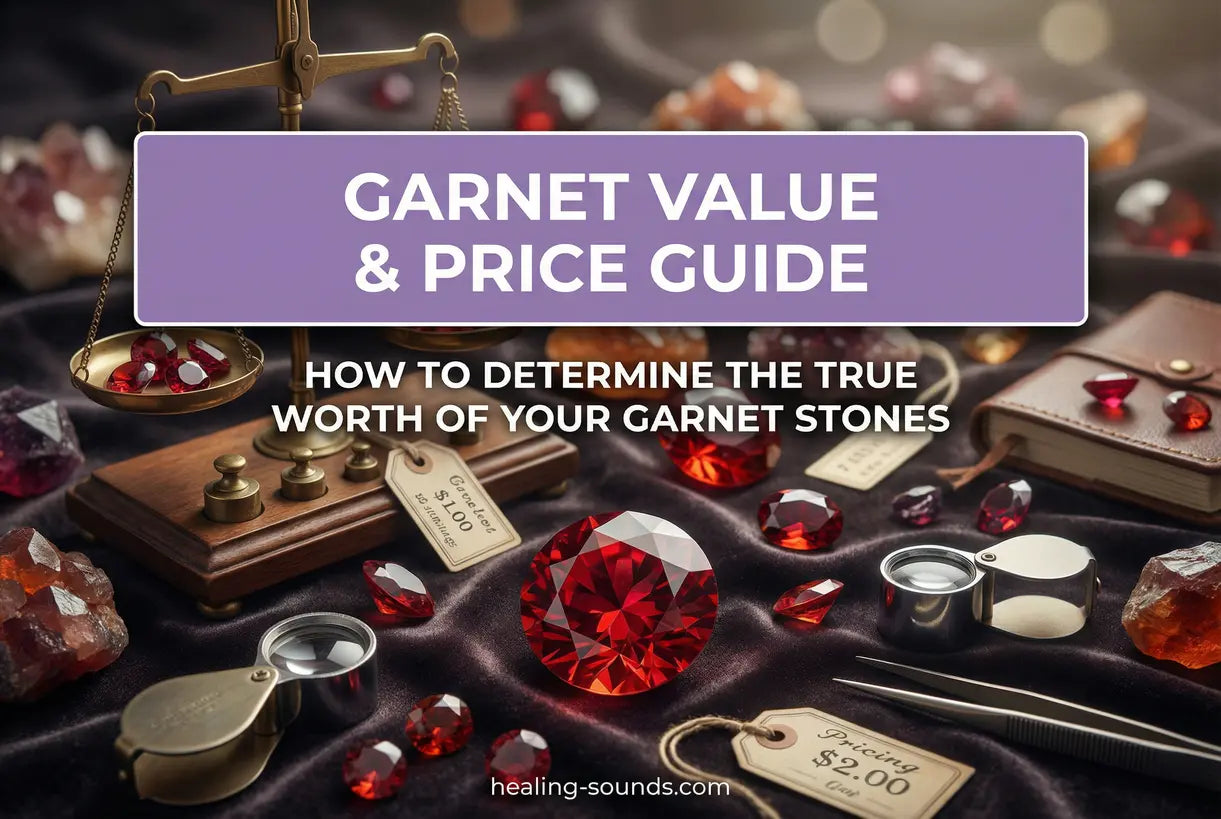
To help you visualize the factors influencing value, we have included a helpful guide below.

Breakdown of Garnet Types and Market Costs
Understanding the specific type of garnet you are looking at is crucial for determining fair pricing. Here is a general look at how different varieties stack up in the market.
Red Garnet Price (Almandine & Pyrope)
These are the stones most people picture when they hear "garnet." They are widely mined and serve as the standard January birthstone.
- Affordability: These are very budget-friendly.
- Price Range: Commercial quality can range from $10 to $40 per carat. Fine quality cuts may reach $50 to $100 per carat.
- Usage: Excellent for everyday jewelry and metaphysical healing tools.

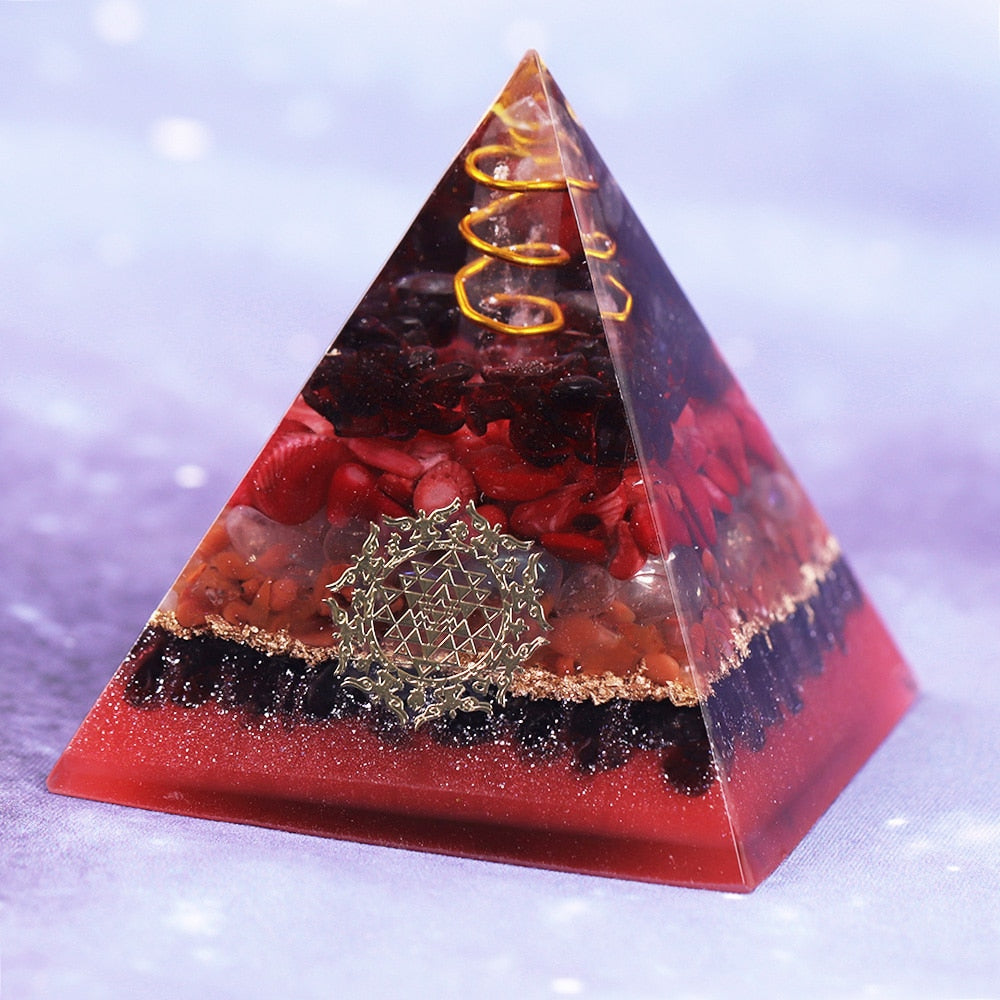
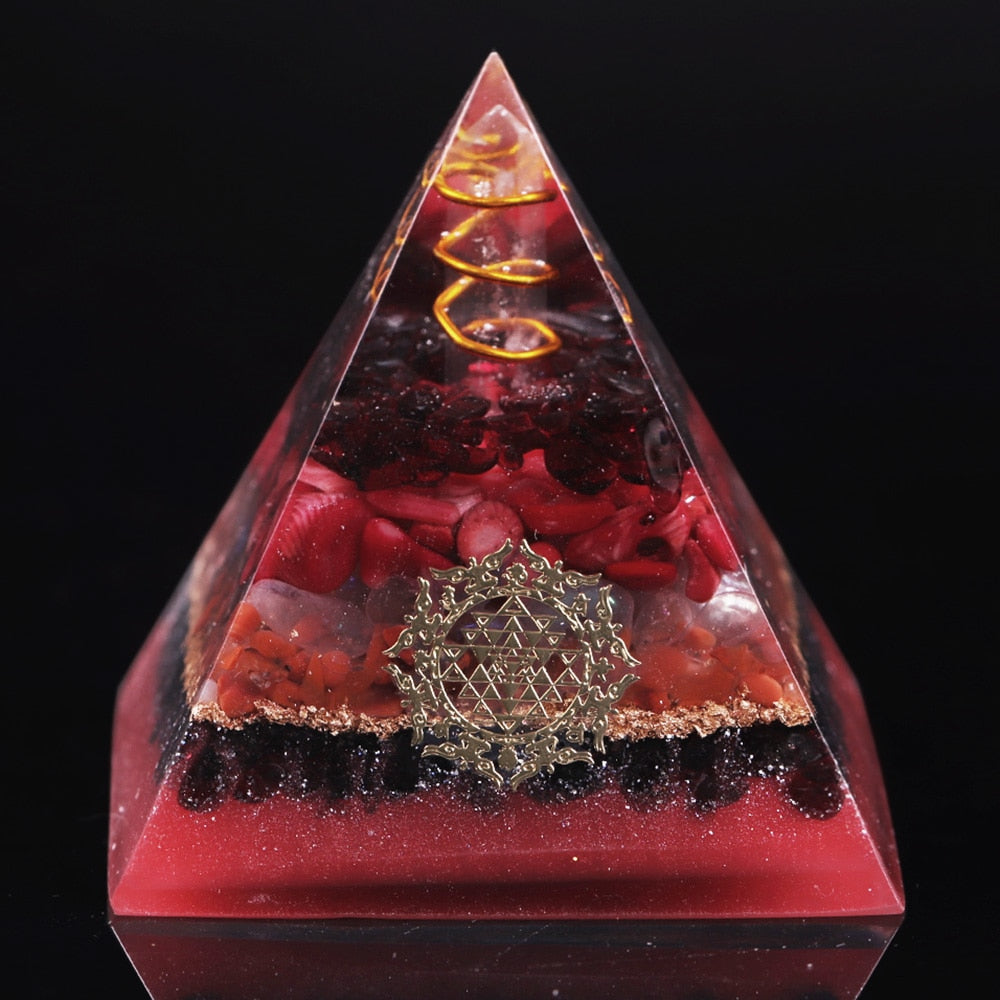
Unendliche Schöpfung Granat Orgonit Pyramide
$49.99 $59.99
Elevate your crystal collection with this beautiful garnet orgonite pyramid, highlighting premium garnet stone value for mindful spaces.
Explore ProductRare Varieties (Tsavorite, Demantoid, Spessartine)
If you are looking for investment-grade gems, these are the categories to watch.
- Green Garnet Stone Price: Tsavorite is highly sought after. Prices often start around $500 per carat for decent quality and can soar to over $2,500 per carat for top-tier stones.
- Spessartine (Mandarin): Known for its bright orange hue. Prices can range from $100 to over $1,000 per carat depending on size and vividness.
Real vs. Fake: Identifying High-Value Garnet
With the rise of synthetic materials, knowing how to know if garnet is real is a common concern for buyers. A genuine garnet typically exhibits high hardness (6.5 to 7.5 on the Mohs scale) and often contains unique natural inclusions. Unlike glass imitations, real garnet will not have air bubbles inside.
When assessing garnet stone price vs ruby, remember that while they look similar, rubies are generally harder and more expensive. A helpful test is to look at the refractive quality; garnets are singly refractive, meaning they don't split light into two rays like some other gems, but they do offer immense brilliance.
For those purchasing expensive stones, a certificate from a reputable lab is recommended. However, for affordable jewelry and holistic crystals, a visual inspection with a loupe is often sufficient to identify natural characteristics.

Smart Buying Tips for Every Budget
Whether you are buying a raw crystal for meditation or a faceted stone for a ring, the goal is to get the best quality for your budget. Here are practical tips to ensure you pay a fair garnet crystal cost.
- Define Your Purpose: If you need a stone for energy work, clarity might be less important than size and natural vibration. For jewelry, prioritize cut and sparkle.
- Check the Cut: A poor cut can make a valuable stone look dark and lifeless. A good cut maximizes light return and justifies a higher price.
- Ask About Treatments: Garnets are rarely treated, which is a huge plus. Unlike sapphires or emeralds that are often oiled or heated, the garnet you buy is almost always 100% natural.
For reliable pricing data, resources like the International Gem Society provide excellent benchmarks. Being informed prevents overpaying and ensures you receive a genuine product.

Featured Garnet Jewelry

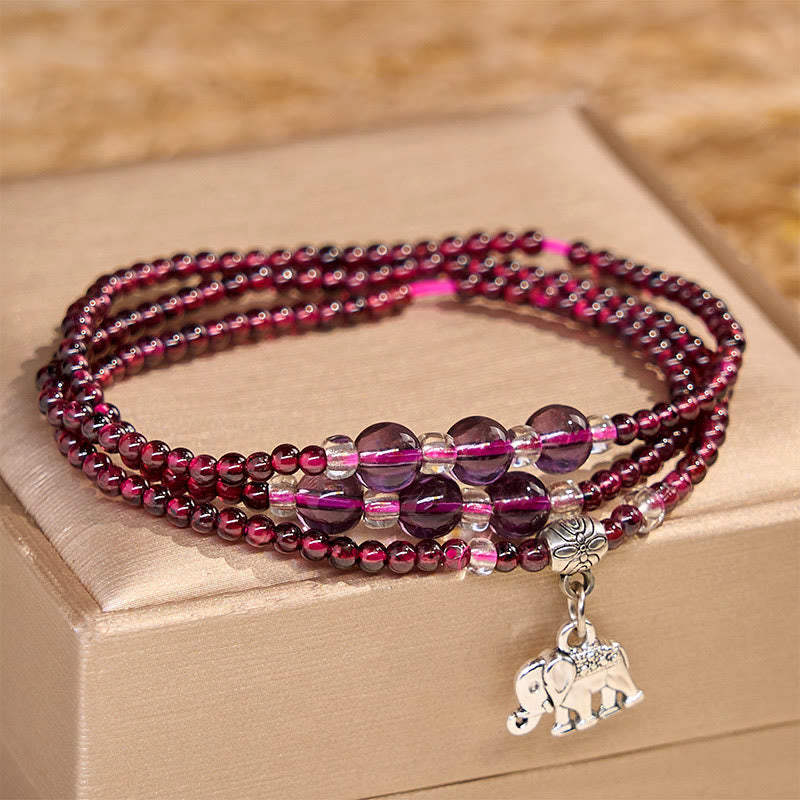
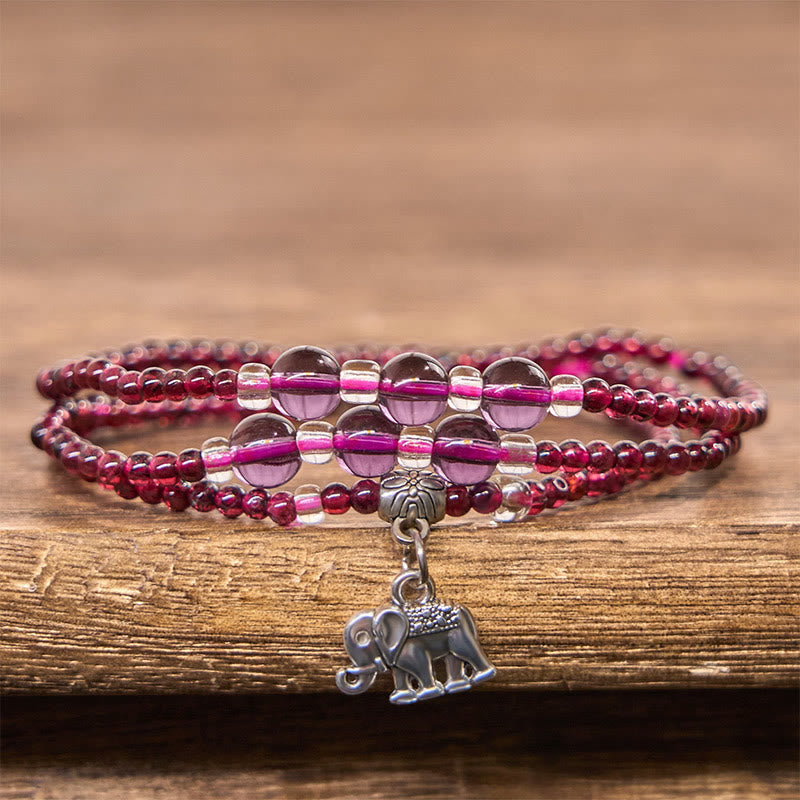
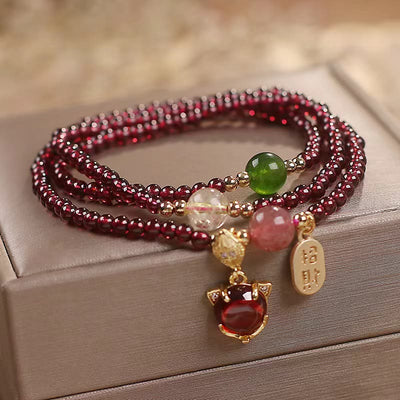
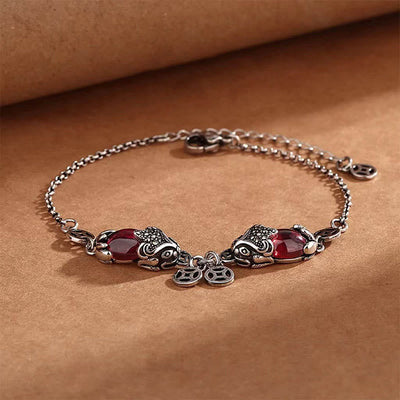
3 mm Granatarmband mit Elefanten-Abakus-PiXiu-Anhänger
$24.90
$35.90
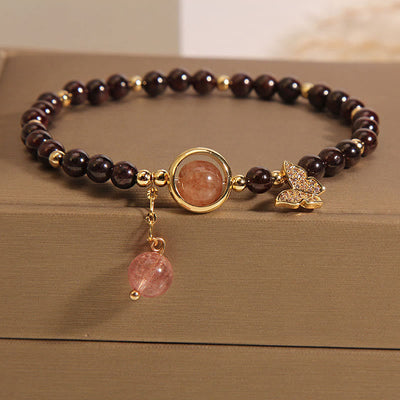
Symbolize your appreciation for garnet value with this energizing triple-wrap garnet bracelet featuring meaningful charms and real stones. Learn more ➔

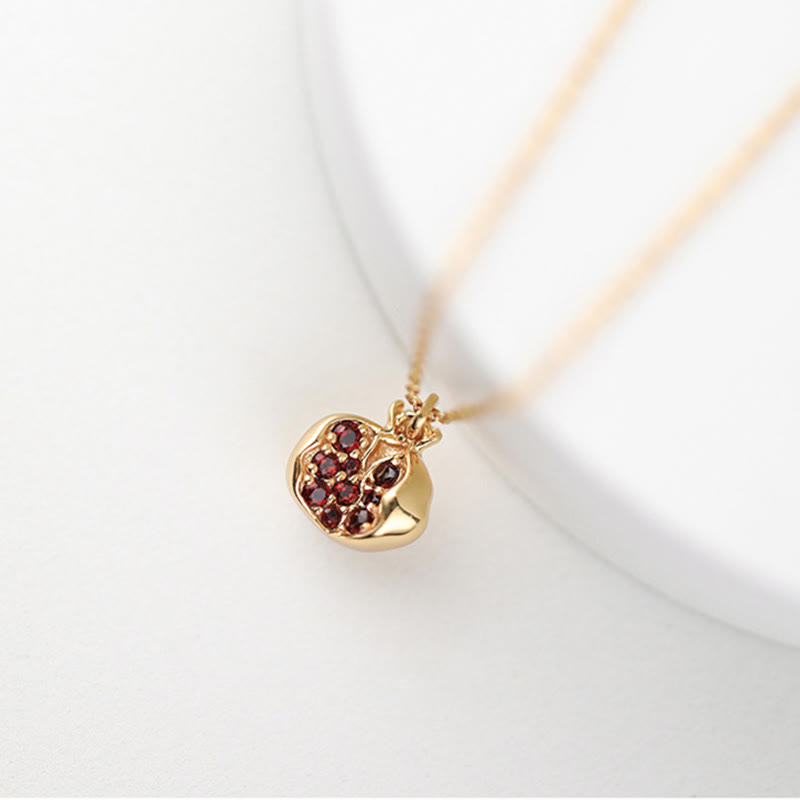
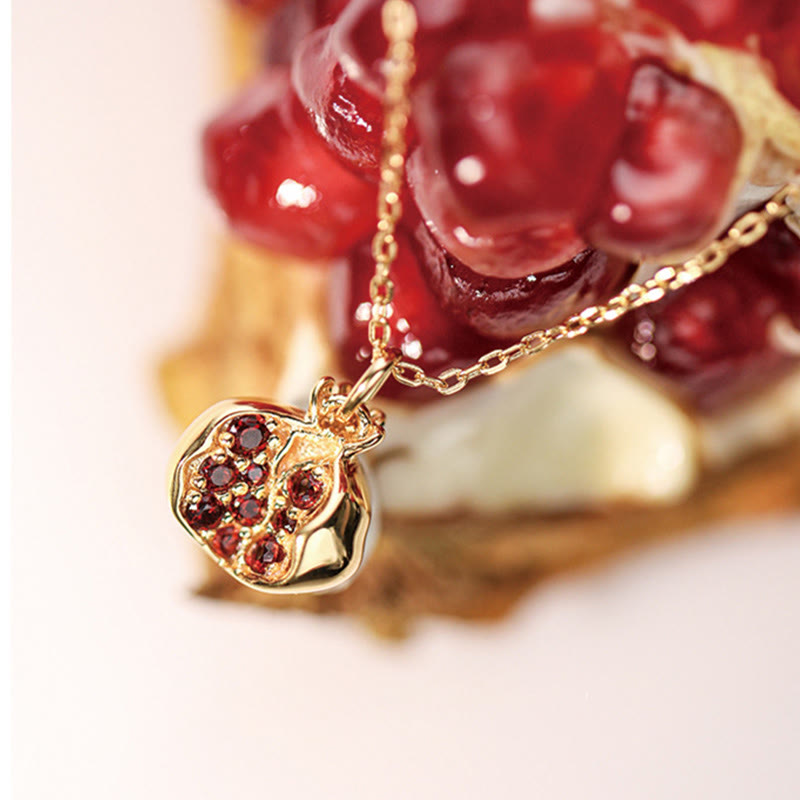
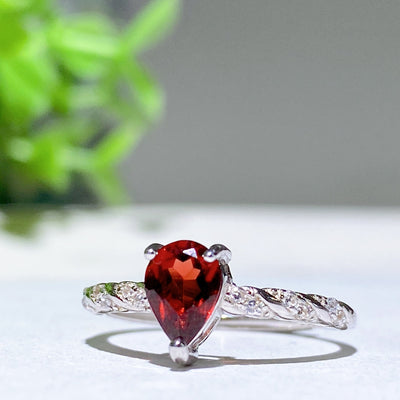
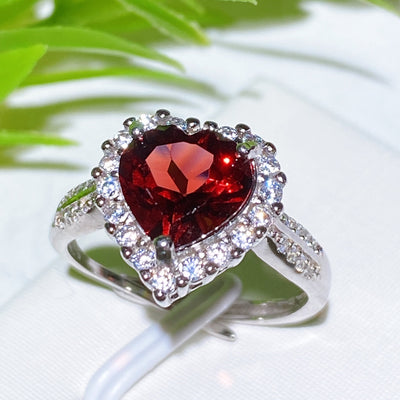
Own a radiant garnet stone pendant crafted in 18k gold-plated silver—demonstrating timeless value and a classic gemstone investment. Learn more ➔
Conclusion
Understanding the garnet stone price empowers you to choose pieces that truly resonate with you, whether for their investment potential or their grounding properties. From affordable red varieties to exquisite green gems, there is a garnet for every budget. By focusing on color, clarity, and authentic sourcing, you ensure that your purchase holds both financial and energetic value.
Frequently Asked Questions about Garnet Prices
The worth of a garnet varies widely. Common red garnets can cost between $10 and $50 per carat. However, rare varieties like Demantoid or Tsavorite can range from $500 to over $3,000 per carat depending on quality.
Traditionally, garnet is classified as a semi-precious stone. However, certain rare types like high-quality Tsavorite are rarer and more valuable than some precious stones like emeralds or sapphires.
Real garnets are hard (6.5-7.5 Mohs) and often show natural inclusions. They are singly refractive. If you see bubbles inside the stone, it is likely glass. Professional testing is recommended for expensive pieces.
Garnet is generally very affordable compared to other red gems like rubies. You can find beautiful jewelry starting at under $50, though collector-grade stones are significantly more costly.
The main factors are color (vividness and saturation), type (species of garnet), clarity (lack of visible inclusions), and carat weight. Origin can also play a role for collectors.