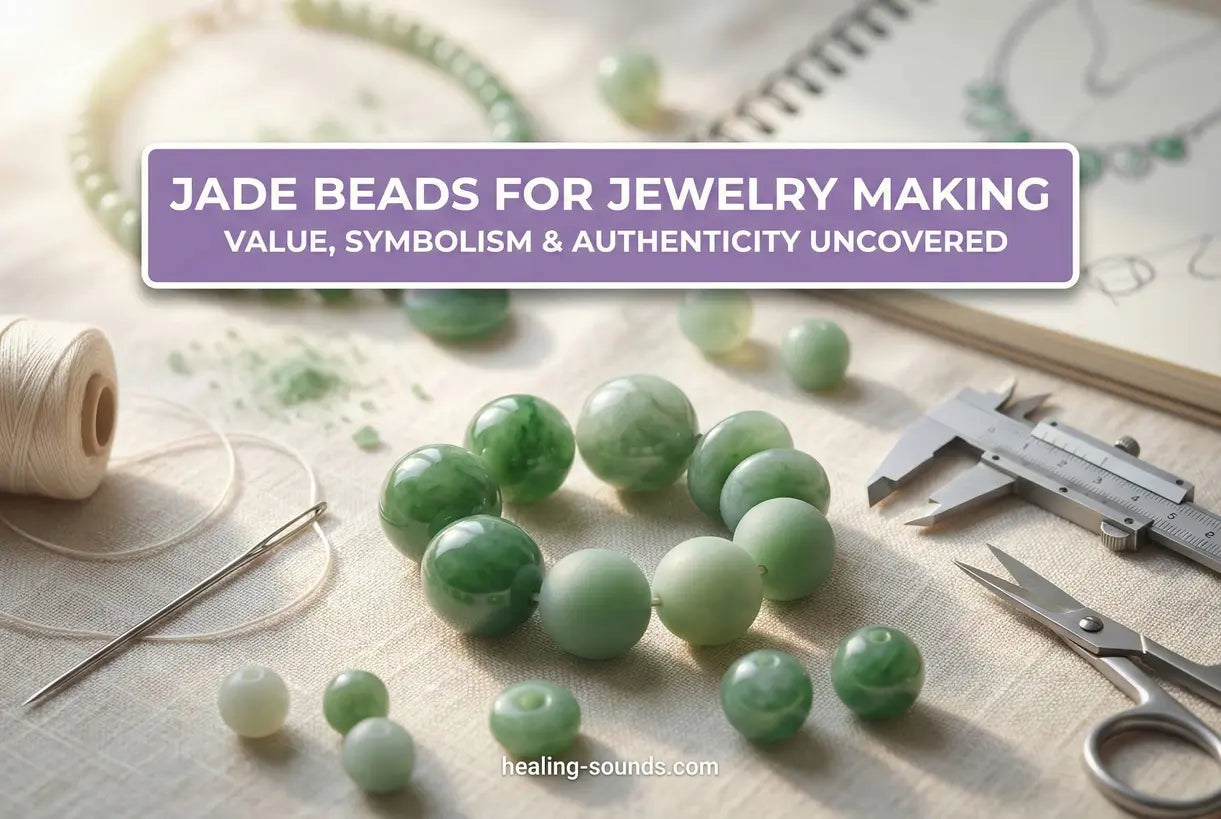
For the spiritually-curious crafter, few materials resonate as deeply as jade beads. Holding a strand of authentic jade is not just about appreciating a gemstone; it is about connecting with thousands of years of history, protection, and prosperity. Whether you are designing a jade beads necklace for a loved one or sourcing materials for your own healing jewelry line, understanding the nuances of this "Stone of Heaven" is essential.
Creating jewelry with jade requires more than just an eye for design. It demands the ability to distinguish real jade beads from the myriad of imitations flooding the market, as well as an appreciation for the stone's profound jade beads meaning. In this guide, we will explore how to identify authentic stones, understand their value, and use them to create pieces that radiate positive energy and timeless beauty.
The Spiritual Significance of Jade Beads
Across cultures, jade has been revered as a powerful talisman. In Chinese tradition, it is believed that jade protects the wearer from harm and brings good fortune. When you incorporate jade beads jewelry into your designs, you are weaving these intentions into every knot and loop.
Jade beads symbolize purity, wisdom, and tranquility. For the wearer, they serve as a grounding force, helping to balance nerves and soothe the heart rhythm. Green jade, specifically, is often associated with the heart chakra and abundance, making it a popular choice for manifestation bracelets and necklaces intended to attract prosperity.
- Protection: Traditionally worn to ward off negative energy.
- Prosperity: Associated with wealth and financial success.
- Harmony: Promotes balance in relationships and inner peace.
Understanding these metaphysical properties allows you to market your creations more effectively to customers seeking meaningful jewelry, or simply to infuse your personal projects with deeper intention.

Real vs. Fake: How to Identify Authentic Jade Beads
One of the biggest challenges for jewelry makers is sourcing natural jade beads. The market is saturated with treated stones, dyed quartz, and glass imitations sold as "jade." Knowing how to tell the difference ensures the integrity of your work and the energetic value of the jewelry.
The Touch Test
Authentic jade has a distinct physical property: it feels cold to the touch. When you first pick up a strand of real jade beads, they should feel cool against your skin and take a moment to warm up. Imitations like plastic or resin will feel warm or reach body temperature almost instantly.
The Scratch Test
Jade is a tough, durable stone. While we don't recommend scratching your high-end beads intentionally, it's worth noting that real jade (especially Jadeite) is harder than ordinary steel. If you can easily scratch the bead with a metal needle or knife, it is likely a softer stone like serpentine or a synthetic imitation.
The Sound Test
When two real jade beads are gently tapped together, they produce a high-pitched, resonant, chime-like sound. Plastic or glass beads will produce a dull "clack." This auditory quality is why jade was historically used in musical chimes.
For a definitive analysis, professional gemological testing is recommended, especially for high-value items. You can learn more about gem identification from reputable sources like the Gemological Institute of America (GIA).

6 mm Jade-Armband mit Peace-Schnalle für Wohlstand und Überfluss
$24.90 $35.90
Showcase the timeless beauty and symbolism of real jade beads with this traditional prosperity bracelet—perfect for your next jewelry project.
Explore ProductTypes of Jade for Jewelry Making
When browsing for wholesale jade beads or selecting strands for a project, you will typically encounter two distinct minerals legally classified as jade: Nephrite and Jadeite.
Nephrite Jade
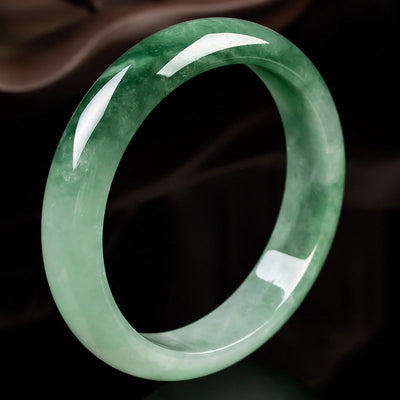
Nephrite is the traditional jade of ancient China. It is generally more common and affordable than Jadeite. It has a resinous luster and often comes in shades of creamy white (mutton fat jade), spinach green, and black. Nephrite is incredibly tough, making it excellent for carved beads and durable daily-wear jewelry.
Jadeite Jade
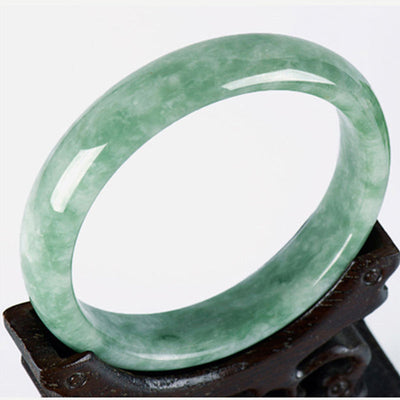
Jadeite is often rarer and more valuable. It is known for its vitreous (glass-like) luster and vibrant colors, including the highly prized "Imperial Green," as well as lavender, red, and yellow. For high-end jade beads jewelry, Jadeite is often the stone of choice due to its translucency and vivid coloration.



Techniques for Designing with Jade Beads
Once you have sourced your jade beads for sale or personal use, the fun begins. Jade is a versatile material that pairs beautifully with various metals and other gemstones. However, because jade beads can be heavy (due to their density), choosing the right stringing material is crucial.
Stringing Materials
- Silk Cord: The traditional choice for knotting jade. Silk drapes beautifully and protects the beads from rubbing against each other.
- High-Quality Elastic: For stretch bracelets, use a thick, durable elastic silicon cord. Ensure the drill holes of your beads are smooth to prevent snapping.
- Tiger Tail Wire: Ideal for a structured jade beads necklace that holds a specific shape.
Knotting Techniques
For valuable jade beads, knotting between each bead is highly recommended. This prevents the beads from scattering if the strand breaks and prevents friction damage. The video below demonstrates a traditional technique for creating a secure and beautiful jade bracelet using a Surgeon's Knot.
Value and Care for Jade Jewelry
The question "How much is a jade bead worth?" is complex. Value depends heavily on the "ABCs" of jade treatment.
- Type A: Natural, untreated jade. Only polished and waxed. Highest value and energetic potency.
- Type B: Chemically bleached and impregnated with polymer resin to improve clarity. Lower value and durability.
- Type C: Dyed to enhance color. Lowest value and color may fade over time.
As a creator, being transparent about the type of jade you use builds trust. To care for authentic jade, simply clean it with a soft cloth and warm soapy water. Avoid ultrasonic cleaners and harsh chemicals, which can damage the surface polish or affect treated stones.

Inspiration for Your Next Project
Need ideas? Look at finished high-quality jewelry to understand how different cuts and colors of jade can be utilized. Combining green jade with red agate is a classic auspicious combination, while pairing white jade with pearls creates a soft, feminine look. Below are some examples of exquisite craftsmanship that can inspire your own jade beads meaning-focused designs.
Inspiration for Your Designs

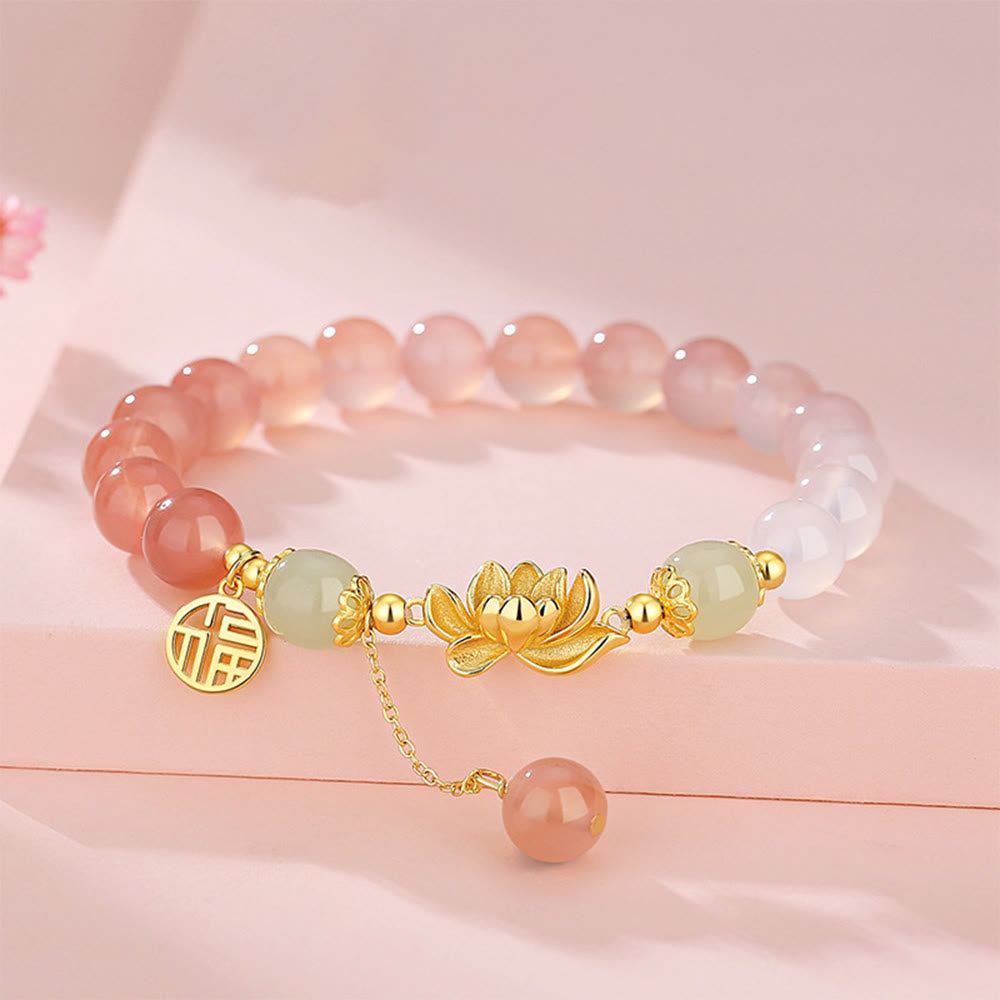
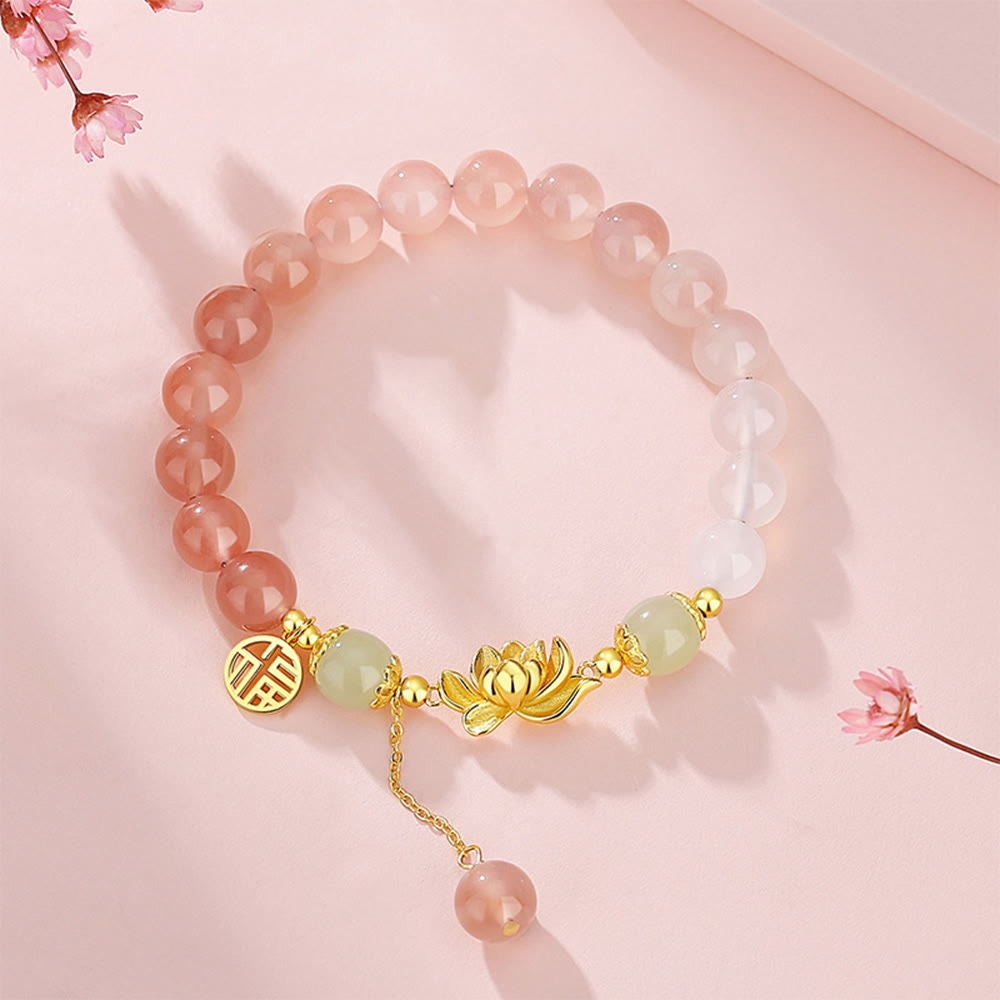
Inspire your handmade collections with this elegant Hetian jade and agate bracelet, combining authentic materials and auspicious symbolism. Learn more ➔

Discover bead versatility with this unique jade, agate, and pearl elastic ring—ideal as an inspirational model for creative jewelry ideas. Learn more ➔
Conclusion
Working with jade beads allows you to create pieces that are visually stunning and spiritually grounding. By learning to identify authentic stones and understanding their cultural value, you elevate your craft from simple assembly to meaningful artistry. Whether you are knotting a mala for meditation or stringing a chic bracelet for a client, let the cool touch and deep history of jade inspire your creativity.
Frequently Asked Questions about Jade Beads
Jade beads symbolize purity, protection, and harmony. In many cultures, they are believed to attract good luck, prosperity, and abundance while shielding the wearer from negative energy and fostering emotional balance.
The value of a jade bead varies immensely depending on its quality. Common Nephrite or lower-grade Jadeite beads can cost a few dollars per strand, while high-quality, translucent "Imperial Green" Jadeite beads can be worth thousands of dollars each.
Real jade beads are typically cold to the touch, very hard (resistant to scratching by steel), and produce a chime-like sound when tapped together. Fake jade often feels warm, contains air bubbles, or scratches easily.
There are very few restrictions on wearing jade, as it is considered a gentle, balancing stone. However, in some superstitious beliefs, it is said that if a jade piece breaks, it has taken a "hit" for you, and that specific broken piece should not be worn again.
The two main types are Nephrite (tougher, often green, white, or black, with a waxy luster) and Jadeite (rarer, harder, with a glass-like luster and wider color range including lavender and emerald green). Both are excellent for jewelry making.