The kyanite gemstone is a marvel of nature, captivating collectors and jewelry lovers alike with its striking blue hues and unique physical properties. For women seeking a stone that balances aesthetic beauty with profound meaning, kyanite offers a sophisticated choice. Whether you are drawn to its sapphire-like luster or its reputation for tranquility, understanding the nuances of gem quality kyanite is essential before making a purchase. This guide explores the true worth of this crystal, how to identify superior quality, and the best ways to care for your delicate kyanite jewelry.
From its distinct crystal structure to its varied color palette, kyanite is more than just a pretty stone; it is a fascinating mineral with a rich history. As you explore the world of natural kyanite gems, you will discover that value is determined by clarity, color intensity, and cut. Whether you are a seasoned collector or looking for your first piece, this article will equip you with the knowledge to select the perfect stone that aligns with your style and spirit.
What is Kyanite? An Overview of the Stone
Kyanite is an aluminum silicate mineral, commonly found in metamorphic rocks. Its name derives from the Greek word "kyanos," meaning blue, which perfectly describes its most famous color. However, kyanite crystal can also appear in shades of green, black, orange, and even colorless forms. What makes kyanite truly unique is its anisotropic nature, meaning its hardness varies depending on the direction of the crystal structure. This property makes it challenging to cut but results in spectacular jewelry pieces when handled by skilled lapidaries.
Key Characteristics of Kyanite
- Hardness: 4.5 to 5 along the crystal length, and 6.5 to 7 across the width (Mohs scale).
- Luster: Vitreous to pearly, giving it a captivating shine.
- Transparency: Ranges from transparent to translucent; higher transparency often indicates higher value.
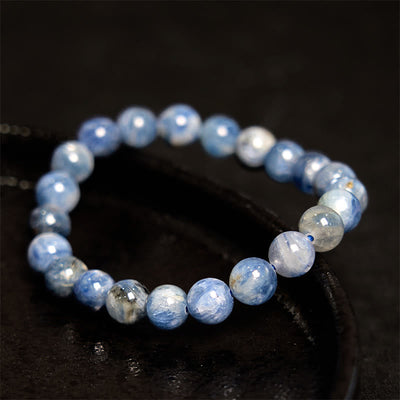
While often compared to sapphire due to its deep blue tones, kyanite possesses a distinct character. It is often striated, showing parallel lines along the crystal faces, which adds a raw, earthy texture to kyanite jewelry designs. Beyond its physical allure, many believe in the kyanite stone benefits related to communication and alignment, making it a dual-purpose treasure for both adornment and holistic well-being.

Identifying Gem Quality Kyanite
Determining the quality of a kyanite stone involves examining several key factors: color, clarity, and cut. The most prized gem quality kyanite exhibits a rich, velvety blue color similar to fine sapphire. Unlike sapphires, however, kyanite often displays color zoning—areas of different color intensity within a single stone. While excessive zoning can detract from value, subtle variations can add a unique, organic charm to the gem.
Clarity is another crucial aspect. Most natural kyanite contains inclusions, which are internal imperfections. High-value stones are "eye-clean," meaning they have no inclusions visible to the naked eye. However, in the realm of semi-precious stones and crystal healing jewelry, some inclusions are accepted and even celebrated as proof of the stone's natural origin. When assessing a stone, look for a good polish and brilliance, which indicates expert craftsmanship.

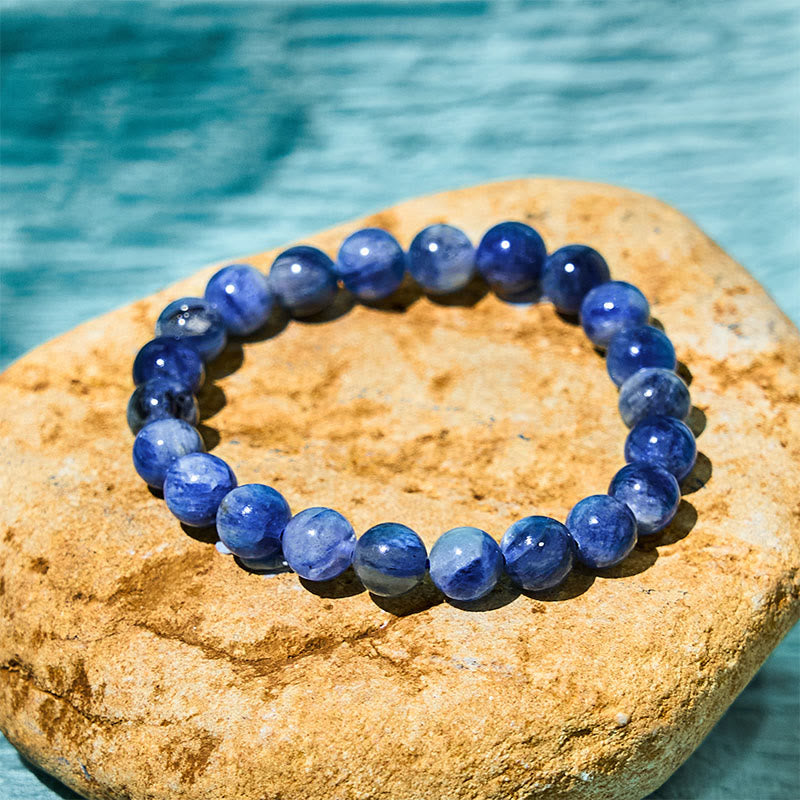
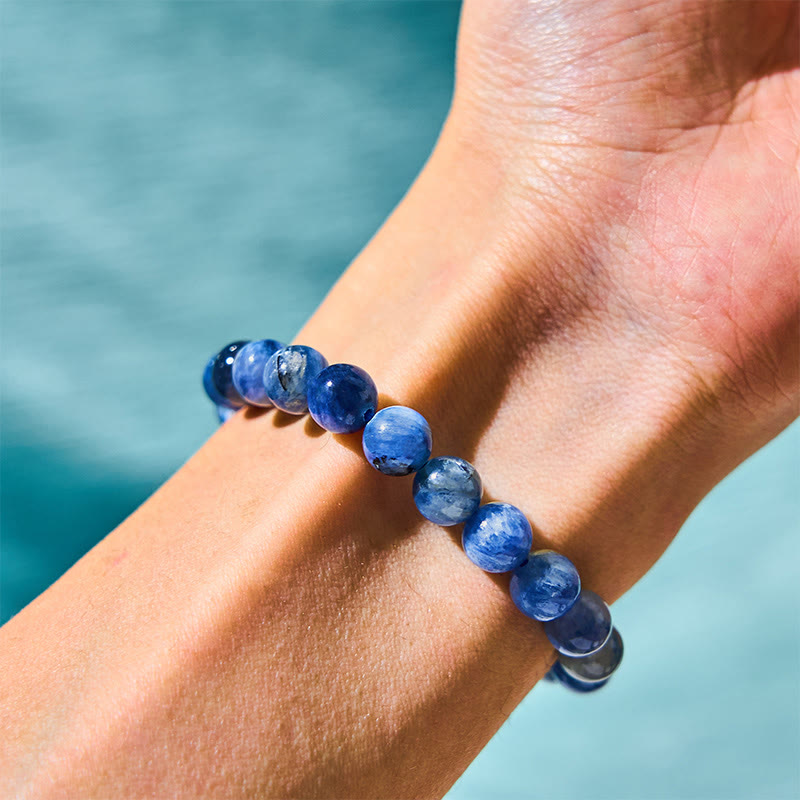
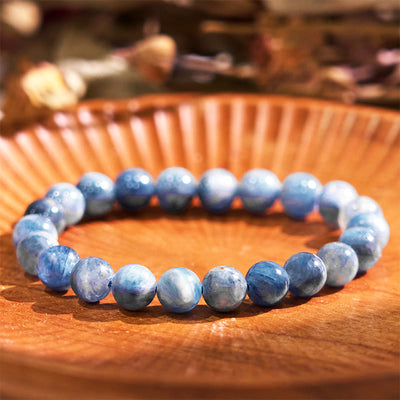
8 mm Kyanit-Armband zur spirituellen Heilung für Ruhe
$29.90 $42.90
Harness kyanite’s tranquil energy with this healing bracelet, perfect for daily calm and crystal jewelry enthusiasts.
Explore ProductKyanite Worth and Valuation
The question "is kyanite valuable?" often arises among buyers. While generally more affordable than precious gems like diamonds or sapphires, fine kyanite is increasingly sought after. The kyanite worth is driven by color saturation—deep, intense blues command the highest prices—followed by teal and green varieties. The transparency of the stone significantly impacts its market value; a transparent, facet-grade stone is far rarer and more valuable than opaque, cabochon-grade material.
Origin also plays a role in valuation. Famous deposits in Nepal and Tibet are known to produce kyanite with exceptional color and clarity, often rivaling the finest sapphires. Stones from these regions may carry a premium. It is important to note that while treated stones exist in the market, natural kyanite gems that are untreated and retain their original color are the standard for investment and high-end jewelry. You can learn more about mineral properties and valuation from resources like the Gemological Institute of America (GIA).

Kyanite in Jewelry Design
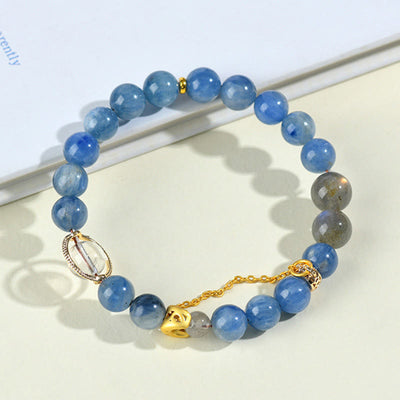
Because of its perfect cleavage and variable hardness, setting kyanite in jewelry requires expertise. It is best suited for pieces that do not endure rough wear, such as earrings, pendants, and brooches. Rings and bracelets featuring kyanite gemstone should be designed with protective settings, like bezels, to shield the stone from impact. Despite these considerations, the stone's stunning visual appeal makes it a favorite for artisan and bohemian-style jewelry.
Designers often pair kyanite with silver or white gold to enhance its cool blue tones. For those interested in blue kyanite crystal properties, wearing the stone near the throat (as a pendant) is often recommended to facilitate clear communication and self-expression. The versatility of kyanite allows it to be cut into various shapes, from traditional ovals and rounds to freeform cabochons that highlight its natural structure.
The visual texture of kyanite, often showing pearly reflections or "cat's eye" chatoyancy in rare cases, adds a dimension of depth that flat-colored stones lack. This dynamic interaction with light makes kyanite jewelry a conversation starter and a captivating accessory for evening wear or daily mindfulness practices.

Care and Maintenance of Kyanite
Owning a piece of kyanite requires a commitment to gentle care. Due to its cleavage properties, the stone can split if struck hard. To maintain the luster and integrity of your kyanite gemstone, avoid ultrasonic cleaners and steamers, which can cause fractures. Instead, use warm, soapy water and a soft cloth to clean your jewelry. Rinse well to remove any soapy residue that might dull the stone's shine.
Store your kyanite pieces separately from harder gemstones like diamonds or quartz to prevent scratches. A soft pouch or a lined jewelry box is ideal. By taking these precautions, you ensure that the beauty and kyanite stone benefits remain vibrant for years to come. Whether you wear it for its soothing energy or its royal blue elegance, kyanite is a gem that rewards careful stewardship.

Enhance Your Collection with Kyanite
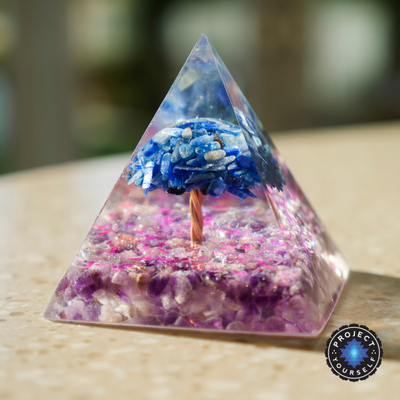
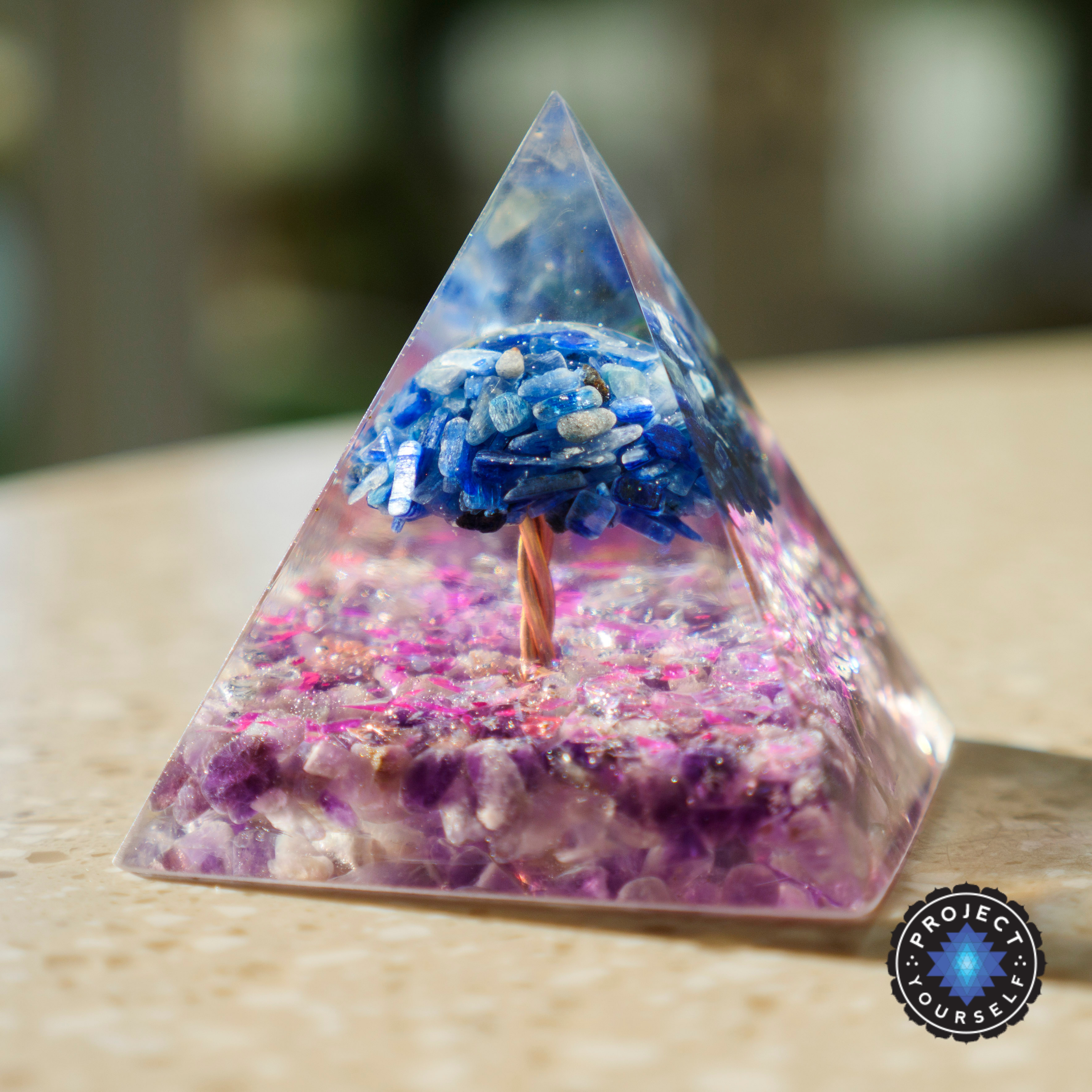
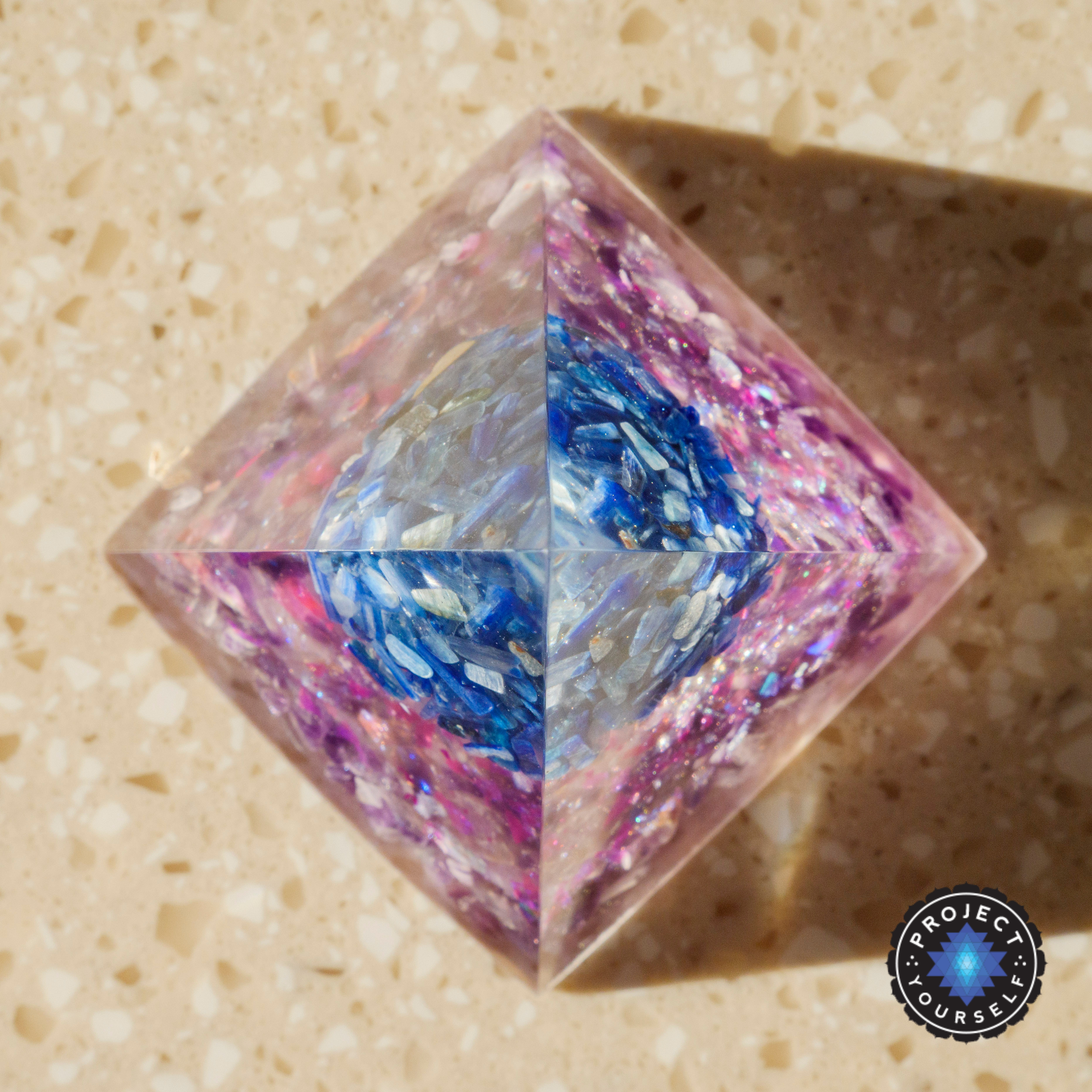
Nährende Orgonkristallpyramide „Baum des Lebens“
$49.99
$59.99
Infuse your space with the balance and harmony of kyanite and amethyst in this striking orgone pyramid for meditation. Learn more ➔

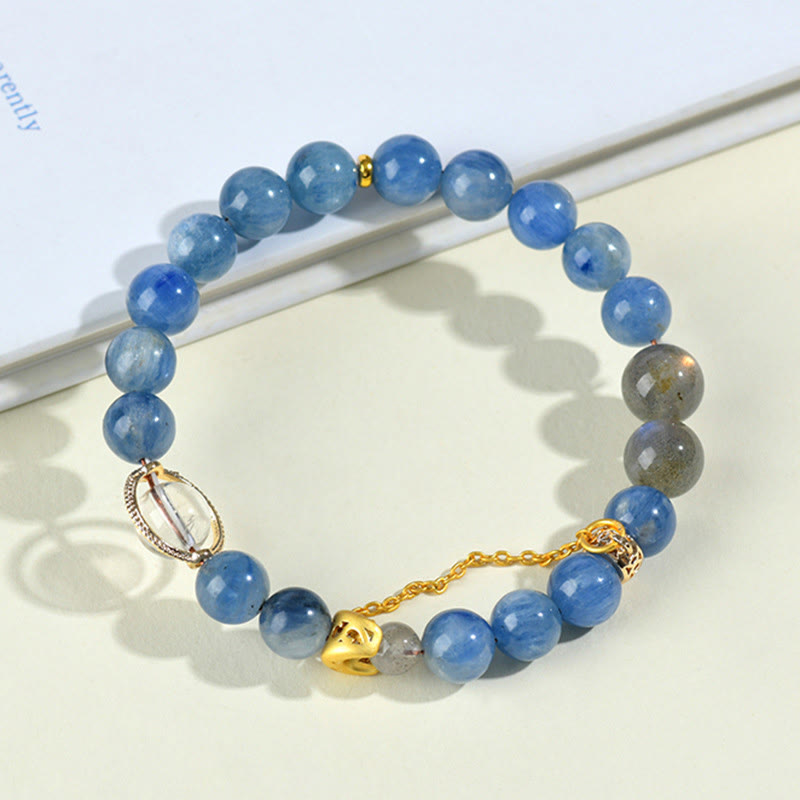
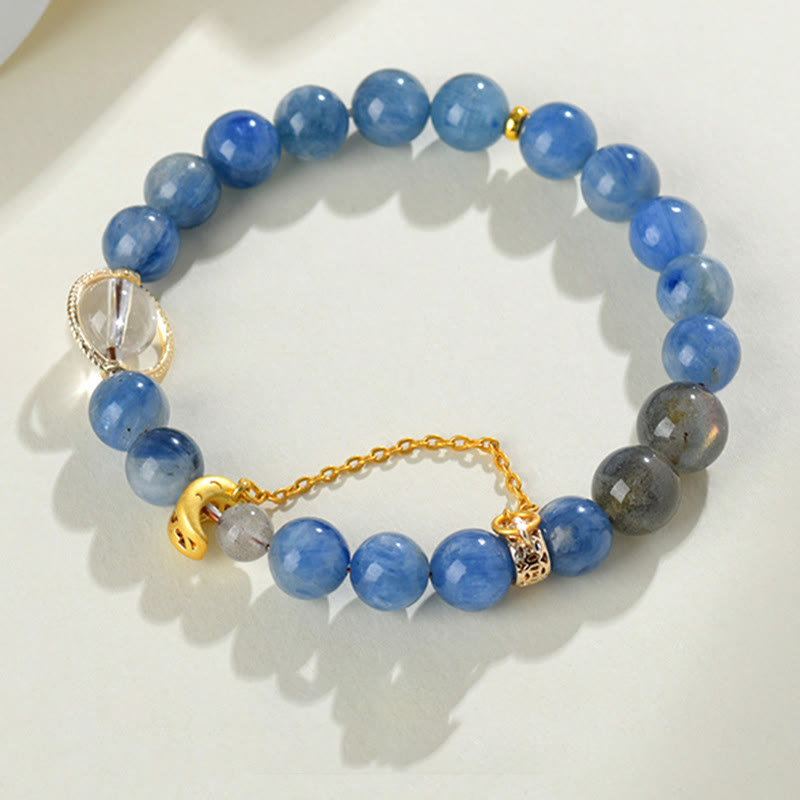
Kyanit-Labradorit-Halbmond-Kommunikationsarmband
$39.90
$57.90
Promote clear communication and intuition with this elegant kyanite and labradorite moon charm bracelet for healing intent. Learn more ➔
Conclusion
Kyanite is a gemstone that offers a rare combination of visual splendor and metaphysical depth. From understanding how to spot gem quality kyanite to appreciating the craftsmanship behind kyanite jewelry, becoming an informed buyer enhances the joy of ownership. Whether you are drawn to its value as an affordable alternative to sapphire or its calming energy, a high-quality kyanite piece is a timeless addition to any collection. Explore our curated selection of gemstones to find the perfect piece that resonates with your journey.
Frequently Asked Questions about Kyanite Gemstone
Kyanite gemstone is primarily used in jewelry for its beautiful blue color and in industrial applications for its heat resistance. Metaphysically, it is used for meditation, aligning chakras (especially the throat chakra), and promoting calmness and communication.
While standard quality kyanite is relatively abundant, high-quality, transparent faceted stones with intense blue color are considered rare. Kyanite from specific localities like Nepal is highly prized for its exceptional sapphire-like quality.
Gem quality kyanite is identified by its transparency, lack of visible inclusions, and vivid blue color. It should have a vitreous (glass-like) luster. One distinct identifier is its variable hardness (softer along the length, harder across the width) and potential visible striations.
The value varies widely based on quality. Commercial cabochon-grade kyanite is very affordable. However, fine, transparent, facet-grade kyanite with deep blue saturation can command significantly higher prices per carat, though it generally remains more affordable than blue sapphire.
Kyanite is somewhat brittle and has perfect cleavage, meaning it can split if hit hard. Clean it gently with warm soapy water and a soft cloth. Avoid ultrasonic cleaners, steamers, and harsh chemicals. Store it separately from harder stones to prevent scratches.