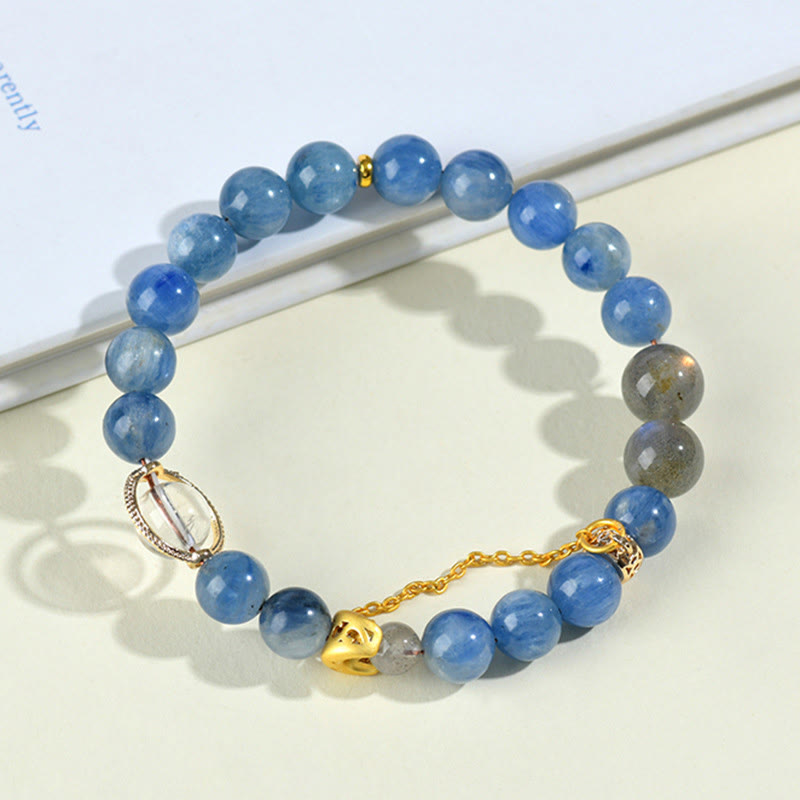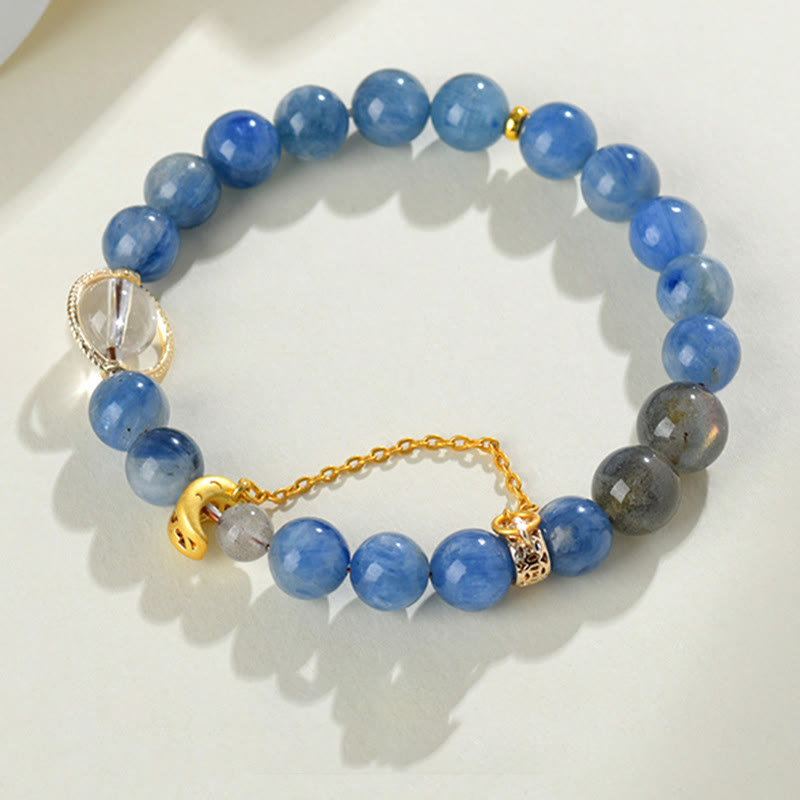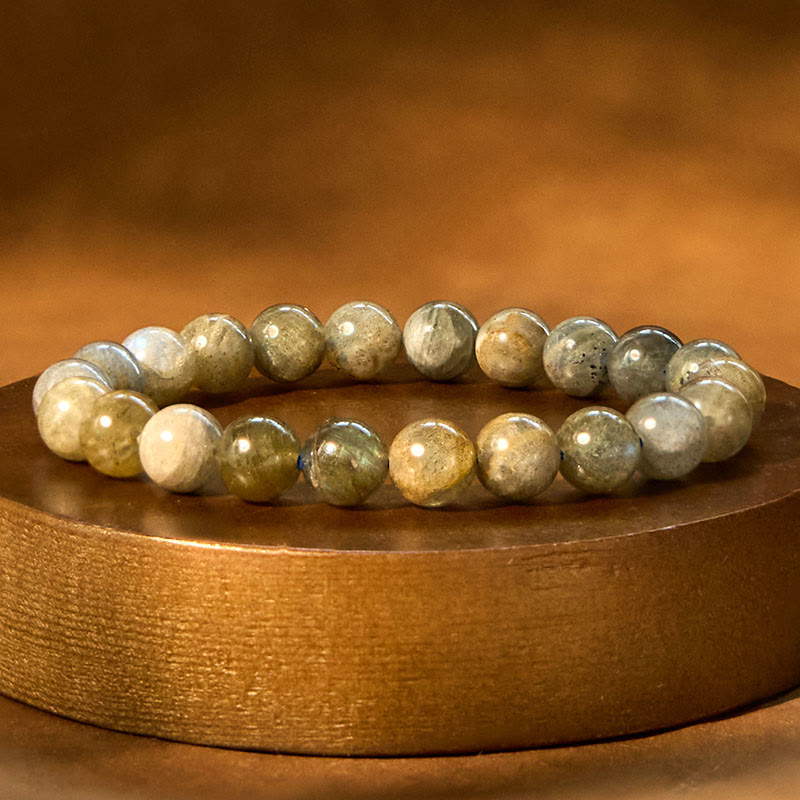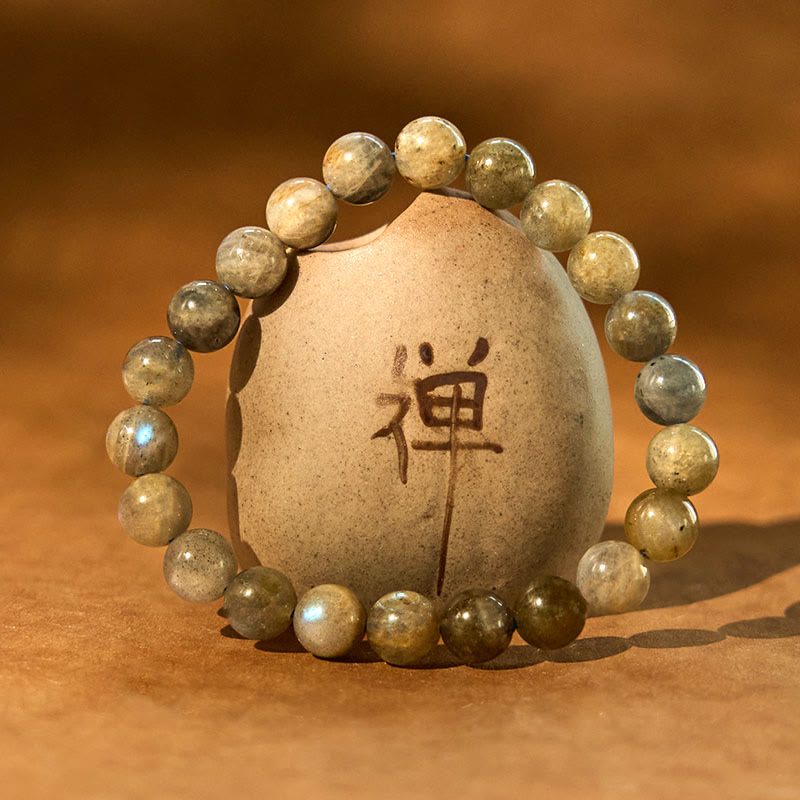
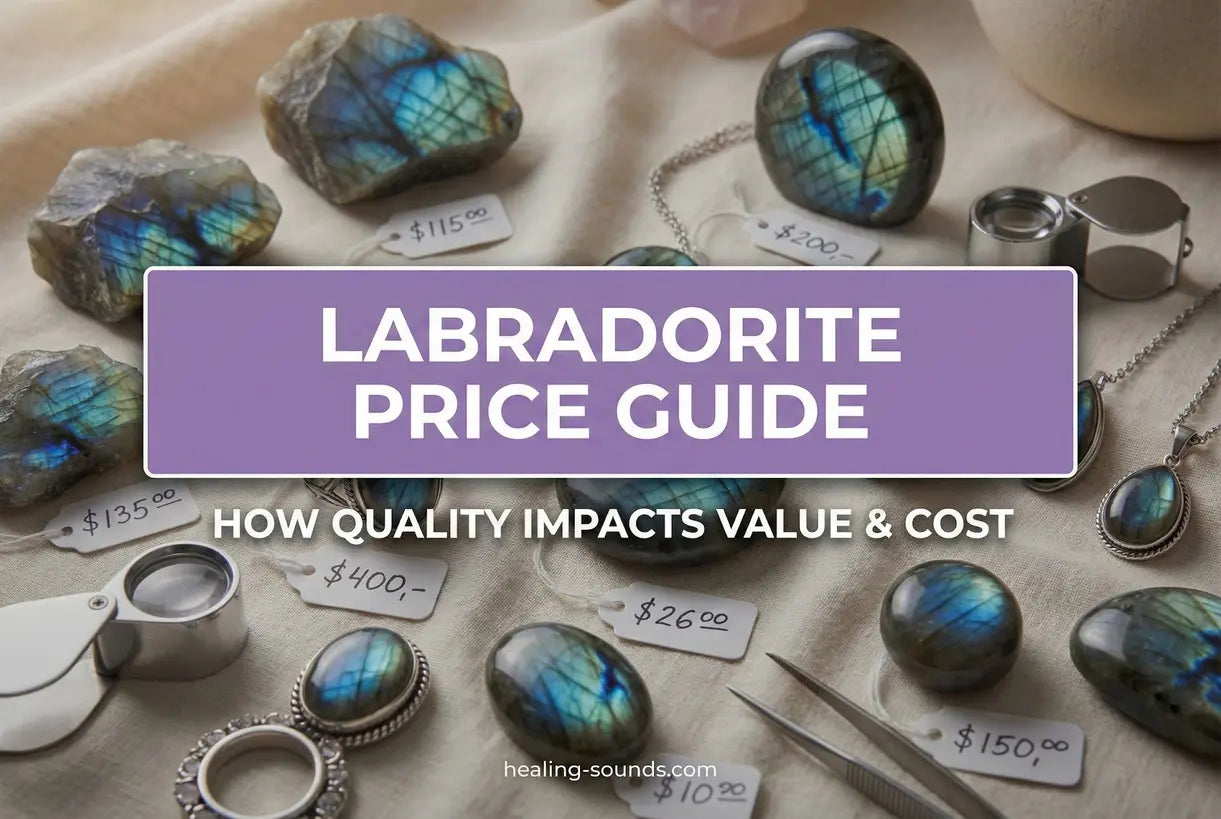
For crystal enthusiasts and spiritual seekers alike, few gemstones capture the imagination quite like Labradorite. With its mystical play of color—known as labradorescence—this stone is a favorite for jewelry and healing practices. However, determining the fair labradorite price can be confusing for buyers. Unlike diamonds, which have a standardized grading system, the cost of labradorite varies wildly based on subjective visual qualities and artistry.
Whether you are looking for a simple tumbled stone or a high-end statement piece, understanding the factors that drive labradorite value is essential. In this guide, we will break down everything you need to know about pricing, quality assessment, and how to ensure you are getting the best labradorite worth for your investment.
Understanding Labradorite Value: More Than Just a Rock
Labradorite is a feldspar mineral, prized not for its rarity as a mineral species, but for the quality of its optical phenomenon. The baseline labradorite stone price is generally affordable compared to precious gems like emeralds or sapphires, making it accessible for most collectors. However, the price gap between a dull, gray piece and a vibrant, multi-colored specimen can be significant.
The primary driver of value is the intensity and spectrum of the flash. A stone that appears dark gray until it catches the light, only to reveal a blinding electric blue or sunset orange, commands a much higher price. This optical effect is caused by light diffraction within the layers of the stone, a feature that makes every piece unique.
- Common Colors: Blue and green flashes are the most abundant and typically more affordable.
- Rare Colors: Purple, pink, red, and full-spectrum "rainbow" flashes increase the labradorite value significantly.
- No Flash: Stones with little to no labradorescence are usually sold as low-grade rough or beads at a very low cost.

Key Cost Factors: What Affects Labradorite Price?
When evaluating the cost of labradorite, vendors and gemologists look at several specific criteria. Being aware of these will help you identify high quality labradorite instantly.
1. Intensity of Labradorescence
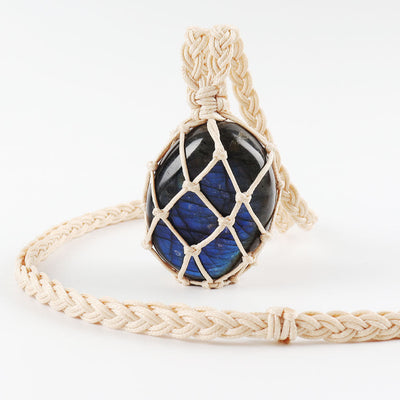
The brightness of the flash is paramount. "Electric" or "metallic" flashes that are visible from multiple angles are highly desirable. If you have to tilt the stone aggressively to see a faint glimmer, the value drops. High-grade specimens often display what is known as "full face flash," where the color covers the entire surface of the stone.
2. Body Tone and Clarity
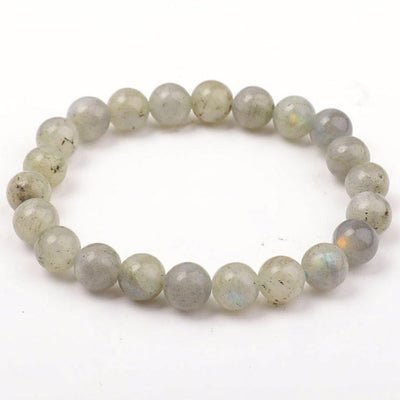
While the flash is the star, the background color (body tone) matters. A dark, translucent body tone often provides the best contrast for the color to pop. Opaque, muddy, or pale gray stones are generally less valuable unless the flash is extraordinary.
3. The "Cut" and Polishing
Because it is a plagioclase feldspar, labradorite must be cut at a specific angle to the crystal structure to maximize the flash. A cutter who misses this angle results in a stone that looks dull. Expert cutting that centers the flash adds to the labradorite worth. Intricate carvings also add labor costs to the final price.

Menopause Labradorit-Heilarmband mit Mondstein & Aventurin
$24.90 $35.90
Discover soothing support and labradorite value with this healing bracelet, designed for balance and wellness during life's transitions.
Explore ProductLabradorite Price Per Carat vs. Piece
Unlike diamonds, labradorite gemstone pricing is rarely calculated strictly by carat weight, except for very high-end cabochons. Instead, it is often priced by the piece or by weight (grams/kilograms) for rough material.
- Rough Material: Can sell for as little as $10 to $50 per kilogram depending on the potential flash visibility.
- Cabochons: A high-quality cabochon for jewelry might range from $5 to over $100 depending on size and color rarity.
- Statement Pieces: Large polished freeforms or spheres used for home decor can range from $50 to several hundred dollars.
For reliable geological data on feldspar minerals and their properties, you can reference resources like Geology.com.

Evaluating Labradorite Quality: A Buyer's Checklist
To ensure you are paying a fair labradorite price, inspect the stone closely. It is common for this mineral to have internal fractures or veins—this is part of its natural structure. However, there is a difference between a natural inclusion and a structural crack that threatens the stone's integrity.
Natural Lines vs. Cracks: Surface-reaching fissures are common in affordable commercial grade stones. In high quality labradorite (often called AAA grade), the surface should be polished smooth with minimal pitting, and the internal structure should look relatively clean, enhancing the play of light.
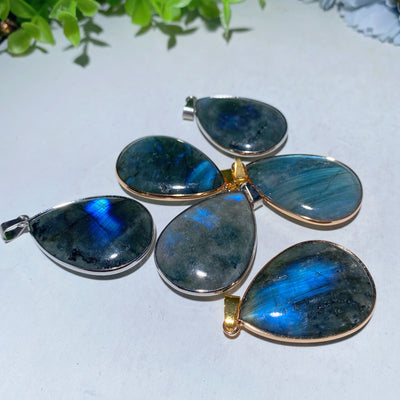
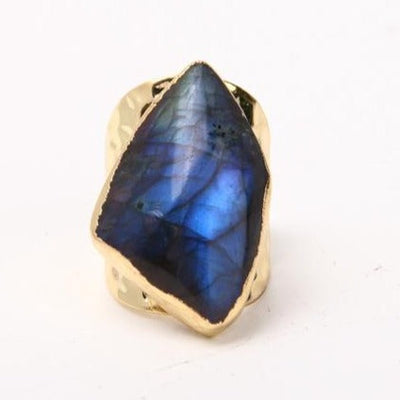
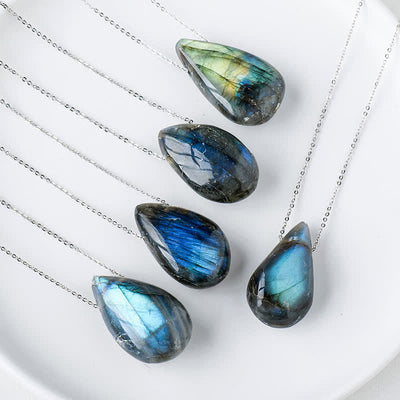
Origin and Its Impact on Cost
The location of origin plays a subtle but important role in labradorite value. The most famous deposits are in Madagascar, known for producing large quantities of high-quality material at reasonable prices. This is the source of most commercial labradorite on the market.
However, a specific variety found in Finland, known as Spectrolite, commands a premium price. Spectrolite is a trade name for labradorite that exhibits a richer range of colors (often including vivid reds and purples) and a stark black body tone. Because it is scarcer than Madagascan labradorite, collectors are often willing to pay more for genuine Finnish Spectrolite.
Enhance Your Collection with High-Vibration Pieces

Kyanit-Labradorit-Halbmond-Kommunikationsarmband
$39.90
$57.90
Enhance your energy and explore the worth of labradorite with this bracelet, ideal for clarity and spiritual expression. Learn more ➔

Experience emotional balance and appreciate labradorite quality in this affordable, transformation-focused gemstone bracelet. Learn more ➔
Where to Buy Labradorite Safely
Finding a reputable seller is key to avoiding overpaying. You can find labradorite at gem shows, metaphysical shops, and online marketplaces. When buying online, ensure the seller provides photos or videos of the specific item you are purchasing, as the flash is directional and static photos can be misleading.
For those interested in the scientific grading of gemstones, the Gemological Institute of America (GIA) offers extensive resources on gem quality factors, which can help you verify the authenticity of what you are buying.

Conclusion
Ultimately, the labradorite price you pay should reflect the beauty and energy you receive from the stone. Whether you are drawn to a rare purple Spectrolite or a soothing blue palm stone from Madagascar, understanding labradorite quality ensures you make an empowered purchase. Focus on the intensity of the flash and the craftsmanship of the cut, and you will find a piece that offers true value for years to come.
Frequently Asked Questions about Labradorite Price & Value
Labradorite is generally affordable. Small tumbled stones can cost a few dollars, while high-quality jewelry cabochons may range from $10 to $100+. Large, display-quality freeforms with exceptional flash can be worth hundreds of dollars depending on size and color intensity.
The primary factors are the intensity and color of the labradorescence (flash), the clarity of the stone, the quality of the cut or polish, and the rarity of the colors (e.g., purple or red flashes are more valuable than blue).
High-quality labradorite exhibits a vivid, electric flash that is easily visible without excessive tilting. The surface should be well-polished with minimal cracks or rough spots, and the internal structure should not be muddy or overly opaque.
You can buy labradorite at reputable rock shops, gem shows, and specialized online crystal retailers. Look for sellers who specialize in healing stones and provide clear photos or videos of the actual item.
Yes. While most labradorite comes from Madagascar, a variety called Spectrolite from Finland is rarer and often more expensive due to its richer color range and distinct black base.