
When selecting natural materials for your home sanctuary, garden, or healing space, understanding the nuances of marble vs sandstone is essential. Whether you are an eco-conscious homeowner renovating a kitchen or a crystal enthusiast curating an altar, the choice between these two stones impacts not just the aesthetic but the longevity and energy of your environment. Both materials offer distinct beauty, but they differ significantly in their formation, hardness, and practical applications.
In this guide, we will explore the key differences in marble vs sandstone hardness, their geological origins, and their best uses. By the end, you will have a clear understanding of how marble vs sandstone compares, helping you decide which stone aligns best with your design vision and functional needs.
The Geological Difference Between Marble and Sandstone
To understand the physical properties of these stones, we must look at how they are formed. The primary difference between marble and sandstone lies in their geological classification and the processes that create them.
Sandstone is a sedimentary rock. It is formed over millions of years by the accumulation of sand grains—typically composed of quartz and feldspar—bound together by natural cements like silica or calcium carbonate. This grain-by-grain structure gives sandstone its characteristic earthy texture and rich, layered colors.
- Sandstone: Sedimentary rock made of compressed sand grains. Known for grainy texture and earthy tones.
- Marble: Metamorphic rock derived from limestone. Known for interlocking crystals and veined patterns.
Marble, on the other hand, is a metamorphic rock. It begins its life as limestone (a sedimentary rock) but is subjected to immense heat and pressure within the Earth's crust. This process, known as metamorphism, causes the calcite in the limestone to recrystallize into a denser, interlocking structure. The result is a smooth, often translucent stone famous for its elegant veins.

Marble vs Sandstone Hardness and Durability
One of the most frequently asked questions is about marble vs sandstone hardness. While marble is often perceived as the more "premium" stone, sandstone can actually be harder depending on its composition.
On the Mohs scale of mineral hardness, marble typically ranks between 3 and 4 because it is primarily composed of calcite. It is relatively soft and can be scratched by metal objects. Sandstone varies widely; however, sandstone rich in quartz is significantly harder, often ranking roughly 6 to 7 on the Mohs scale. This makes certain types of sandstone extremely resistant to abrasion.
When discussing sandstone vs marble durability regarding weathering, sandstone often has the edge for outdoor use. Its grainy surface provides natural slip resistance, and it withstands weathering well, though it is porous. Marble is durable but susceptible to acid rain and acidic household substances (like lemon juice), which can etch its surface due to its calcium carbonate makeup.

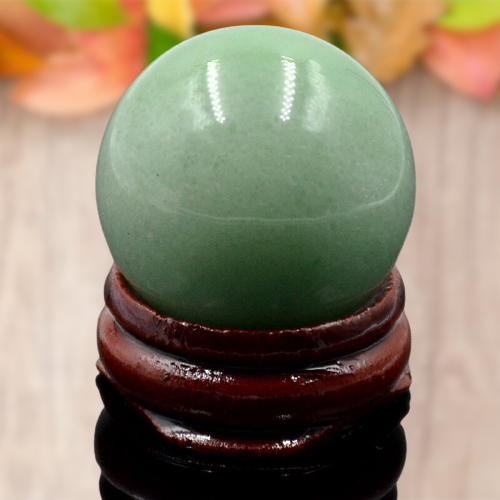
Grüner Sandstein Fu Räuchergefäß | Wohlstand Schreibtisch Dekor
$48.90 $69.90
Elevate your space with this green sandstone incense burner—showcasing natural beauty and a symbol of prosperity for your home.
Explore ProductMarble and Sandstone Uses in Design and Healing
The uses of marble and sandstone differ largely due to their texture and porosity. Designers and architects choose them for specific roles based on these traits.
Common Uses for Marble
Marble is prized for its elegance and ability to take a high polish. It is a staple in indoor applications where sophistication is key. Common uses include kitchen countertops (with sealing), bathroom vanities, flooring, and intricate sculptures. In energy work, marble is believed to provide clarity and stability, often used in grounding tools or altars for its cool, soothing touch.
Common Uses for Sandstone
Sandstone's rugged nature makes it ideal for exterior applications. You will often see sandstone vs marble chosen for garden paving, retaining walls, and outdoor patios because of its non-slip surface. Inside, it adds a rustic, warm charm to fireplace surrounds or feature walls. Energetically, sandstone is considered a stone of creativity and cohesion, helping to bind scattered energies just as the sand grains are bound together.
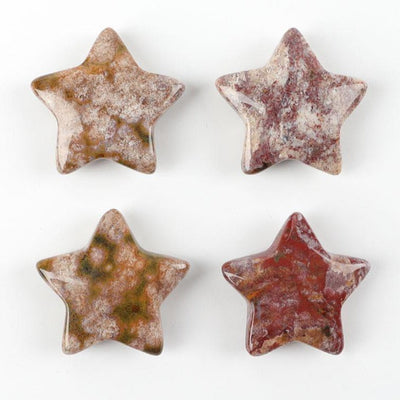
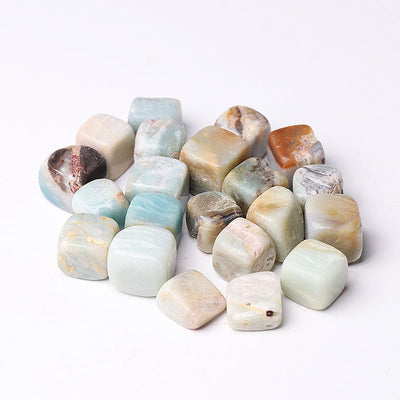
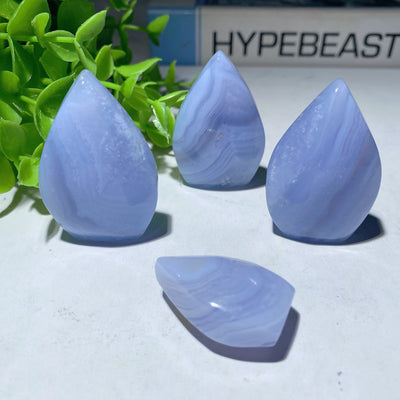
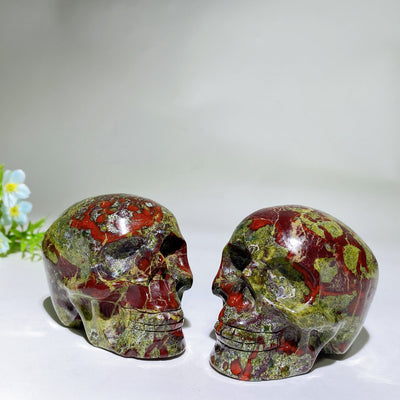
When incorporating these stones into your home decor, consider the vibe you want to create. Marble brings a sense of cool, classical luxury, while sandstone invites warmth and organic connection to the earth.

Comparing Maintenance and Care
Whether you choose marble vs sandstone, maintenance is a crucial factor. Both are natural stones and possess some degree of porosity, meaning they can absorb liquids and stain if not properly sealed.
- Marble Care: Requires pH-neutral cleaners. It is highly reactive to acids (vinegar, citrus, wine), which cause etching. Regular sealing is mandatory for countertops.
- Sandstone Care: Extremely porous. It absorbs water quickly, which can lead to biological growth like moss if used outdoors in damp areas. It requires strong penetrating sealers to prevent staining from oil or water.
For those interested in the healing arts, maintaining your stone tools is equally important. Cleaning your stone altars or decorative spheres ensures their energy remains clear and vibrant.
Enhance Your Space with Natural Stone Energy

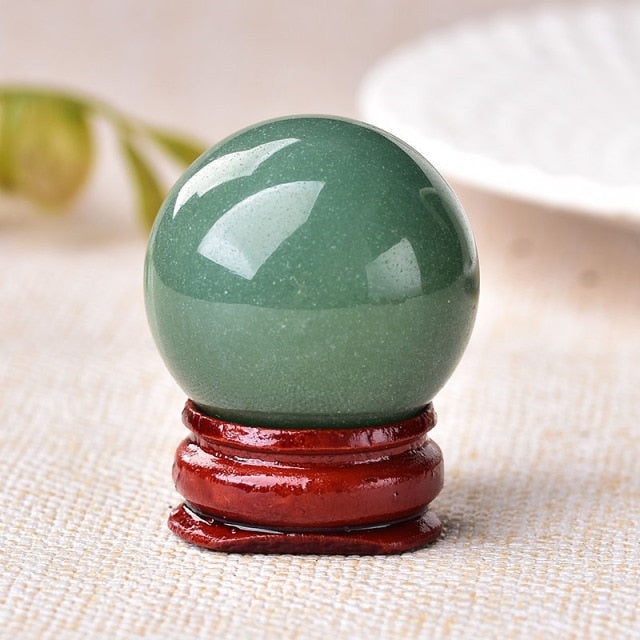
Aventurin-Kristallkugel – Glück und Harmonie
$29.99
$39.99
Invite harmony and abundance with this aventurine sphere—a beautiful example of nature's crystal artistry in stone form. Learn more ➔
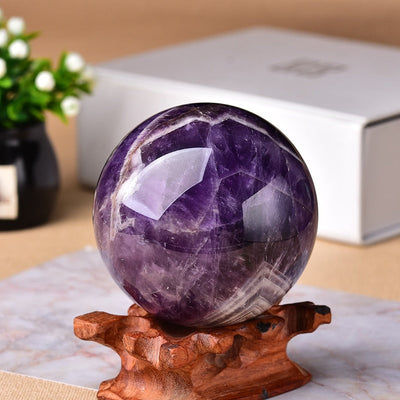
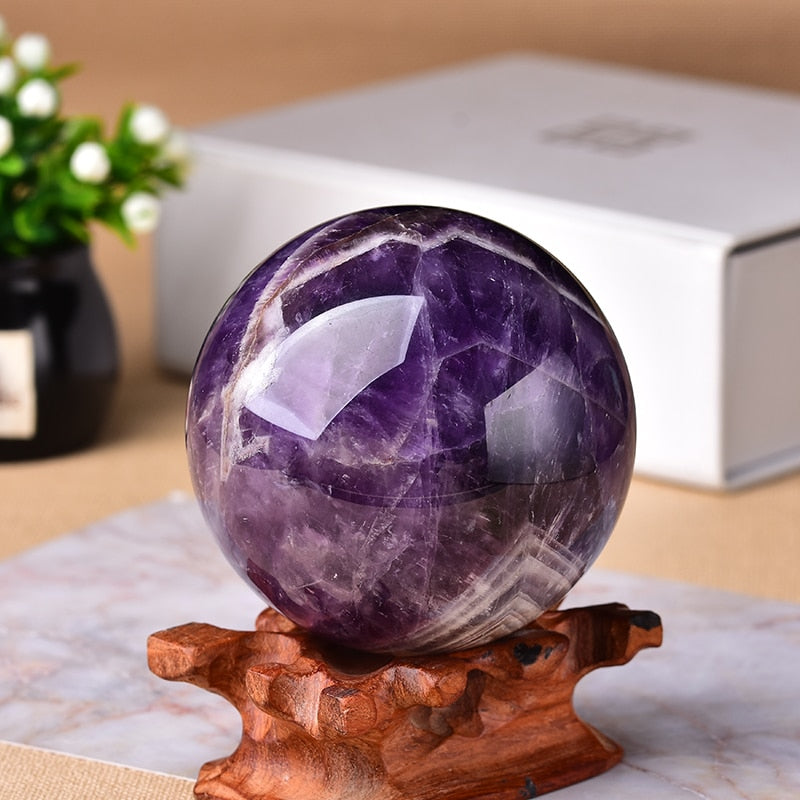
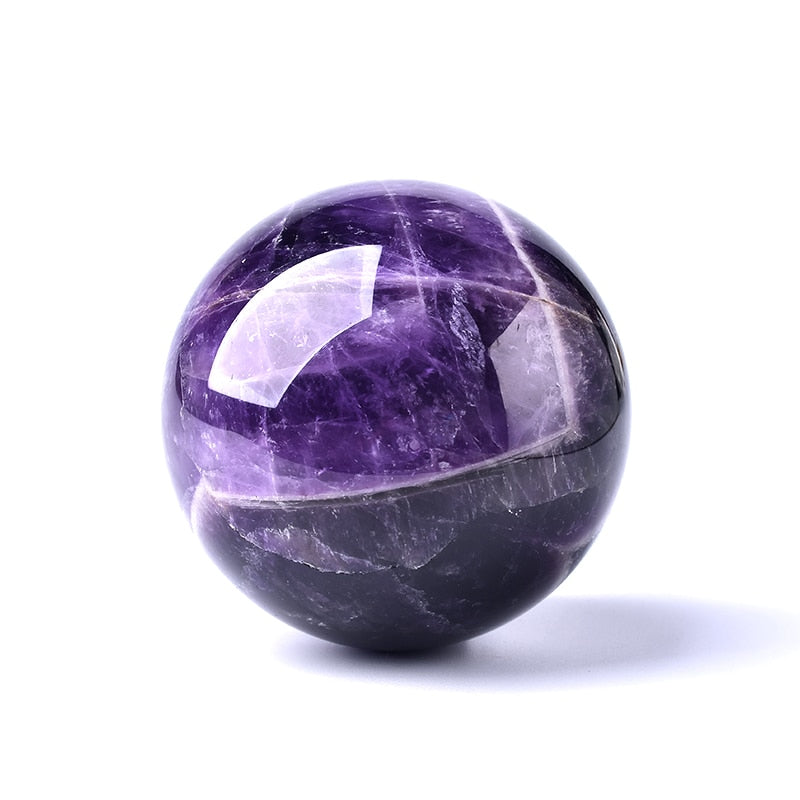
Amethystkugel für Gelassenheit und geistige Klarheit
$49.99
$59.99
Experience the calming clarity of amethyst with this polished sphere, perfect for bringing tranquil energy into your space. Learn more ➔
Visual Comparison Summary
To help you visualize the difference between marble and sandstone at a glance, consider their primary attributes. Marble offers a cool, luxurious feel with intricate veins, making it a favorite for high-end interiors. Sandstone offers a tactile, warm, and gritty texture that connects a space to nature, perfect for grounding an environment.
For more detailed geological data, you can refer to resources like Geology.com or the Minerals.net guide on Calcite (the primary mineral in marble).

Conclusion
Deciding on marble vs sandstone ultimately depends on your project's specific requirements and your aesthetic preference. If you prioritize hardness, scratch resistance, and a rustic appeal for outdoor areas, sandstone is a superior choice. However, if your goal is to achieve a refined, elegant look for indoor surfaces and you are willing to manage the maintenance, marble remains unmatched.
Both stones bring the grounding energy of the earth into your daily life. Whether you choose the sedimentary layers of sandstone or the metamorphic beauty of marble, you are investing in a material that has withstood the test of time.
Frequently Asked Questions about Marble vs Sandstone
The main difference lies in their formation. Sandstone is a sedimentary rock made of sand grains cemented together, while marble is a metamorphic rock formed from limestone that has been recrystallized under heat and pressure.
Generally, quartz-rich sandstone is harder than marble. Marble ranks about 3-4 on the Mohs hardness scale, while sandstone can rank between 6 and 7, making it more resistant to scratching.
Marble is typically used for indoor applications like countertops, flooring, and sculpture due to its smooth finish. Sandstone is popular for outdoor use, such as paving, garden walls, and patios, because of its durability and slip resistance.
In terms of outdoor weathering and scratch resistance, sandstone is often more durable. However, marble is denser and less porous than many sandstones, making it physically robust for indoor structural use if maintained properly.
You can tell them apart by texture and pattern. Sandstone has a visible grainy texture like sandpaper and lacks veins. Marble feels smooth, has a crystalline structure, and typically features distinct swirling veins.