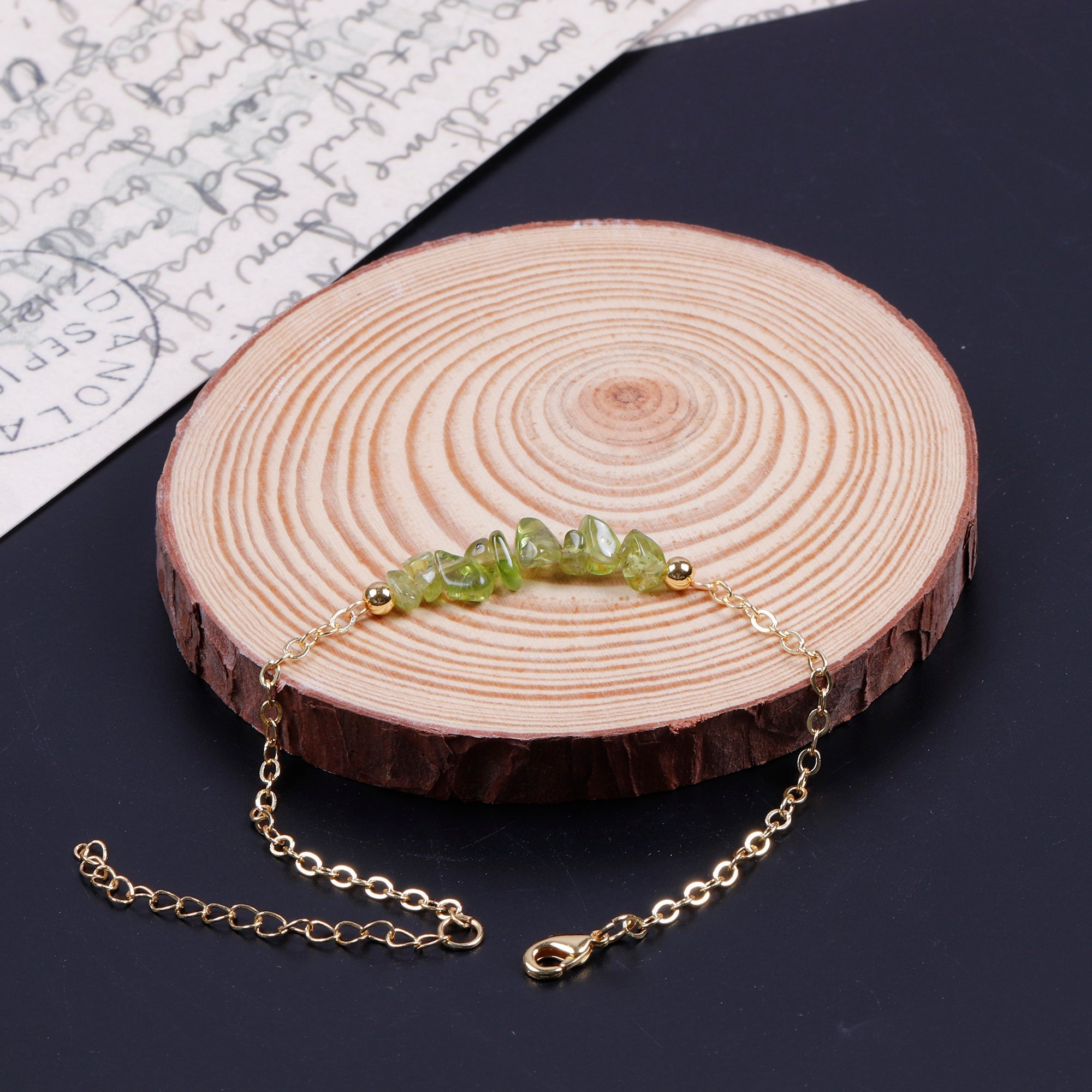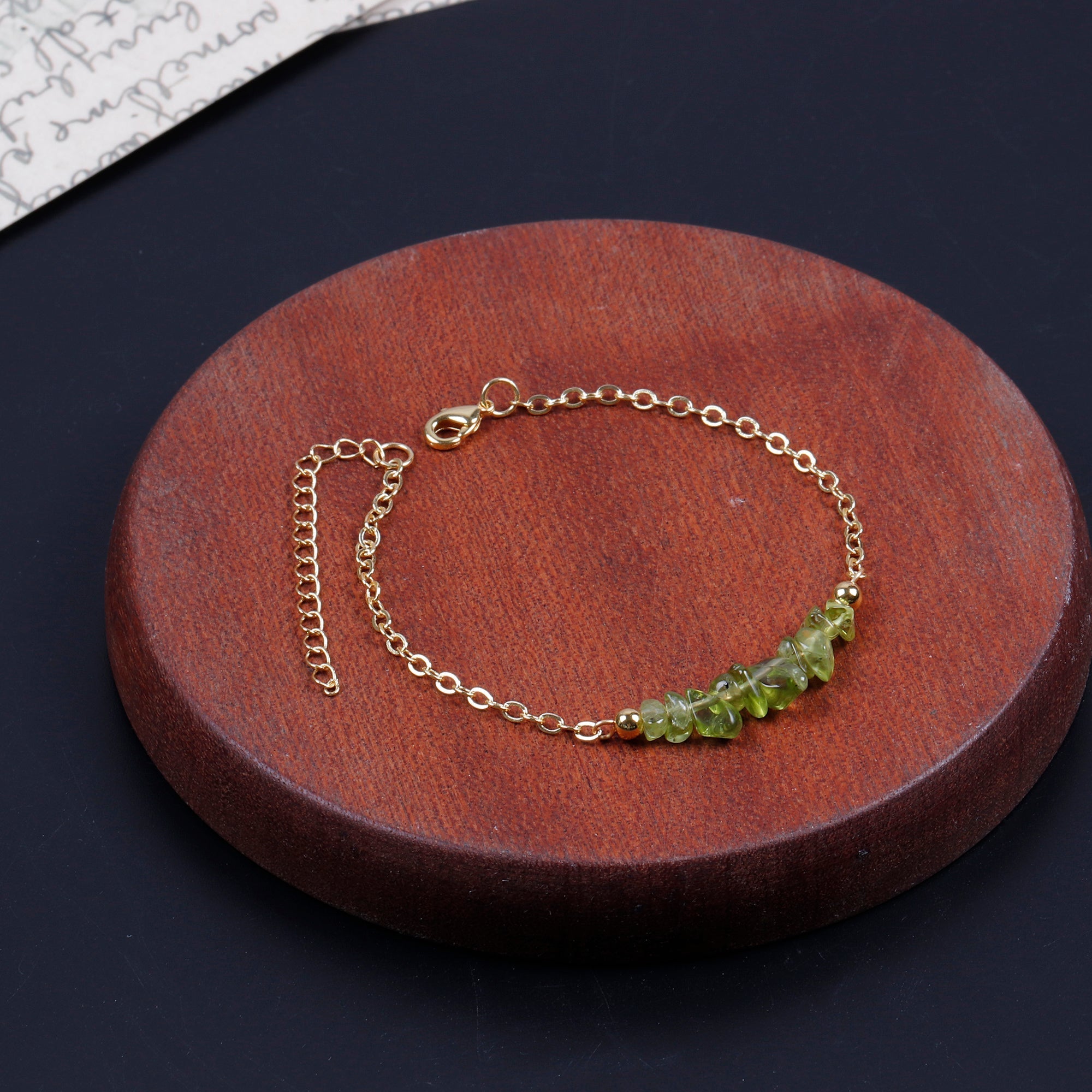
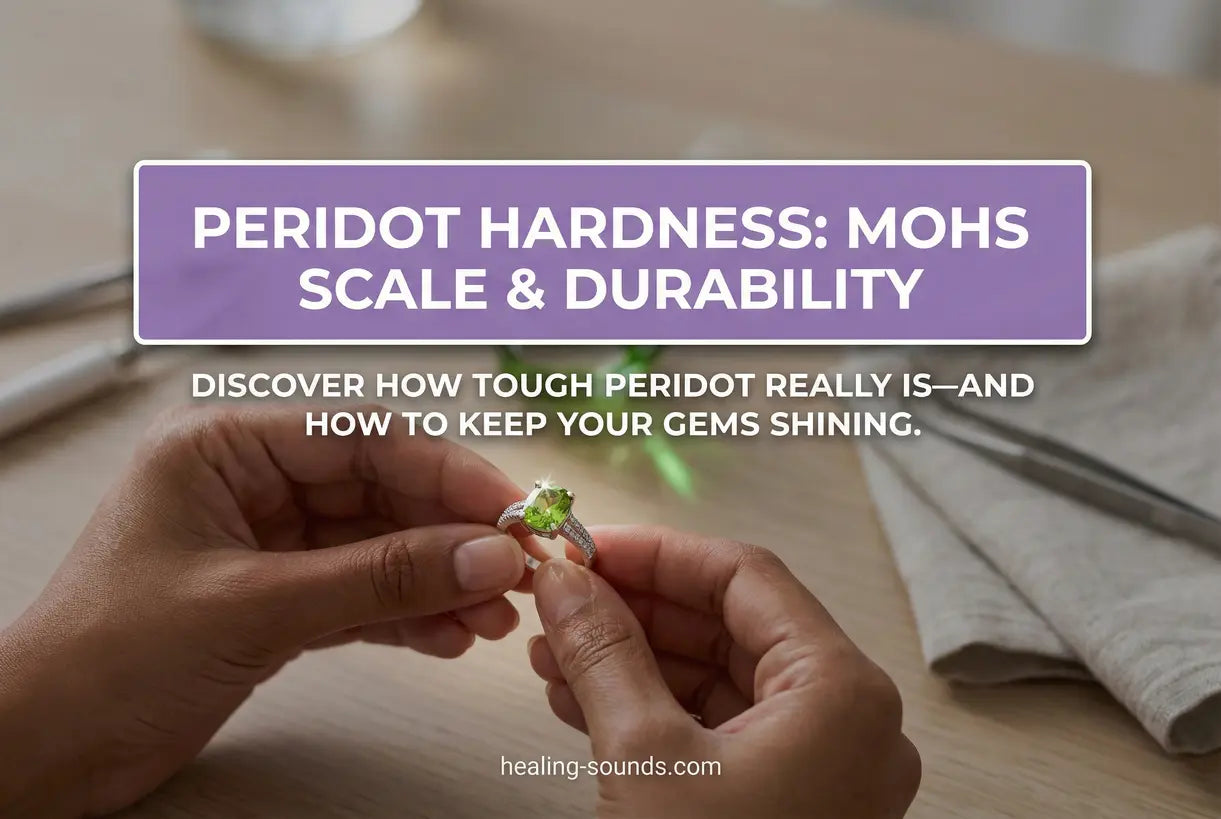
The vibrant, olive-green glow of peridot has captivated humanity for thousands of years, earning it the title "Gem of the Sun" by ancient Egyptians. For modern gemstone enthusiasts and collectors, however, admiring its beauty is often accompanied by a practical question: how durable is this stone? Understanding Mohs scale peridot rankings is essential for anyone looking to wear this crystal daily or use it in energy work.
While peridot is a powerful stone associated with abundance and heart chakra healing, its physical properties dictate how it should be worn and cared for. Is it tough enough for an engagement ring? Will it scratch easily? In this guide, we will explore the specific peridot hardness, its position on the Mohs scale, and actionable tips to ensure your jewelry remains pristine for years to come.
What is the Mohs Scale of Mineral Hardness?
Before diving into peridot specifically, it is helpful to understand the yardstick used to measure gemstone durability. The Mohs scale, developed by Friedrich Mohs in 1812, ranks minerals from 1 (talc) to 10 (diamond) based on their ability to scratch one another. It is a relative scale, meaning a mineral with a higher number can scratch any mineral with a lower number.
For jewelry lovers, this scale is the gold standard for determining wearability. Stones that rank below a 7 are generally considered softer and require more mindful wear, as quartz (which is a common component of household dust) has a hardness of 7. This means dust itself can abrade softer stones over time.
Where Does Peridot Rank on the Mohs Scale?
So, what is the official Mohs scale peridot rating? Peridot typically falls between 6.5 and 7 on the Mohs scale. This places it in the "fair to good" category for jewelry usage. While it is certainly durable enough for jewelry, it is softer than popular gems like sapphires (9), rubies (9), and diamonds (10).
Because its hardness hovers right around 7, peridot is generally resistant to casual handling but can be scratched by harder substances. This specific peridot gemstone hardness suggests that while it is robust, it is not indestructible. It requires a bit more attention than the hardest precious stones, especially if you lead an active lifestyle.

Is Peridot Durable Enough for Everyday Jewelry?
The question of peridot durability often centers on the type of jewelry being worn. Because of its rating of 6.5-7, peridot is an excellent choice for earrings and necklaces. These pieces rarely encounter the accidental knocks and abrasive surfaces that rings and bracelets do.
For rings and bracelets, peridot can absolutely be worn, but protective settings are recommended. A bezel setting, which surrounds the gem with metal, offers much more protection than a high prong setting. If you choose to wear a peridot ring daily, it is wise to remove it during rigorous activities like gym workouts, gardening, or cleaning.

Cleopatras Schatz Peridot Armband & Ohrringe Set
$49.99 $59.99
Add a touch of vibrant peridot to your style while exploring the gemstone's Mohs scale durability in daily wear.
Explore ProductComparing Peridot Hardness to Other Gemstones
To truly grasp the scratch resistance of peridot, it helps to compare it with other common crystals. For instance, Amethyst and Citrine (both varieties of Quartz) sit at a solid 7. This means they are slightly harder than some peridot specimens. Conversely, Opal is significantly softer, ranging from 5.5 to 6.5, making peridot the more durable option between the two.
Understanding these comparisons helps in gemological education and storage. You should never store peridot loose in a box with diamonds or sapphires, as the harder stones will inevitably scratch the surface of your green gem. Viewing a visual explanation can often clarify these distinctions.
Vulnerabilities: Scratch Resistance and Cleavage
Beyond simple scratching, peridot care involves understanding its structural vulnerabilities. Peridot has fair to imperfect cleavage. In gemology, cleavage refers to the tendency of a crystal to break along definite plane surfaces. While peridot isn't as fragile as some stones, a sharp, direct blow can cause it to crack or chip.
Furthermore, peridot is sensitive to thermal shock. Rapid temperature changes—such as moving from extreme cold to hot water—can cause fracturing. It is also susceptible to damage from acids, so it is vital to keep your peridot jewelry away from harsh household cleaners or acidic solutions.

Best Practices for Cleaning and Storing Peridot
Maintaining the luster of your peridot requires gentle care. The best way to clean peridot is the old-fashioned way: warm water and a mild, neutral soap. Use a soft, lint-free cloth or a very soft brush to remove dirt and oils. Avoid ultrasonic cleaners and steam cleaners, as the vibrations and heat can damage the stone's internal structure.
- Do: Clean with warm, soapy water and a soft cloth.
- Don't: Use ultrasonic or steam cleaners.
- Storage: Keep in a separate soft pouch to prevent scratches from harder gems.
When you aren't wearing your peridot, store it separately. A velvet pouch or a fabric-lined jewelry box with individual compartments is ideal. This simple step prevents harder stones from scratching your peridot and prevents your peridot from scratching softer stones like pearls or calcite.

Enhance Your Collection with Durable Gems

Experience balancing energy with peridot and friends—an excellent accessory for understanding gemstone hardness. Learn more ➔

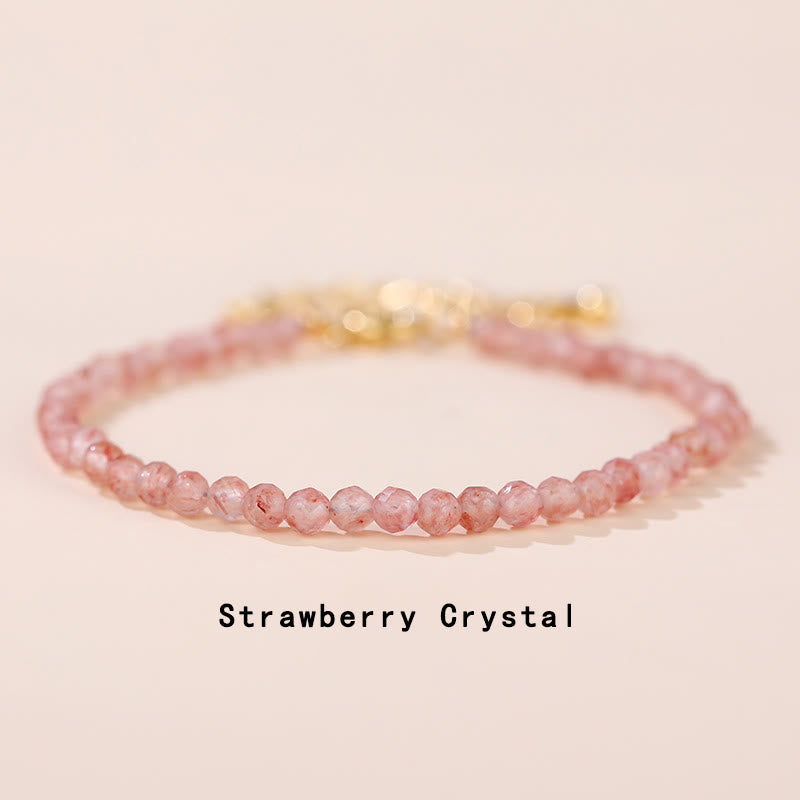
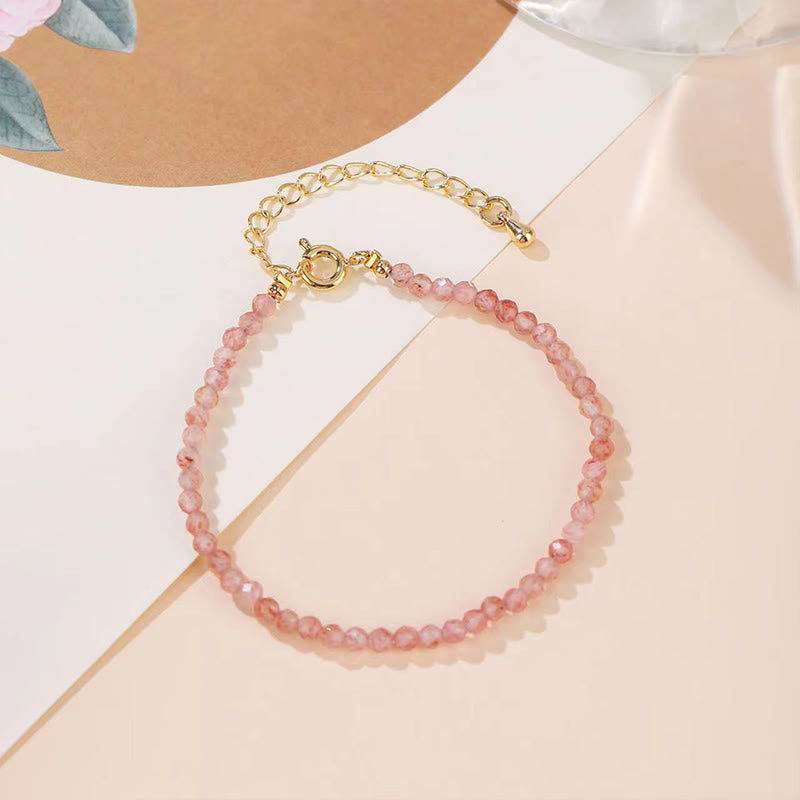
Peridot Weiß Jade Bambus Fu Symbolisches Glücksarmband
$24.90
$35.90
Embrace peridot’s unique hardness and symbolism in this elegant bracelet—ideal for everyday durability and positive intentions. Learn more ➔
Conclusion
Understanding the Mohs scale peridot ranking empowers you to enjoy this magnificent stone without fear. While its hardness of 6.5-7 requires a degree of mindfulness compared to diamonds, peridot is durable enough to be a cherished part of your daily life. By avoiding harsh chemicals, thermal shock, and rough impact, you preserve not just the physical stone, but the vibrant energy it brings to your spirit.
Whether you wear it for its historical significance or its metaphysical properties of renewal, treating your peridot with care ensures its light will continue to shine brightly. Explore our curated collection of peridot jewelry designed to balance beauty with wearability.
Frequently Asked Questions about Peridot Durability
Peridot rates between 6.5 and 7 on the Mohs scale of mineral hardness. This indicates it is durable enough for jewelry but is softer than gemstones like topaz, sapphire, and diamond.
Peridot (6.5-7) is softer than quartz (7), topaz (8), ruby (9), and diamond (10). However, it is harder than opal (5.5-6.5), turquoise (5-6), and lapis lazuli (5-6), making it reasonably durable for most jewelry applications.
Yes, peridot is durable enough for everyday wear, particularly in pendants and earrings which are less exposed to impact. For rings, protective settings (like bezels) are recommended, and they should be removed during heavy manual labor.
Store peridot separately in a soft cloth or pouch to prevent contact with harder stones. Clean it only with warm, soapy water and a soft brush. Avoid enzymatic cleaners and harsh chemicals.
Peridot can be damaged by thermal shock (sudden extreme temperature changes), acids found in some cleaning agents, and direct hard blows which can fracture the stone due to its cleavage properties.