
For centuries, the vibrant hues of Native American turquoise jewelry have told stories of sky, water, and spirit. More than just a striking fashion statement, these pieces represent a profound cultural heritage and a deep connection to the earth. For the modern woman who values spirituality and artisan craftsmanship, wearing these stones is an act of honoring a timeless tradition that bridges the ancient world with contemporary style.
Among the various indigenous traditions, Navajo turquoise jewelry stands out for its bold silverwork and distinct aesthetic. Whether you are drawn to the protective properties of the stone or the intricate artistry of the setting, understanding the history and symbolism behind these pieces adds layers of meaning to your collection. In this guide, we explore the rich traditions, distinctive styles, and key tips for identifying authentic Native American jewelry.
The Sacred Significance of the "Sky Stone"
In many indigenous cultures of the American Southwest, turquoise is far more than a decorative gem. It is often referred to as the "Sky Stone," believed to be a piece of the sky that fell to earth. This connection imbues the stone with powerful symbolism, representing health, protection, and good fortune. For the Navajo (Diné), turquoise is a central element in their creation stories and religious ceremonies.
When you wear indigenous turquoise jewelry, you are carrying a talisman that has been revered for millennia. It is said to protect the wearer from negative energy and bring mental clarity. This spiritual dimension makes turquoise jewelry a favorite for those seeking mindfulness and grounding in their daily lives. The stone's color, ranging from deep celestial blue to varying shades of green, often dictates its specific value and meaning within different tribal traditions.
Distinguishing Navajo Turquoise Jewelry Styles
While many tribes, including the Zuni and Hopi, are famous for their turquoise work, Navajo turquoise jewelry has a unique visual language. Developing in the mid-19th century, Navajo silversmithing is characterized by substantial weight and an emphasis on the stone itself. Unlike the intricate stone-to-stone inlay of the Zuni or the silver overlay of the Hopi, Navajo artisans typically use large, bezel-set nuggets of turquoise surrounded by elaborate silver designs.

Common elements in Navajo designs include organic motifs like leaves, flowers, and squash blossoms. The "naja," a crescent-shaped pendant often found at the center of squash blossom necklaces, is a hallmark of this style. The silver work often features stamp work, repoussé (hammering from the reverse side), and heavy oxidation to create contrast. This bold approach celebrates the natural beauty of the turquoise matrix—the web-like veins running through the stone.
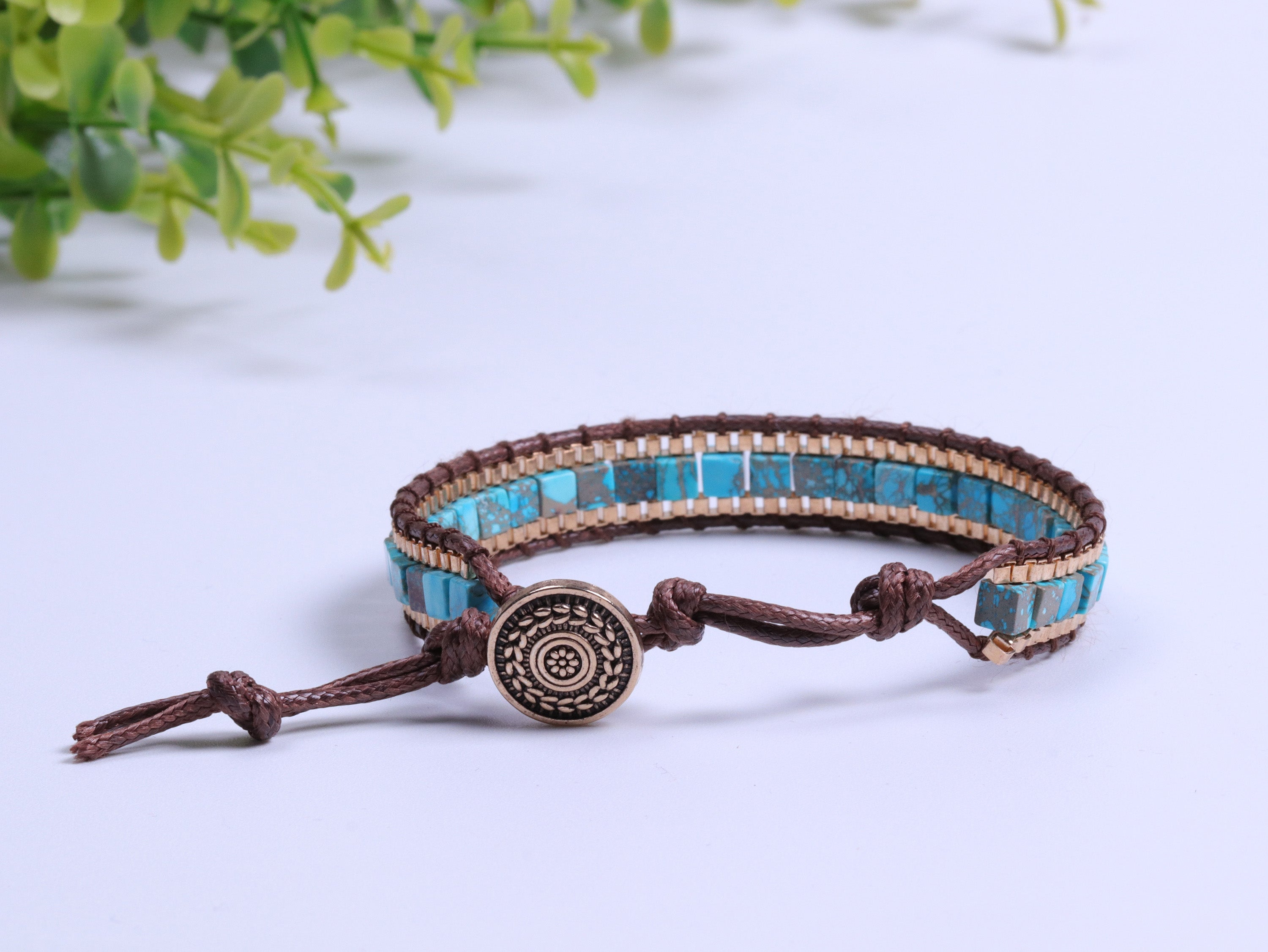
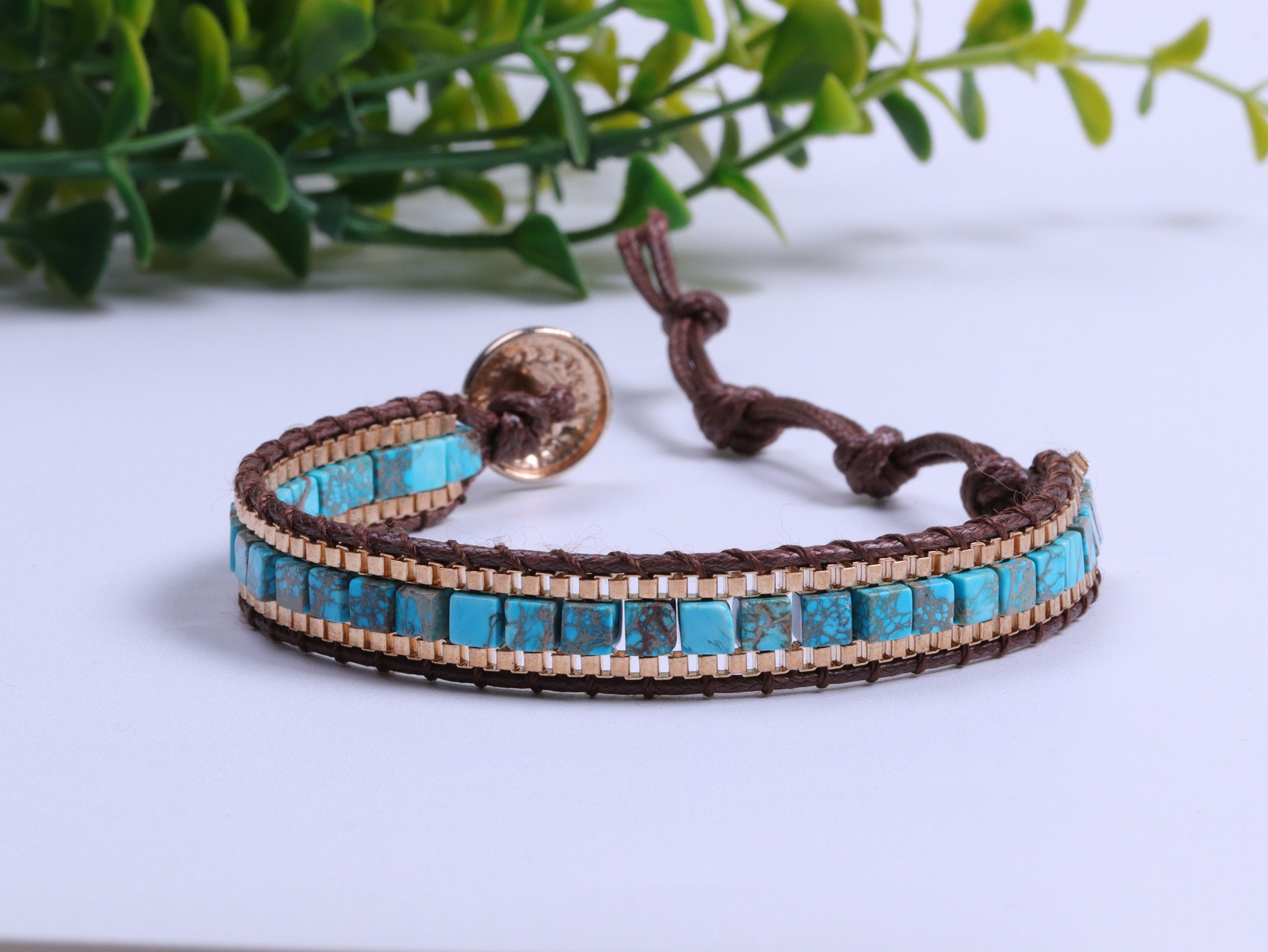
If you are looking to incorporate this protective energy into your daily attire, a classic turquoise bracelet can be a grounding accessory. It connects you to the earth's element while serving as a shield of strength throughout your day.

Türkisarmband für Stärke und Schutz
$39.99 $49.99
Discover the traditions of turquoise jewelry with this bracelet, perfect for channeling protection and history in every wear.
Explore ProductAuthenticity: How to Identify Real Native American Jewelry
With the popularity of Southwest styles, the market is unfortunately flooded with imitations. Knowing how to identify authentic Native American jewelry is crucial for respecting the artists and ensuring you are buying a genuine piece of history. Authenticity involves both the materials used and the artisan who created it.

Here are a few tips to help you distinguish the real from the fake:
- Check the Matrix: Natural turquoise often has a matrix (veins). While some high-grade stones like "Sleeping Beauty" are clear blue, many authentic stones show complex webbing. Fake stones often look too perfect or have a "plastic" shine.
- Feel the Weight and Temperature: Genuine stone and sterling silver have a specific heft. Plastic imitations will feel light and warm to the touch, whereas real stone feels cool initially.
- Look for Hallmarks: Most legitimate Native American artists sign their work with a hallmark stamped into the silver. You can often look up these marks in databases provided by organizations like the Heard Museum.
- Price Point: Hand-mined stones and hand-forged silver require immense labor and skill. If the price seems "too good to be true," it likely is.
Complementary Stones and Modern Styling
While turquoise is the star, native turquoise jewelry styles often incorporate other vibrant gemstones. Coral and jet are traditional accompaniments, but Lapis Lazuli is also highly favored for its deep celestial blue, creating a stunning contrast with the greener hues of turquoise. This combination represents a union of sky and water energies, amplifying the jewelry's spiritual potency.
Modern bohemian and spiritual fashion embraces the layering of these stones. A stack of bracelets featuring turquoise and Lapis Lazuli can serve as a wearable meditation tool, reminding you of wisdom and truth throughout the day.
Complete Your Spiritual Jewelry Collection
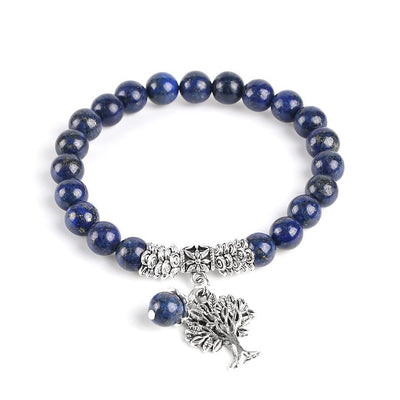
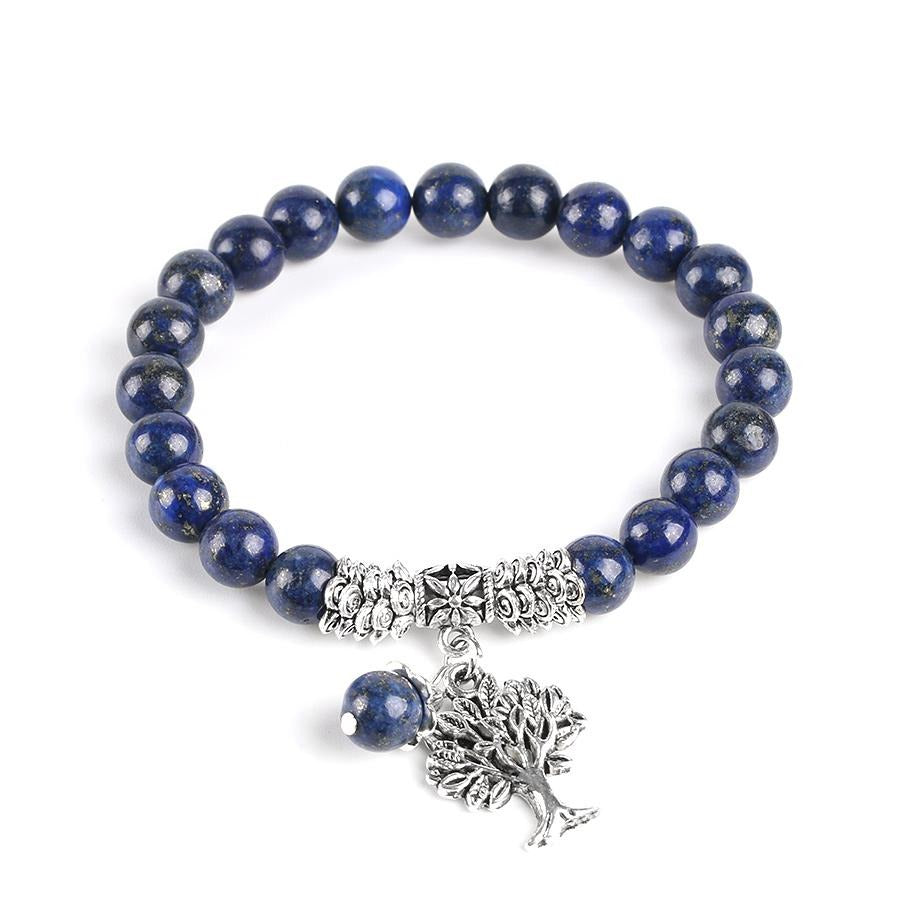
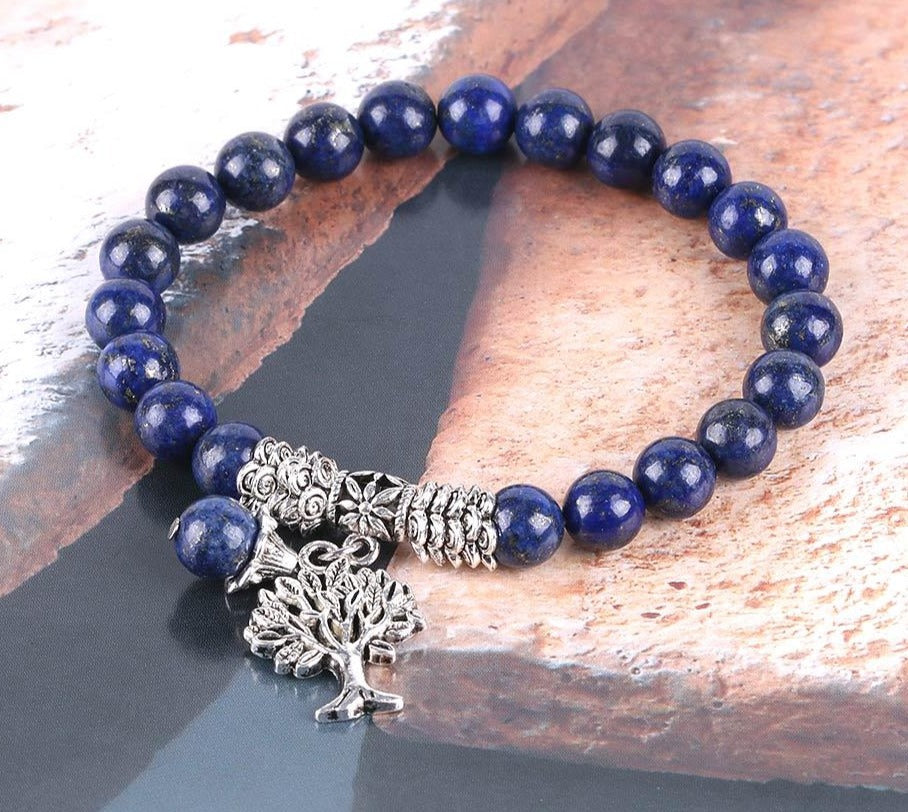
Lapislazuli Weisheit Stretch-Armband
$29.99
$39.99
Embrace the artistry and wisdom of blue stones, commonly paired with turquoise in many Native American styles. Learn more ➔
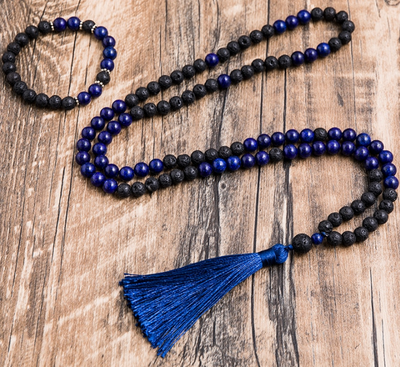
Weisheit der Zeitalter Lapislazuli-Zubehörset
$59.99
$79.99
Honor tradition with this lapis lazuli set, inspired by ritual jewelry and timeless cultural heritage. Learn more ➔
Caring for Your Turquoise Treasures
Turquoise is a relatively soft and porous stone, which means it requires gentle care to maintain its color and integrity over time. Proper maintenance ensures that your heirloom pieces can be passed down to future generations. Avoid exposing your jewelry to harsh chemicals, perfumes, or cleaning agents, as these can alter the color of the stone—a process often called "antiquing" but one that can damage the gem's value.

To clean your Navajo turquoise jewelry, use a soft polishing cloth for the silver components. For the stone itself, a simple wipe with a soft, damp cloth is sufficient. Never submerge turquoise in water or use ultrasonic cleaners. Storing your pieces in a dry place, separate from other harder gemstones that might scratch the turquoise, is the best practice for preservation.
Conclusion
Embracing Native American turquoise jewelry is a journey into a world of rich symbolism, artisan skill, and spiritual connection. Whether you are captivated by the bold silverwork of Navajo styles or the healing properties of the stone itself, these pieces offer a unique way to express your personal style while honoring indigenous heritage. By choosing authentic, handcrafted items, you support the continuation of these ancient artistic traditions. Let the "Sky Stone" bring a touch of the divine to your everyday life.
Frequently Asked Questions about Native American Turquoise Jewelry
Turquoise is revered as the "Sky Stone" in many Native American cultures, symbolizing protection, health, and connection to the spiritual realm. It is believed to bring good fortune and guard the wearer against negative energies.
Authentic Navajo jewelry typically features sterling silver and natural turquoise. Look for artisan hallmarks stamped on the back, substantial weight, and natural matrix patterns in the stone. Avoid pieces that look plastic or feel unusually light.
Traditional styles vary by tribe. Navajo styles are known for chunky stones and elaborate silver bezels. Zuni work often features intricate needlepoint or inlay designs, while Hopi artisans are famous for their silver overlay techniques without stones.
Turquoise is valued for its mythological origins and ability to sustain life and water. It represents the union of sky and earth and is essential in ceremonies for rain, healing, and blessings.
Clean your jewelry with a soft, dry cloth. Avoid water, soap, and ultrasonic cleaners, as turquoise is porous and can absorb chemicals that change its color. Store pieces separately to prevent scratching.