
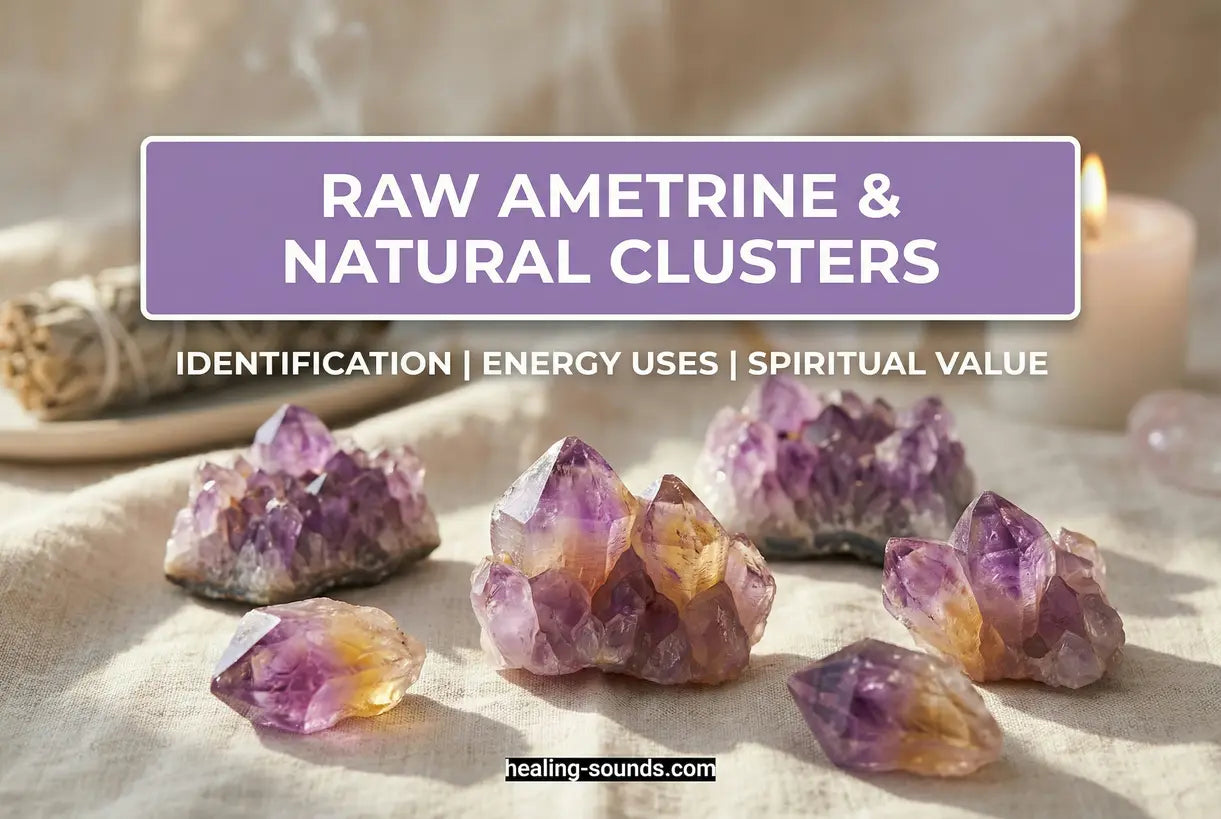
For crystal enthusiasts and collectors, few stones offer the captivating duality of natural ametrine. A geological marvel where Amethyst and Citrine coexist in a single crystal, this stone is as rare as it is beautiful. While the market is flooded with heat-treated imitations, finding authentic raw ametrine or a genuine ametrine cluster is a pursuit that rewards the spirit and the eye. This guide delves into the identification of true specimens and explores their potent spiritual applications.
Whether you are looking to balance your energy or add a unique geological formation to your altar, understanding the origins and properties of this bicolored gem is essential. We will explore how to distinguish natural stones from synthetics, the significance of unique formations like ametrine spirit quartz, and how to harness their harmonizing vibrations.
The Origins of Natural Ametrine
Does natural ametrine actually exist? The answer is a resounding yes, though it is incredibly rare. Virtually all commercial-quality natural ametrine comes from a single source: the Anahí Mine in Bolivia. Legend has it that the mine came to light in the 17th century when a Spanish conquistador received it as a dowry upon marrying a princess of the Ayoreos tribe named Anahí.
Geologically, raw ametrine is a variety of quartz. Its unique bicolor appearance—typically a blend of purple and yellow or orange—occurs due to differing oxidation states of iron within the crystal structure. This happens only under very specific natural conditions involving temperature gradients during the crystal's formation. Unlike synthetic versions created in labs through irradiation, genuine Bolivian ametrine carries the raw, unadulterated energy of the earth.
Identifying Genuine Raw Ametrine: Real vs. Fake
One of the most common questions we encounter is: How to tell real ametrine? Because Amethyst can be turned into Citrine via heat treatment, creating "fake" ametrine is technically possible and common in the jewelry trade. However, for raw ametrine collectors, there are specific tell-tale signs of authenticity.
1. Color Zoning and Transition
In authentic specimens, the boundary between the purple (Amethyst) and yellow (Citrine) sectors is often sharp and distinct, following the crystal's growth planes. In synthetic or lab-grown stones, the colors may blend too perfectly or look like they were dyed. Natural ametrine often exhibits "color zoning" that corresponds to the rhombohedral growth of the quartz.

2. Clarity and Inclusions
While high-grade cut gems are clean, a raw ametrine crystal will usually show natural inclusions, "feathers," or slight internal fracturing. If a raw piece looks like colored glass with absolutely no internal character, proceed with caution. Genuine stones possess a depth and "life" that glass imitations lack.

Unique Formations: Clusters and Spirit Quartz
While points and tumbled stones are common, finding an ametrine cluster or the elusive ametrine spirit quartz is a special event for collectors. These formations amplify the stone's inherent properties.
- Raw Clusters: These consist of multiple points radiating from a common base. They are excellent for radiating energy outwards in a room, creating a harmonious environment.
- Spirit Quartz (Cactus Quartz): Occasionally, you may find Spirit Quartz with ametrine coloration. This formation features a main crystal point covered in tiny, druzy crystals. It represents community and alignment, blending the master healing of quartz with the duality of ametrine.
To see examples of how to visually inspect these stones for authenticity, watch the guide below.
Spiritual Uses and Metaphysical Properties
The spiritual properties of ametrine are derived from its dual nature. It is the physical embodiment of balance. By combining the cerebral, spiritual energy of Amethyst (Crown Chakra) with the sunny, manifestation energy of Citrine (Solar Plexus Chakra), ametrine acts as a bridge between thought and action.
Balancing Masculine and Feminine Energies
Many energy healers use natural ametrine to balance masculine (active/Citrine) and feminine (receptive/Amethyst) energies within the body. It helps in removing energetic blockages that prevent you from acting on your intuition. If you feel stuck—having great ideas but no drive to execute them—an ametrine crystal is the recommended tool.

Enhancing Creativity and Clarity
This stone is often called the "Musician's Stone" or the "Artist's Stone." The Citrine component stimulates creativity and personal will, while the Amethyst component ensures that this creativity is guided by higher wisdom. Meditating with a double terminated ametrine wand can help facilitate a flow of creative ideas that are both innovative and spiritually grounded.
Rare Ametrine Formations for Your Collection
Value, Rarity, and Care
Is ametrine worth anything? Due to its single-source origin in Bolivia, high-quality raw ametrine is becoming increasingly valuable. Prices vary significantly based on color intensity and the distinctiveness of the split between purple and gold. Large, clean specimens with a 50/50 color split are considered the most desirable for investors and collectors.
To care for your stone, avoid prolonged exposure to direct sunlight, as UV rays can fade the vibrant colors of both the Amethyst and Citrine components over time. Cleanse physically with warm soapy water, and energetically with smoke (sage or palo santo) or sound (singing bowls), rather than salt water, which can be harsh on raw formations.

Conclusion
Authentic natural ametrine is more than just a beautiful collector's item; it is a powerful tool for harmonization and clarity. By understanding how to identify genuine raw ametrine and recognizing the value of unique formations like clusters, you ensure that the energy you bring into your space is pure and potent. Whether you are drawn to it for its rarity or its ability to unite the head and the heart, a true ametrine specimen is a treasure worth seeking.
Frequently Asked Questions about Natural Ametrine
Yes, ametrine occurs naturally, but it is extremely rare. Almost all commercially available natural ametrine comes from the Anahí Mine in Bolivia. It forms when different oxidation states of iron occur within the crystal due to varying temperatures during growth.
Yes, natural ametrine is valuable due to its rarity and single-source origin. The value increases with the intensity of the colors, clarity, and the distinctiveness of the separation between the purple and yellow zones.
Real ametrine shows distinct color zoning, often with sharp geometric lines separating the purple and yellow. Synthetic versions may have mixed, muddy colors or look too perfect. Real raw ametrine also typically contains natural inclusions.
Yes, chemically and physically, ametrine is a variety of quartz that contains sectors of both amethyst (purple) and citrine (yellow/orange) within the same crystal structure.
Spiritually, natural ametrine represents balance and harmony. It blends the soothing, intuitive energy of Amethyst with the energizing, manifesting power of Citrine, helping to unite masculine and feminine energies and bridge intellect with intuition.