For crystal enthusiasts and spiritual seekers alike, few gemstones are as cherished as Citrine. Known as the "Merchant's Stone" for its association with abundance and manifestation, it is a staple in many collections. However, a significant confusion exists in the gemstone market: the difference between natural citrine and heat-treated stones. Whether you are looking to harness its healing properties or simply admire its beauty, knowing how to identify real citrine is essential to ensuring you get exactly what you pay for.
The vast majority of citrine available on the commercial market today is actually heat-treated amethyst or smoky quartz. While these stones are still chemically silicon dioxide, they lack the specific geological history of true citrine. This guide will walk you through the visual and energetic distinctions, empowering you to spot the difference between raw natural citrine and its altered counterparts with confidence.
What is Natural Citrine?
Natural citrine is a variety of quartz that derives its color from trace amounts of iron or aluminum, combined with natural irradiation from the earth over millions of years. It is relatively rare compared to other forms of quartz. Its formation occurs deep within the earth, resulting in a stone that carries a stable, gentle energy often prized by healers.
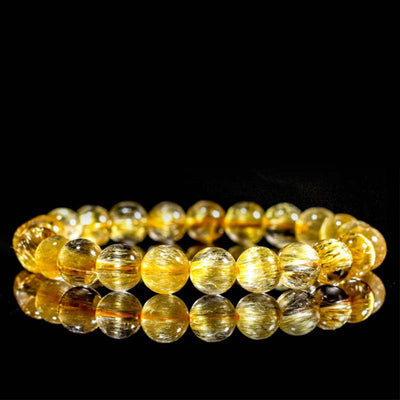
Unlike the vibrant, almost burnt hues seen in treated stones, authentic citrine typically presents a much softer palette. The colors range from a pale, translucent yellow to a smoky, champagne gold. It is known for its clarity and uniform color distribution, lacking the stark white base often found in treated geodes.

The Reality of Heat-Treated Citrine
To meet the high demand for this sunny gemstone, miners and manufacturers often heat-treat amethyst (purple quartz) or smoky quartz. When amethyst is baked at high temperatures (typically between 800-900 degrees Fahrenheit), its color shifts from purple to orange-yellow. This resulting stone is chemically identical to citrine but is often referred to in the trade as "burnt amethyst."
While citrine heat treated specimens are widely accepted in the gem trade and can still be beautiful, transparency is key. Many buyers unknowingly purchase these heat-treated stones believing they are acquiring rare natural citrine. Understanding this distinction is the first step in citrine identification.
Key Differences: How to Identify Real Citrine
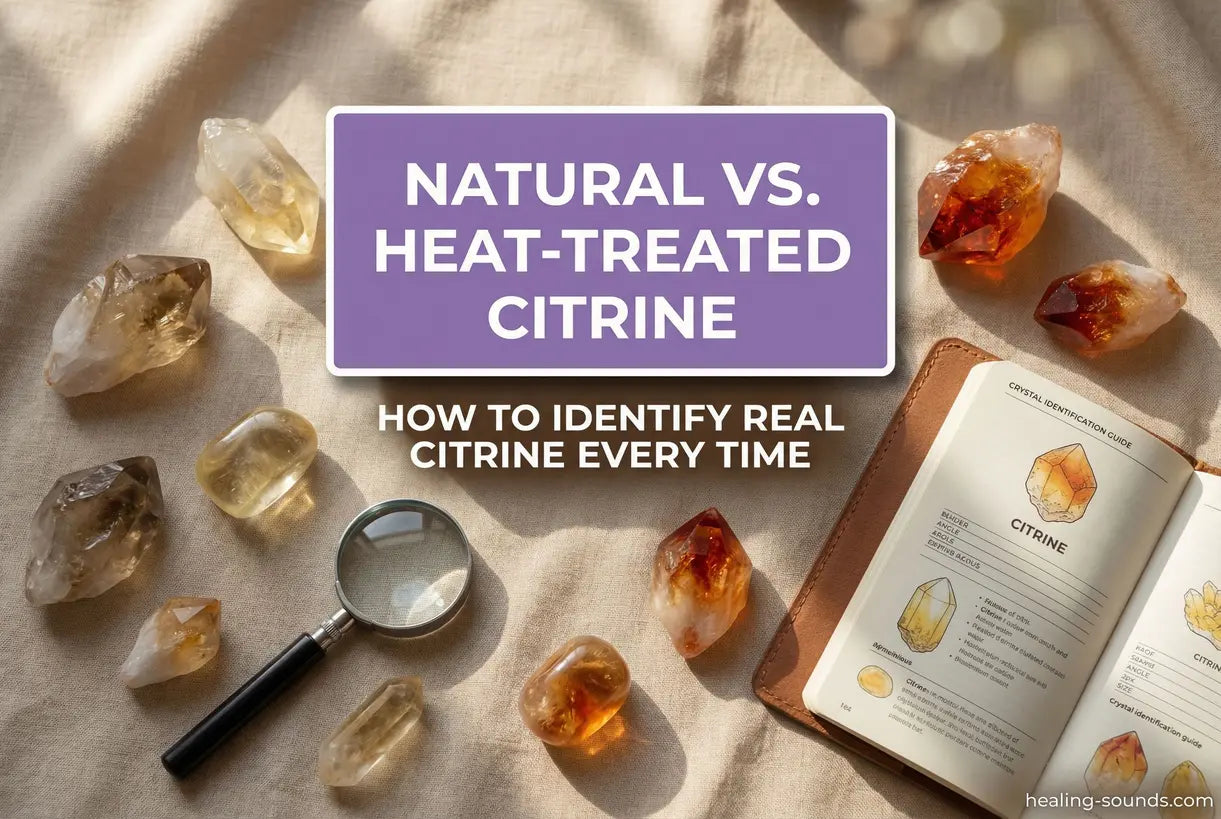
Distinguishing between natural citrine vs fake or treated stones relies heavily on visual observation. There are three main factors to look for: color, shape, and clarity.

1. Color Saturation
The most giveaway sign is the color. Real citrine has a consistent, uniform hue. It often looks like pale white wine, honey, or a smoky tea color. It is rarely opaque. In contrast, heat-treated stones often exhibit intense, reddish-orange or amber tints, particularly at the tips, fading into a stark white base.
2. The White Base
If you see a crystal cluster that has bright orange tips but an opaque, solid white bottom (the matrix), it is almost certainly heat-treated amethyst. Natural citrine does not usually grow in geode clusters with a white base; it forms in points or massive chunks with consistent clarity throughout the stone.

3. Crystal Formation
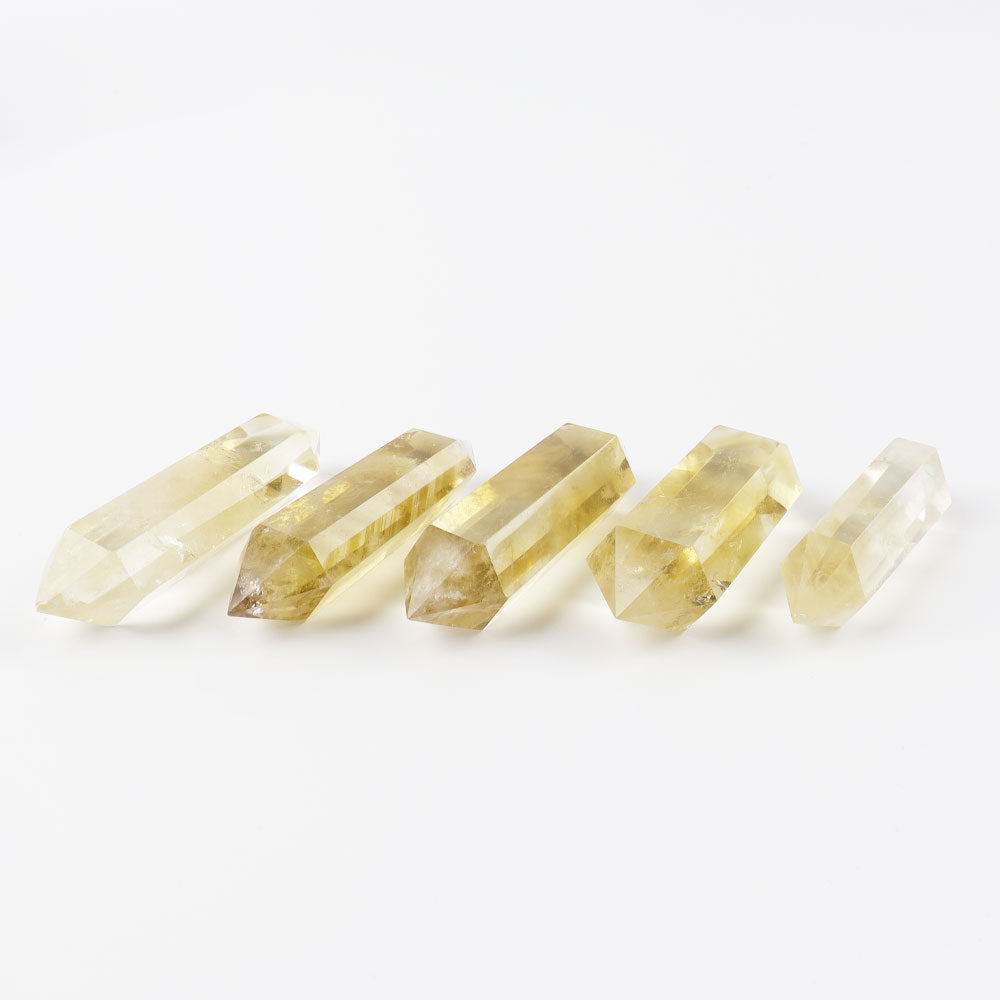
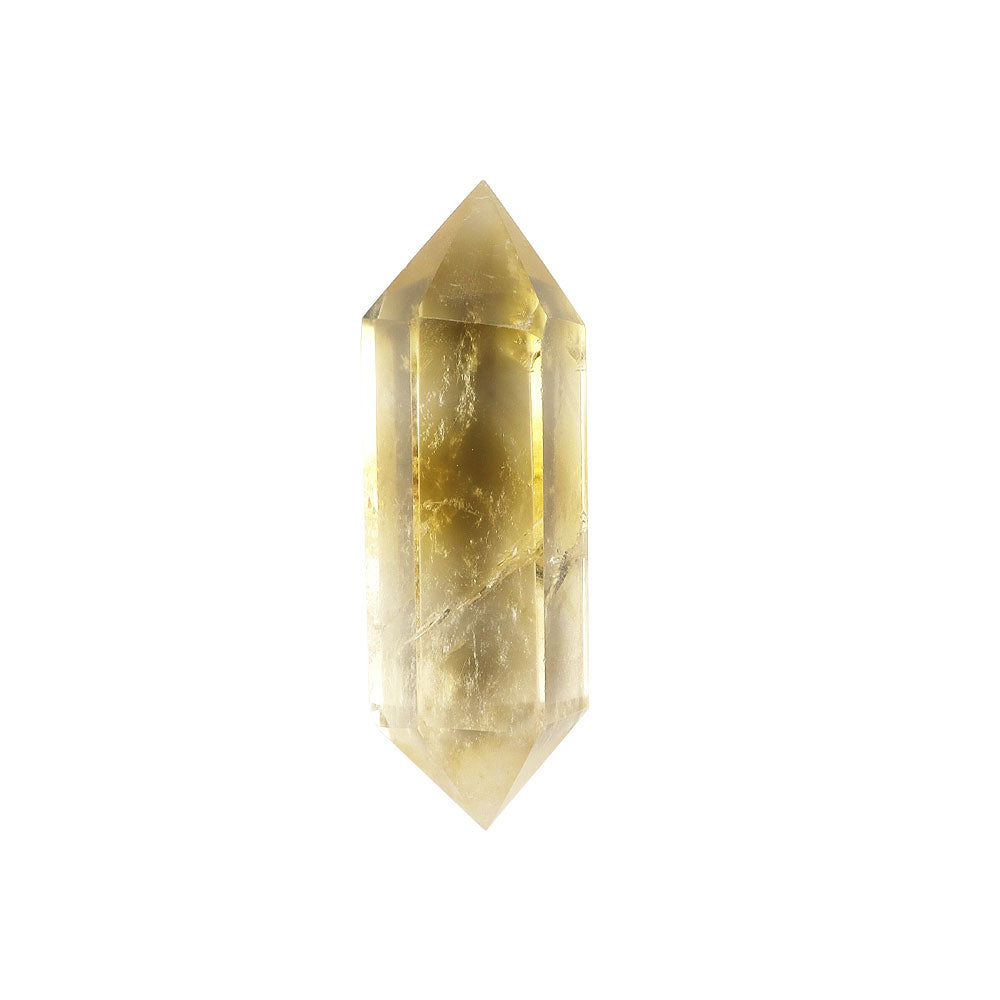
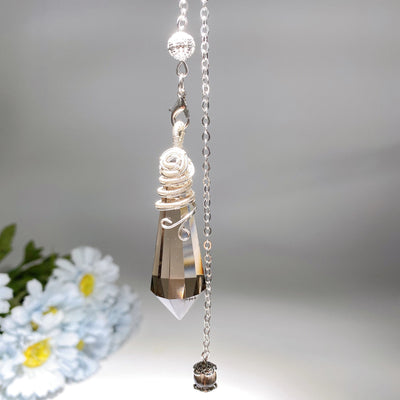
Raw natural citrine most commonly forms as individual points or long, slender crystals, often double-terminated. The popular "citrine caves" or geodes found in gift shops are virtually always heat-treated amethyst from Brazil or Uruguay.
For those learning to identify these formations, handling raw citrine points can be an excellent educational experience. Examining the termination and clarity of a genuine point provides a baseline for comparison.

Set mit 5 Citrin-Doppelendkristallspitzen, 1,5–3 Zoll
$49.90 $79.90
Elevate your citrine identification skills with a set of real citrine points, perfect for first-hand comparison and energy work.
Explore ProductVisual Guide to Identification
Sometimes, seeing the stones side-by-side is the best way to learn. The video below provides a comprehensive visual walkthrough of the differences we have discussed, helping you train your eye to spot true citrine instantly.
Energetic Differences and Usage
For spiritual practitioners, the distinction between natural citrine and treated stones often comes down to energy. Geological experts confirm the structural similarities, but healers report different vibrations.
- Natural Citrine Meaning: It is said to carry the energy of the sun—gentle, warming, and comforting. It is often used for sustainable manifestation, mental clarity, and clearing the solar plexus chakra without being overwhelming.
- Heat-Treated Citrine: Because it starts as amethyst, it retains some of amethyst's intuitive energy but "supercharged" by heat. It tends to have a more intense, buzzing energy that can be great for quick jolts of motivation but might be too erratic for sensitive users.
Wearing authentic citrine close to the head or crown chakra is a popular method for inviting mental clarity and positive thoughts. Accessories made with genuine stones allow you to carry this subtle, high-frequency energy throughout your day.
Wear Authentic Citrine Energy

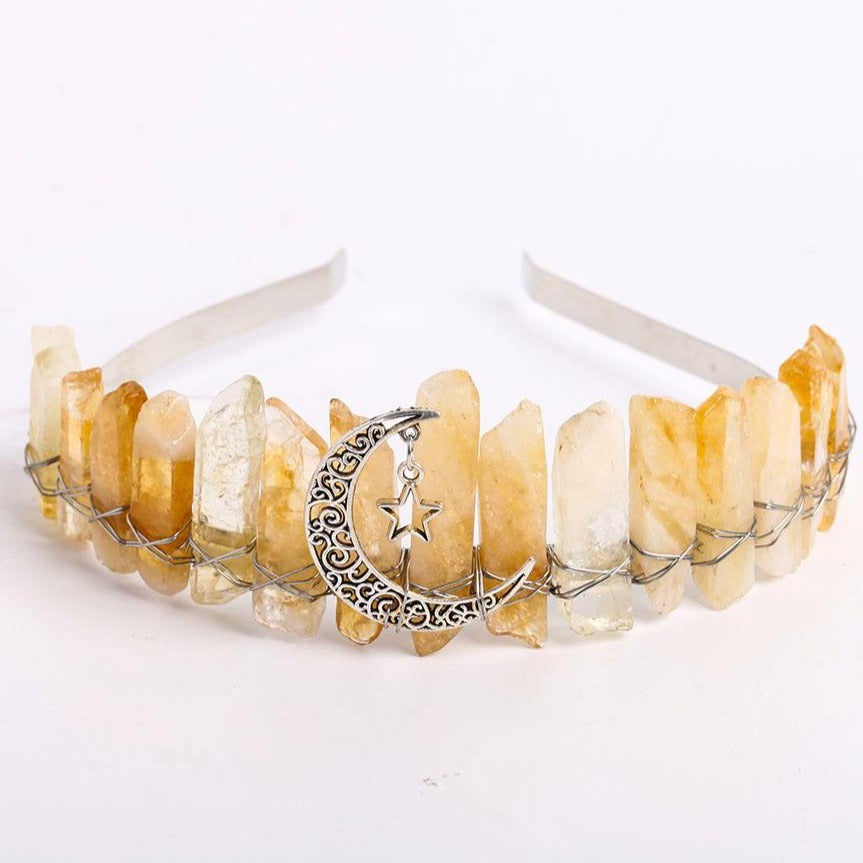
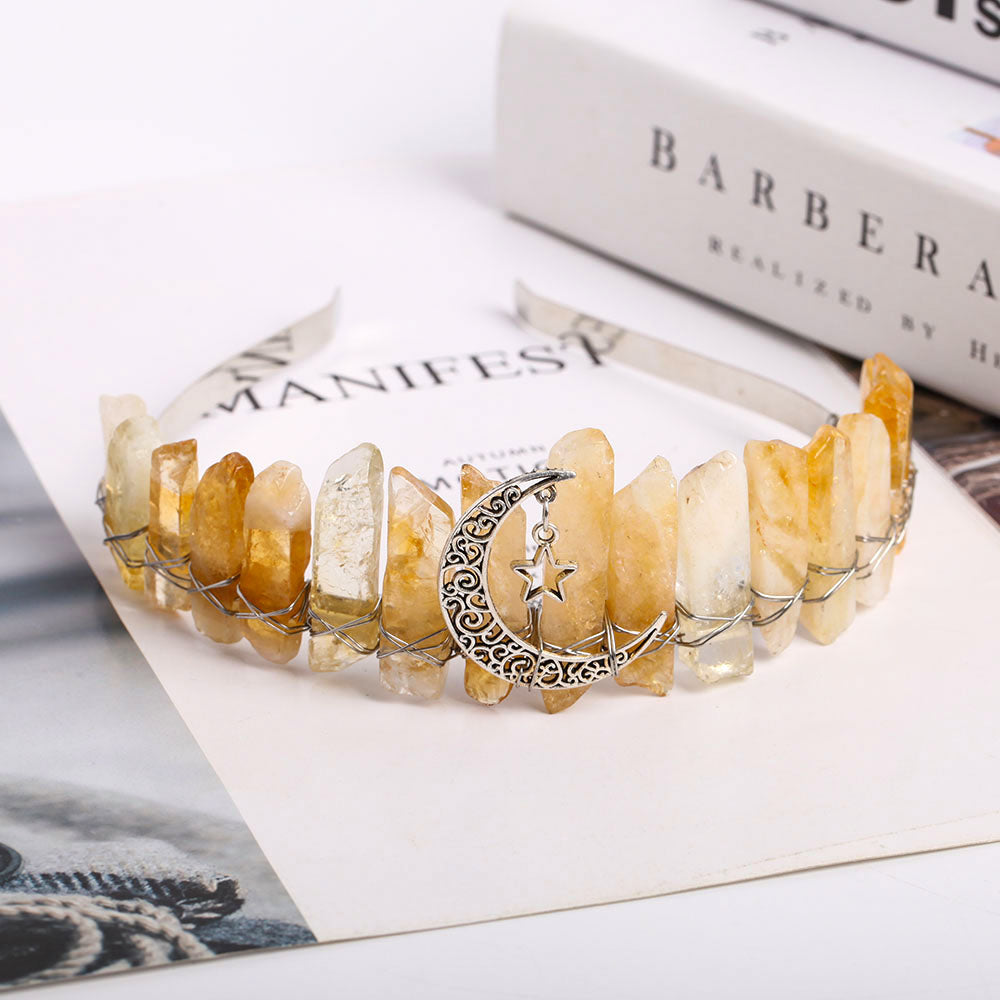
Citrin-Kristall-Kronen-Stirnband für positive Energie
$39.90
$59.90
Experience the radiance of genuine citrine with this unique crown—showcasing what real, untreated citrine looks and feels like. Learn more ➔

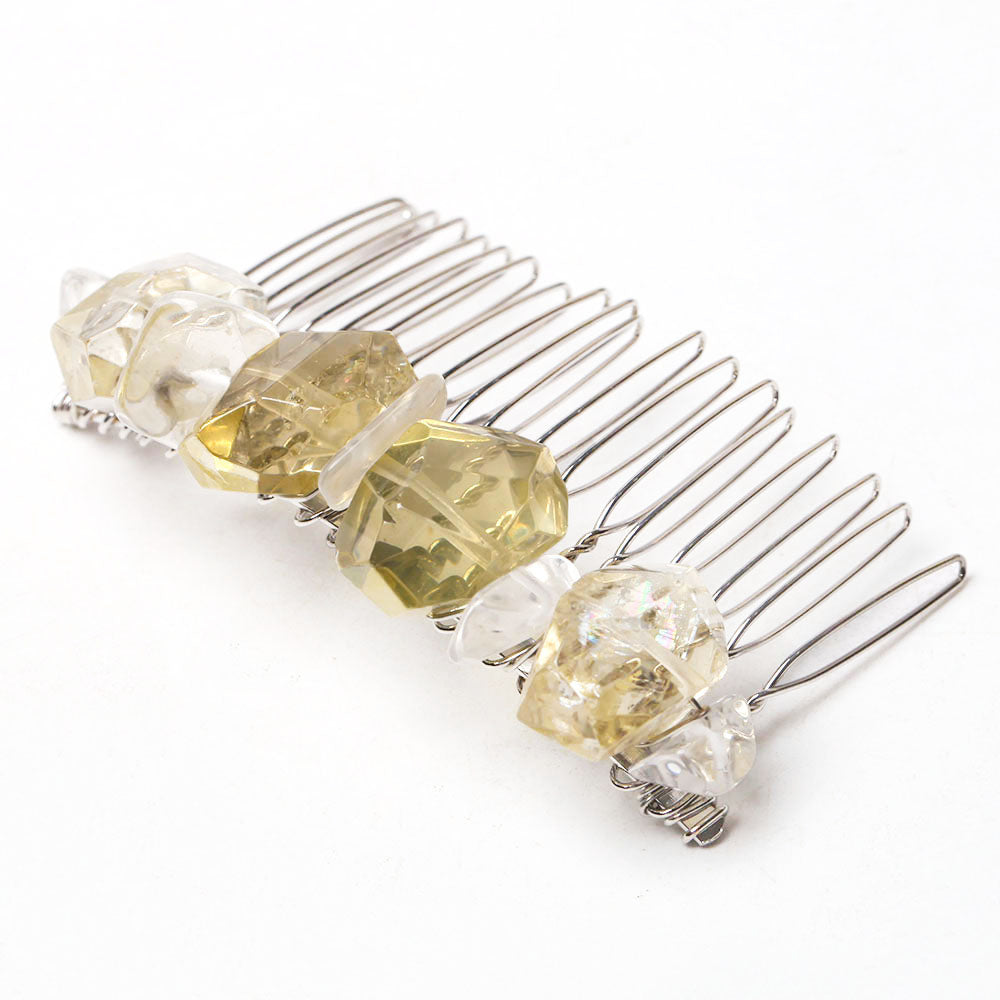
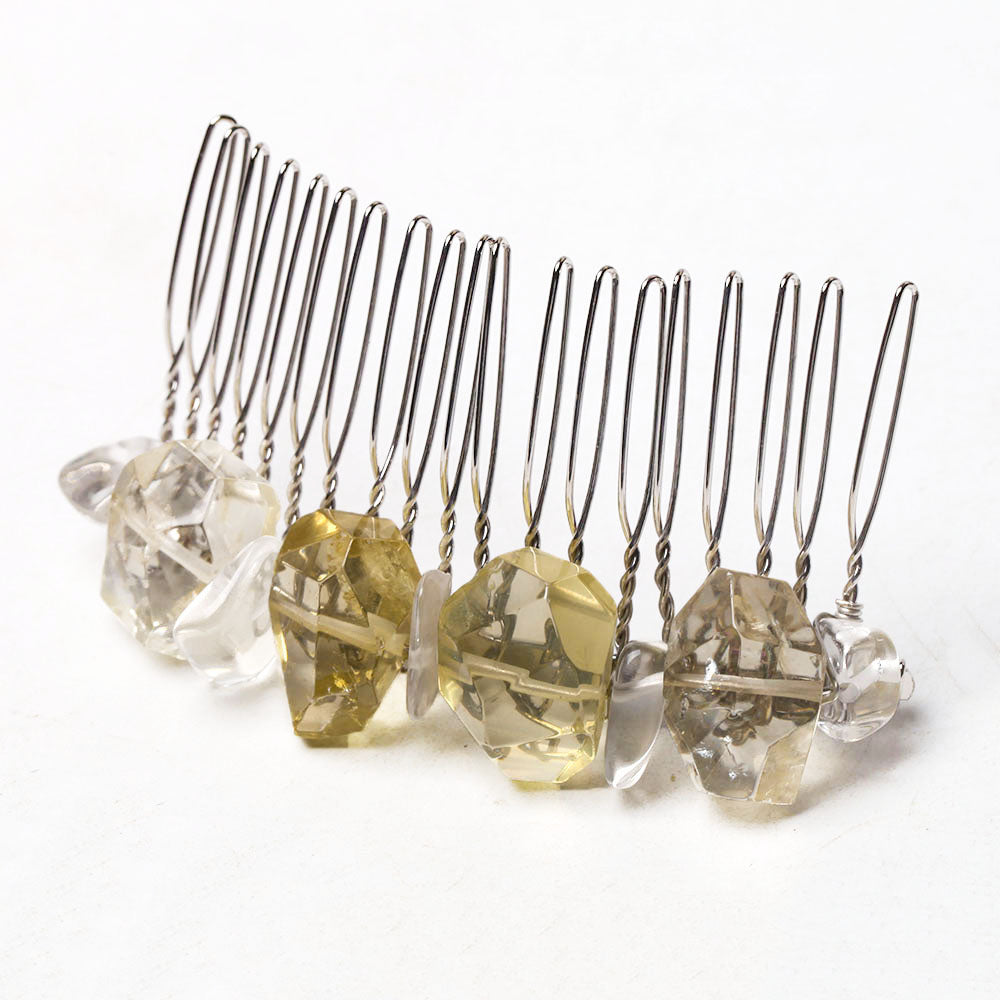
3-Zoll-Citrin-Kristall-Kronenkamm zur Chakra-Heilung
$29.90
$38.90
Hold and examine authentic citrine points as part of this decorative comb, an ideal tool for learning about natural vs. treated citrine. Learn more ➔
Buying Guide: Pricing and Common Scams
When shopping, price is often a strong indicator of authenticity. Because natural citrine is rare, it commands a higher price than the abundant heat-treated variety. If you see a bright orange "citrine" geode for a very low price, it is almost certainly treated.
Another thing to watch out for is glass. While less common than heat-treated quartz, completely fake citrine made of colored glass does exist. These fakes will often have bubbles inside (which quartz never has) and will feel warm to the touch faster than real crystal. Always ask the seller directly: "Is this natural citrine or heat-treated?" A reputable seller should know the difference and answer honestly.

Conclusion
Identifying natural citrine requires a keen eye for color, clarity, and formation. While heat-treated stones have their own place in the market, understanding the difference ensures that you connect with the specific energy you are seeking. By looking for the tell-tale champagne hues and lack of white matrix, you can build a collection of authentic citrine that resonates with the true vibration of abundance and clarity.
Frequently Asked Questions about Natural Citrine Identification
Yes, natural citrine is real. It is a genuine variety of quartz that turns yellow or smoky-gold due to natural geological heat and pressure over thousands of years, unlike the more common heat-treated amethyst found in many shops.
Natural citrine is significantly more expensive than heat-treated stones due to its rarity. While treated points might cost a few dollars, high-quality natural citrine points or jewelry can range from $20 to several hundred dollars depending on clarity, size, and origin.
Spiritually, citrine is known as the "Merchant's Stone" or the "Success Stone." It is associated with the Solar Plexus chakra and is believed to promote abundance, manifestation, personal will, and mental clarity.
Generally, citrine is considered safe for everyone. However, some people who are very sensitive to energy might find the intense vibration of heat-treated citrine slightly overwhelming or agitating. Natural citrine is usually gentler. Those prone to quick temper might want to use it sparingly or pair it with grounding stones.
Real, natural citrine looks like pale yellow, champagne, or smoky-brown glass. It usually has high clarity and lacks the stark white base or bright, burnt-orange tips that characterize heat-treated amethyst.