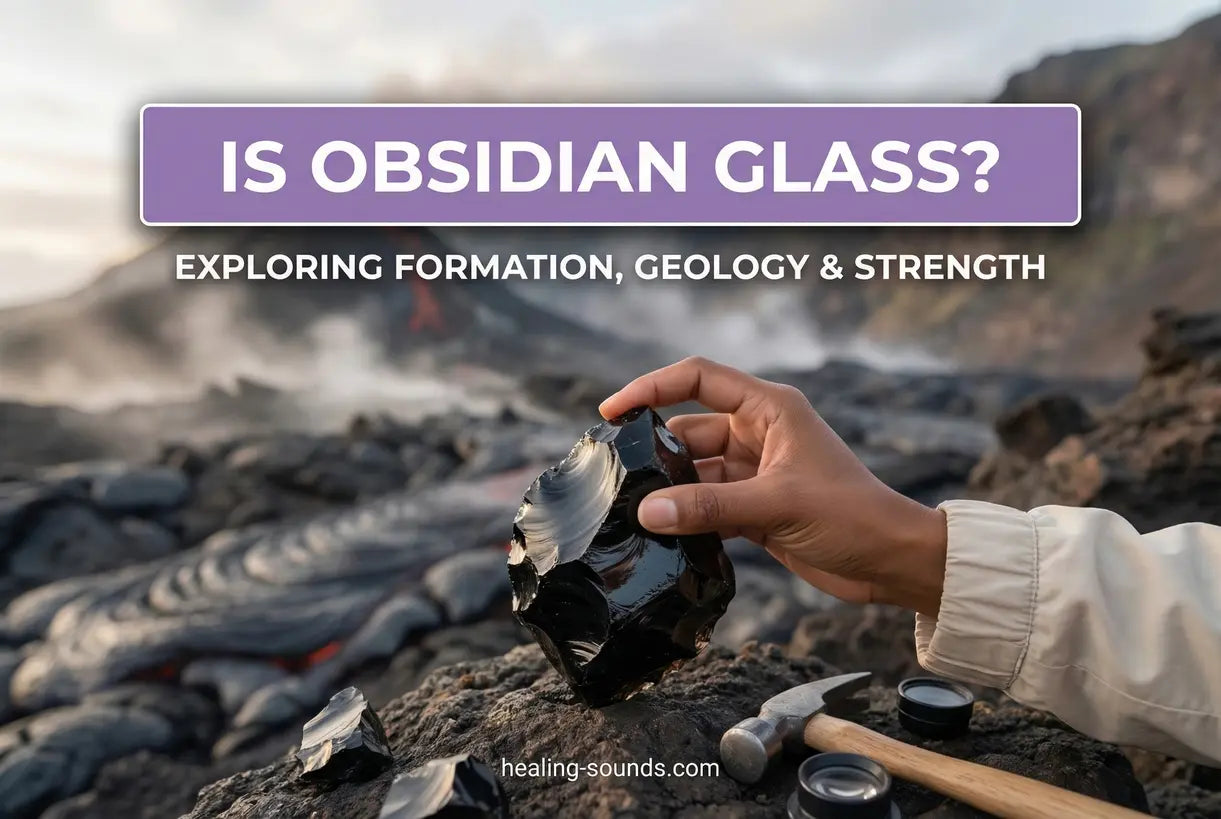
Have you ever held a smooth, glossy black stone and wondered about its origins? Many geology enthusiasts and jewelry lovers ask the fundamental question: Is obsidian glass? The answer is a resounding yes. Obsidian is a naturally occurring volcanic glass formed from rapidly cooling lava. Unlike traditional minerals that develop crystalline structures over time, obsidian is born from the fiery intensity of a volcano, freezing so quickly that atoms are locked in a disordered state.
For those fascinated by the Earth's geological processes, obsidian glass represents a bridge between the raw power of nature and delicate beauty. Whether you are interested in obsidian formation, its unique physical properties, or its historical use as a sharp cutting tool, understanding this material reveals why it has captivated humans for thousands of years.
Defining Obsidian: Glass or Mineral?
To understand what obsidian is, we must first distinguish it from standard minerals. While it is often found alongside crystals in shops, obsidian volcanic glass is technically classified as a mineraloid. A mineral must have a specific chemical composition and an ordered crystalline structure. Because obsidian lacks this internal order, it does not qualify as a true mineral.
Instead, it is defined as an amorphous solid. This structure is what gives obsidian glass its distinctive smooth texture and shiny luster. It is chemically similar to granite and rhyolite, composed primarily of silicon dioxide (silica), but its rapid formation sets it apart, resulting in a natural black glass that is unlike any other rock.

How is Obsidian Formed?
The creation of obsidian is a dramatic geological event. It begins deep within the earth where molten rock, known as magma, is rich in silica. When this magma erupts from an obsidian volcano, it becomes lava. The key to obsidian's formation is the speed at which this lava obsidian cools.
If lava cools slowly, crystals have time to grow, forming rocks like granite. However, when felsic lava contacts air or water and cools almost instantly, crystallization is impossible. This process freezes the molten rock in place, resulting in the uniform, glassy texture we recognize today. This rapid cooling is often associated with the edges of a lava flow or where lava contacts water bodies.
Obsidian Strength and Physical Properties
One of the most common questions regards obsidian strength. Is it fragile like a window pane, or strong like a rock? In terms of hardness, obsidian rates about 5 to 6 on the Mohs scale, making it harder than standard window glass but softer than quartz. However, "strength" can be misleading. Obsidian is brittle, meaning it breaks easily upon impact.
Despite its brittleness, obsidian possesses a unique property called a conchoidal fracture. When it breaks, it creates curved, razor-sharp edges that are smoother and sharper than the finest surgical steel. This is why obsidian flint was historically prized for arrowheads and blades. The edge of a fractured piece of obsidian can be as thin as a single molecule, a feat modern metallurgy struggles to replicate.

Halskettenanhänger aus schwarzem Obsidian mit Amphioxus-Symbol
$24.90 $35.90
Showcase volcanic glass origins and strength with this obsidian pendant—perfect for grounding and resilience.
Explore Product
Appearance and Composition
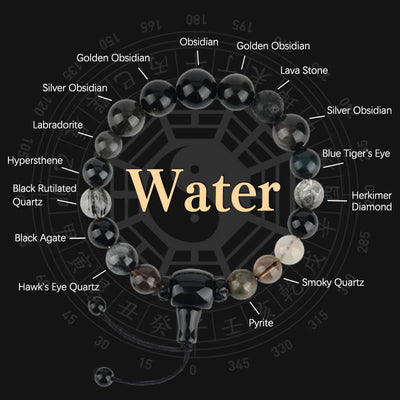
While we typically think of it as black, volcanic glass properties can vary. Pure obsidian is dark, but the presence of impurities like iron and magnesium often results in the deep black color most are familiar with. If the lava contained magnetite nanoparticles, you might see an iridescent sheen, known as Rainbow Obsidian. Hematite inclusions can create reddish-brown hues, leading to Mahogany Obsidian.

The glossy appearance is directly linked to its high silica content, usually over 70%. This composition creates a highly viscous lava that polymerizes quickly upon cooling, contributing to the glassy sheen that makes it so desirable for jewelry and ornamentation.
Historical and Modern Uses
Historically, the sharpness of obsidian glass was its most valuable trait. Ancient civilizations utilized it to craft scalpels, scrapers, and weapons. Today, some surgeons still use obsidian blades for precise procedures because the ultra-fine edge causes less tissue trauma than steel scalpels, promoting faster healing.

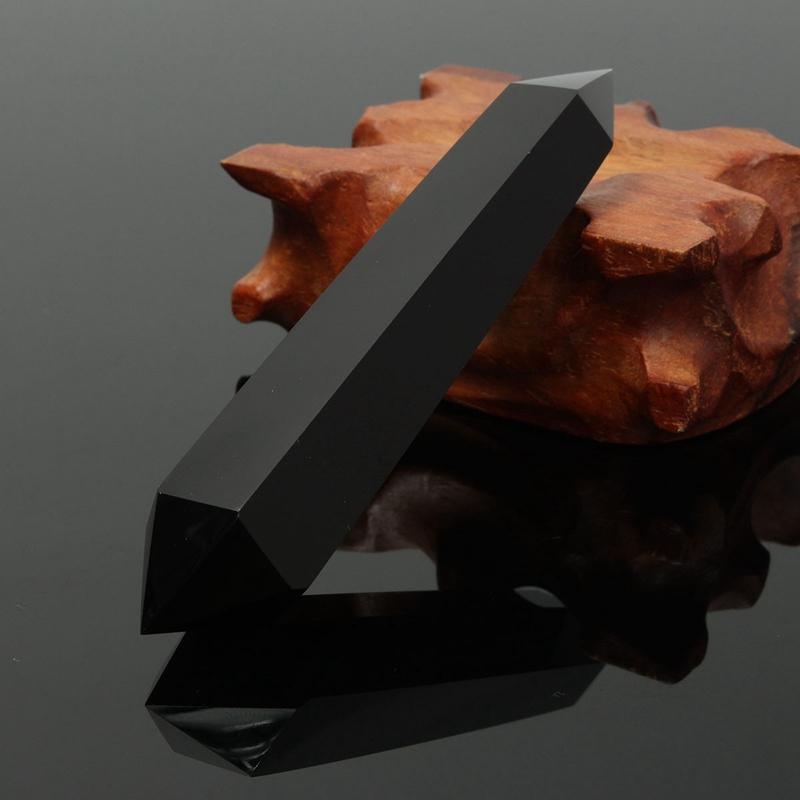
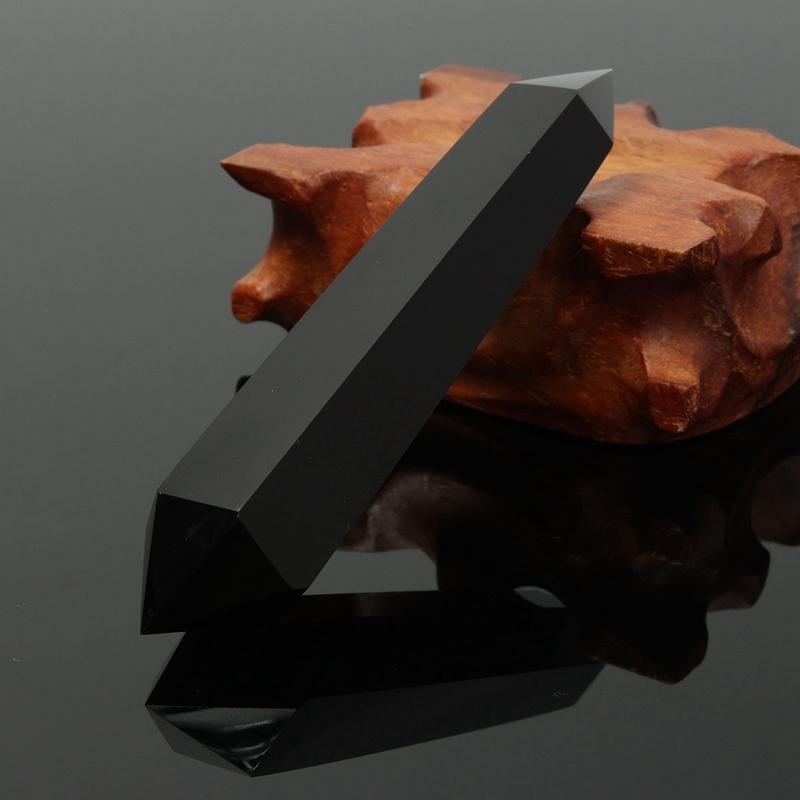
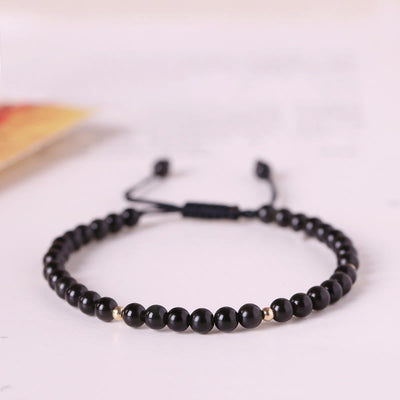
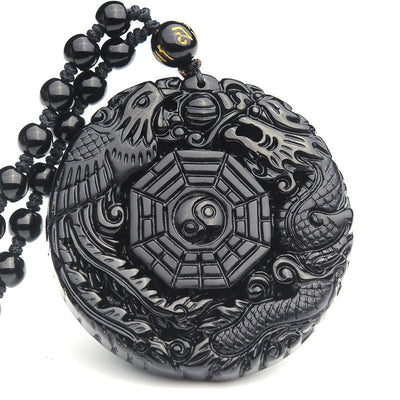
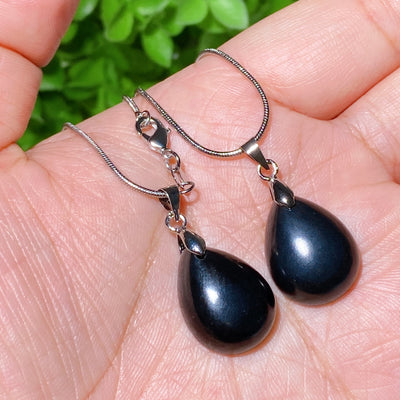
Beyond utility, obsidian is cherished in the world of jewelry and crystal healing. Its grounding energy and striking black aesthetic make it a favorite for bracelets, pendants, and decorative towers. Whether you appreciate it for its geological wonder or its protective symbolism, obsidian remains a powerful connection to the Earth's volcanic nature.
Obsidian Volcanic Glass Collection

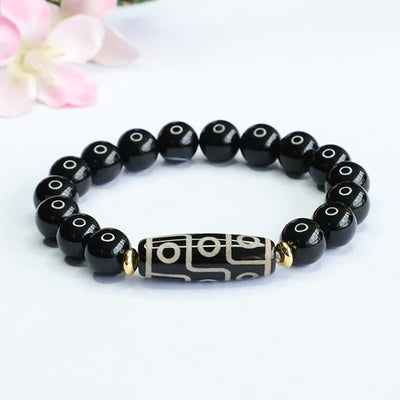
10 mm Obsidian Grau Jaspis Naturschutzarmband
$35.90
$51.90
Experience the strength and geological beauty of obsidian glass in this stylish grounding bracelet. Learn more ➔
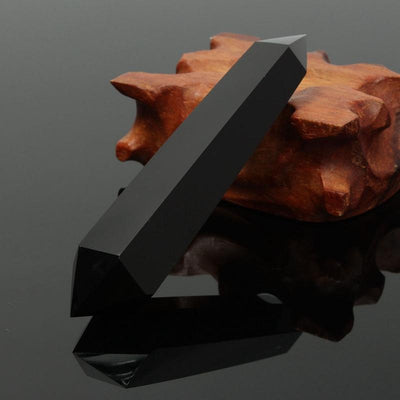
Obsidianturm für Klarheit und persönliche Ausrichtung
$39.99
$49.99
Highlight obsidian's nature as volcanic glass—this decorative tower symbolizes clarity and natural strength. Learn more ➔
Conclusion
So, is obsidian glass? Absolutely. It is a testament to the dynamic power of our planet, capturing the heat of a volcano in a solid, glass-like form. From its rapid formation to its incredible sharpness, obsidian is a material that commands respect. Whether used as a primitive tool or worn as a modern symbol of strength and grounding, obsidian volcanic glass continues to be one of geology's most fascinating creations.
Frequently Asked Questions about Obsidian Glass
Obsidian is considered a mineraloid, which is a naturally occurring volcanic glass. It is not a mineral because it lacks a crystalline structure due to rapid cooling.
It forms when felsic lava rich in silica cools extremely rapidly, preventing crystals from growing. This often happens when lava flows into water or cools quickly at the surface.
The glassy appearance is due to its amorphous structure. Without internal crystals to scatter light, and with a high silica content, the surface reflects light smoothly like manufactured glass.
Obsidian is generally harder than standard window glass, rating 5-6 on the Mohs scale compared to 5.5 for glass. However, both are brittle and can shatter easily upon impact.
Yes. Historically it was used for incredibly sharp cutting tools and arrowheads. Today, it is widely used in jewelry making for its beauty and in surgical scalpels for its precision.