When most people think of obsidian, they visualize a deep, glossy black stone—mysterious, protective, and void of light. However, the world of volcanic glass is far more colorful and diverse than many realize. From the shimmering iridescence of rainbow varieties to the striking patterns of snowflake stones, the different obsidian types offer a fascinating spectrum of beauty and energy for collectors and spiritual practitioners alike.
For the crystal enthusiast seeking to expand their collection, understanding these unique variations is key. Whether you are looking for rare obsidian to serve as a centerpiece on your altar or a specific colored obsidian to align with a particular chakra, knowing how to identify these stones is essential. In this guide, we will explore the geology and spirituality behind these volcanic marvels, helping you distinguish authentic natural wonders from synthetic imitations.

The Geology of Obsidian: How Colors Form
Obsidian is technically not a mineral but a mineraloid—a naturally occurring volcanic glass formed when felsic lava cools so rapidly that crystals do not have time to grow. While pure obsidian is dark due to the presence of iron and magnesium, the presence of various impurities and inclusions creates the stunning array of obsidian types we see today.
The variations in color and pattern, such as in banded obsidian or sheen varieties, are often caused by trace elements like iron oxide (hematite) or the inclusion of microscopic crystals and gas bubbles. These elements align within the lava flow, freezing in time to create unique visual effects that differentiate rare obsidian from the common black variety.

Regenbogen-Obsidian-PiXiu-Halskette, 43 mm, Unisex-Schutz
$39.90 $57.90
Showcase obsidian's color magic with this rainbow obsidian necklace for powerful protection and spiritual transformation.
Explore ProductCommon and Colored Obsidian Varieties
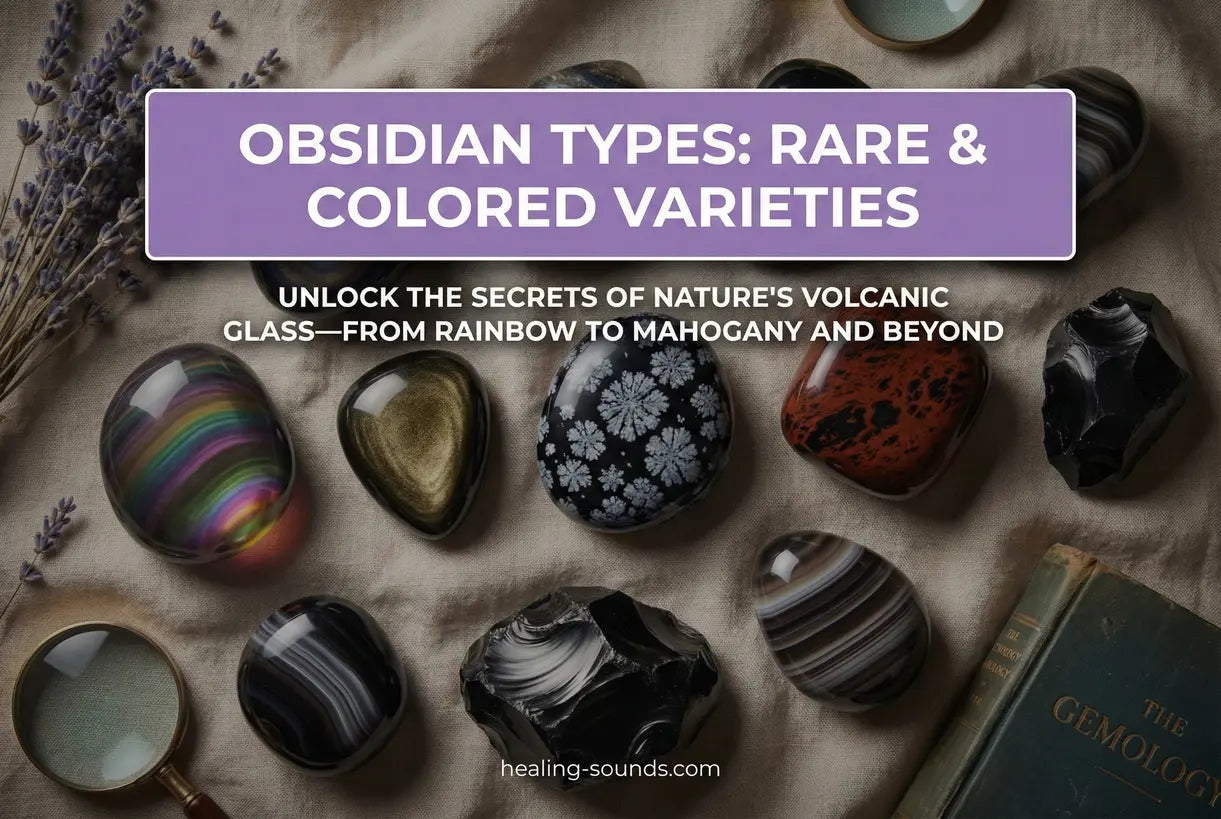
While black obsidian is the most abundant, several colored obsidian varieties are highly sought after for their aesthetic appeal and distinct energetic properties. Here are some of the most beloved types you might encounter.
Rainbow Obsidian
One of the most gentle and uplifting stones, rainbow obsidian appears black at first glance but reveals mesmerizing bands of blue, green, purple, or gold when held under bright light. This effect is caused by nanoparticle inclusions of magnetite or hedenbergite oriented in layers. Metaphysically, it is known as a stone of joy, helping to alleviate heaviness and bring light into the aura.
Snowflake Obsidian
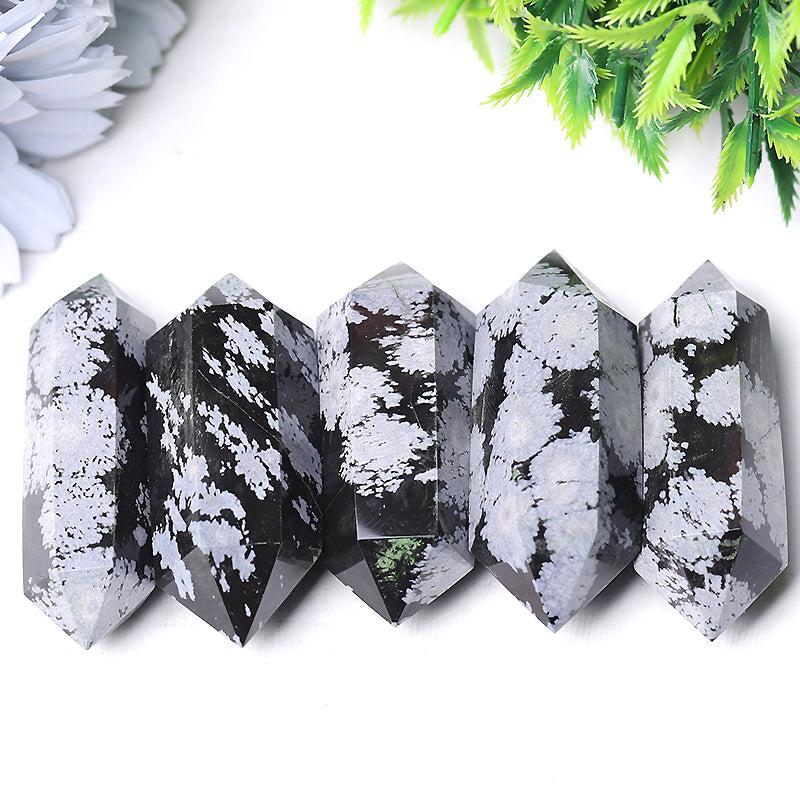
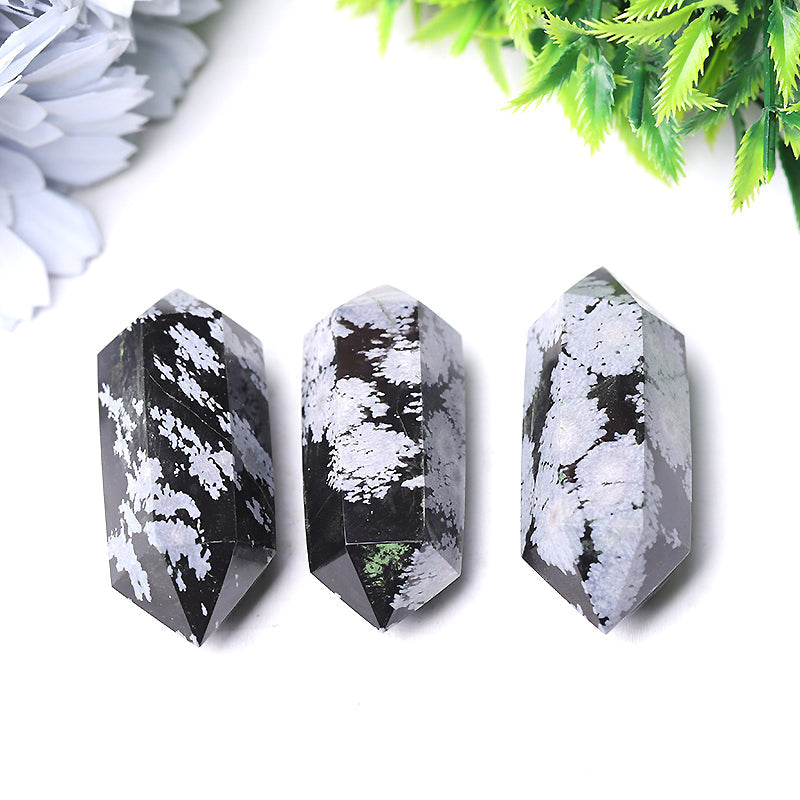
Easily identified by its black base scattered with white or gray "snowflake" patterns, this variety gets its look from the partial crystallization of the mineral cristobalite. It is a stone of purity and balance, often used in meditation to help quiet the mind and recognize ingrained patterns of behavior.



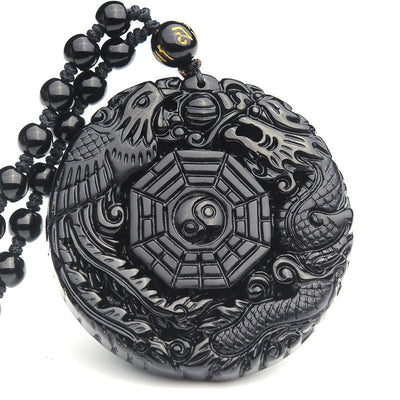
Mahogany Obsidian
Rich with earthy reddish-brown and black swirls, mahogany obsidian gets its distinctive color from high concentrations of oxidized hematite (iron). It is considered a deeply grounding stone, often used to stimulate growth, strength, and stability in one's life.
Sheen Obsidian (Gold and Silver)
Similar to rainbow varieties, gold and silver sheen obsidians display a lustrous, chatoyant reflection on their surface. This is due to gas bubbles being trapped in the lava flow and stretched flat. These obsidian types are favored for scrying and uncovering hidden truths.

Exploring Rare and Banded Obsidian
Beyond the well-known varieties, there are several types of rare obsidian that are prized by serious collectors. These stones often feature intricate patterns known as flow banding, where layers of lava with slightly different compositions folded over each other during cooling.
- Midnight Lace Obsidian: A highly translucent variety with intricate, lacy black bands suspended in clear or smoky glass. It is ethereal and often difficult to source.
- Fire Obsidian: incredibly rare, found primarily in Oregon, USA. It displays thin layers of magnetite that create a brilliant iridescence similar to opal.
- Spiderweb Obsidian: Features a web-like pattern of gray or blue lines against a dark background, offering a unique visual texture.
These banded obsidian types are not only geologically significant but are also believed to possess specialized frequencies for energy work, particularly in navigating complex emotional landscapes.
Real vs. Synthetic Obsidian: How to Spot the Difference
With the popularity of colored obsidian, the market has seen an influx of "synthetic obsidian"—which is essentially just mass-produced colored glass. Discerning between natural volcanic glass and man-made imitations is crucial for healing practices.
Authentic obsidian usually has a dark body tone. Even translucent varieties like Apache Tears or Midnight Lace appear dark until held up to the light. Furthermore, natural stone often contains tiny imperfections, flow lines, or inclusions, whereas synthetic glass is often perfectly uniform and may contain round air bubbles.
Enhance Your Practice with Authentic Obsidian

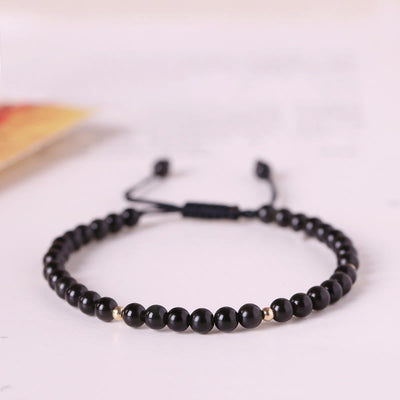
Experience gentle protection and emotional healing with this multilayer obsidian bracelet featuring iridescent beads. Learn more ➔

2-2,5 Zoll Schneeflockenobsidian Doppelendspitze
$15.90
$20.90
Highlight obsidian's diversity with this snowflake obsidian point, perfect for grounding and meditative clarity. Learn more ➔
Choosing the Right Obsidian for You
When selecting among the different types of obsidian, trust your intuition. While Black Obsidian is the ultimate shield against negativity, you might find that the softer energy of Snowflake Obsidian resonates better with your current emotional state. If you are seeking to cut through illusions and find joy in the process, Rainbow Obsidian is an excellent ally.

Whether you are drawn to the fiery flash of rare varieties or the grounding stability of mahogany, each stone carries the primordial energy of the earth's core. For more detailed mineralogical information on these stones, reputable sources like Mindat.org provide excellent scientific data to complement your spiritual knowledge.
Conclusion
From the protective cloak of midnight black to the shimmering hope of rainbow and sheen varieties, obsidian types offer a profound connection to the earth's volcanic energy. Understanding the distinction between rare obsidian, common varieties, and synthetic imitations empowers you to make mindful choices for your collection and spiritual practice. By selecting the variety that calls to you, you invite not just a beautiful stone, but a powerful tool for grounding, clarity, and transformation into your life.
Frequently Asked Questions about Obsidian Varieties
The most common types include Black Obsidian, Snowflake Obsidian, Mahogany Obsidian, Rainbow Obsidian, and Gold or Silver Sheen Obsidian. Rare varieties include Fire Obsidian, Midnight Lace, and Spiderweb Obsidian.
Fire Obsidian is often considered the rarest type. Found primarily in Oregon, it displays thin layers of vibrant iridescent colors that mimic the appearance of opal, caused by magnetite nanolayers.
Yes, though true colored obsidian is usually dark. Mahogany Obsidian is reddish-brown, and Rainbow or Sheen Obsidian reveals colors under light. Highly transparent bright green, blue, or red stones sold as obsidian are typically synthetic glass.
Real obsidian often has a dark body color, tiny imperfections, or flow lines. Synthetic obsidian is often perfectly clear, brightly colored (like electric blue), and may contain round air bubbles which are not found in natural volcanic glass.
Black Obsidian is for grounding and protection. Snowflake Obsidian promotes purity and balance. Rainbow Obsidian brings joy and emotional healing. Mahogany Obsidian focuses on strength and stability.