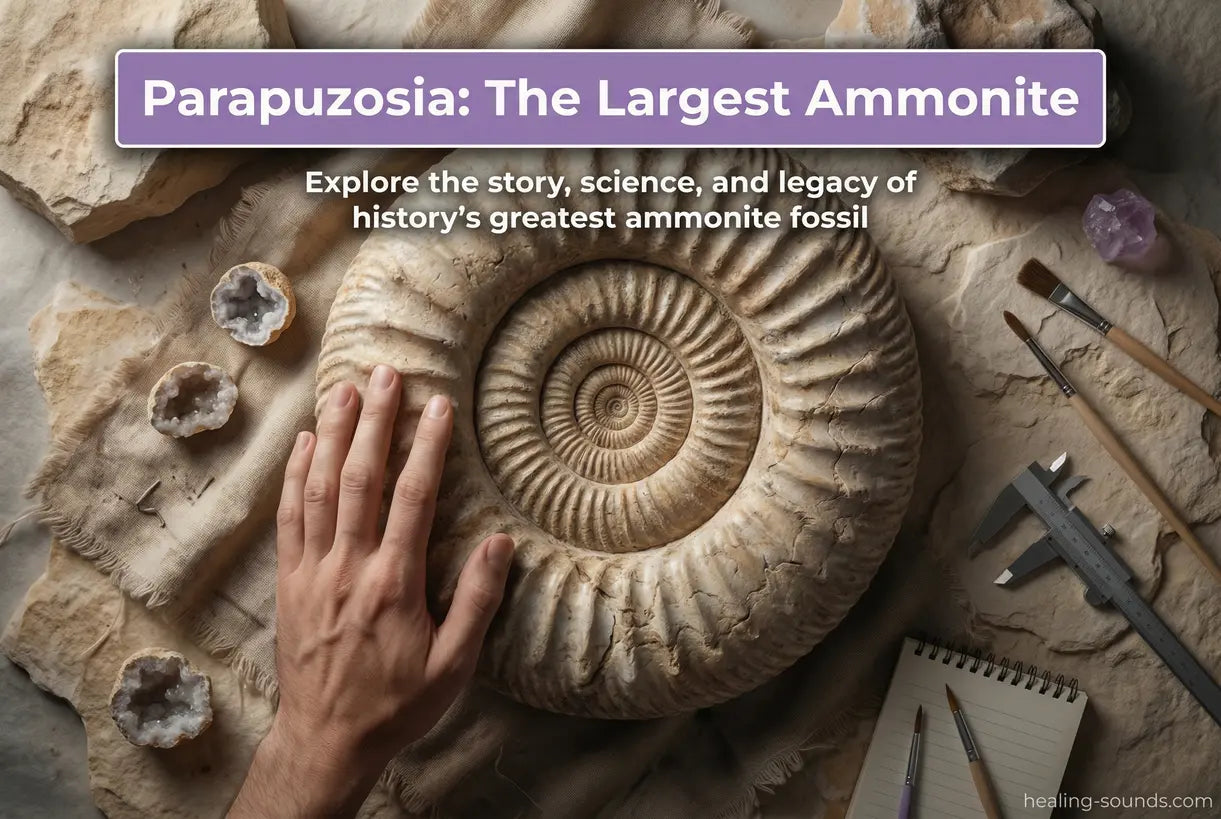
Imagine swimming in the warm, shallow oceans of the Late Cretaceous period, over 70 million years ago. As you peer through the water, a massive, spiraled shell emerges from the gloom—a creature larger than a human being. This is not a scene from science fiction; it is a glimpse into the world of Parapuzosia, the largest ammonite species ever discovered. For fossil enthusiasts and spiritual seekers alike, the sheer scale of this ancient mollusk commands respect and wonder, bridging the gap between deep geological time and our modern fascination with Earth's history.
While most people recognize the iconic spiral shape of ammonite fossils, few realize just how colossal these creatures could become. The Parapuzosia seppenradensis stands as the titan of its lineage, redefining what we know about prehistoric marine life. In this article, we will dive deep into the biology, history, and energy of this prehistoric giant, exploring why the largest ammonite continues to captivate collectors and scientists alike.
Unveiling Parapuzosia: The Titan of the Cretaceous
Parapuzosia is a genus of giant ammonites that thrived during the Late Cretaceous epoch. These cephalopods are renowned not just for their complex, beautiful sutures, but for their unrivaled size. While the average ammonite fossil might fit in the palm of your hand, a mature Parapuzosia could dominate a small room.
Is Parapuzosia real? Absolutely. The fossil record provides concrete evidence of their existence, primarily found in marine deposits in Germany and North America. Unlike the small, common ammonites often found in riverbeds, finding a Parapuzosia is a monumental event in paleontology. These creatures represent the pinnacle of ammonite evolution before their eventual extinction alongside the dinosaurs.

How Big Was the Largest Ammonite?
The primary reason this genus captures the imagination is its staggering dimensions. The largest ammonite specimen ever recorded, belonging to the species Parapuzosia seppenradensis, measures approximately 1.8 meters (about 5.9 feet) in diameter. However, scientists estimate that if the living chamber were complete, the entire shell could have reached a diameter of 2.55 meters (over 8 feet) or more.
To put this into perspective, the Parapuzosia size exceeds the height of the tallest human beings. Weighing potentially over 1,400 kilograms (over 3,000 lbs) in life, this invertebrate was a true leviathan. Its massive shell served as protection and buoyancy control, allowing it to drift and cruise through the ancient seaways.
Biology and Diet: The Life of a Giant
Despite its intimidating size, Parapuzosia was not a fast-moving apex predator like the mosasaurs or sharks of its time. It was a cephalopod, related to modern squids, octopuses, and nautiluses. It likely moved by jet propulsion, expelling water to navigate the currents, though its immense size suggests a slower, more deliberate pace.
So, what did Parapuzosia eat? Paleontologists believe that, like many ammonites, it was a predator that fed on slow-moving prey. Its diet likely consisted of zooplankton, crustaceans, and perhaps smaller ammonites or slow-moving fish. Using its tentacles to grasp prey, it would have used a beak-like mouth to consume its food. The sheer biomass of a Parapuzosia fossil suggests it required a resource-rich environment to sustain such growth.

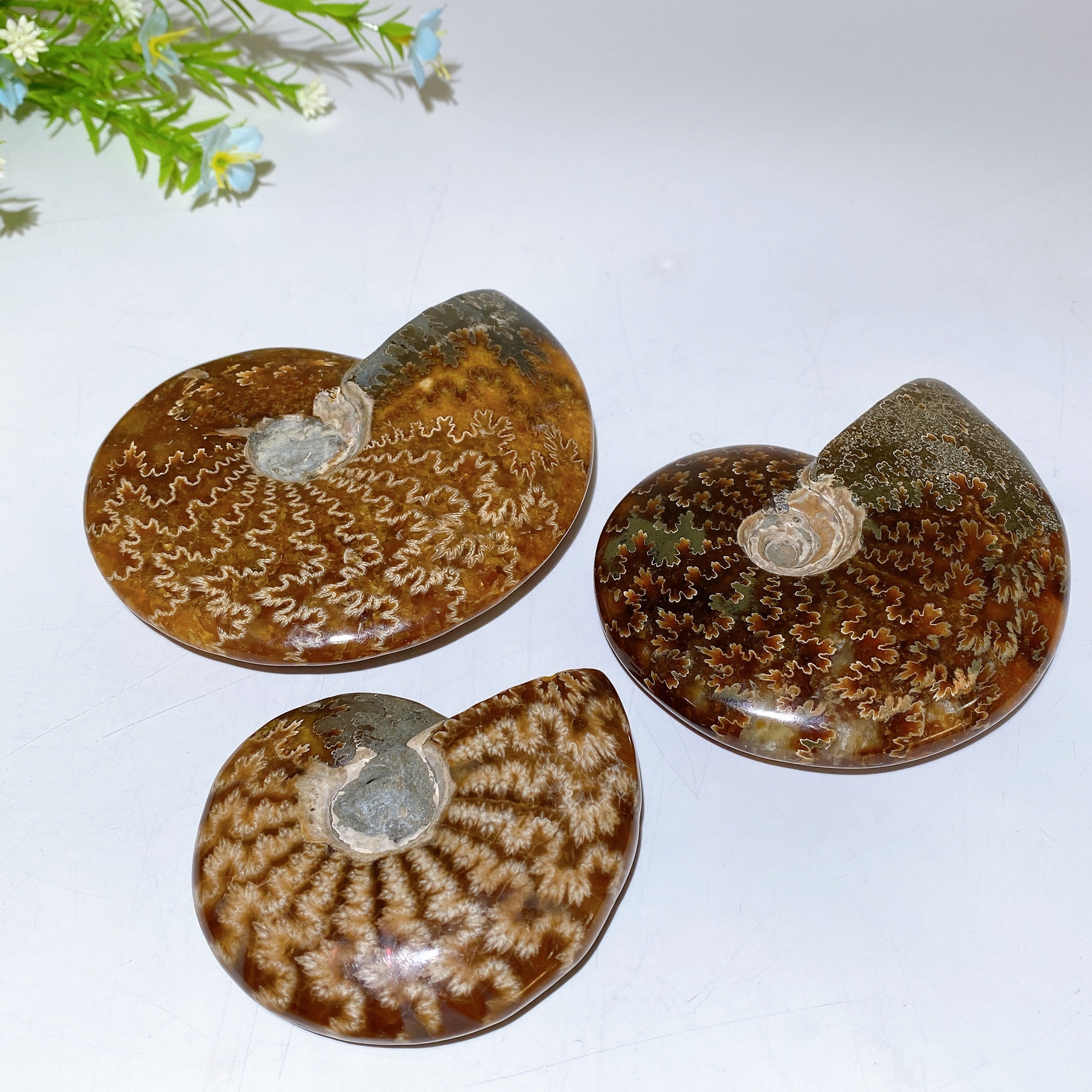
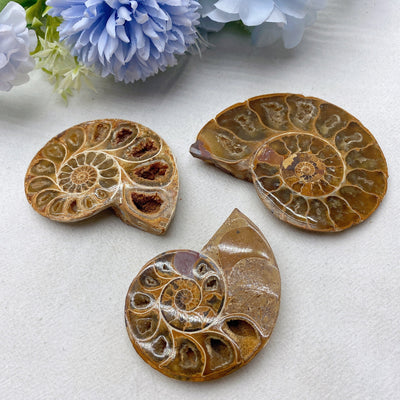
Poliertes Ammonitenkristallexemplar 2,8-5,5 Zoll Spirale
$29.90 $39.90
Admire Earth's ancient grandeur with this real ammonite fossil specimen—perfect for collectors, energy work, or unique display.
Explore ProductThe Fossil Record and Discovery
The history of Parapuzosia seppenradensis is as fascinating as the creature itself. The most famous specimen was discovered in a quarry in Westphalia, Germany, in 1895. This discovery shattered previous notions of ammonite size, proving that these shelled cephalopods could grow to gargantuan proportions. You can learn more about cephalopod evolution from sources like the University of California Museum of Paleontology.
How common are Parapuzosia fossils? While ammonite fossils are abundant globally, specimens of Parapuzosia—especially the giant ones—are exceptionally rare. Finding a complete shell of this magnitude is a geological anomaly, as large shells often break under their own weight or are destroyed by geological pressure over millions of years.




Ammonites in Modern Times: Collecting and Energy
Today, the legacy of Parapuzosia lives on not just in museums, but in the homes of collectors and spiritual practitioners. While you cannot typically buy a museum-grade Parapuzosia fossil for your living room due to its rarity and scientific value, smaller ammonite fossils are beloved for their aesthetic beauty and metaphysical properties.
In the realm of crystal healing and energy work, ammonites are viewed as powerful grounding stones. The spiral shape is often associated with the Golden Ratio, symbolizing continuous change, evolution, and the unfolding of the self. Owning an ammonite connects you to the ancient Earth, offering a sense of stability and a reminder of the cycles of life.

Bring Ancient Energy Home

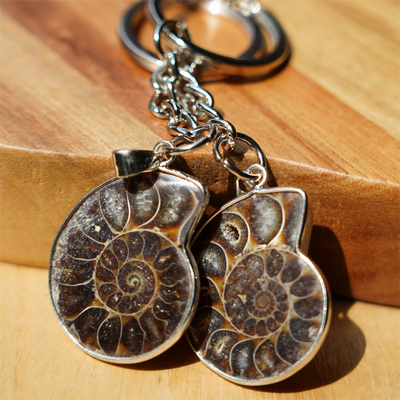
Wear the power of ancient oceans—this genuine ammonite necklace connects you to deep time and the mysteries of Parapuzosia. Learn more ➔

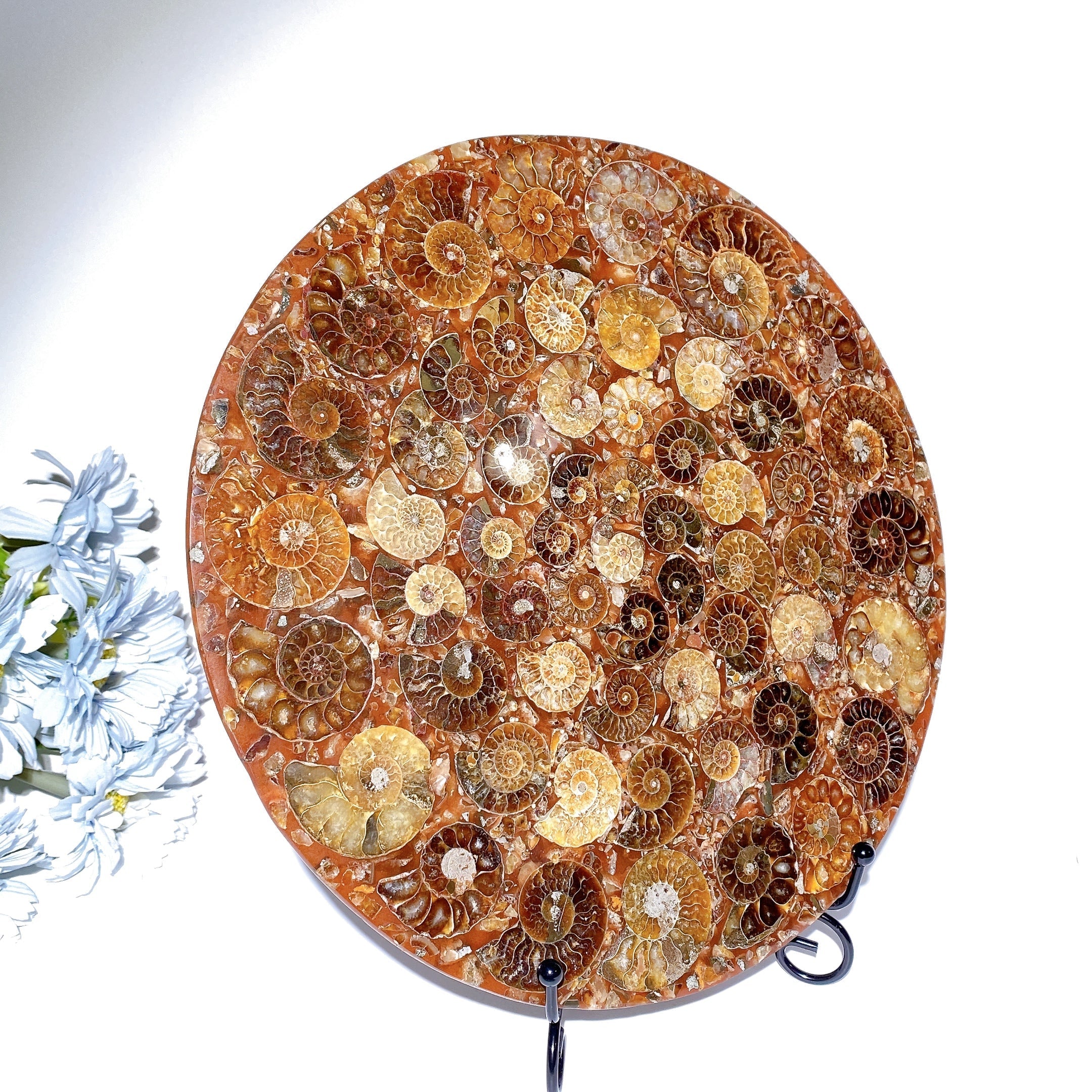
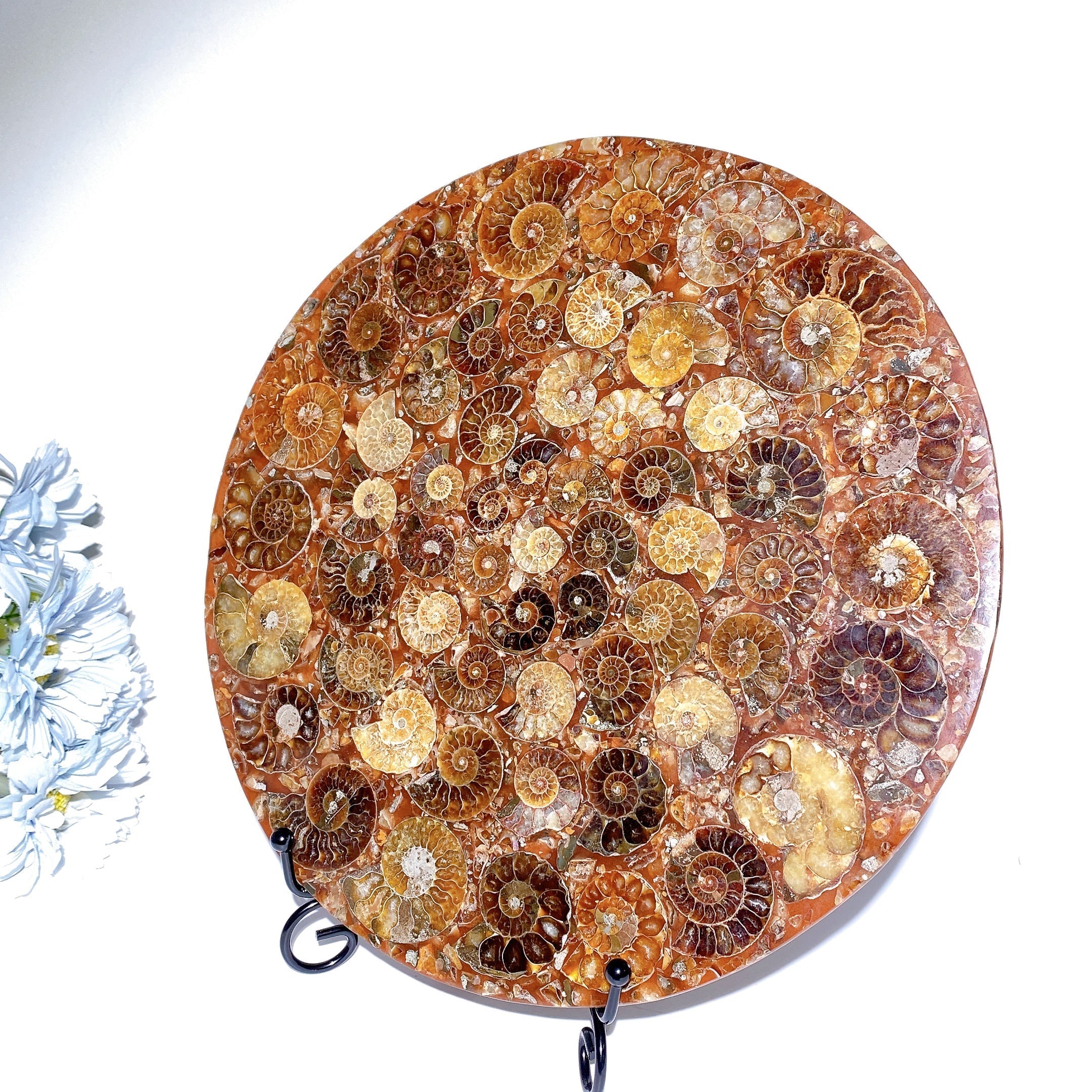
25 cm polierte Ammoniten-Rundplatte, Kristalldisplay
$89.90
$129.90
Bring a piece of prehistoric history home with this large polished ammonite slab, ideal for showcasing the spiral of Earth's largest ammonites. Learn more ➔
Conclusion
The Parapuzosia remains one of the most spectacular examples of marine life in Earth's history. As the largest ammonite ever known, it challenges our understanding of biology and reminds us of the vast, mysterious oceans of the Cretaceous period. Whether you are a paleontologist studying the intricacies of its suture patterns or a collector admiring the spiral geometry of a smaller specimen, the connection to these ancient giants is profound.
Incorporating ammonite fossils into your life, whether through education or decoration, offers a tangible link to the deep past. As we continue to uncover the secrets of the Parapuzosia seppenradensis, we keep the spirit of these magnificent creatures alive.
Frequently Asked Questions about Parapuzosia
Parapuzosia is a genus of extinct ammonites from the Late Cretaceous period. It is famous for containing the species Parapuzosia seppenradensis, which is the largest ammonite species ever discovered by paleontologists.
The largest known specimen of Parapuzosia seppenradensis has a shell diameter of 1.8 meters (5.9 feet). However, scientists estimate that complete specimens could have reached sizes of over 2.5 meters (8 feet) in diameter.
Like other ammonites, Parapuzosia was likely a carnivore. It likely fed on small marine organisms such as zooplankton, crustaceans, and potentially smaller mollusks or slow-moving fish abundant in the Cretaceous oceans.
Fossils of Parapuzosia are relatively rare compared to smaller ammonite species. Large, intact specimens are extremely scarce due to the difficulty of fossilizing such massive shells without damage.
Yes, Parapuzosia is a real, scientifically described genus. The existence of these giant ammonites is supported by physical fossil evidence found in Europe and North America.