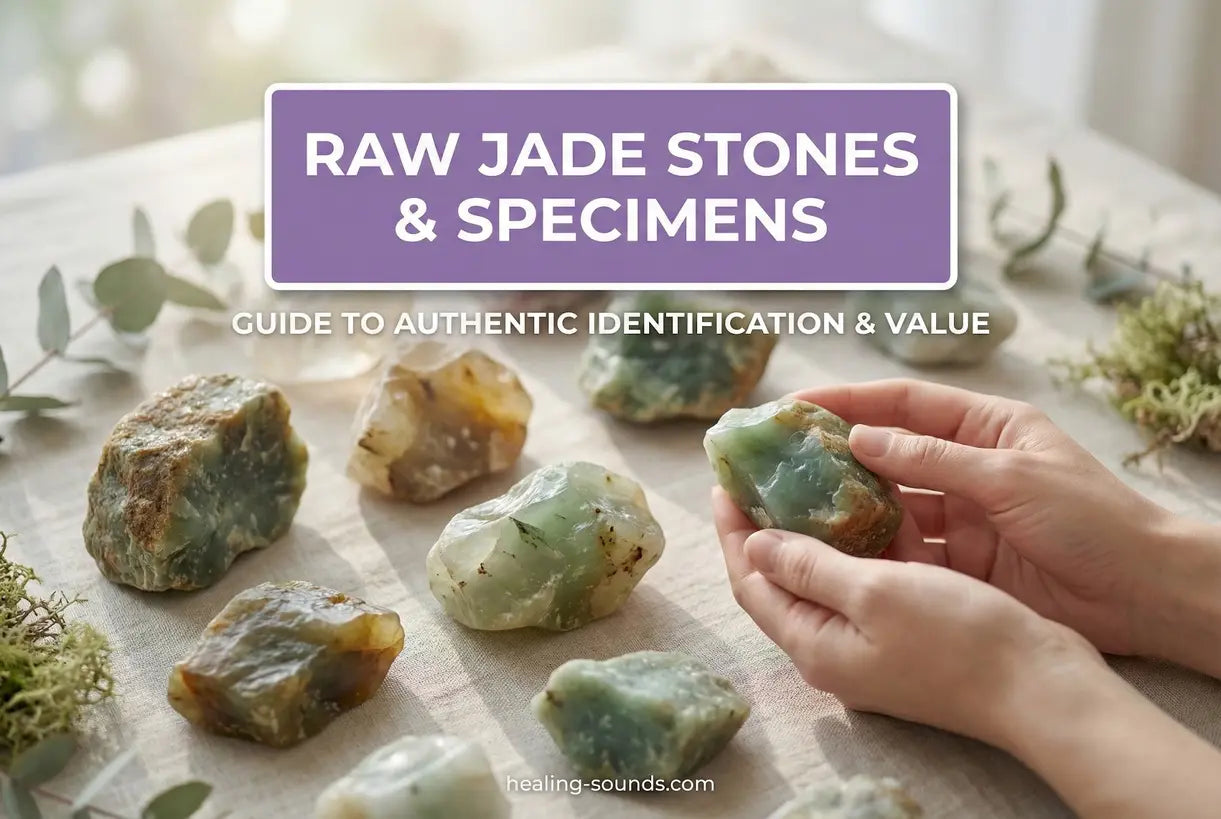
For centuries, raw jade has captivated collectors, artisans, and spiritual seekers alike. Unlike the polished cabochons found in jewelry store windows, a jade specimen in its natural state holds a rugged, primal beauty that speaks to the earth's geological history. Whether you are drawn to it for its profound metaphysical properties or its tangible value as a mineral investment, understanding the raw form of this legendary stone is essential.
Entering the world of natural jade can be daunting due to the prevalence of imitations and the complexity of its varieties. This guide explores how to identify authentic pieces, understand their value, and appreciate the unique energy of a jade crystal. We will navigate the differences between Nephrite and Jadeite, and help you find the perfect piece to ground your energy and enhance your collection.
What is Raw Jade? Understanding the Two Minerals
When we speak of raw jade, we are actually referring to two distinct mineral species: Nephrite and Jadeite. While they share a similar name and toughness, their chemical compositions and appearances differ. A true collector knows that a jade stone is not just a single entity but a category of metamorphic rocks prized for their durability and luster.
- Nephrite: This is the traditional jade used in ancient China. It is typically green, creamy white (mutton fat), or yellow. It has a resinous luster and feels slightly waxy to the touch. It is generally more common and durable.
- Jadeite: Often rarer and more valuable, Jadeite comes in a wider range of colors, including the highly coveted "Imperial Green," lavender, and russet. It is harder than Nephrite and has a more vitreous (glassy) luster.
Collecting a jade specimen in its rough form allows you to see the "rind" or "skin" of the stone—the weathered outer layer that hides the gem-quality material inside. This is often where the thrill of the hunt lies for enthusiasts.

How to Identify Authentic Raw Jade
One of the most critical skills for any enthusiast is knowing how to identify raw jade. Because stones like Aventurine, Serpentine, and even green quartz can mimic its appearance, performing a few field tests is necessary before purchasing.
1. Visual Inspection and Texture
Authentic natural jade feels smooth and soapy, even in its rough state, compared to other green stones which might feel gritty. Look for a weathering rind; river jade often has a smooth, rounded skin, whereas mountain jade may be rougher. Authentic jade is exceptionally dense and heavy for its size.
2. The Scratch Test
Jade is incredibly tough. You can try to scratch the surface of the stone with a steel knife or needle. Real jade is harder than steel (between 6.0 and 7.0 on the Mohs scale) and generally won't scratch easily. If the metal leaves a mark, it might be residue from the metal itself, which can be wiped off. If the stone actually scratches, it is likely a softer impostor like Serpentine.

3. How to Tell Real Jade with Flashlight
Translucency is a hallmark of high-quality jade. To perform this test, hold a bright flashlight directly against the stone. Authentic jade often glows, allowing light to penetrate the surface, revealing an internal fibrous structure that looks like felt or interwoven distinct fibers. If the stone is completely opaque (blocks all light) or looks like air bubbles are trapped inside (indicating glass), it is likely not high-quality jade.
Quick Identification Tips
- Temperature: Real jade feels cool to the touch and takes a long time to warm up in your hand.
- Sound: If you gently tap two pieces of jade together, they should produce a pleasant, high-pitched chime, not a dull thud.
- Density: Jade feels heavier than regular rocks of the same size.
To see these identification techniques in action, watch the video below where experts demonstrate how to spot jade in the field.
The Value of Raw Jade Specimens
The raw jade price can fluctuate wildly, from a few dollars for a pound of low-grade landscaping Nephrite to thousands of dollars per ounce for translucent Imperial Jadeite. Value is determined by the "Three Cs" adapted for jade: Color, Clarity (Translucency), and Compactness (Texture).
Collectors often look for specimens that showcase unique geological features or have been carved to highlight the stone's natural coloration. High-quality jade for sale should have vivid saturation and minimal black inclusions, unless those inclusions create an artistic pattern desirable in a specimen piece.

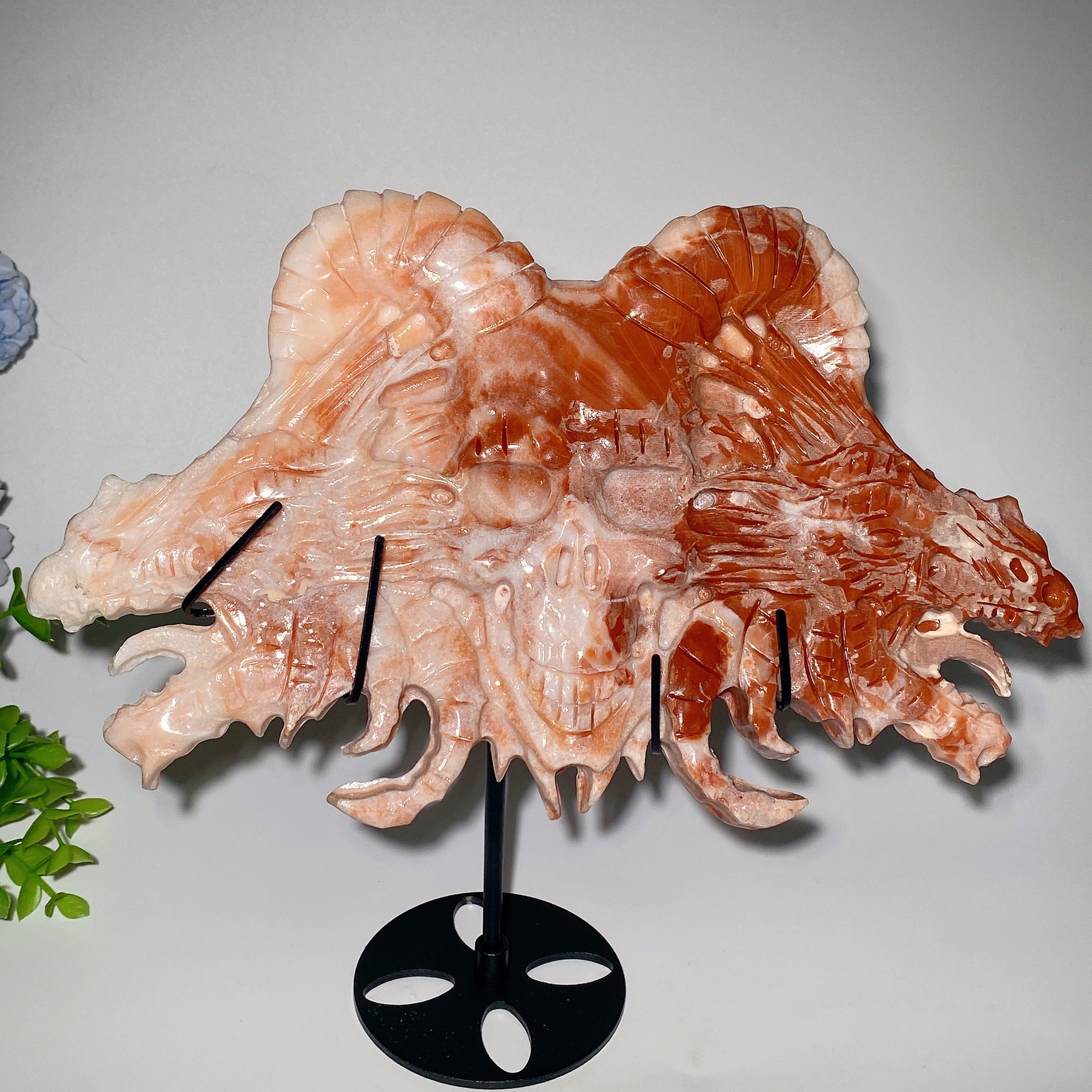
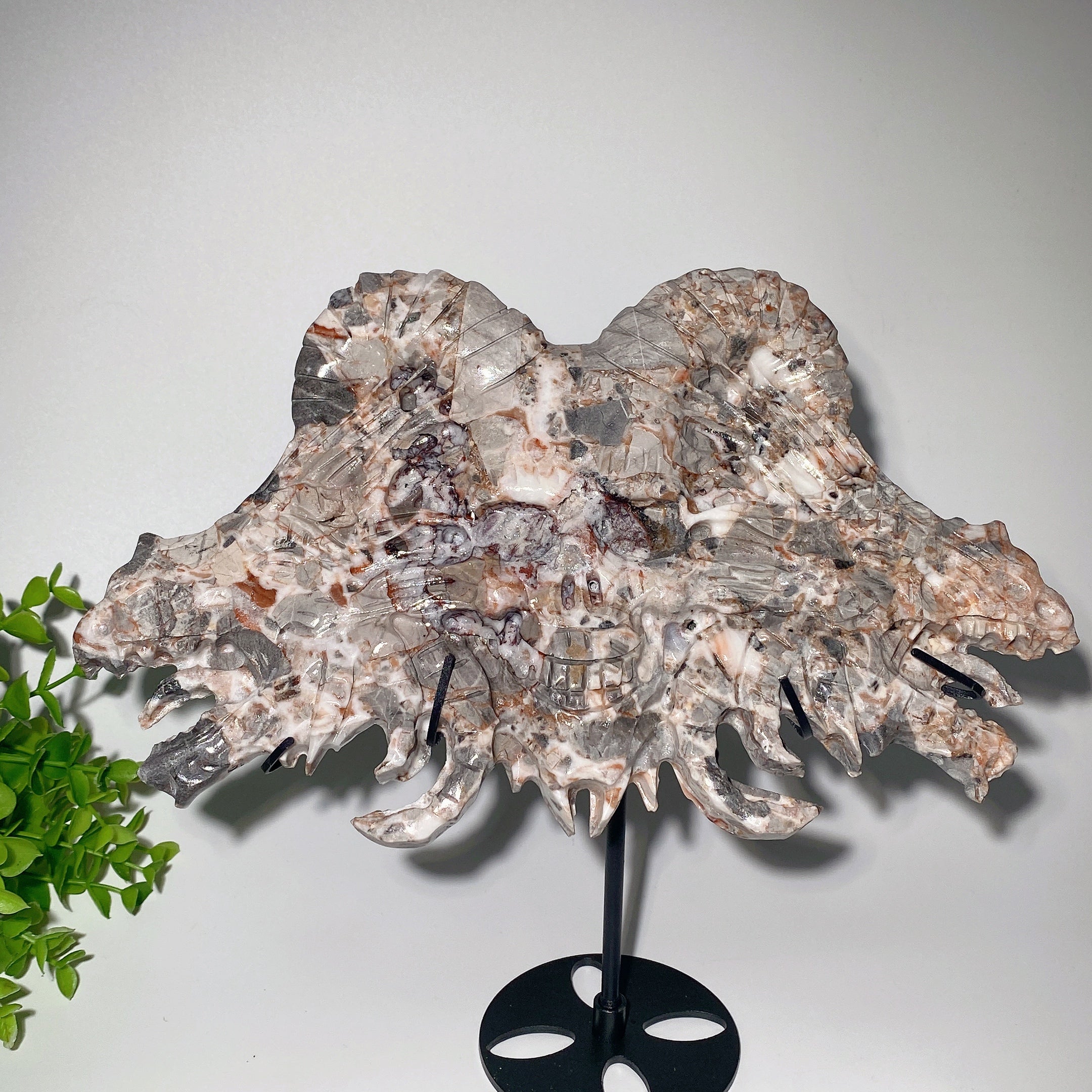
27 cm große Jade-Drache-Schädel-Kristallskulptur
$129.90 $189.90
Showcase the raw beauty and power of jade with this breathtaking dragon skull sculpture—perfect for collectors or healing spaces.
Explore ProductWhere is Raw Jade Found?
While Myanmar (Burma) is famous for the world's finest Jadeite, and China is historically linked to Nephrite, you might be surprised to learn about sources closer to home. Where can jade be found in the US?
- Wyoming: The official state gemstone of Wyoming is Nephrite jade. The Granite Mountains area is a famous locale for "Wyoming Jade," known for its intense green and black colors.
- California: The Big Sur coastline is renowned for "Big Sur Jade" (Nephrite), which can sometimes be found by beachcombers after storms.
- Alaska: Large deposits of Nephrite are found in the Kobuk River area, often called "Arctic Jade."
Collecting raw jade directly from the source connects you to the land, but purchasing verified specimens from reputable dealers ensures you aren't accidentally collecting protected minerals or common river rocks.


Metaphysical Properties and Uses
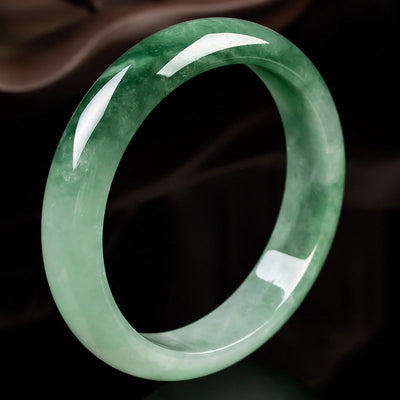
Beyond its physical characteristics, the jade stone meaning is deeply tied to spiritual healing. Known as the "Stone of Heaven," it is associated with the Heart Chakra. Healing practitioners believe that holding a raw jade crystal can attract abundance, promote emotional balance, and protect the wearer from negative energies.

Raw specimens are particularly powerful for meditation because they possess an untreated vibration. Unlike polished stones, the energy of a raw stone is thought to be more chaotic yet potent, helping to break through emotional blockages.
Enhance Your Space with Jade

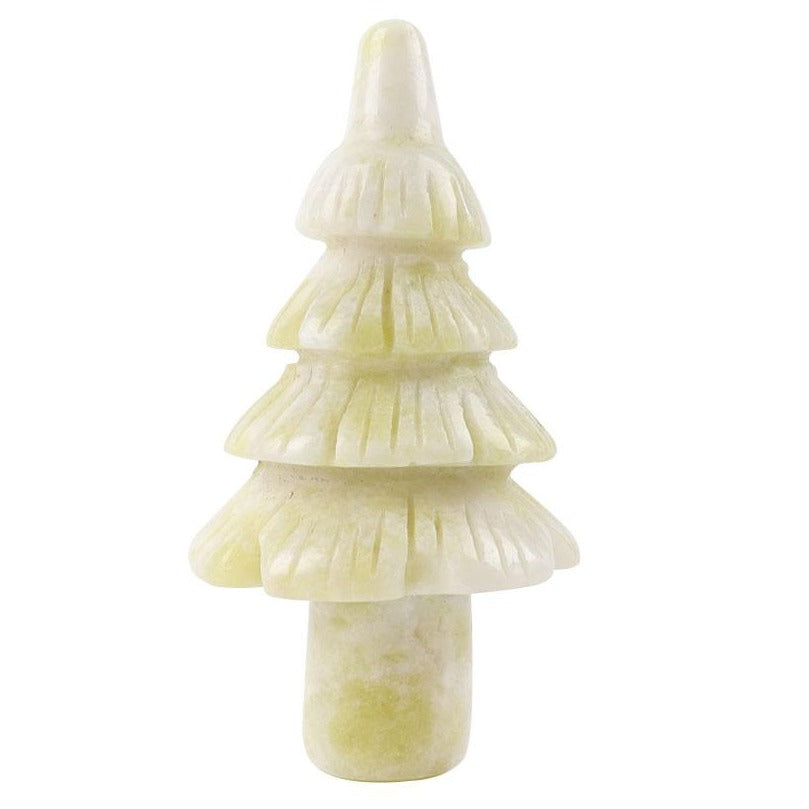
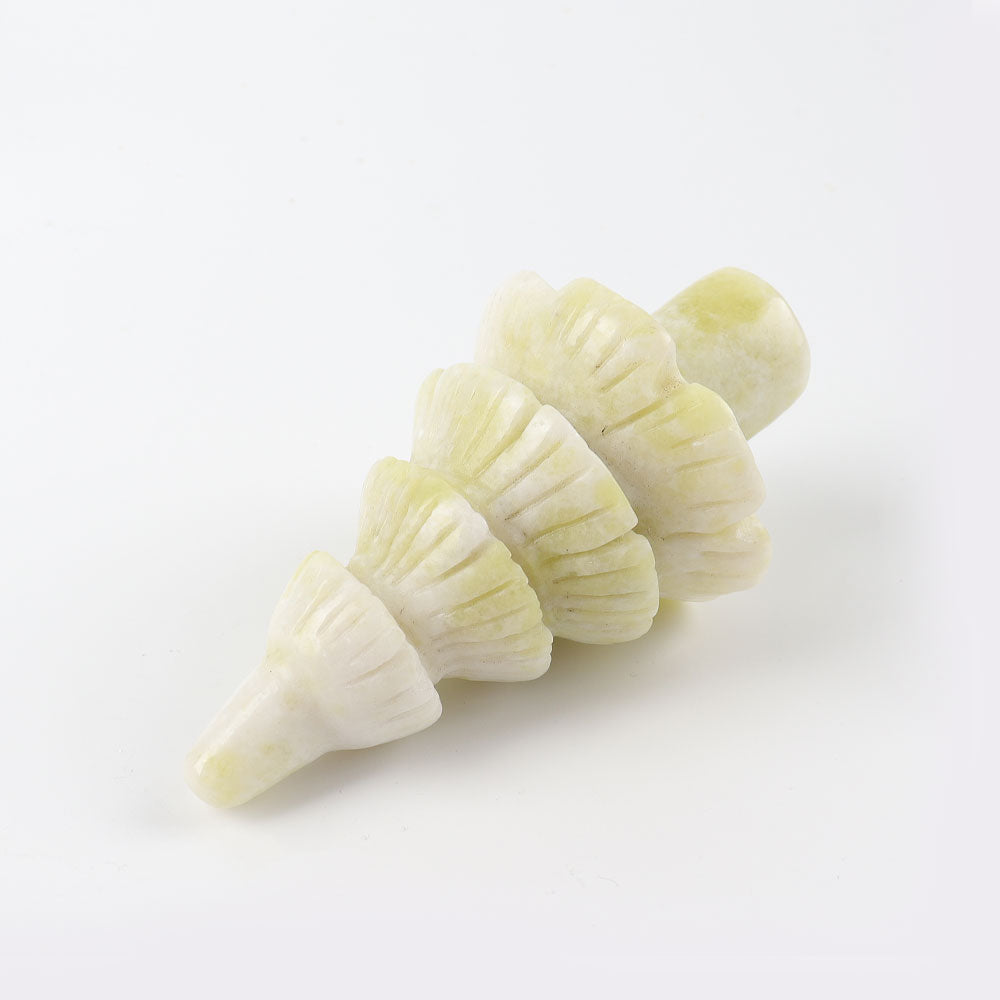
4-Zoll-Serpentin-Jade-Kristall-Figur, Baumschnitzerei
$29.90
$39.90
Infuse your space with natural serenity using this hand-carved serpentine jade crystal tree—ideal for grounding and meditation. Learn more ➔

2,3 Zoll große, gelbe Jade-Kristall-Figur
$33.90
$43.90
Brighten your specimen collection with this enchanting yellow jade figurine—crafted to inspire optimism and abundance. Learn more ➔
Caring for Your Raw Jade Collection
Whether you have raw jade jewelry or large display specimens, care is relatively simple due to the stone's durability. However, raw stones with crevices can trap dust. Clean your jade with warm, soapy water and a soft brush. Avoid ultrasonic cleaners if the stone has natural fractures. Oiling your raw jade (often with mineral oil) is a common practice among collectors to enhance the luster and darken the color, mimicking the natural oils the stone would absorb if handled frequently.
Conclusion
Collecting raw jade is a journey into geology, history, and spirituality. From the thrill of finding a translucent piece of natural jade to the peace experienced during meditation with a jade crystal, this mineral offers something for everyone. By learning to identify genuine specimens and understanding their origins, you ensure that your collection is not only beautiful but authentic and valuable. Whether you seek a centerpiece for your home or a talisman for personal growth, jade remains a timeless choice.
Frequently Asked Questions about Raw Jade Stones
You can identify raw jade by checking for a smooth, soapy texture, high density (heaviness), and extreme hardness (it should not be scratched by steel). A flashlight test can also reveal translucency and a fibrous internal structure.
The cost varies significantly. Common raw Nephrite can cost $5 to $100 per pound, while high-quality translucent Jadeite can command thousands of dollars per carat. Origin, color intensity, and transparency are key price factors.
In the United States, significant jade deposits are found in Wyoming (Granite Mountains area), California (Big Sur and Monterey areas), and Alaska (Kobuk River region).
Hold the flashlight directly against the stone. If it is real jade, you will often see a glow extending into the stone, revealing a fibrous, interwoven texture. If it looks perfectly clear like glass or contains air bubbles, it is likely a fake.
Raw jade is prized for its extreme durability (toughness), cultural significance as a stone of luck and abundance, and its unique connection to earth history. Unlike polished gems, raw specimens retain their natural, rugged energy.