
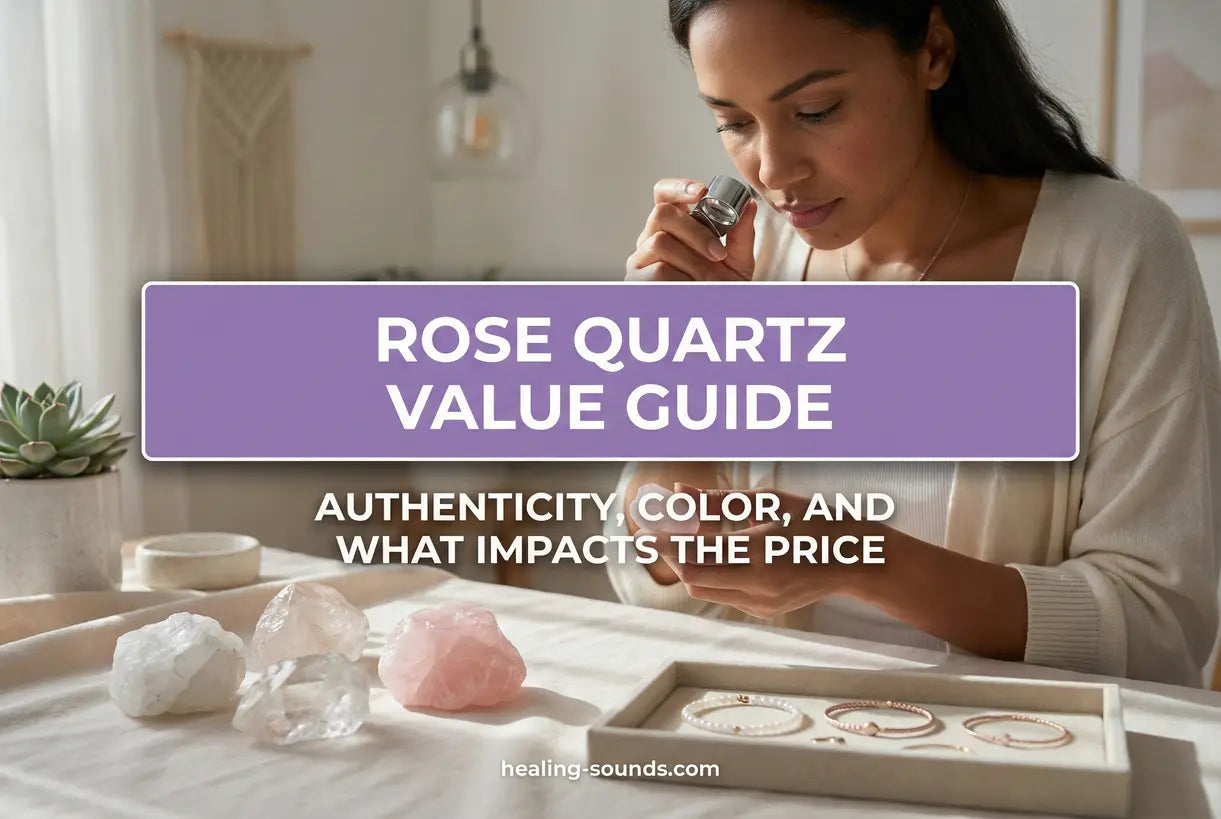
Navigating the market for healing crystals can be overwhelming, especially when trying to determine fair value and ensure you are buying the real deal. If you have ever wondered about the rose quartz price range or how to distinguish a genuine stone from a glass imitation, you are not alone. For wellness enthusiasts and jewelry lovers alike, understanding the true value of this "Stone of Unconditional Love" is essential for making an informed and meaningful purchase.
Whether you are looking for a raw specimen for your altar or a polished piece of jewelry for daily wear, knowing what factors influence cost is key. In this guide, we will explore rose quartz authenticity, break down the variables that affect pricing, and provide you with the knowledge to spot high-quality, real rose quartz with confidence.
Understanding Rose Quartz Value
Rose quartz is one of the most abundant minerals on Earth, which generally keeps it affordable compared to precious gems like rubies or emeralds. However, the rose quartz value can fluctuate significantly based on quality, origin, and craftsmanship. While you might find tumbled stones for a few dollars, high-quality specimens with deep coloration or rare optical effects like asterism (a star-like reflection) command a much higher price.
The primary driver of value is color. Most commercial rose quartz is a pale, milky pink. Specimens that exhibit a saturated, deep pink or reddish-pink hue are far rarer and thus more valuable. Additionally, while inclusions are common and often desirable in raw pieces for their natural look, gem-quality rose quartz that is translucent or transparent is highly prized by collectors.
Key Factors Influencing Price:
- Color Saturation: Deeper pinks are more valuable than pale or white stones.
- Clarity: Transparent stones are rarer than opaque or milky ones.
- Cut and Polish: Intricate carvings or faceted gems cost more due to labor.
- Size: Larger, intact specimens are naturally worth more.

Real vs. Fake: How to Spot Authenticity
With the rising popularity of crystal healing, the market has seen an influx of imitations. Knowing how to value rose quartz starts with knowing if it is genuine. Real rose quartz is a hard mineral (7 on the Mohs scale), meaning it should not scratch easily and will feel cool to the touch. Imitations are often made of dyed glass or plastic, which feel warmer and may have air bubbles trapped inside.
Authentic stones often have internal irregularities, cloudy spots, or white streaks. If a stone looks perfectly clear, uniformly pink, and lacks any natural flaws, it should raise suspicion. Glass fakes might look too perfect or have a color that seems to "pool" in cracks, indicating dye.

When purchasing jewelry, such as our Rose Quartz Relationships Bracelet, look for these natural variations in the beads. Authentic stones will rarely look identical to one another, adding to the unique charm of the piece.

Rosenquarz-Beziehungsarmband mit Rhodonit und Karneol für die Liebe
$24.90 $35.90
Discover real rose quartz value in this meaningful bracelet, designed for authentic love and daily emotional support.
Explore Product

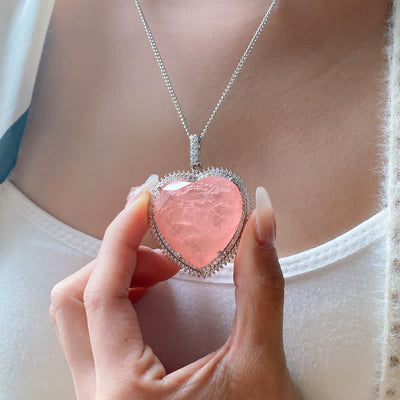

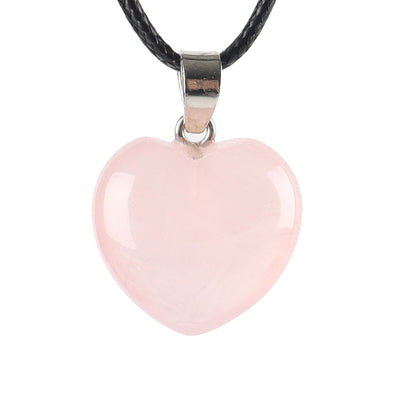
Color Variations: Pink vs. White Rose Quartz
A common question among buyers concerns color intensity. Rose quartz white or very pale pink stones are quite common and typically less expensive than their deeply colored counterparts. This paleness is natural and does not necessarily mean the stone is "fake," but it does affect the rose quartz price.
In the trade, "massive" rose quartz (large, opaque blocks) is often used for beads and carvings. These stones can range from nearly white to medium pink. The most sought-after color is a rich, vibrant pink, sometimes sourced from specific mines in Madagascar or Brazil. Understanding rose quartz color prices helps you evaluate whether a piece of jewelry is priced fairly. For example, a piece featuring high-grade, translucent pink quartz will naturally be an investment compared to standard opaque beads.
Top Picks for Authentic Rose Quartz Jewelry

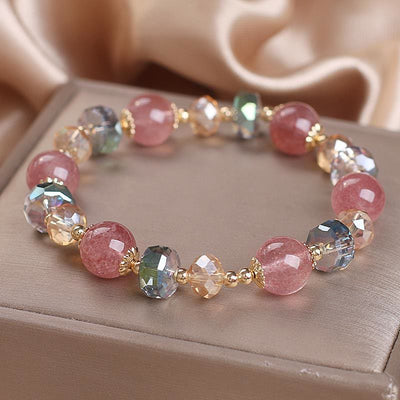
8 mm Erdbeerquarz-Armband mit positiver Liebe für Damen
$24.90
$35.90
Experience genuine rose quartz color and energy—perfect for those exploring authenticity and pricing your own crystal jewelry. Learn more ➔

Celebrate rose quartz authenticity with this budget-friendly, beautifully colored piece reflecting true value and rarity. Learn more ➔
Buying Tips: How to Ensure You Get Value
When shopping for rose quartz, whether in a physical store or online, always verify the source. Reputable sellers will be transparent about the stone's origin and treatment. For further reading on mineral hardness and identification, resources like the Gemological Institute of America (GIA) provide excellent scientific data. Additionally, trustworthy retailers often offer detailed descriptions of the stone's properties.
Be wary of prices that seem too good to be true for "gem-quality" items. While rose quartz pricing guide data suggests it is affordable, a large, flawless, deep pink sphere selling for a few dollars is likely a dyed fake. Always inspect photos carefully or ask to see the stone in natural light to gauge its true color and transparency.

Conclusion
Understanding the rose quartz price landscape empowers you to make purchases that resonate with your intentions and your budget. By paying attention to color depth, clarity, and physical characteristics like temperature and hardness, you can easily distinguish real rose quartz from imitations. Investing in authentic crystals ensures you receive the genuine energetic benefits of this beautiful stone. Whether you choose a simple tumbled stone or an elaborate piece of jewelry, the true value lies in the stone's ability to inspire love and harmony in your life.
Frequently Asked Questions about Rose Quartz Value
The value of rose quartz varies widely. Small tumbled stones can cost a few dollars, while large, high-quality sculptures or fine jewelry pieces can range from $50 to several hundred dollars depending on craftsmanship and color quality.
Real rose quartz is cool to the touch, hard enough to scratch glass, and often has internal cloudiness or irregularities. Fake rose quartz (often glass) may contain air bubbles, look too perfect, or feel warm and light.
The pink color comes from microscopic inclusions of dumortierite or similar minerals. Deeper, more saturated pinks are rarer and thus command a higher price compared to paler, whitish stones which are more abundant.
Real rose quartz ranges from very pale, almost white-pink to a deep, medium-dark pink. It is rarely a bright, neon hot pink; such colors usually indicate the stone has been dyed.
Generally, yes. White or very pale rose quartz is more common and less sought after than the deeper pink varieties, making it less valuable in the gemstone market, though it is still genuine.


