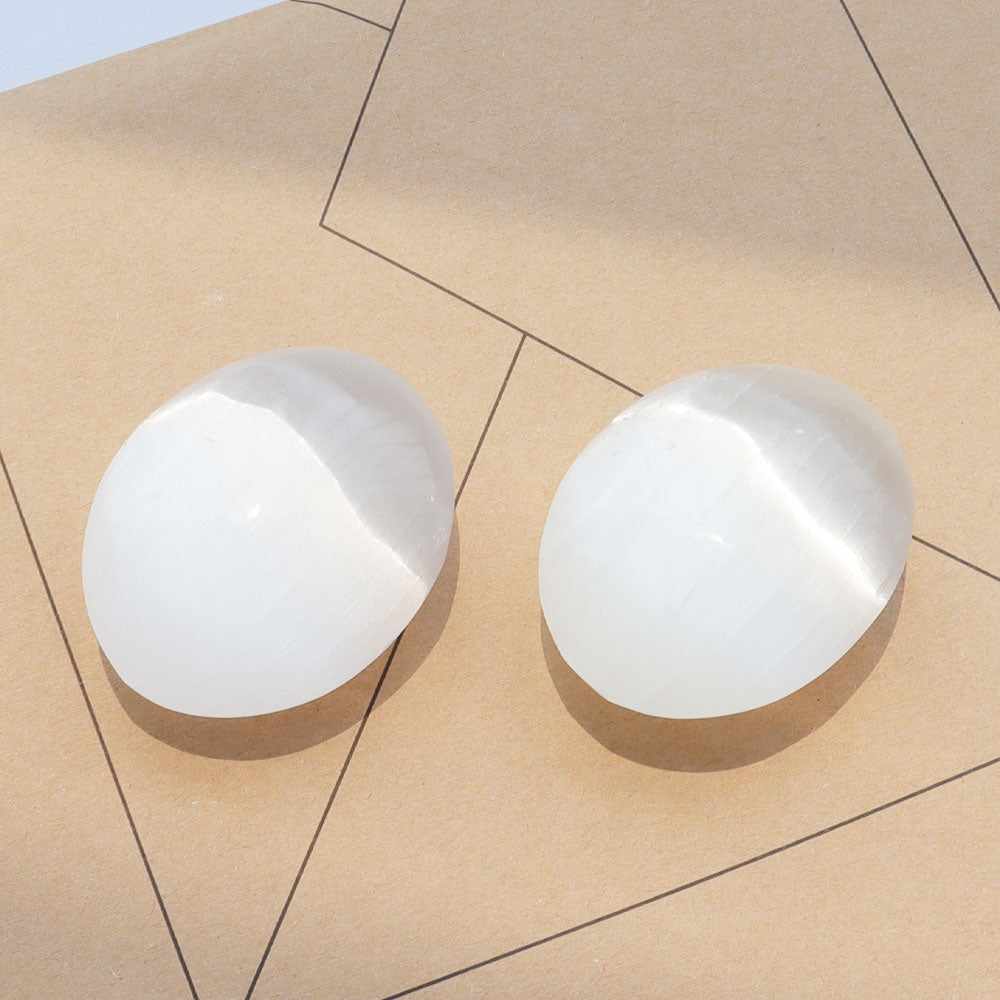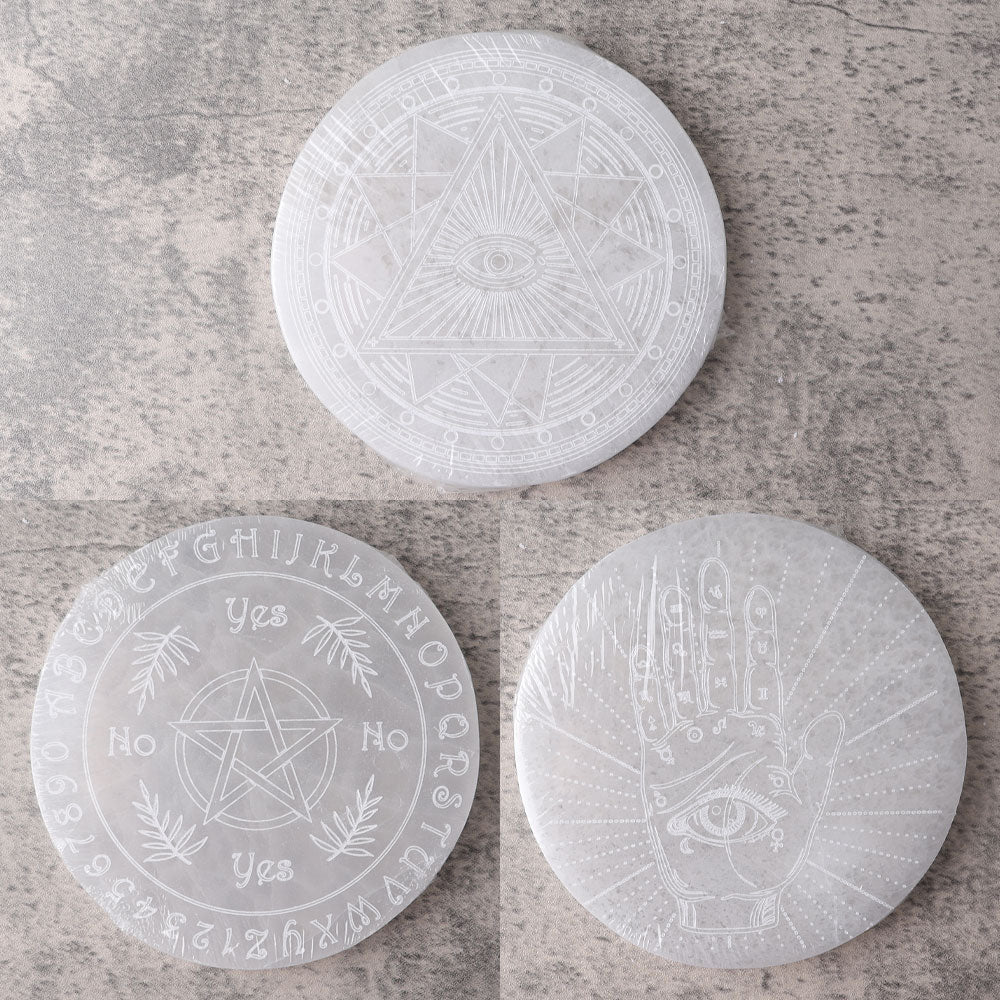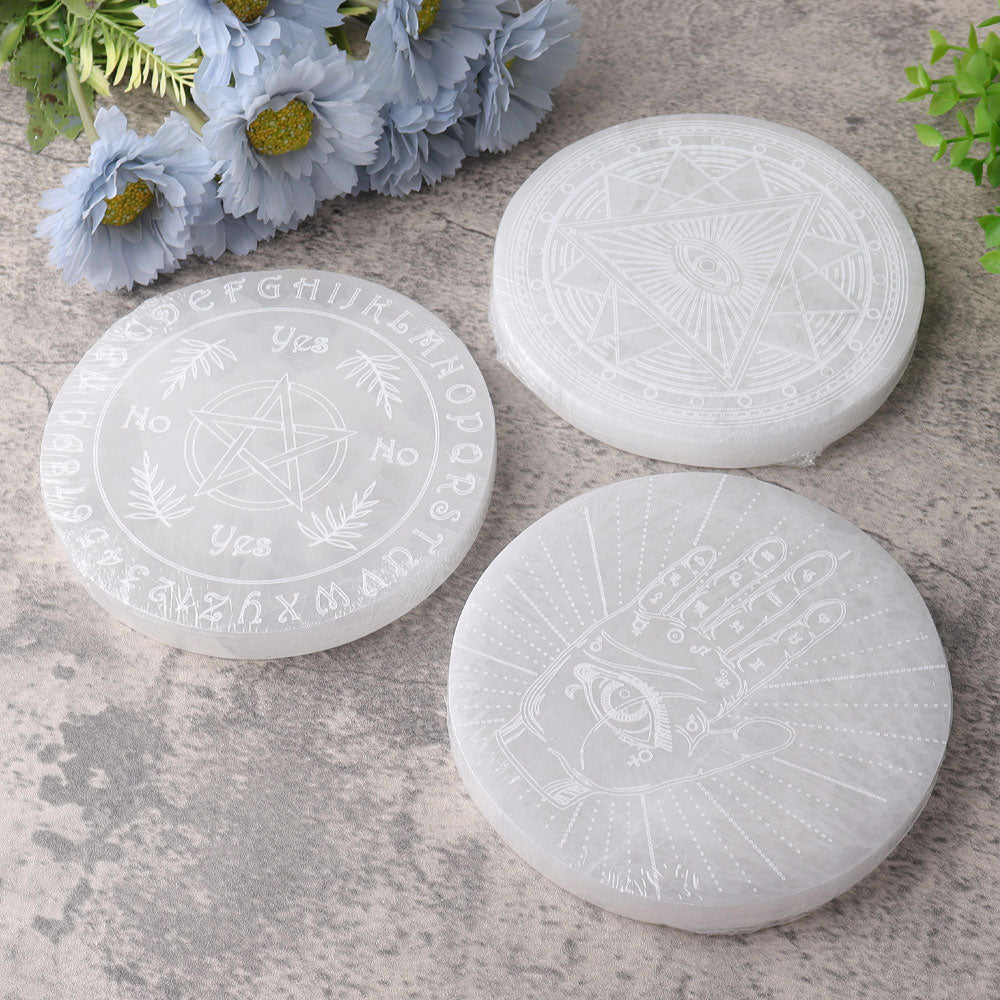
For the spiritually curious and wellness-focused woman, few crystals are as essential as Selenite. Known for its cleansing properties and ethereal glow, it is a staple in meditation spaces and energy healing kits. However, there is a widespread misunderstanding in the crystal market that often goes unnoticed: the confusion between satin spar gypsum and true selenite. While both are forms of the mineral gypsum, they are distinct in appearance, structure, and formation.
If you have purchased a "selenite" wand that looks silky, fibrous, and opaque, you likely own satin spar. Understanding the difference between satin spar vs selenite is not just about mineralogy; it ensures you are working with the specific energy and aesthetic you intend. In this guide, we will explore how to identify real selenite, debunk common myths, and help you discern the true nature of your crystal collection.
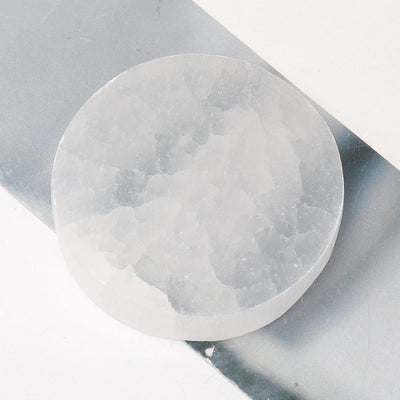
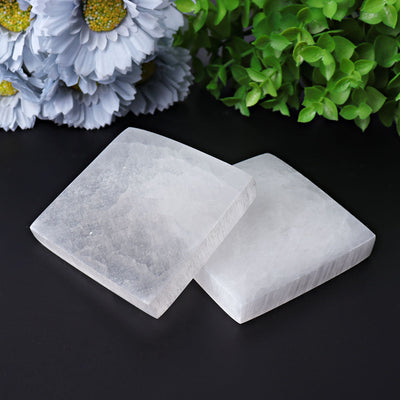
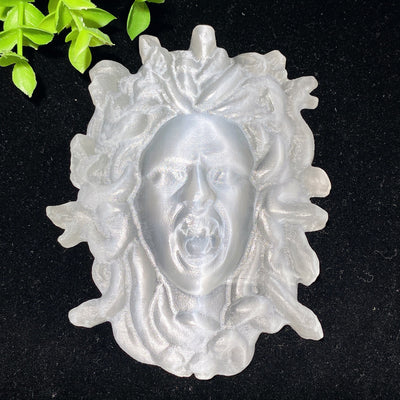

The Gypsum Family: A Tale of Two Crystals
To understand the difference, we must first look at their chemical composition. Both satin spar and true selenite are varieties of the mineral gypsum (calcium sulfate dihydrate). Because they share the same chemical formula, they are energetically similar, vibrating at a high frequency that promotes clarity and peace. However, their crystallization process differs significantly, leading to the distinct visual traits that help us identify real selenite.
- Satin Spar: Fibrous, silky, opaque, and reflects light with a "cat's eye" effect.
- True Selenite: Transparent, plate-like, colorless, and resembles a sheet of glass or frozen water.
What is Satin Spar?
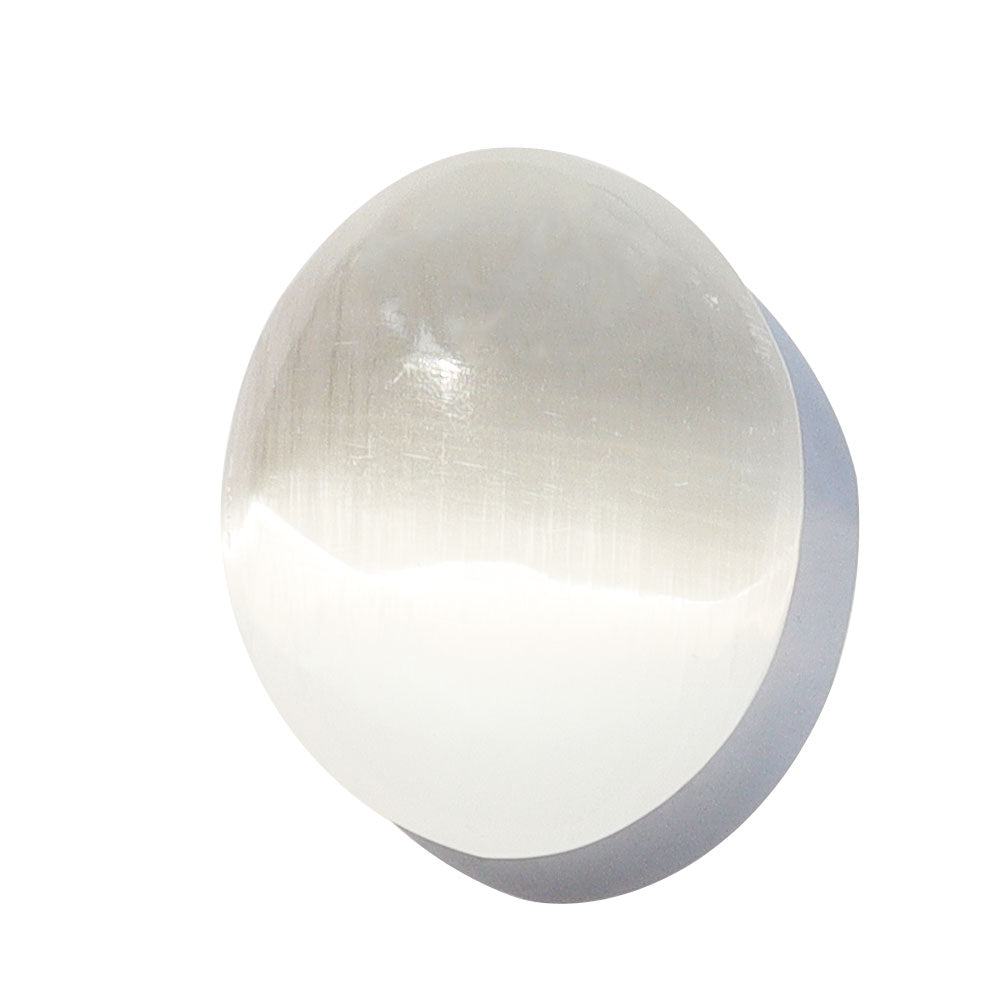
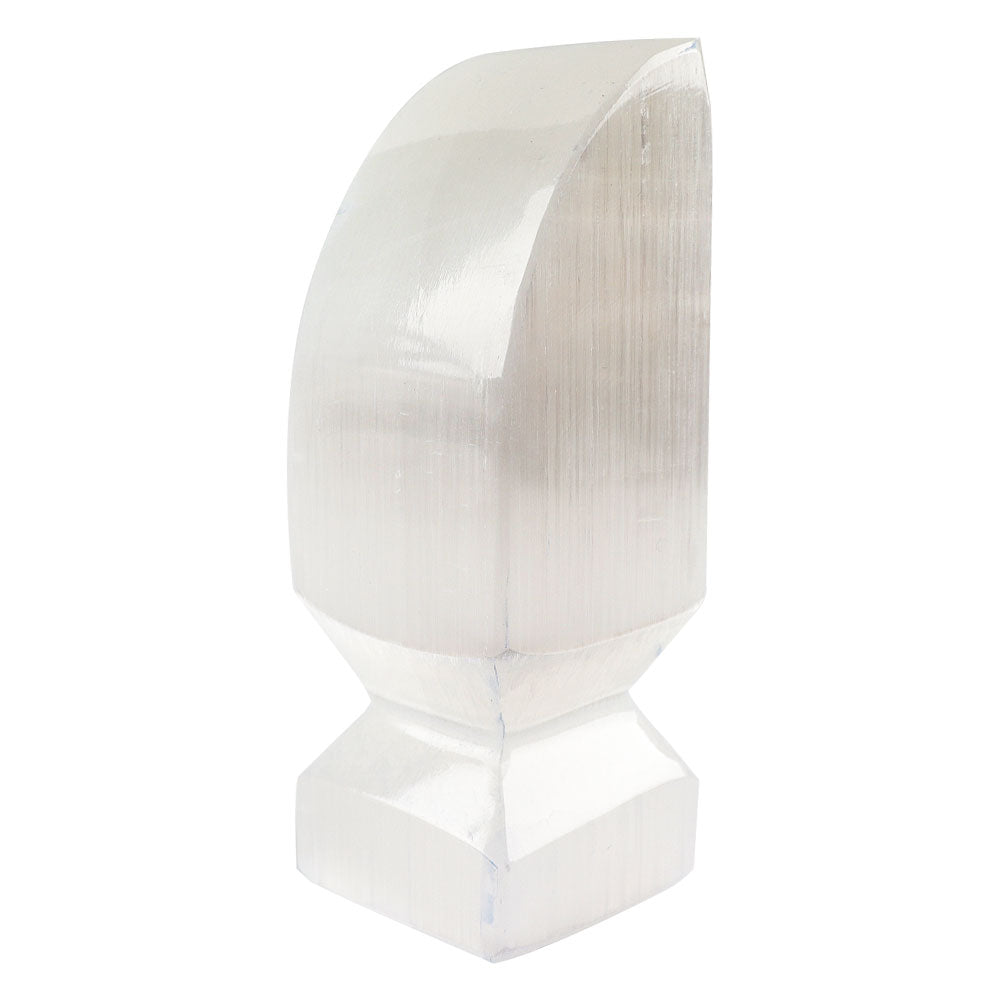
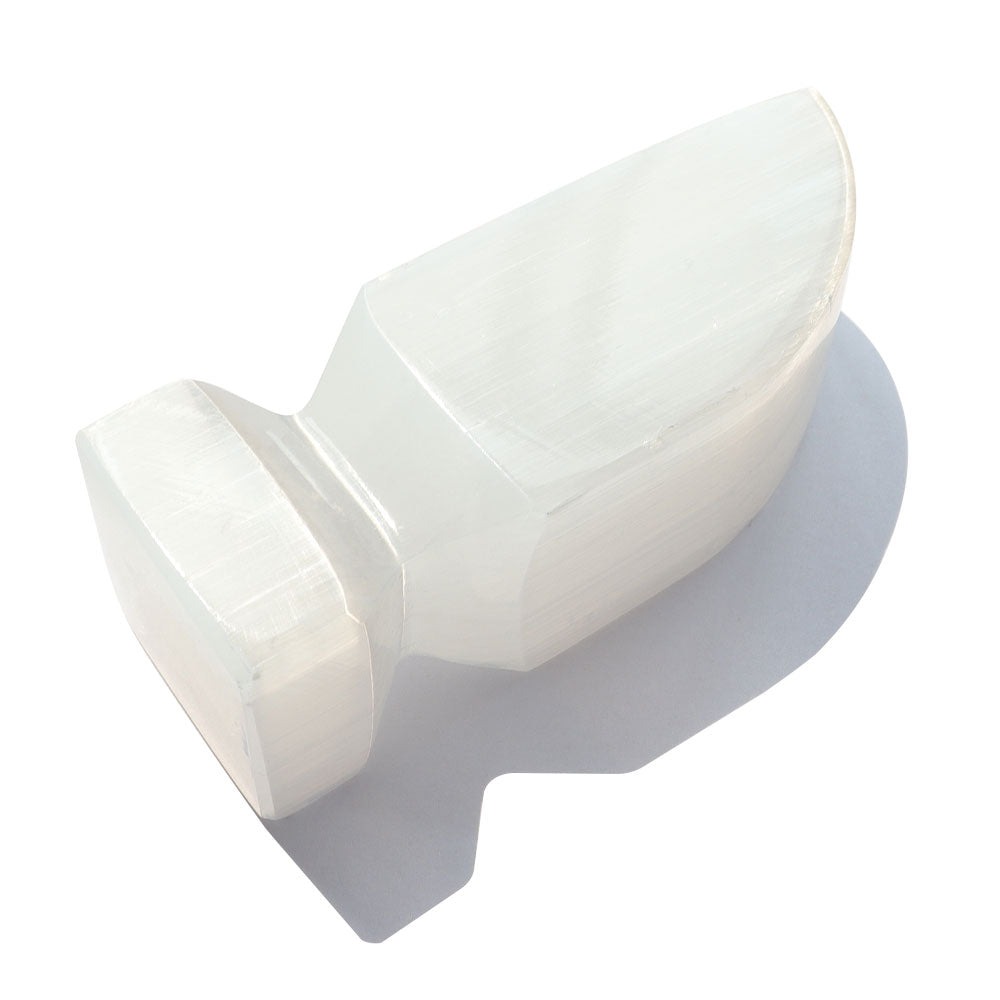
Satin spar gypsum is the most common form sold in metaphysical shops today. Its name is derived from its satin-like, pearly luster. Structurally, it is composed of long, fibrous crystals running parallel to each other. This fibrous nature gives satin spar its signature chatoyancy—an optical effect where a band of light reflects off the fibers, similar to a cat's eye stone.
When you see "selenite" towers, lamps, or wands that look like white, striated pillars, you are almost certainly looking at satin spar. It is beautiful and powerful in its own right, often used for sweeping the aura and clearing negative energy, but it is technically not true selenite.

What is Real Selenite?
Real selenite is quite different. The name comes from the Greek word for "moon" (Selene), referring to the crystal's pale, moon-like reflection. True selenite typically forms in clear, tabular sheets or plates. It is transparent to semi-transparent and lacks the fibrous, silky texture of satin spar. Historically, these large, clear sheets were even used as window panes (Saint Mary’s glass) before modern glass was invented.
Authentic selenite is rarer than satin spar and is often found in flat pieces or plates rather than shaped towers. It is incredibly soft and fragile, making it excellent for gentle energy work but requiring care in handling. For those seeking to connect with the crown chakra, a genuine piece of selenite offers a profound sense of clarity.

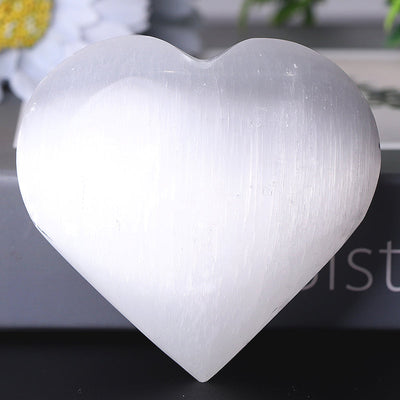
Selenit-Handstein, 4,8 cm, für Stressabbau und Kronenchakra
$17.90 $22.90
Experience authentic selenite with this luminous palm stone, perfect for hands-on comparison and daily energy clearing.
Explore ProductKey Visual Differences to Spot
Distinguishing between satin spar selenite (as it is often mislabeled) and true selenite requires a keen eye. The primary indicator is transparency. If you hold a piece of true selenite up to a light source, you should be able to see through it clearly, much like a window pane. Satin spar, on the other hand, will transmit light but remains milky and opaque due to its dense fiber structure.
Texture is another giveaway. Run your finger along the crystal (gently). Satin spar has distinct grooves or striations running the length of the stone. It can sometimes feel slightly splintery. True selenite sheets are generally smoother on their broad faces, though the edges can be layered. Understanding these textures is crucial when looking for crystals that look like selenite but aren't the real deal.

The Hardness Factor
Both minerals are extremely soft, ranking a 2 on the Mohs Hardness Scale. This means they can be scratched by a fingernail. While this test confirms the mineral is gypsum, it doesn't help distinguish between the two varieties. However, knowing their softness is vital for care—neither should ever be cleansed in water, as they can degrade or dissolve over time.
Video Guide: Seeing the Difference
For a practical demonstration of these differences, watch this helpful comparison. Visualizing the way light interacts with the fibers of satin spar versus the clear sheets of selenite is often the "aha!" moment for collectors.
Why Does the Mislabeling Happen?
You might wonder why shops label satin spar gypsum as selenite. The answer is largely commercial. "Selenite" has become a catch-all trade name for gem-quality gypsum. Satin spar is more abundant, easier to carve into shapes like spheres, hearts, and towers, and is more durable for transport than the flaky sheets of true selenite.
Is it wrong to use satin spar? Absolutely not. It is a high-vibration stone that is excellent for clearing energy blockages. However, for those seeking specific mineralogical accuracy or the unique, watery energy of transparent selenite, knowing how to spot true selenite is empowering.

Building Your Authentic Collection
Whether you prefer the silky sheen of satin spar or the ice-like clarity of true selenite, both have a place in a balanced crystal collection. Many enthusiasts use satin spar wands for sweeping the aura and true selenite plates for charging other crystals or for deep meditation focused on the Crown Chakra.
If you are looking to expand your collection with pieces that offer distinct energetic properties, consider exploring different forms. An obelisk can direct energy upwards, while a flat coaster or plate is ideal for cleansing jewelry.
Enhance Your Space with Crystal Energy

Selenit-Obelisk-Kristallspitze 1,5 Zoll für Meditation
$26.90
$39.90
Use this selenite obelisk to explore distinct clarity and properties compared to satin spar gypsum in your collection. Learn more ➔

Enhance your space with true selenite—this crystal coaster doubles as an elegant tool for crystal identification tests. Learn more ➔
Conclusion
While the terms are often used interchangeably in the marketplace, knowing the difference between satin spar gypsum and true selenite allows you to make informed decisions for your spiritual practice. Remember that true selenite is transparent and plate-like, while satin spar is fibrous and milky. Both are beautiful gifts from the earth with powerful cleansing abilities. By learning to identify them, you deepen your connection to the mineral kingdom and ensure your healing tools resonate with your specific intentions.
Frequently Asked Questions about Satin Spar and Selenite
The main difference lies in their structure and appearance. True selenite is transparent and forms in sheets or plates, resembling glass. Satin spar is fibrous, opaque to milky white, and has a silky sheen (chatoyancy). While both are forms of gypsum, they look quite distinct.
You can identify real selenite by checking for transparency. If you can see clearly through the crystal like a window pane, it is likely true selenite. If it is white, fibrous, and you cannot see through it, it is satin spar. Additionally, real selenite does not have the "cat's eye" effect found in satin spar.
Satin spar is a variety of the mineral gypsum. It is often commercially labeled as "selenite," but technically, selenite refers specifically to the transparent, platy variety of gypsum. Both are calcium sulfate dihydrate but crystallize differently.
Satin spar is the crystal most commonly mistaken for selenite. Occasionally, clear quartz or ulexite (TV stone) might be confused with these minerals, but the soft nature of gypsum (it can be scratched by a fingernail) usually distinguishes it from harder stones like quartz.
The confusion stems from the crystal market using "selenite" as a broad trade name for all fibrous and transparent gypsum varieties. Satin spar is more durable and easier to shape into commercial products (like lamps and wands), leading to its widespread availability under the "selenite" label.