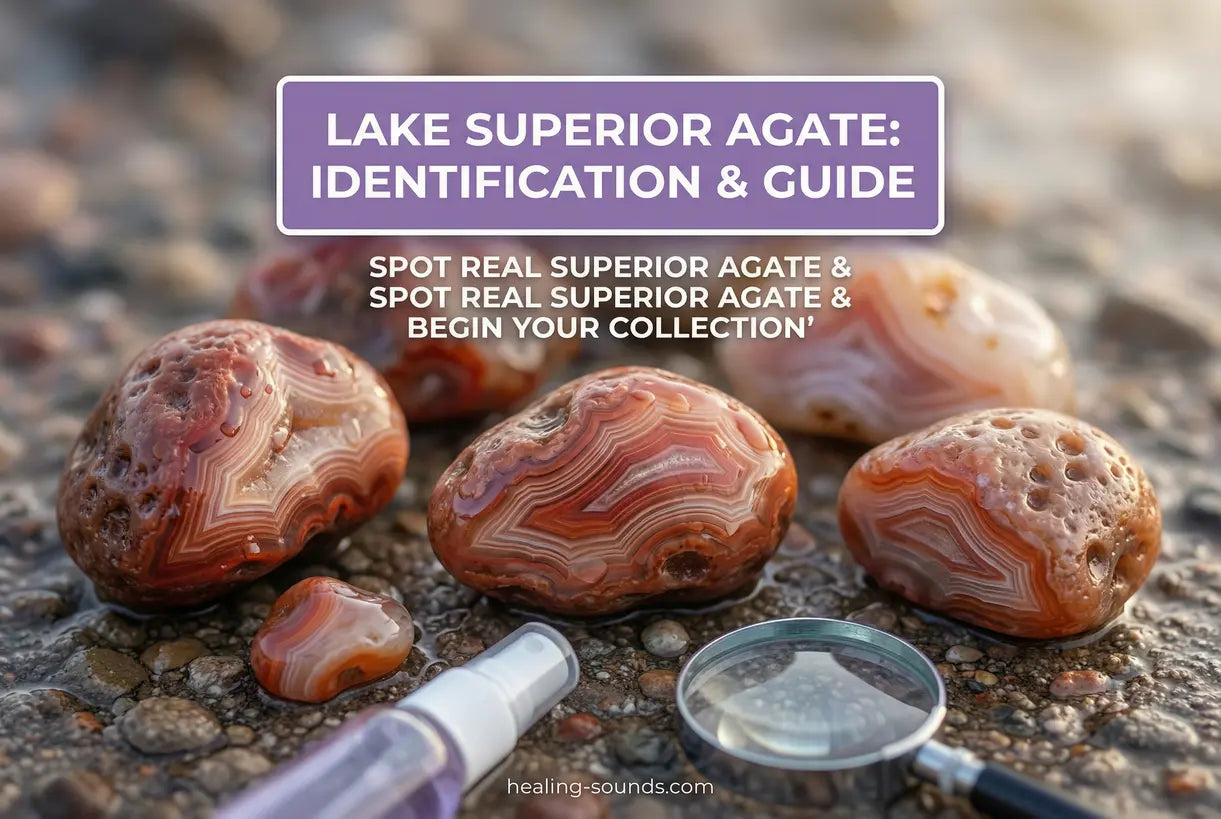
The thrill of walking the pebbled shorelines of the Great Lakes, eyes scanning the wet gravel for that distinct waxy luster, is a feeling known well to rockhounds. Lake Superior agate is not just a gemstone; it is a geological masterpiece formed over a billion years ago. Whether you are a seasoned collector or a curious beachcomber, understanding the nuances of superior agate is the key to uncovering these hidden treasures.
Known for their rich red, orange, and yellow banding, these stones are survivors of the ancient Midcontinent Rift System. In this guide, we will dive deep into agate identification, exploring the specific traits that distinguish a true Lake Superior specimen from a common rock. You will learn about the different types, how to value your finds, and the best strategies for spotting them in the wild.
What is a Lake Superior Agate?
A Lake Superior agate is a specific variety of agate found in the Lake Superior region of the United States and Canada. These semi-precious gemstones were formed during a massive geological event approximately 1.1 billion years ago. Lava flows created gas pockets (vesicles) in the basalt rock, which were later filled with mineral-rich fluids like silica, iron, and quartz.
Over millions of years, these fluids hardened into the concentric bands we see today. The vibrant colors—predominantly reds, oranges, and yellows—are the result of iron oxidation (rust) within the stone. Glacial activity later scattered these agates across Minnesota, Wisconsin, Michigan, and beyond, polishing them naturally and depositing them in glacial drifts and along shorelines.

How to Identify Lake Superior Agate
Mastering agate identification requires knowing exactly what to look for. While many stones may look interesting when wet, true superior agates possess specific physical characteristics.
1. Translucency and Luster
One of the most reliable indicators is translucency. When you hold the stone up to a light source, light should pass through the edges or thinner sections. Unlike opaque jasper or chert, a superior agate often has a glowing quality. Additionally, look for a waxy or oily luster on chipped surfaces, rather than the glassy shine of pure quartz or the dull matte finish of basalt.
2. Conchoidal Fracture
If the stone is broken, look for a conchoidal fracture. This means the stone breaks in smooth, curved surfaces similar to broken glass or obsidian. This breakage pattern is characteristic of microcrystalline quartz, the primary component of agate.
3. Banding Patterns
The hallmark of a Lake Superior agate is its banding. You are looking for fine, concentric layers that look like the rings of a tree. These bands can be continuous or chaotic, but they are almost always present. Sometimes the bands are incredibly tight, requiring a magnifying glass to appreciate fully.
4. Iron-Staining and Color
Because of the iron-rich environment in which they formed, these agates typically display warm earth tones. Look for alternating bands of red (hematite), white (quartz), and orange (limonite). While grey and blue hues exist, the Lake Superior agate is famous for its fiery palette.
5. Pitted Texture
Many rough agates found in the field have a pitted exterior, often resembling the skin of a potato. This texture is the impression left by the host rock in which the agate originally formed. Seeing this "husk" is a good sign you have found a nodule rather than just a shard.

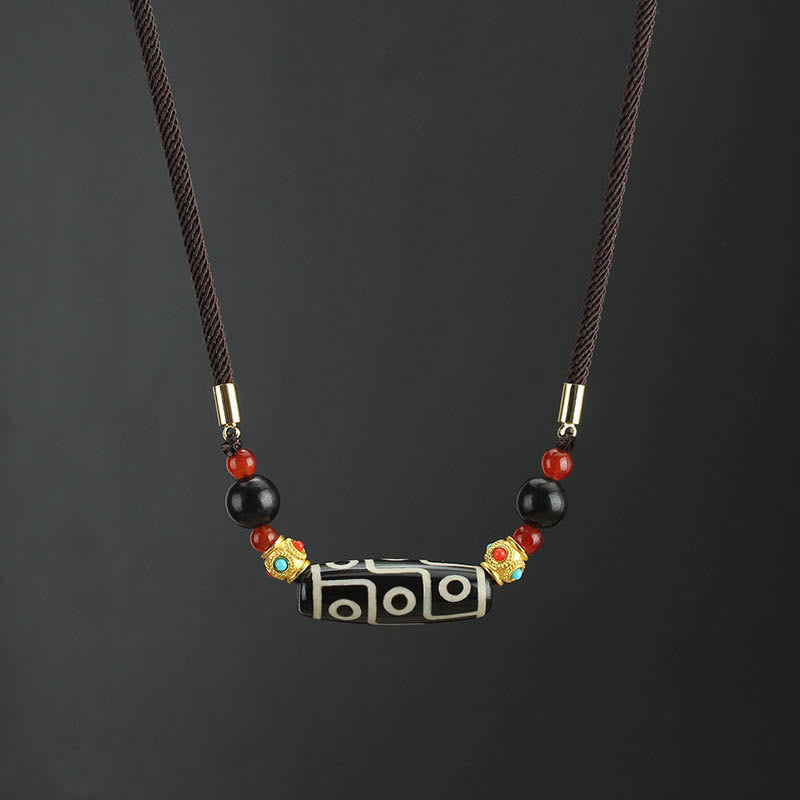
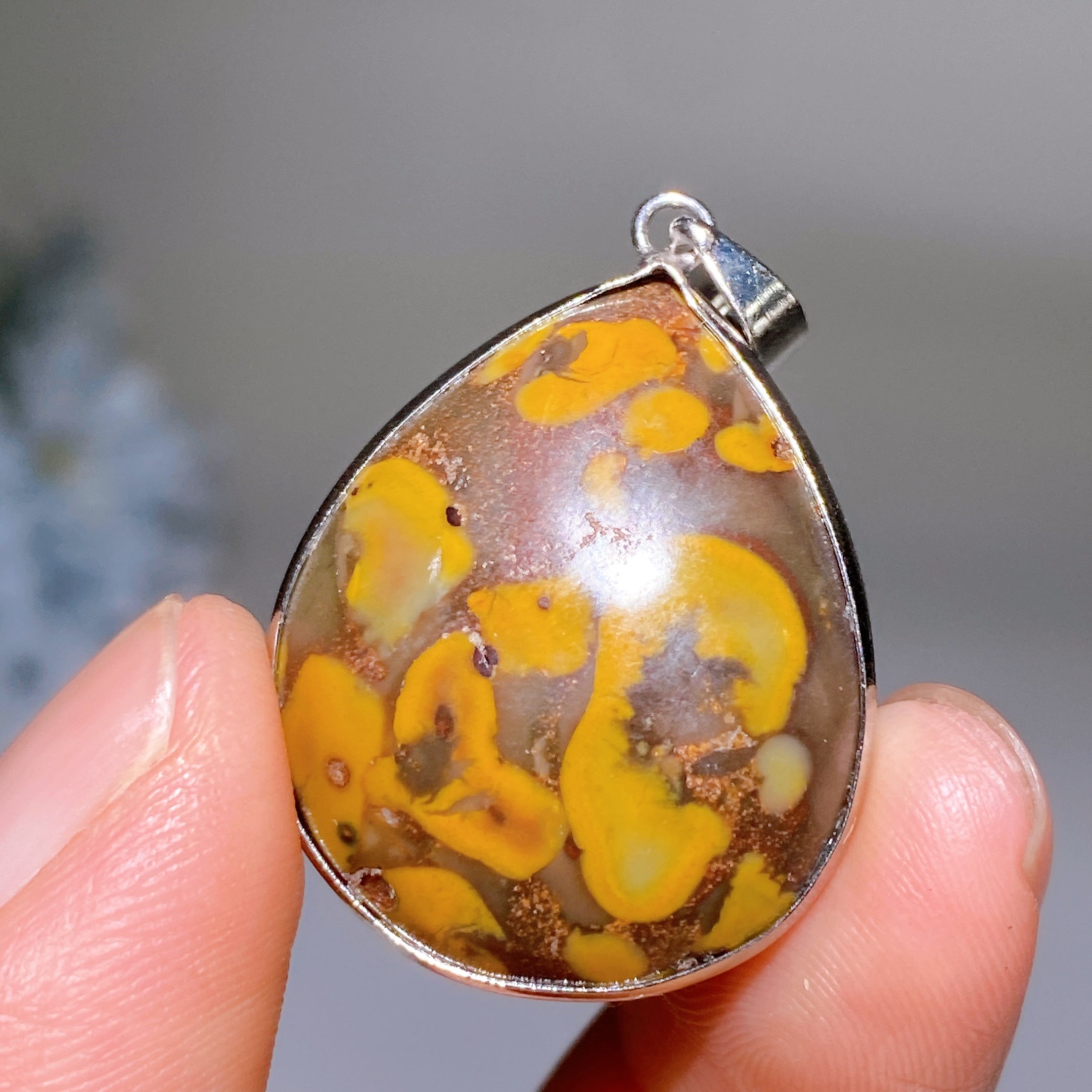
Neun-Augen-Dzi-Perlen-Schutzkette | Tibetischer Achat-Anhänger
$24.90 $35.90
Embrace agate's protective energies with this Tibetan pendant featuring banded patterns, ideal for Superior Agate collectors.
Explore ProductCommon Types of Lake Superior Agates
Not all agates look the same. Collectors categorize Lake Superior agate types based on their internal patterns. Identifying the specific type can significantly impact the stone's desirability and value.
- Fortification Agate: The most common and iconic type. The bands connect to form a closed loop, resembling the aerial view of a fortified castle.
- Eye Agate: Features perfect circles or "eyes" scattered across the surface. These are highly prized for their rarity and aesthetic appeal.
- Water-Level (Waterwashed) Agate: Formed when silica fluids settled in horizontal layers due to gravity, creating straight, parallel bands across the stone.
- Moss Agate: Instead of distinct banding, these contain mineral inclusions that look like moss, trees, or landscapes suspended in the stone.
- Peeler Agate: These stones have outer layers that are naturally fracturing or "peeling" off, revealing the fresh, glossy agate underneath.



Determining Lake Superior Agate Value
The Lake Superior agate value is subjective but influenced by several key factors. While a small, tumbled stone might be worth a few dollars, large, high-quality specimens can fetch hundreds or even thousands.
Size and Weight: Large agates (over a pound) are exceptionally rare. A "pounder" is a significant find for any collector. As the weight increases, the price per pound generally goes up exponentially if the quality is maintained.
Pattern and Color: High-contrast banding with vibrant reds and bright whites is more valuable than washed-out or greyish stones. Rare patterns like "eyes" or perfect "fortifications" command a premium.
Condition: A stone that is fractured or cracked throughout is worth less than a solid, whole nodule. However, a natural "window" (a broken face that reveals the pattern inside) can sometimes help sell a rough stone by proving its quality.
Where to Find Lake Superior Agates
Despite the name, these stones are not found only on the shores of Lake Superior. Glaciers transported them far inland. Prime hunting grounds include:
- North Shore of Lake Superior (Minnesota): The classic location. Rocky beaches near Beaver Bay and Moose Lake are famous hotspots.
- Gravel Pits: Inland gravel pits throughout Minnesota and Wisconsin often yield larger specimens than the beaches, where stones have been picked over for decades.
- River Banks: The St. Croix and Mississippi river banks can also harbor agates washed downstream from glacial deposits.
Hunting Tips for Success
The best time to hunt is after a storm or strong waves have churned the rocks, bringing fresh material to the surface. Sunlight is your best friend; position yourself so the sun is behind you, shining onto the wet rocks. You are looking for that tell-tale translucency and "inner glow" that distinguishes superior agate from the surrounding basalt and granite.

Agate & Jasper Collections

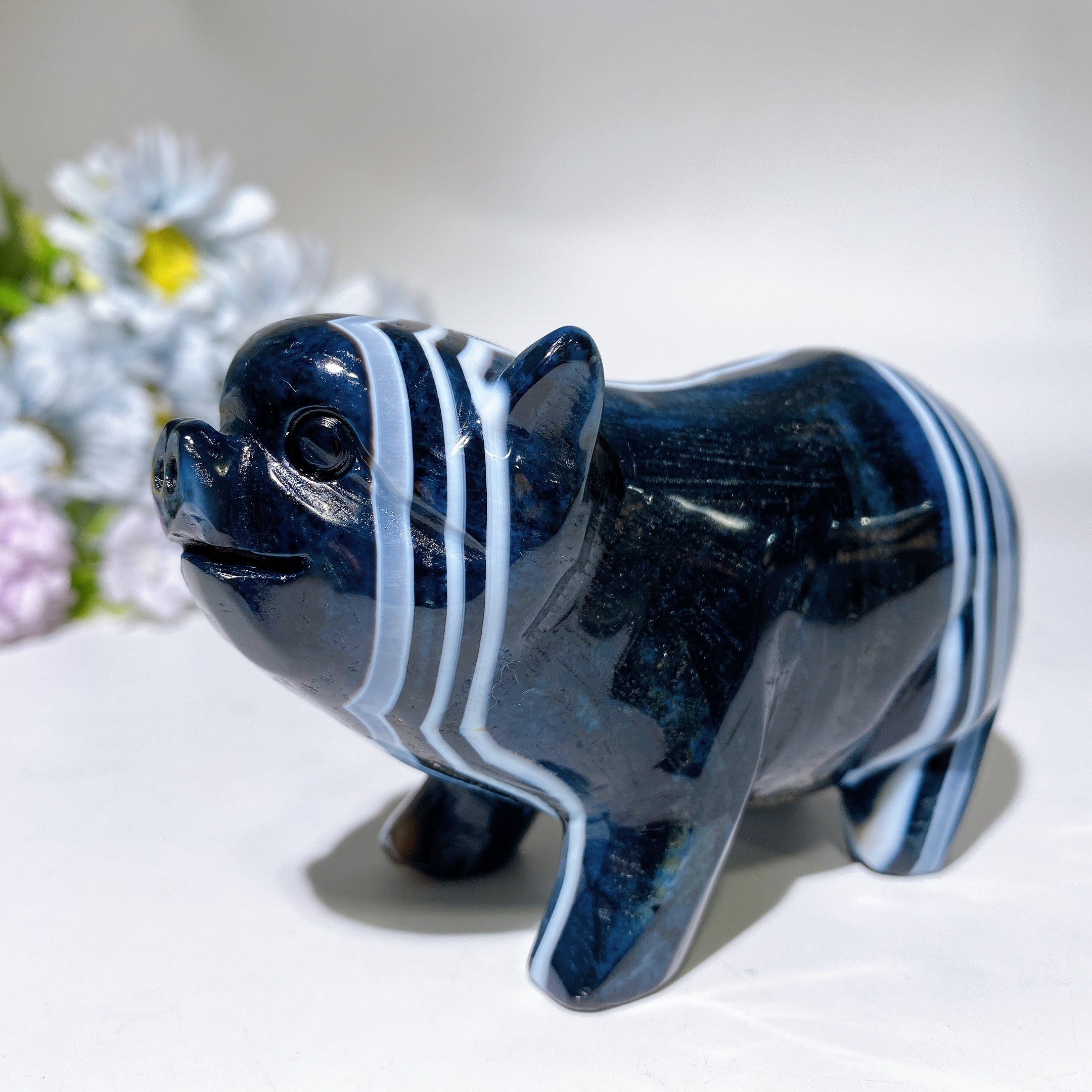
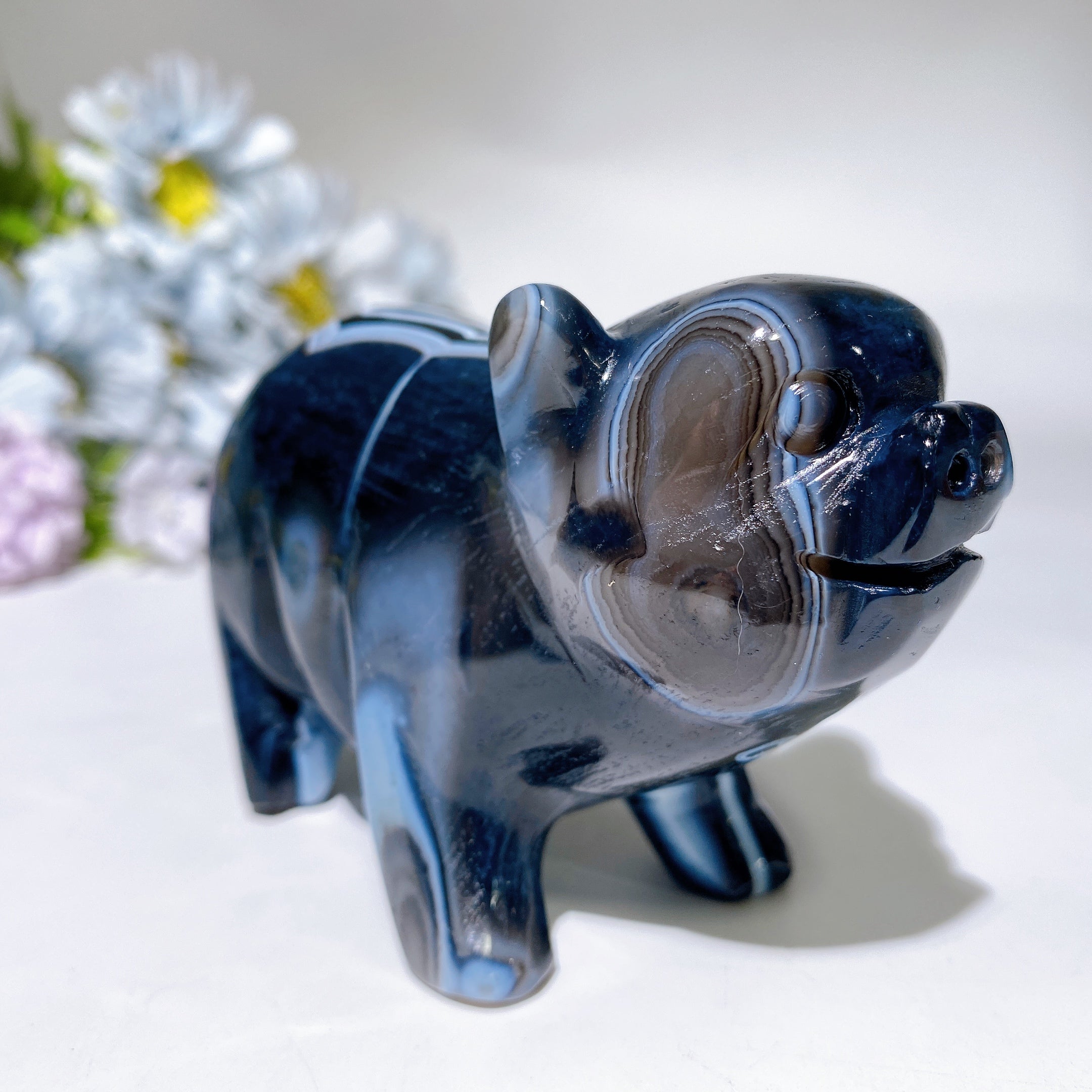
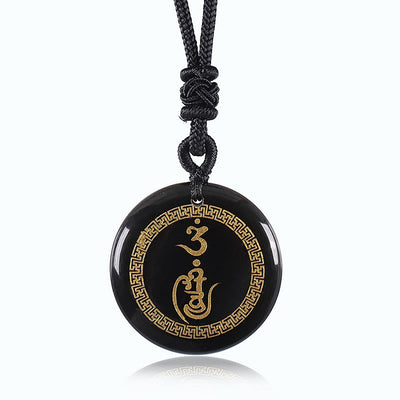
Add grounding energy to your collection with this unique black banded agate piggy—showcasing agate’s classic bands and charm. Learn more ➔

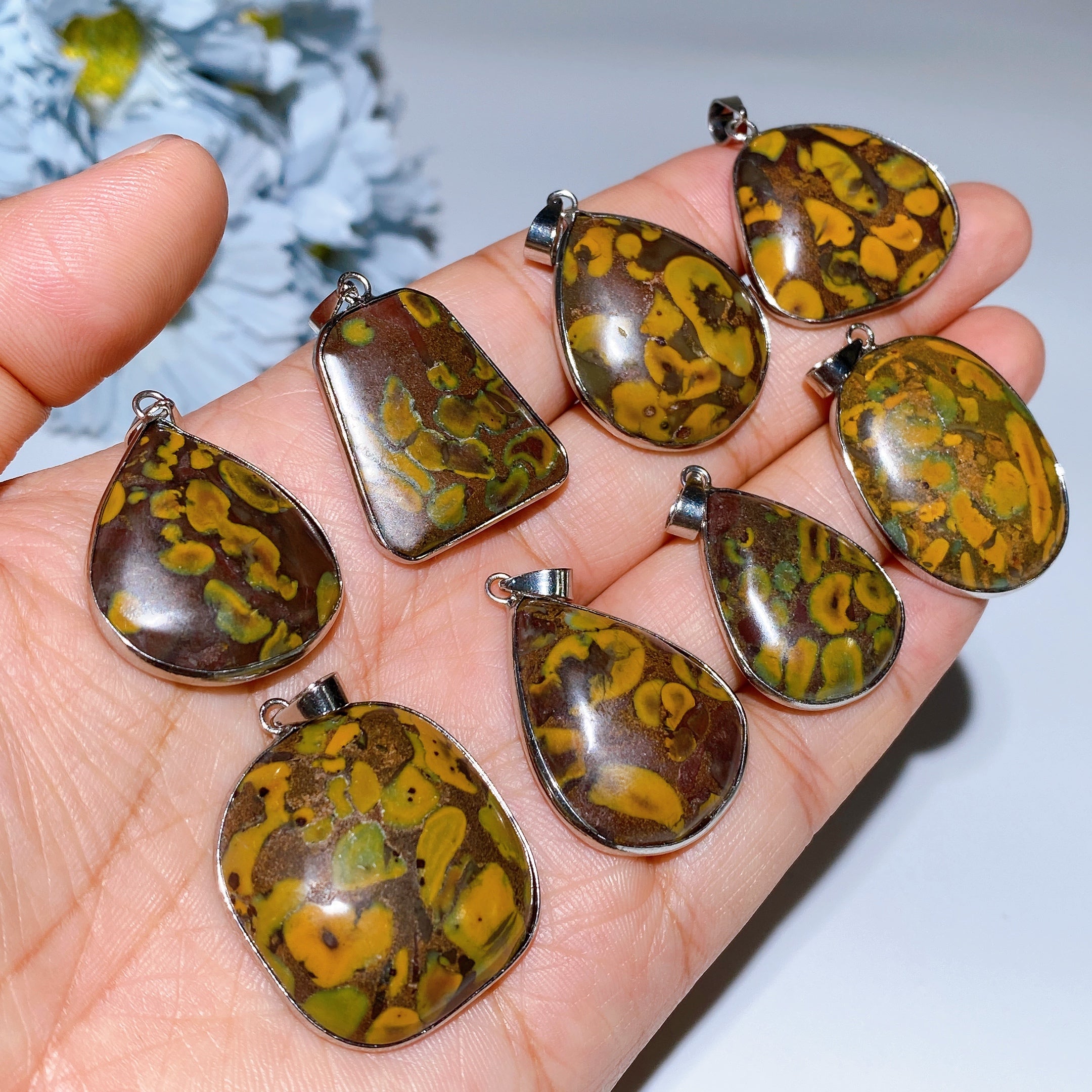
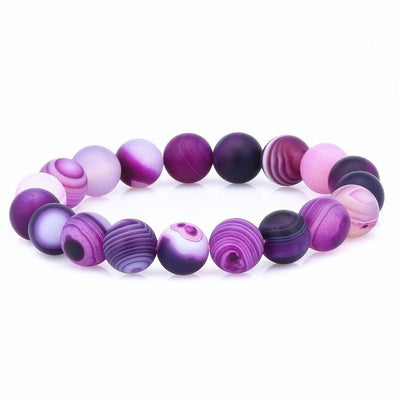
Showcase agate’s natural beauty and patterns with this striking jasper (agate) pendant—perfect for identification and style. Learn more ➔
Conclusion
Searching for Lake Superior agate connects us to the ancient history of the earth. Whether you are walking the windy shores of the Great Lakes or admiring a polished specimen in a collection, the intricate banding and vibrant colors of these stones are truly mesmerizing. By learning proper agate identification, you transform a simple walk on the beach into a treasure hunt.
Remember, patience is key. Every agate is unique, and the next stone you turn over might just be the find of a lifetime. Explore our collection of agate-inspired jewelry and carvings to bring the grounding energy of these ancient stones into your daily life.
Frequently Asked Questions about Lake Superior Agate
Superior agate, or Lake Superior agate, is a type of iron-stained banded silica found in the Lake Superior region. It is the official state gemstone of Minnesota and is prized for its rich red, orange, and yellow coloring caused by iron oxidation.
While small fragments are relatively common on certain beaches, large, high-quality Lake Superior agates (over 1 pound) are considered quite rare. Years of collecting have reduced the number of easily accessible surface stones, making significant finds more valuable.
A 5 lb Lake Superior agate is extremely rare and can be worth thousands of dollars. The exact value depends heavily on the quality of the pattern, lack of fractures, and color intensity. Exceptional museum-quality specimens of this size are highly sought after by serious collectors.
They are primarily found along the North Shore of Lake Superior in Minnesota, as well as on beaches in Wisconsin and Michigan. They can also be found inland in gravel pits and along river banks (like the St. Croix and Mississippi) where glacial drifts deposited them.
To identify a Lake Superior agate, look for alternating bands of color (typically red, orange, and white), translucency when held to light, a waxy luster on chipped surfaces, and a conchoidal (shell-like) fracture. They often have a pitted "potato skin" texture on the outside.