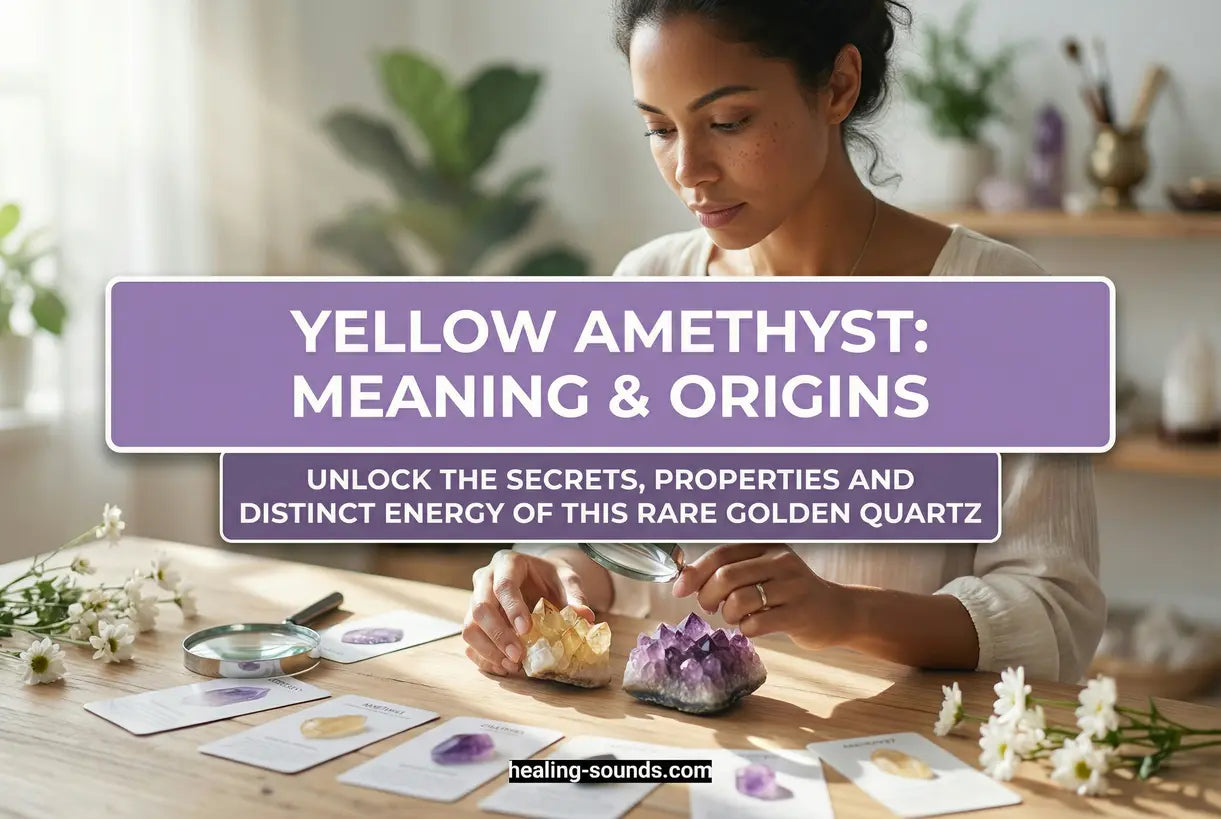
For crystal enthusiasts and spiritual seekers, the world of quartz offers an endless spectrum of colors and energies. While the deep purple hues of traditional amethyst are well-known, a mysterious and vibrant variation often sparks curiosity: yellow amethyst. Does it truly exist? Is it the same as citrine? Navigating the terminology of the gemstone world can be confusing, but understanding the specific vibrations of these stones is essential for your healing journey.
Whether you have encountered terms like golden amethyst, ametrine, or simply heat-treated stones, the yellow amethyst meaning is deeply tied to transformation, clarity, and the solar plexus chakra. In this guide, we will explore the yellow amethyst origins, distinguish it from its mineral cousins, and uncover how this radiant gem can amplify your personal power.
The Origins of Yellow Amethyst: Myth vs. Mineralogy
The question "Can amethyst be yellow?" is one of the most common inquiries in the gem trade. To understand the answer, we must look at the mineral composition. Amethyst is a variety of quartz that gets its purple color from iron impurities and irradiation. When this stone is exposed to heat—either naturally within the earth or artificially in a lab—the iron changes its oxidation state, shifting the color from purple to yellow or orange.
In the geological world, natural yellow amethyst is quite rare. Often, what is sold under this name is actually quartz that has been subjected to heat treatment to resemble citrine. However, there is a fascinating natural occurrence known as ametrine, where conditions allow both purple amethyst and yellow citrine to exist within the same crystal structure. Understanding these yellow amethyst origins helps you choose stones that resonate with your specific intention for authenticity.

What is "Sugar Amethyst"?
You may also hear the term "sugar amethyst" or "cactus quartz" associated with lighter, sparkling varieties. While not always yellow, these unique formations can exhibit a golden amethyst hue due to iron oxide coatings. These stones are celebrated not just for their color, but for their high-vibrational energy that promotes harmony and group cooperation.
Yellow Amethyst vs. Citrine: What is the Difference?
The distinction between yellow amethyst vs citrine is perhaps the most debated topic among collectors. Technically, natural citrine and amethyst are both quartz. The primary difference lies in how the color was achieved.
- Natural Citrine: This stone is relatively rare. It typically has a pale yellow to smoky hue and lacks the reddish or reddish-orange tints often seen in treated stones. It is dichroic, meaning it can show different shades from different angles.
- Heat-Treated Amethyst (Common Citrine): Most "citrine" on the market is actually amethyst that has been heated. These stones often have a burnt orange or deep amber color and opaque white bases. While they are chemically quartz, purists prefer natural citrine for its specific energetic signature.
- Yellow Amethyst: This term is sometimes used to describe the transitional phase or specific heat-treated stones that retain the structure of amethyst geodes but wear the golden color of the sun.

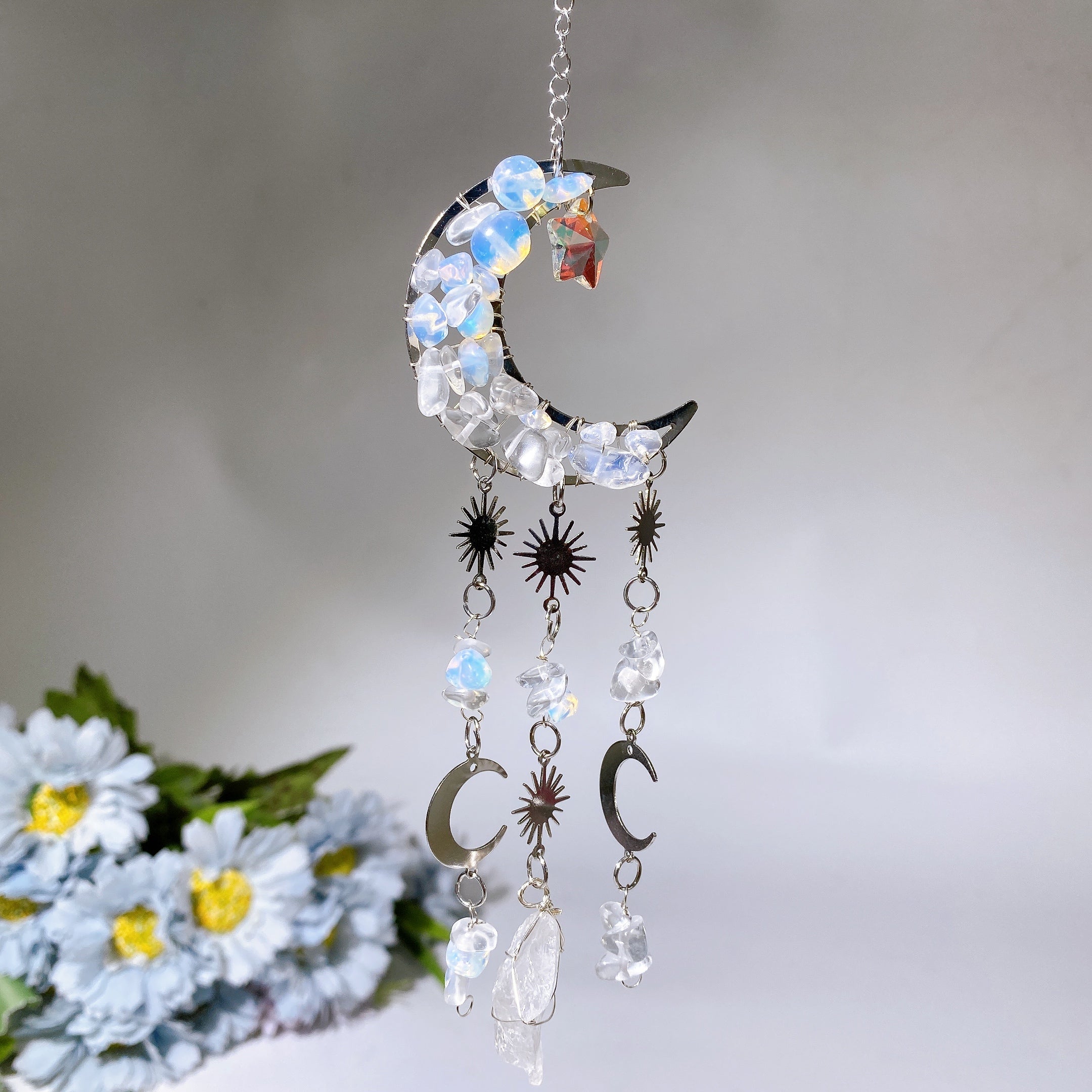
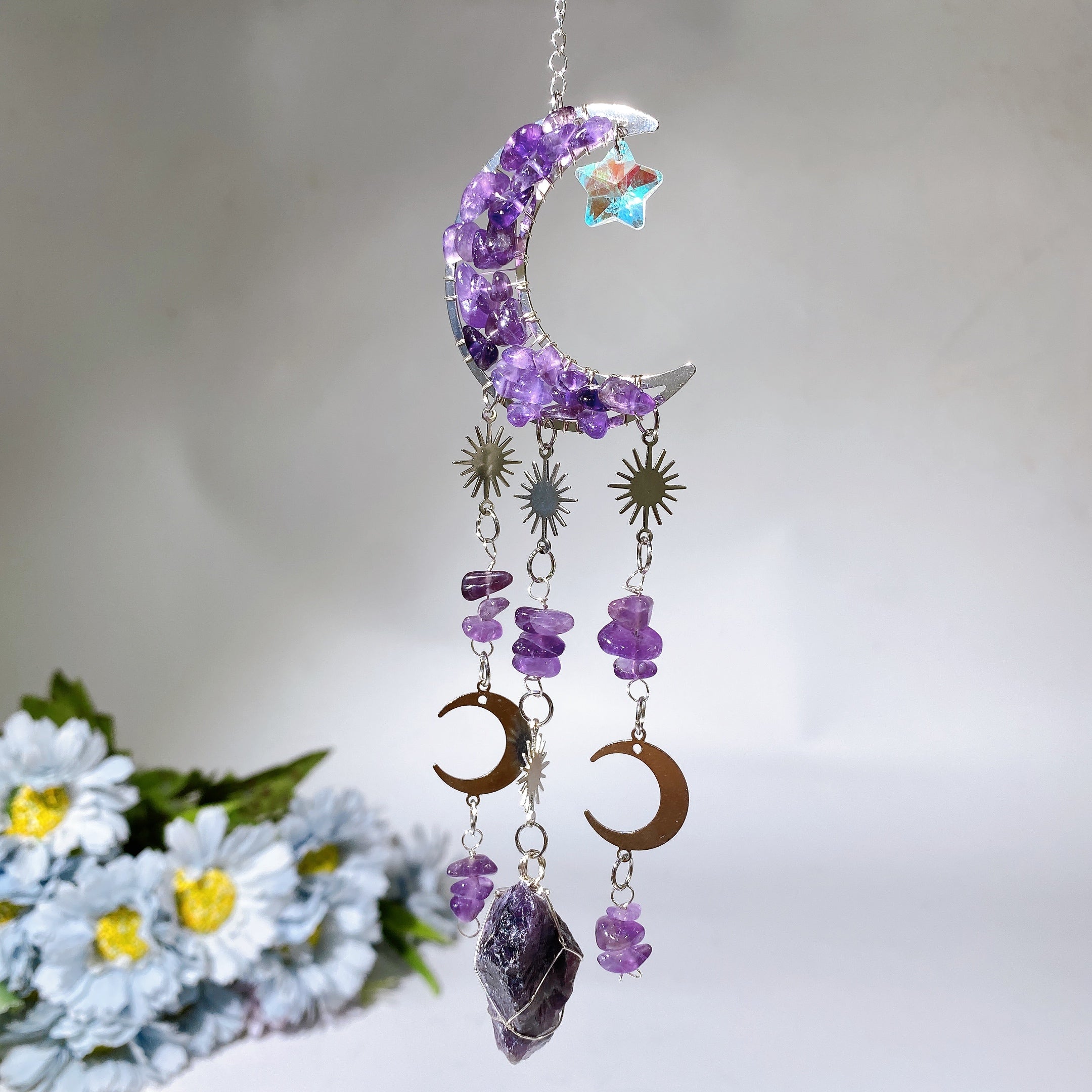
Sonnenfänger in Mondform aus Kristall mit Heilsplittern, 25–28 cm
$23.90 $30.90
Capture amethyst’s radiant beauty and meaning in your space with this unique crystal suncatcher featuring golden hues.
Explore ProductYellow Amethyst Meaning and Metaphysical Properties
Regardless of the specific mineralogical label, stones carrying the golden ray hold powerful yellow amethyst benefits. The shift in color represents a shift in energy centers. While purple amethyst resonates with the Third Eye and Crown Chakras (intuition and spiritual connection), the yellow spectrum connects directly to the Solar Plexus Chakra.
The yellow amethyst meaning is centered on the integration of spiritual wisdom with personal will. It brings the high-frequency spiritual energy of amethyst down into the physical realm of action and manifestation. It is an excellent stone for those who have great ideas (Crown Chakra) but struggle to make them a reality (Solar Plexus).

Many healers use golden amethyst to cleanse the aura and remove negative attachments. Its energy is lighter and more uplifting than the sometimes intense, deep introspection of dark purple amethyst. It encourages optimism, creativity, and the confidence to shine your light.

Ametrine: The Perfect Union
One of the most authentic expressions of natural yellow amethyst is found in Ametrine. This stunning gem is a natural bicolour quartz that is part amethyst and part citrine. Originating primarily from Bolivia (the Anahí Mine), Ametrine perfectly balances the masculine energy of citrine with the feminine energy of amethyst.
For those interested in yellow amethyst because they seek balance, Ametrine is the ultimate solution. It harmonizes the mind and the will, helping you act on your intuition without hesitation. It is often called the "merchant's stone" for its ability to attract abundance while maintaining spiritual integrity.
Wear the Energy of Balance

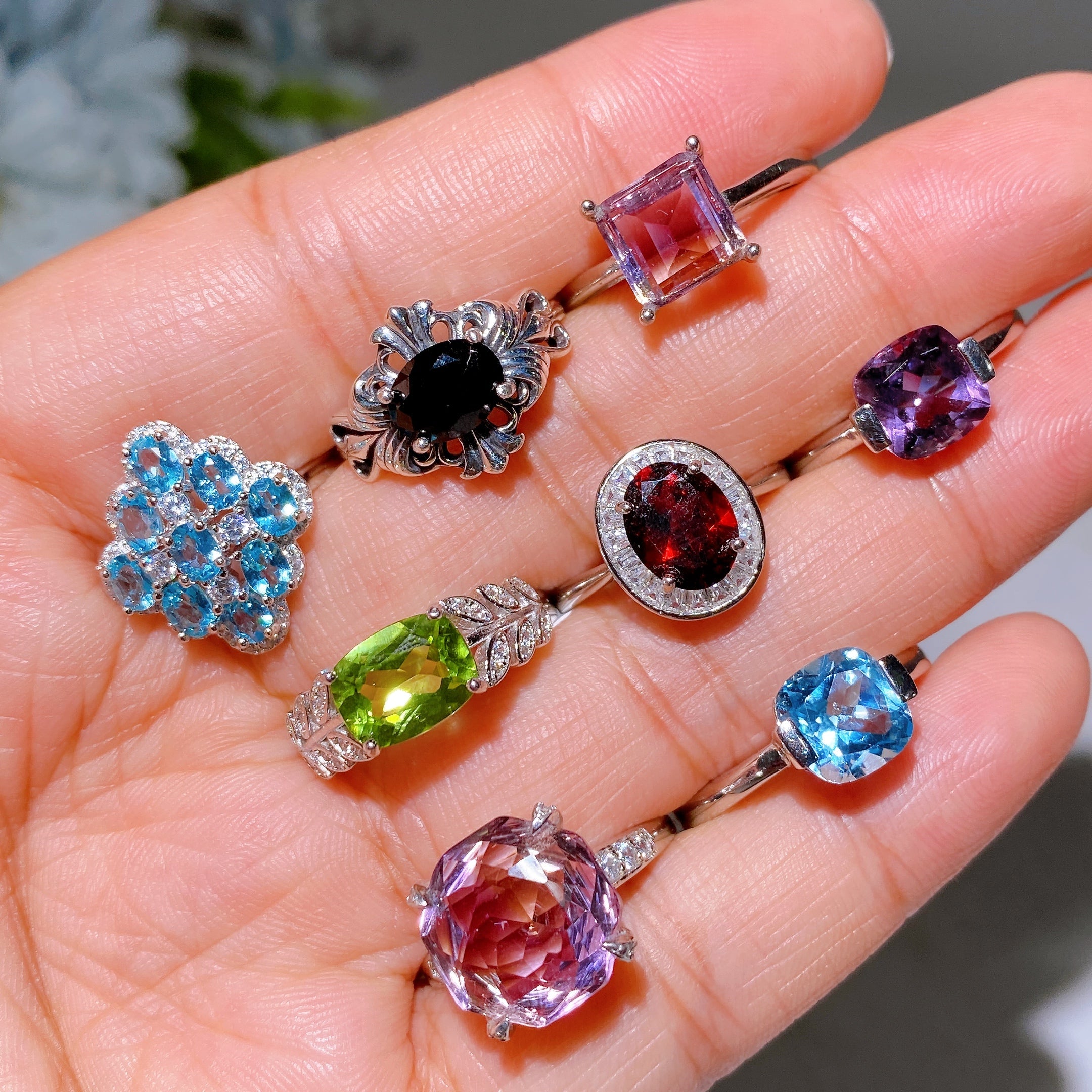
Verstellbarer S925 Kristall-Heilring mit mehreren Edelsteinen
$149.90
$219.90
Wear the metaphysical blend of amethyst and citrine—this ring celebrates yellow and golden amethyst energy every day. Learn more ➔

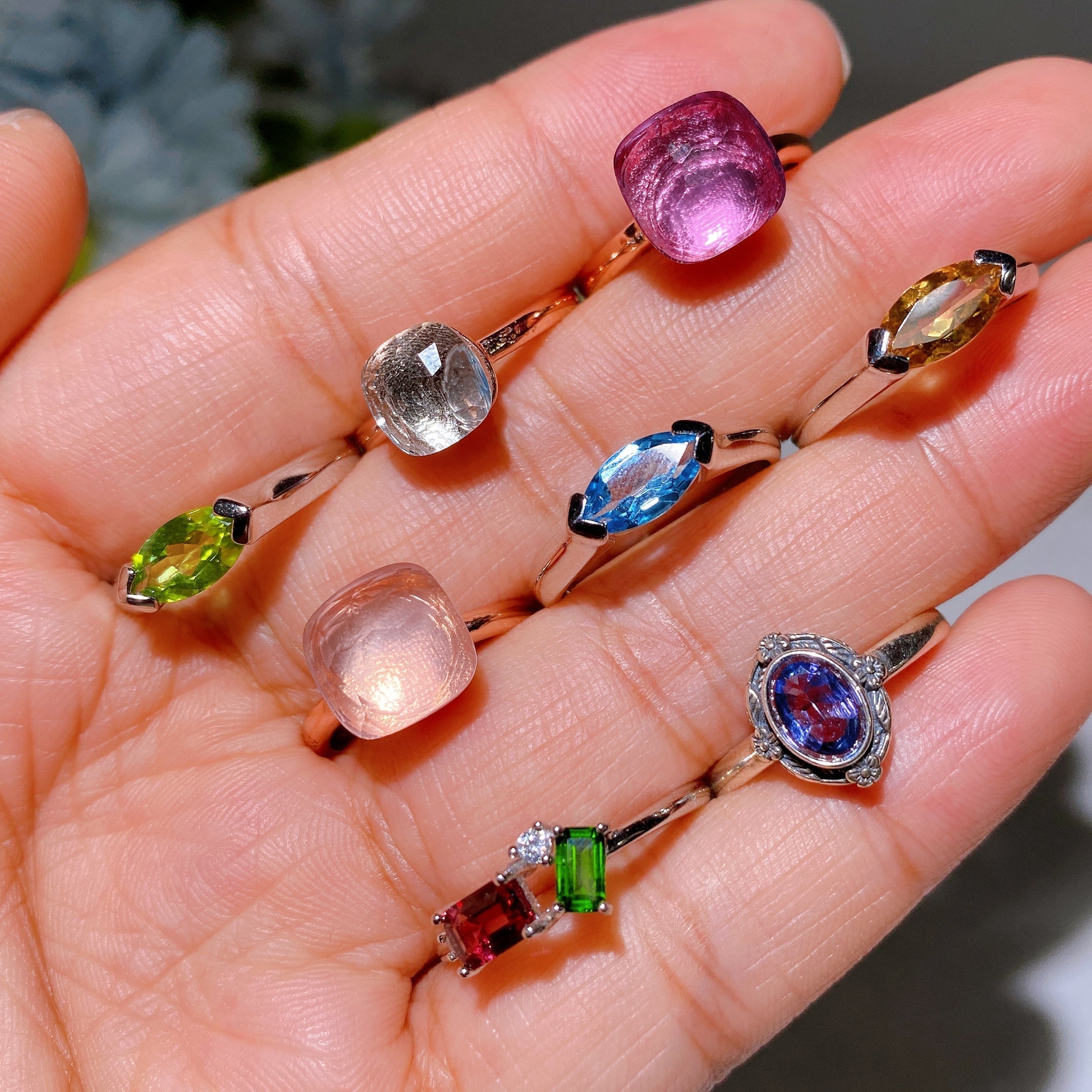
Sterling Silber Spirituelle Kristall Ohrringe 24-40mm Heilung
$149.90
$219.90
Express your spiritual connection with gorgeous earrings featuring ametrine and amethyst, perfect for yellow amethyst lovers. Learn more ➔
How to Use Yellow Amethyst for Healing
Integrating yellow amethyst into your daily practice can be a refreshing change if you are used to working only with purple stones. Because it bridges the gap between spiritual connection and physical manifestation, it is ideal for morning meditations where you set your intentions for the day.
You can place a piece of yellow amethyst or ametrine on your solar plexus while lying down to clear blockages related to self-esteem. Alternatively, keeping a cluster on your work desk can promote mental clarity and decisiveness. Many find that combining it with clear quartz amplifies its purifying effects.

Conclusion
While the terminology around yellow amethyst can be complex, its beauty and energy are undeniable. Whether it appears as natural ametrine, heat-treated citrine, or rare golden inclusions, this stone invites warmth, clarity, and personal power into your life. By understanding the yellow amethyst meaning and its origins, you can make informed choices that align with your spiritual practice, ensuring that every gem you own resonates with authentic healing energy.
Frequently Asked Questions about Yellow Amethyst
Yes, amethyst can turn yellow when exposed to heat. This can happen naturally within the earth or artificially through heat treatment. Natural bicolour stones containing both purple and yellow sectors are known as Ametrine.
The "Deep Russian" variety, which is an exceptionally deep purple with red flashes, is historically considered the rarest and most valuable. Pure natural yellow quartz (natural citrine) is also far rarer than common purple amethyst.
They are both varieties of the mineral quartz. The main difference is the oxidation state of iron impurities within the crystal lattice. Much of the commercial citrine sold today is actually heat-treated amethyst.
It is often referred to commercially as heat-treated citrine or golden amethyst. When the stone naturally contains both purple and yellow zones, it is properly called Ametrine.
Yellow amethyst is believed to stimulate the Solar Plexus Chakra, enhancing willpower, confidence, and mental clarity. It is used to clear energy blockages and aid in manifestation.