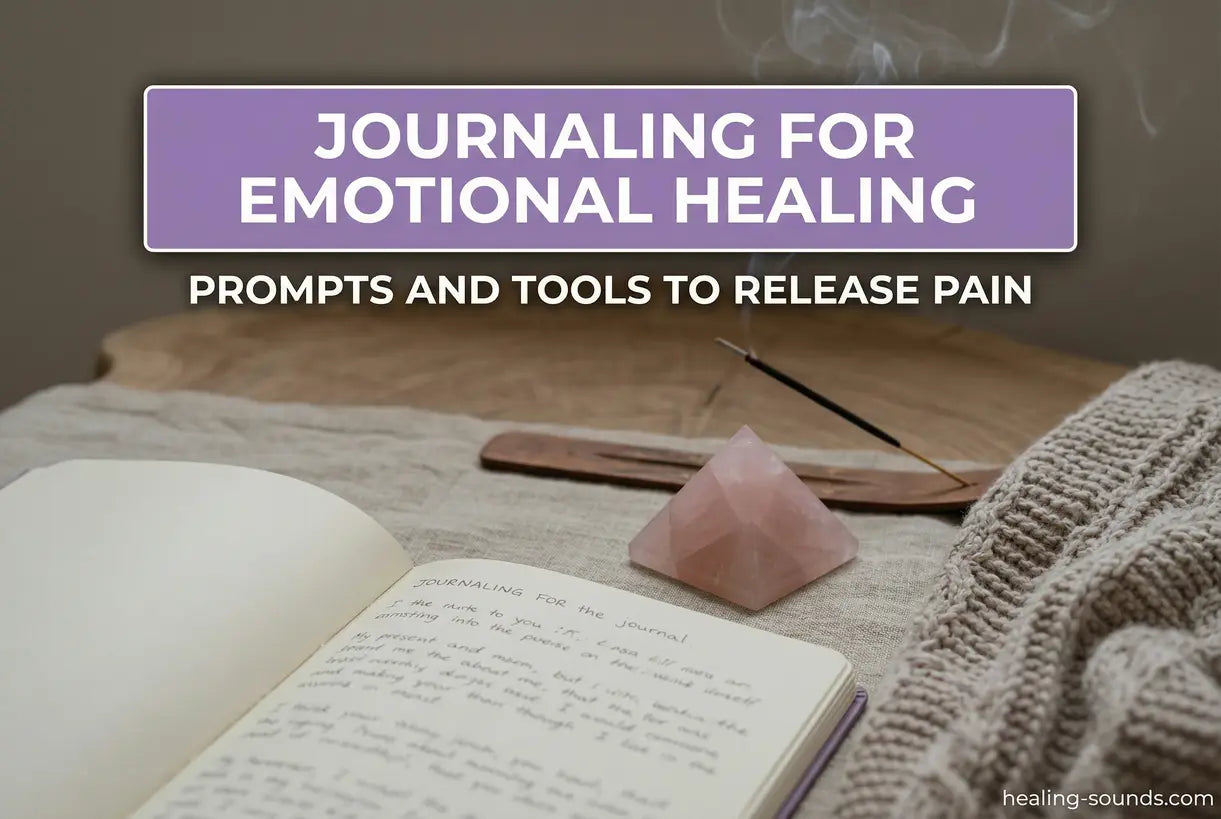
We often carry the weight of our unspoken emotions like heavy stones in a backpack, unaware of how much they slow us down. Journaling for emotional healing offers a way to unpack that burden, stone by stone, providing a safe and private space to process complex feelings. Whether you are navigating grief, anxiety, or simply the stress of daily life, putting pen to paper can be a transformative act of self-care.
For wellness-focused individuals seeking holistic growth, this practice is more than just keeping a diary; it is a structured form of expressive writing designed to unearth deep-seated patterns and foster clarity. In this guide, we will explore effective techniques and powerful prompts to help you release emotional pain, restore inner balance, and reconnect with your true self.
The Science Behind Healing Through Writing
Writing about stressful or traumatic events is often referred to as expressive writing. Research suggests that this practice can significantly improve physical and psychological health. By translating chaotic feelings into language, you move the experience from the emotional center of the brain to the analytical center, allowing you to make sense of what happened.
This process of externalizing your thoughts helps reduce the intensity of emotional pain. It validates your experiences and creates a tangible record of your resilience. While meditation quiets the mind, healing journals actively engage with the noise, sorting through the clutter to find peace.

Benefits of Emotional Journaling
Engaging in regular writing sessions does not require you to be a skilled writer. The goal is raw honesty, not literary perfection. Here are some profound benefits you may experience:
- Stress Reduction: Releasing pent-up emotions lowers cortisol levels and promotes relaxation.
- Clarity and Insight: Writing helps identify triggers and behavioral patterns that no longer serve you.
- Emotional Release: It acts as a valve for intense feelings, preventing them from manifesting physically.
- Self-Discovery: Regular emotional journaling prompts can reveal desires and values you were previously unaware of.
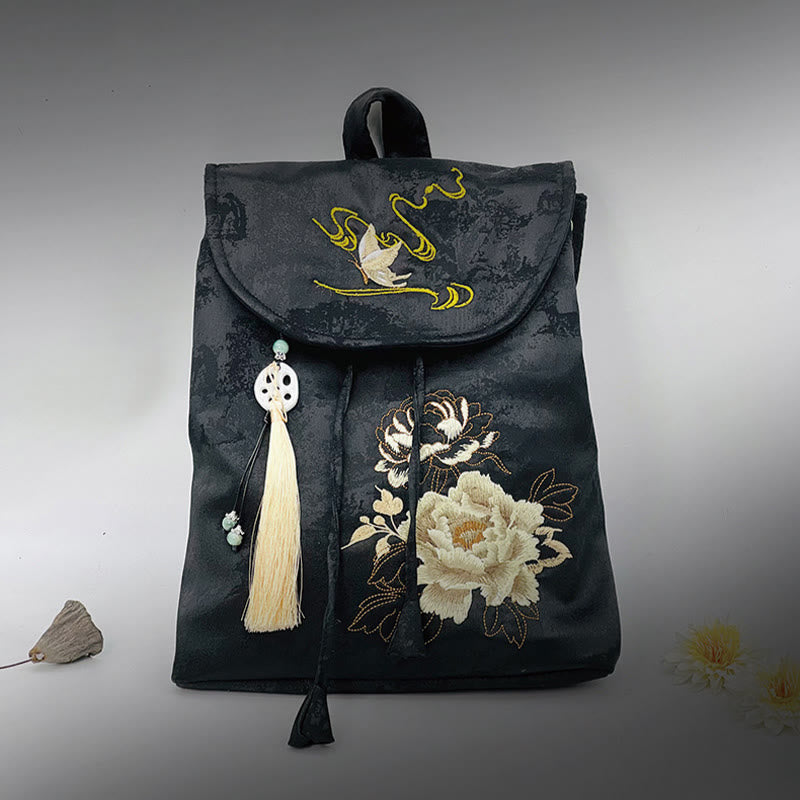
To support your practice, having a dedicated bag to keep your journal and tools organized can make the habit stick. It signifies that your healing time is portable and precious.

Geräumiger Rucksack mit schwarzer Pfingstrose-Stickerei für Meditationszubehör
$47.90 $68.90
Carry your journal, crystals, and self-care tools in style on your emotional healing journey with this embroidered backpack.
Explore ProductEffective Journaling Techniques
There is no single "right" way to journal, but certain techniques are particularly effective for emotional release. Experiment with these methods to see which resonates with your current state of mind.
Stream of Consciousness
Set a timer for 10 or 15 minutes and write without stopping. Do not worry about grammar, spelling, or coherence. If you get stuck, write "I don't know what to write" until a new thought emerges. This technique bypasses the inner critic and allows subconscious thoughts to surface.
Unsent Letters
Write a letter to a person, a situation, or even a part of yourself that has caused you pain. Express everything you have been holding back—anger, sadness, forgiveness, or regret. The key is that you do not send it. This allows for total honesty and safety in your expression.
To see more techniques in action, watch this helpful video on methods that can transform your daily practice.
Journaling Prompts for Emotional Healing
Sometimes a blank page can be intimidating. Using specific emotional journaling prompts acts as a key to unlock doors within your psyche. Below are categorized prompts designed to guide you through different aspects of healing.
Prompts for Releasing Pain
- What emotion am I avoiding right now, and why am I afraid to feel it?
- Describe a heavy burden you are carrying. What would it look like to set it down for just five minutes?
- Write about a past wound that still hurts. What does that younger version of you need to hear today?

Prompts for Self-Discovery and Growth
- What are three things I can forgive myself for today?
- In what areas of my life do I feel most authentic? In which do I feel I am wearing a mask?
- If my anxiety could speak, what is it trying to protect me from?





Creating a Sacred Ritual
Transforming your writing time into a ritual enhances the experience. By engaging your senses, you signal to your brain that it is time to slow down and focus inward. A dedicated space, even if it is just a corner of a room, becomes a sanctuary for your healing journal practice.
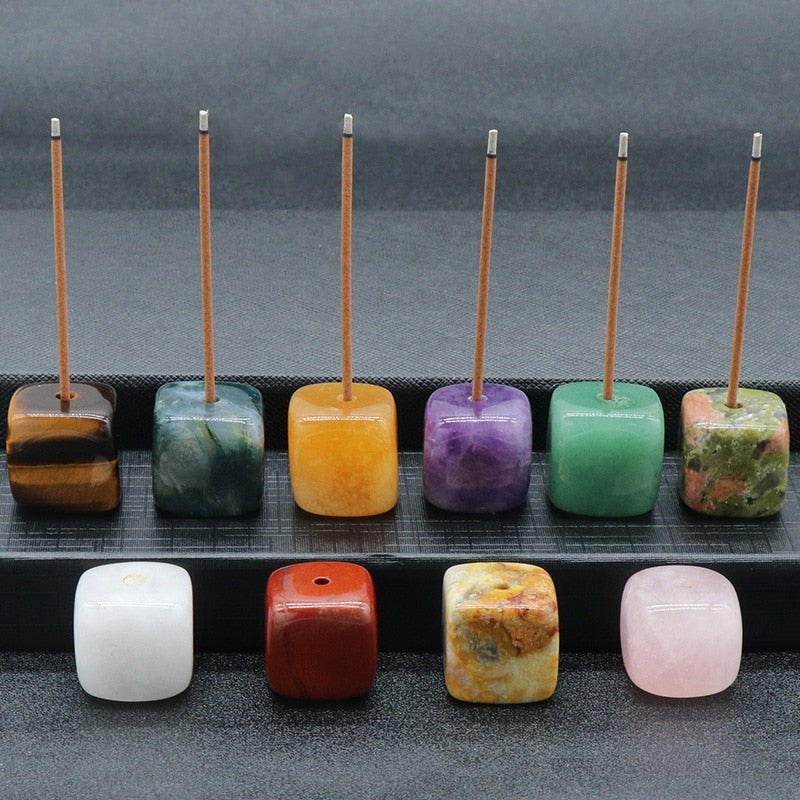
Consider lighting incense to clear the energy or holding a crystal to ground yourself. Elements like Rose Quartz are traditionally associated with self-love and emotional balance, making them excellent companions for this work.

Incorporating these sensory tools creates an atmosphere of safety, allowing deeper vulnerability on the page.
Enhance Your Healing Space
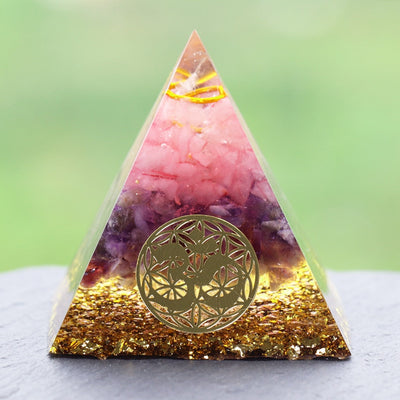
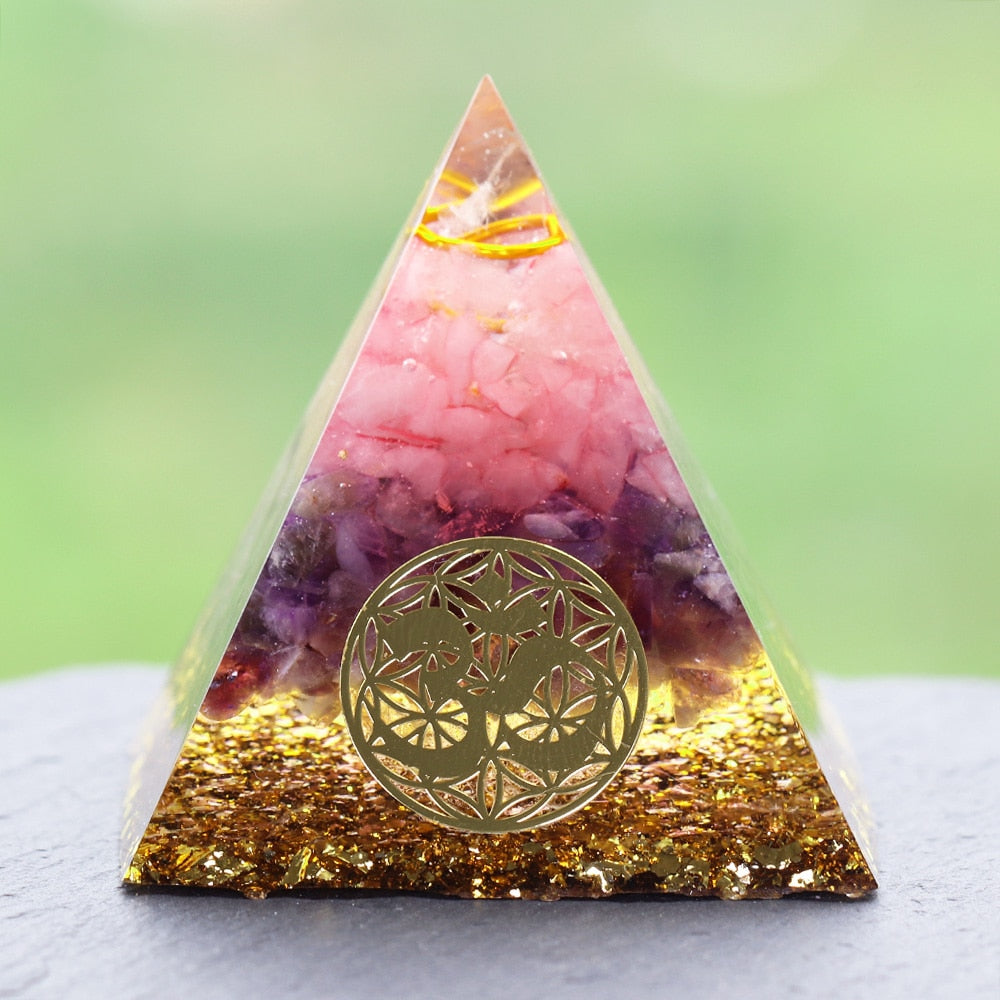
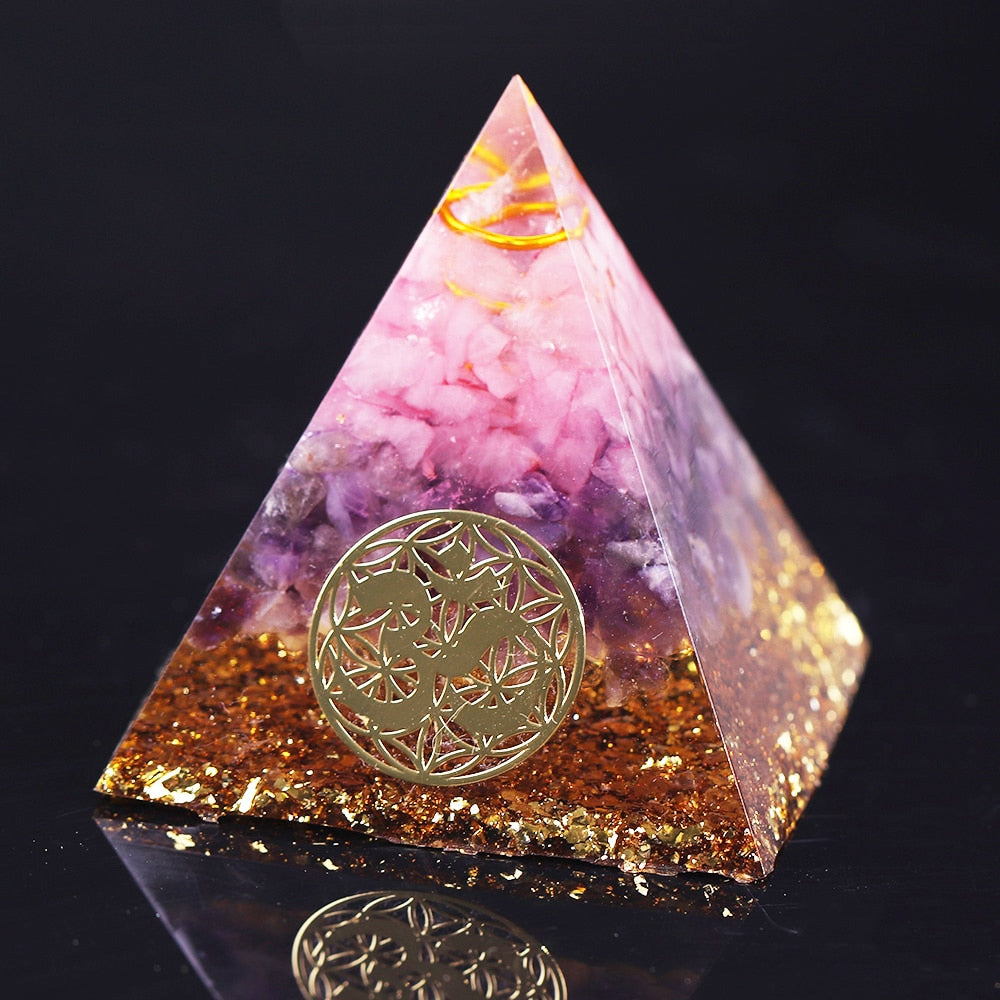
Rosenquarz-Orgonit-Pyramide für Meditation und Harmonie
$49.99
$59.99
Bring emotional balance and calming energy to your healing space with this rose quartz orgonite pyramid. Learn more ➔
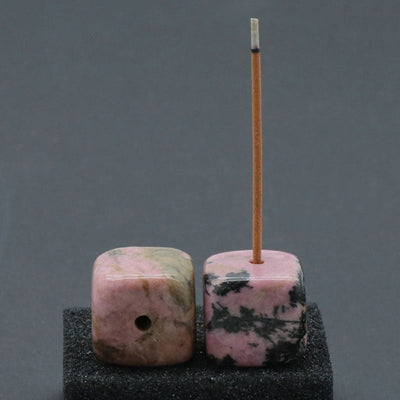
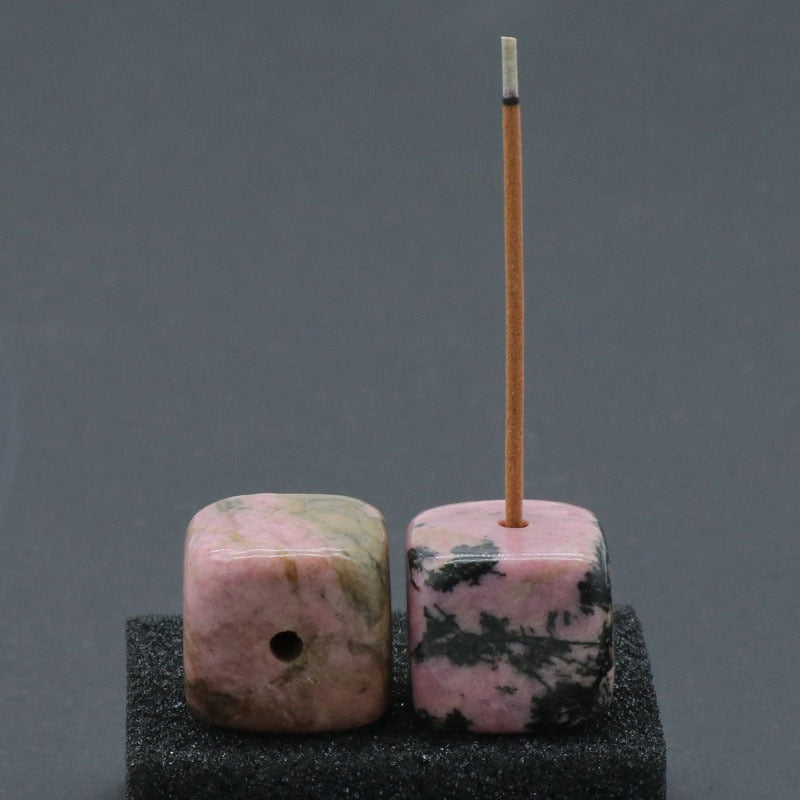
Enhance your journaling rituals with a natural quartz incense holder for tranquil, healing writing sessions. Learn more ➔
Conclusion
Journaling for emotional healing is a journey, not a destination. By committing to this practice, you give yourself the gift of being heard—by the most important person in your life: yourself. Whether you use structured prompts or free-flow writing, the act of putting words to paper can slowly dissolve the blocks of stored pain and illuminate a path forward.
Remember that healing is non-linear. Some days the words will flow, and other days they will not. Trust the process, utilize tools like soothing incense or comforting crystals to support your space, and be gentle with yourself as you write your way to release and recovery.
Frequently Asked Questions about Journaling for Emotional Healing
The 3-3-3 method is a simple anxiety-reducing technique often adapted for journaling. You write down 3 things you see, 3 sounds you hear, and 3 parts of your body you can move (like ankles or fingers). This helps ground you in the present moment, shifting focus away from overwhelming emotions.
To start emotional journaling, find a quiet space and set aside 15-20 minutes. Choose a prompt or simply write about what is weighing on your mind. Focus on your feelings rather than just the events. Be honest and uncensored; no one else needs to read it. Consistency is key to seeing results.
The 3-2-1 method is a quick reflection tool. You might write: 3 things you are grateful for, 2 things you learned today, and 1 goal for tomorrow. This structure provides a balanced mix of positivity, reflection, and forward-thinking, which supports emotional stability.
Yes, journaling helps release emotions by externalizing them. Scientific studies show that expressive writing about stressful events can reduce the intensity of intrusive thoughts, lower stress levels, and help individuals process trauma effectively.
Journaling aids emotional healing by creating a safe container for difficult feelings. It promotes self-awareness, helps identify negative patterns, creates distance from painful thoughts (cognitive defusion), and fosters self-compassion, all of which are essential for long-term recovery.