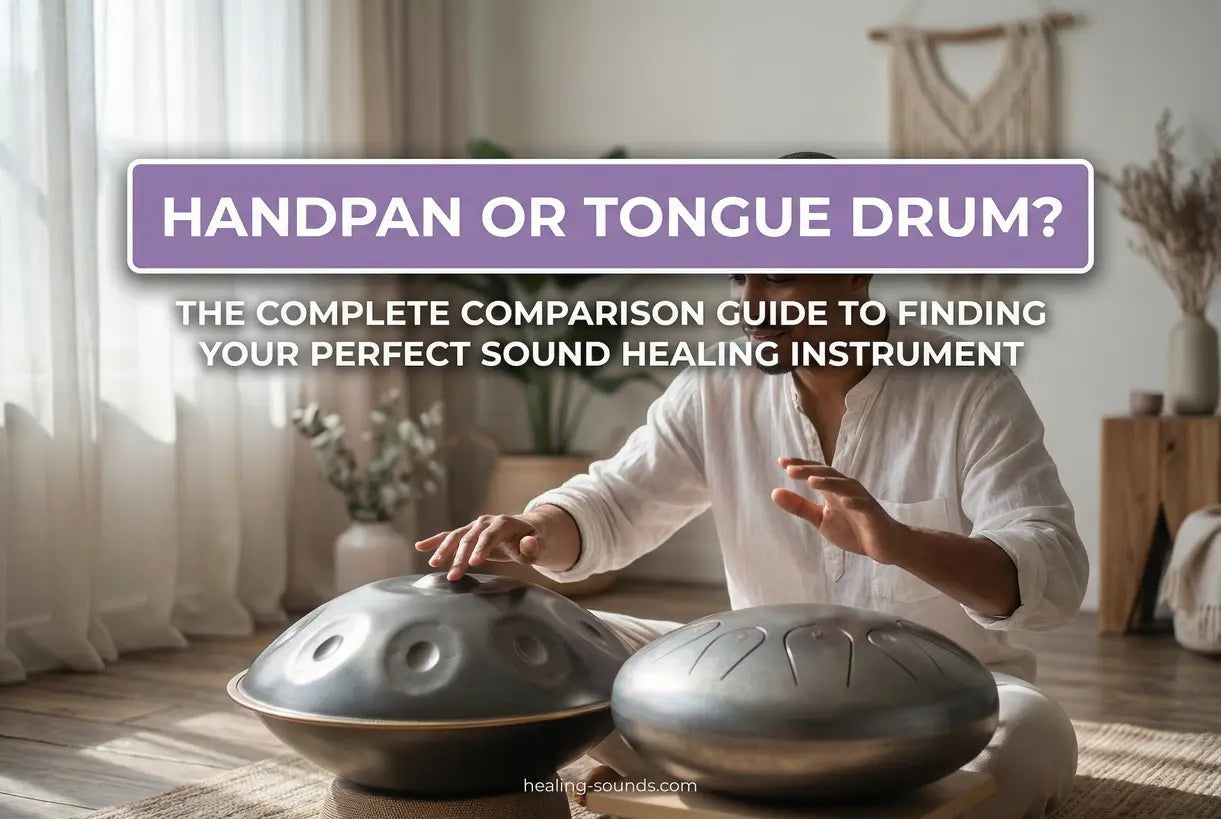
Choosing between a handpan vs tongue drum can feel overwhelming when you're ready to invest in your first melodic percussion instrument. Both instruments produce enchanting, meditative tones that have captivated musicians and wellness practitioners worldwide, yet they differ significantly in price, playability, and sonic character. Whether you're a beginner seeking an affordable entry point into sound healing or a serious musician looking for professional-grade resonance, understanding these differences is essential before making your purchase.
In this comprehensive buying guide, we'll explore everything you need to know to make an informed decision. From price comparisons and sound quality differences to learning curves and portability factors, you'll discover which instrument aligns with your goals, budget, and lifestyle. By the end, you'll have clarity on whether the ethereal complexity of a handpan or the accessible charm of a tongue drum is your perfect match.
Understanding These Instruments
Before diving into comparisons, it's important to understand what makes each instrument unique. Both handpans and tongue drums belong to the family of steel percussion instruments, but their construction, playing technique, and sonic output create distinctly different musical experiences.
What is a Handpan?
The handpan, sometimes called a hang drum, is a convex steel instrument played with the hands and fingers. Crafted from two steel shells joined together, it features a central dome (the ding) surrounded by tone fields that create a rich, resonant sound. When struck, handpans produce complex overtones and sustain that can last for several seconds, creating an immersive, almost orchestral quality.
Handpans typically feature 8-9 notes arranged in a specific scale, most commonly D Minor or C Major. The instrument's convex shape requires players to position it on their lap or a stand, using fingertips and the sides of their thumbs to elicit different tones. This playing technique, combined with the instrument's sophisticated construction, contributes to both its premium price point and its reputation as a professional-grade instrument.
What is a Tongue Drum?
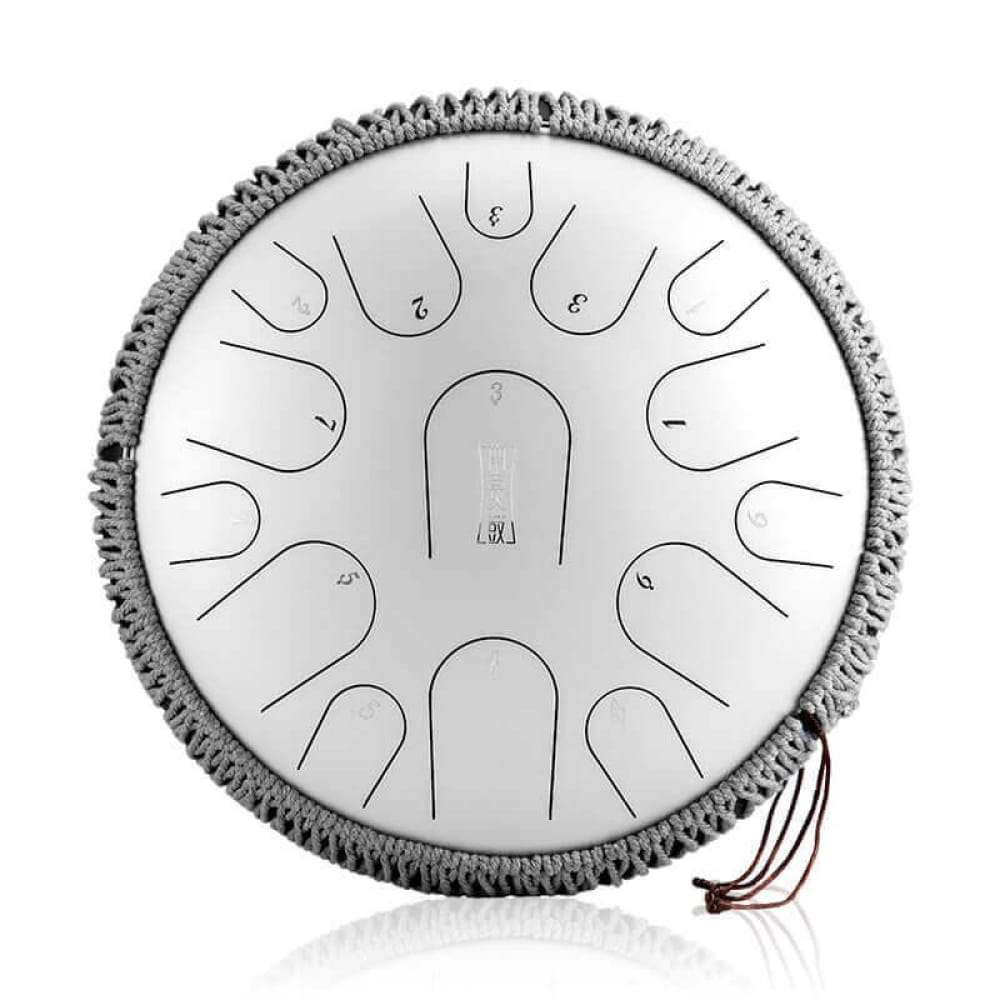
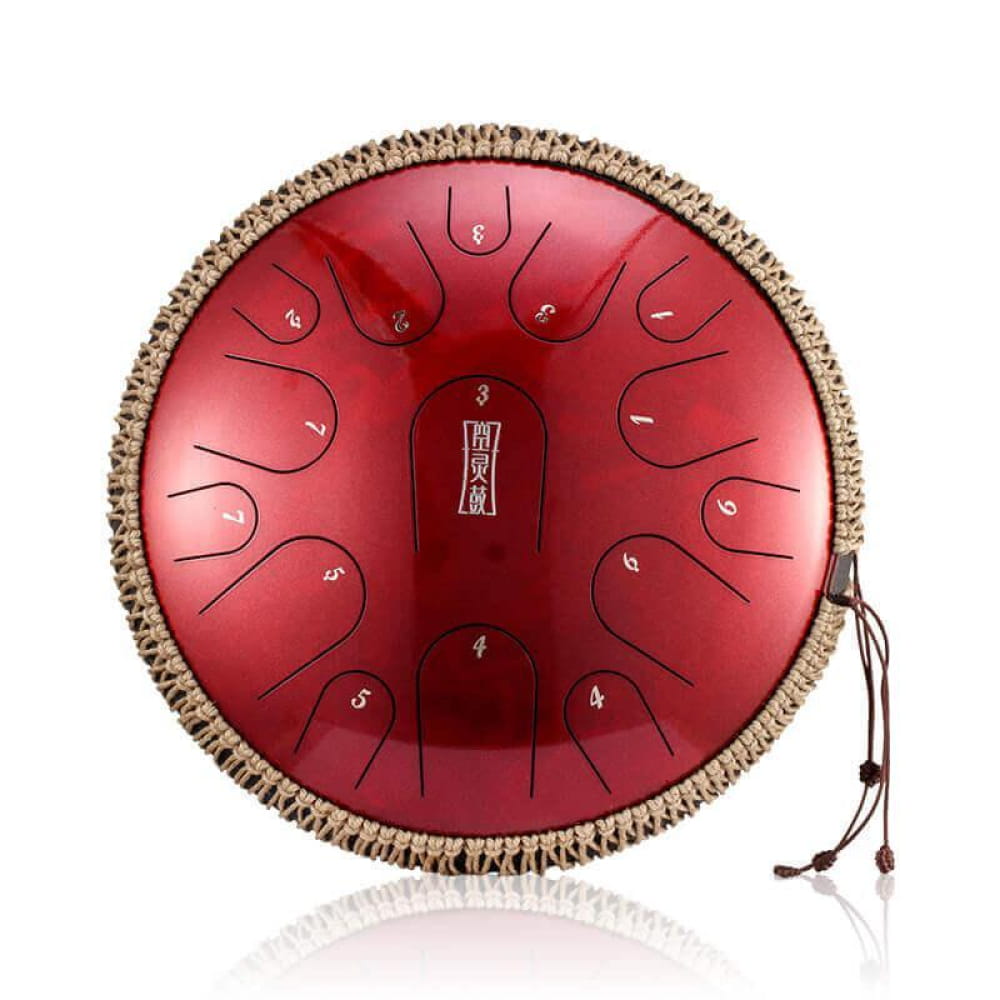
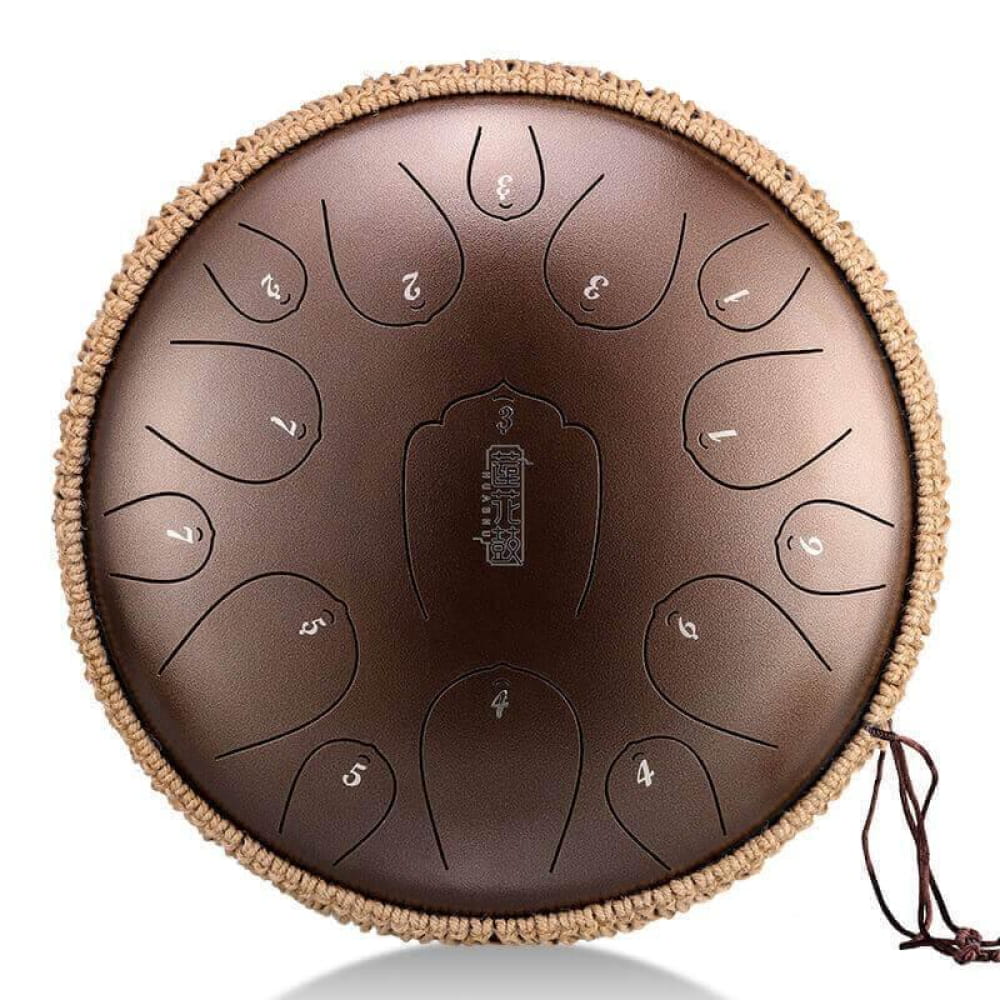
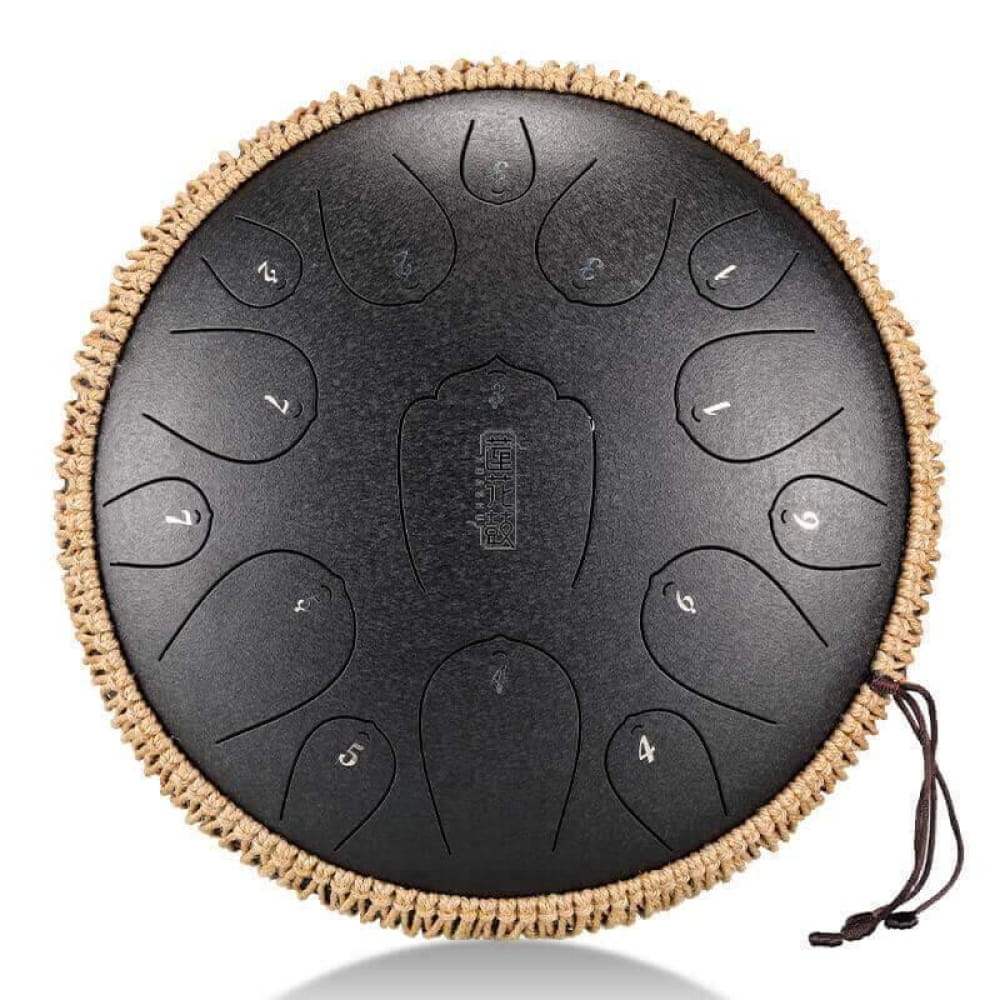
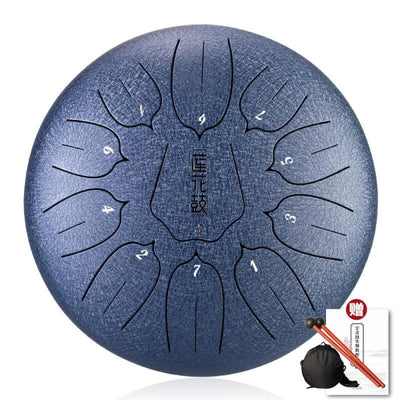
The tongue drum, also known as a steel tongue drum or tank drum, features a flat or slightly concave steel surface with cut-out "tongues" of varying lengths that produce different notes when struck. Unlike the handpan's convex dome, tongue drums have a more accessible, intuitive design that makes them immediately playable even for complete beginners.
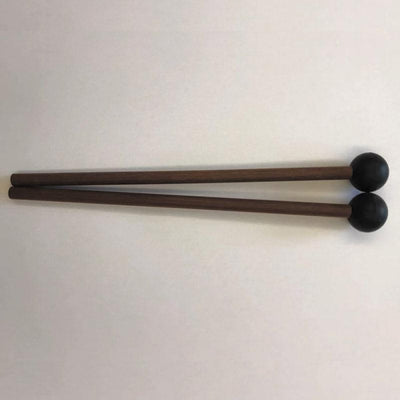
Most tongue drums come with 8-15 notes and are available in various scales and keys. The instrument can be played with mallets (included with most purchases) or with fingers, offering versatility in playing style. Tongue drums are generally smaller and lighter than handpans, making them exceptionally portable for travel, outdoor meditation sessions, or yoga classes.

Critical Buying Considerations
When evaluating a handpan vs tongue drum for your personal or professional use, several key factors will influence your decision. Understanding these differences will help you align your purchase with your budget, skill level, and intended use.
Price and Investment
One of the most significant differences between these instruments is the price point. Handpans typically range from $1,500 to $3,000 or more for quality instruments crafted by reputable makers. This premium pricing reflects the complex hand-hammering process, the precision required to tune each note field, and the months of work that go into creating a single instrument.
Tongue drums, by contrast, offer a much more accessible entry point. Quality tongue drums typically range from $200 to $800, with excellent beginner options available in the $200-$400 range. This affordability makes tongue drums an ideal choice for those just beginning their sound healing journey or anyone who wants to explore melodic percussion without a significant financial commitment.
Sound Quality and Character
Both instruments produce beautiful, meditative tones, but their sonic characteristics differ notably. Handpans are renowned for their rich, complex overtones and long sustain. When played, a handpan creates a layered soundscape with fundamental notes accompanied by harmonic overtones that blend together in an almost orchestral fashion. This complexity makes handpans particularly suited for solo performances and professional recordings.
Tongue drums produce a cleaner, more focused tone with shorter sustain. While they lack the harmonic complexity of handpans, their pure, bell-like tones are incredibly soothing and perfect for meditation, yoga accompaniment, and personal relaxation. Many practitioners appreciate the tongue drum's clarity, as it creates less sonic "clutter" during mindfulness practices.
Learning Curve and Playability
For beginners, the learning curve represents a crucial consideration. Tongue drums are generally considered more accessible for complete novices. The numbered or note-marked tongues make it easy to follow along with songs or tutorials, and the included mallets allow anyone to produce beautiful sounds immediately, even without hand technique.
Handpans require more dedicated practice to master. The convex playing surface demands proper hand positioning and technique to elicit clean tones without unwanted "metal" sounds or accidental contact with other note fields. However, many players find this learning journey deeply rewarding, and the handpan's layout encourages intuitive, expressive playing once basic technique is established.

Portability and Practical Use
Both instruments are relatively portable compared to traditional percussion, but tongue drums have a clear advantage in this category. Most tongue drums weigh between 3-6 pounds and can fit easily in a backpack or carry case. Their durability and compact size make them ideal for travel, outdoor meditation, yoga classes, or taking to the beach or park.
Handpans are larger and more delicate. They typically weigh 8-12 pounds and require protective cases for transport. While certainly portable for dedicated musicians, handpans demand more care during travel and storage. Their sensitivity to temperature changes and potential for denting or going out of tune makes them better suited for home use or professional settings where they can be properly protected.
| Feature | Handpan | Tongue Drum |
|---|---|---|
| Price Range | $1,500 - $3,000+ | $200 - $800 |
| Weight | 8-12 lbs | 3-6 lbs |
| Notes | 8-9 notes | 8-15 notes |
| Sound Sustain | Long (5-10 seconds) | Medium (2-4 seconds) |
| Learning Curve | Moderate to Advanced | Beginner Friendly |
| Best For | Performances, Recording | Meditation, Travel, Yoga |
Making Your Decision: Which Instrument Is Right for You?
Now that you understand the key differences between a handpan vs tongue drum, it's time to consider which instrument aligns with your personal needs, goals, and circumstances. Both instruments offer beautiful pathways into the world of melodic percussion, but the right choice depends on several personal factors.
Choose a tongue drum if you're a beginner seeking an affordable entry point, if you plan to travel frequently with your instrument, if you're primarily interested in meditation and yoga accompaniment, or if you want immediate gratification with minimal learning curve. The tongue drum's accessibility makes it perfect for those who want to explore sound healing without a major investment of time or money.
Choose a handpan if you're committed to developing advanced playing techniques, if you plan to perform or record professionally, if you value rich harmonic complexity and long sustain, or if you're ready to invest in a premium instrument that will last a lifetime. The handpan rewards dedicated practice with an incredibly expressive and versatile musical voice.

Regardless of which instrument you choose, remember that both handpans and tongue drums offer profound benefits for stress relief, creative expression, and mindfulness practice. The "best" instrument is ultimately the one that inspires you to play regularly and connects you with the healing power of sound.
Many practitioners find that starting with a tongue drum builds the foundation and confidence needed to eventually transition to a handpan. Others discover that the tongue drum perfectly meets all their needs and never feel the urge to upgrade. There's no wrong path—only the path that resonates with your unique journey into sound.
Premium Handpan Option for Serious Musicians
For those who have decided that a handpan is the right instrument for their musical journey, investing in a quality instrument is paramount. The difference between a well-crafted handpan and a budget alternative is immediately apparent in both sound quality and playing experience. A premium handpan offers superior tuning stability, richer harmonic overtones, and a more responsive playing surface that rewards nuanced technique.
When selecting your first handpan, consider starting with a versatile scale like D Minor, which offers both melancholic depth and uplifting melodic possibilities. This scale is particularly forgiving for beginners while remaining expressive enough for advanced compositions. The Black Handpan Drum in D Minor - 9 Notes represents an excellent entry point into the world of handpans, offering professional-grade craftsmanship at a more accessible price point than many custom-built instruments.

Excellent Tongue Drum Options for Beginners
If you've determined that a tongue drum better suits your current needs, you're in excellent company. The tongue drum's accessibility has made it one of the fastest-growing instruments in the wellness and meditation communities. When shopping for your first tongue drum, prioritize build quality and tuning accuracy over flashy aesthetics. A well-tuned tongue drum in C Major or D Minor will serve you far better than a poorly constructed instrument with more notes.
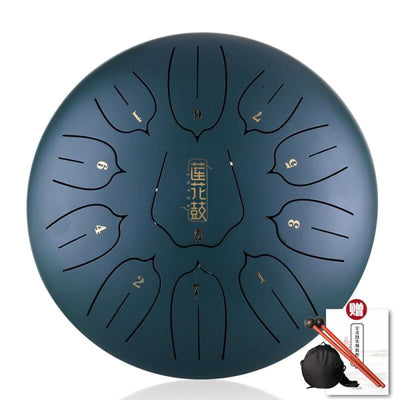
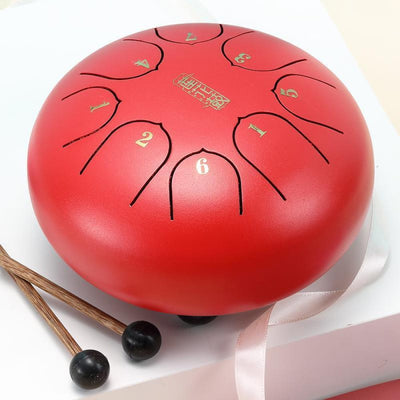
The 14 Inch Titanium Steel Tongue Drum, 15 Note for Yoga Meditation offers an exceptional balance of quality and value, with its titanium steel construction providing superior resonance and durability. For those seeking a slightly more compact option without sacrificing tonal richness, the 13 Inch Carbon Steel Tongue Drum, 15 Notes in C Key delivers remarkable sound quality in a travel-friendly size.
Top-Rated Tongue Drums for Beginners

Discover the soothing tones of our 14-inch Titanium Steel Tongue Drum with 15 notes, ideal for beginners seeking an affordable yet high-quality instrument for meditation and yoga sessions. Learn more ➔

Explore the melodic harmony of our 13-Inch Carbon Steel Tongue Drum with 15 notes in C Key, offering exceptional value with rich, resonant tones perfect for both relaxing sessions and musical creation. Learn more ➔
Final Thoughts on Your Sound Healing Journey
The decision between a handpan vs tongue drum ultimately comes down to your personal goals, budget, and commitment level. Both instruments offer profound benefits for mindfulness, creativity, and emotional well-being. The tongue drum provides an accessible, affordable gateway into the world of melodic percussion, while the handpan rewards dedicated players with unparalleled sonic depth and expressive range.
At Healing Sounds, we understand that choosing your first (or next) instrument is a significant decision. That's why we curate only the highest quality handpans and tongue drums, ensuring that every instrument we offer meets our standards for tuning accuracy, build quality, and tonal beauty. Whether you're drawn to the ethereal resonance of a handpan or the accessible charm of a tongue drum, we're here to support your journey into the transformative world of sound healing.
Remember, the best instrument is the one that inspires you to play. Start where you are, choose what resonates with your heart, and let the music guide your path to greater peace and mindfulness.
Frequently Asked Questions about Handpan vs Tongue Drum
The primary difference lies in construction and sound. A handpan features a convex, dome-shaped surface with tuned tone fields hammered into the steel, producing rich, complex overtones with long sustain. A tongue drum has a flat or slightly concave surface with cut-out tongues that create cleaner, more focused tones with shorter sustain. Handpans are typically more expensive ($1,500-$3,000+) and require finger technique, while tongue drums are more affordable ($200-$800) and can be played with mallets or fingers.
Tongue drums are generally easier for beginners to learn. They can be played immediately with included mallets, and many models have numbered or note-marked tongues that make following tutorials simple. The learning curve is gentle, and satisfying sounds can be produced from day one. Handpans require more technique development—players must learn proper hand positioning, finger control, and damping techniques to produce clean tones without unwanted resonance. While the handpan has a steeper learning curve, many players find the journey deeply rewarding as they develop expressive, intuitive playing styles.
Handpans command premium prices due to their labor-intensive, artisanal construction process. Each handpan is hand-hammered by skilled craftspeople who spend months shaping and tuning the steel to precise specifications. The process requires specialized knowledge, expensive materials (nitrided or stainless steel), and extensive quality control. Additionally, the handpan community is relatively small, with limited makers compared to demand, which keeps prices high. Tongue drums, by contrast, can be manufactured more efficiently using laser-cutting technology for the tongues and standardized tuning processes. This industrial efficiency, combined with a larger manufacturing base, makes tongue drums significantly more affordable while still delivering beautiful, therapeutic tones.
D Minor is widely considered the best scale for beginner handpan players. This scale offers a versatile emotional range—from melancholic and introspective to uplifting and hopeful—making it suitable for various playing contexts. The D Minor scale is also forgiving for beginners because it naturally sounds harmonious regardless of which notes are played together, reducing the fear of "wrong" notes. C Major is another excellent beginner option, particularly for those coming from Western musical backgrounds, as its bright, happy character is immediately familiar. Other beginner-friendly scales include G Minor and Akebono (a Japanese-inspired scale). When choosing your first handpan, prioritize scales with clear, balanced tonal relationships and avoid exotic or complex scales until you've developed solid technique and musical understanding.
Steel tongue drums are exceptional instruments for meditation and mindfulness practices. Their pure, bell-like tones have a naturally calming effect on the nervous system, helping to induce alpha and theta brainwave states associated with deep relaxation and meditation. The tongue drum's shorter sustain compared to handpans actually benefits meditation contexts, as the cleaner decay prevents sonic overlap that might distract from mindfulness practice. Many meditation practitioners appreciate that tongue drums can be played softly with fingers, creating gentle, intimate soundscapes perfect for personal practice or guiding group meditations. The portability of tongue drums also makes them ideal for outdoor meditation sessions, yoga retreats, or creating sacred space wherever you travel. Whether used as a focal point for meditation, background ambiance for yoga, or a tool for sound healing sessions, steel tongue drums offer an accessible and powerful pathway to deeper mindfulness and inner peace.