
Have you ever heard the hauntingly beautiful sound of a steel tongue drum echoing through a yoga studio or meditation space? Whether you're a curious music enthusiast or someone seeking a new dimension to your wellness practice, understanding what is a tongue drum unlocks doorways to both creative expression and profound relaxation. These mesmerizing instruments have surged in popularity over the past decade, captivating everyone from professional musicians to absolute beginners with their ethereal, bell-like tones.
In this comprehensive guide, we'll explore the fascinating origins of the tongue drum, delve into how these instruments produce their signature sounds, and examine the various types available today. You'll discover why this portable, easy-to-learn instrument has become a cornerstone of sound healing and meditation practices worldwide.
What Is a Tongue Drum? Understanding the Basics
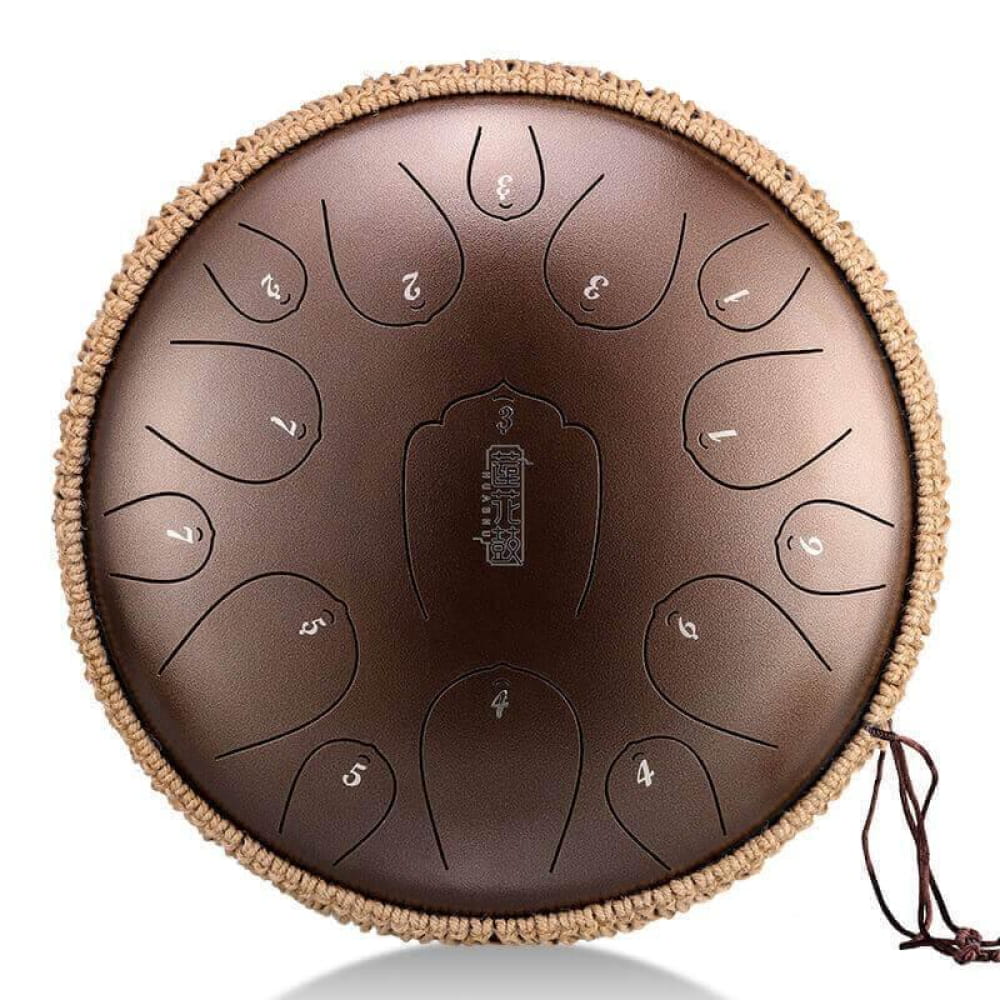
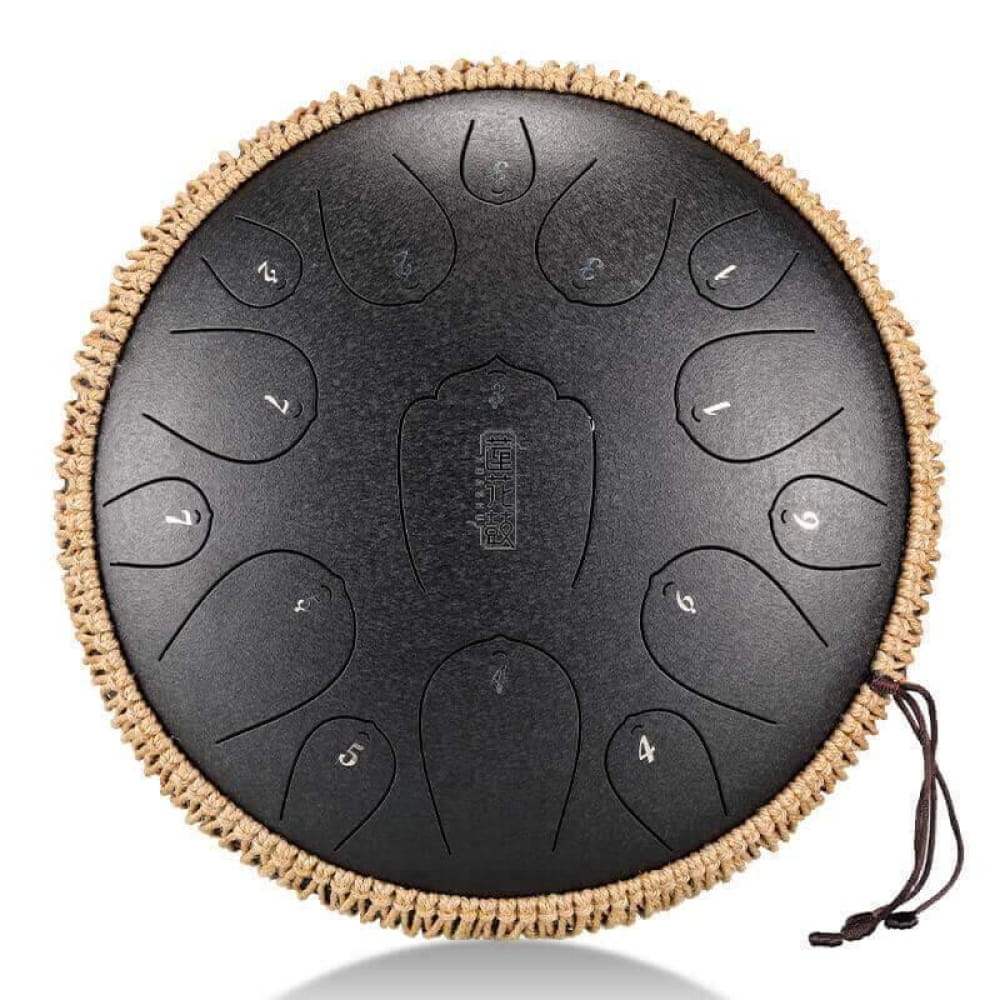
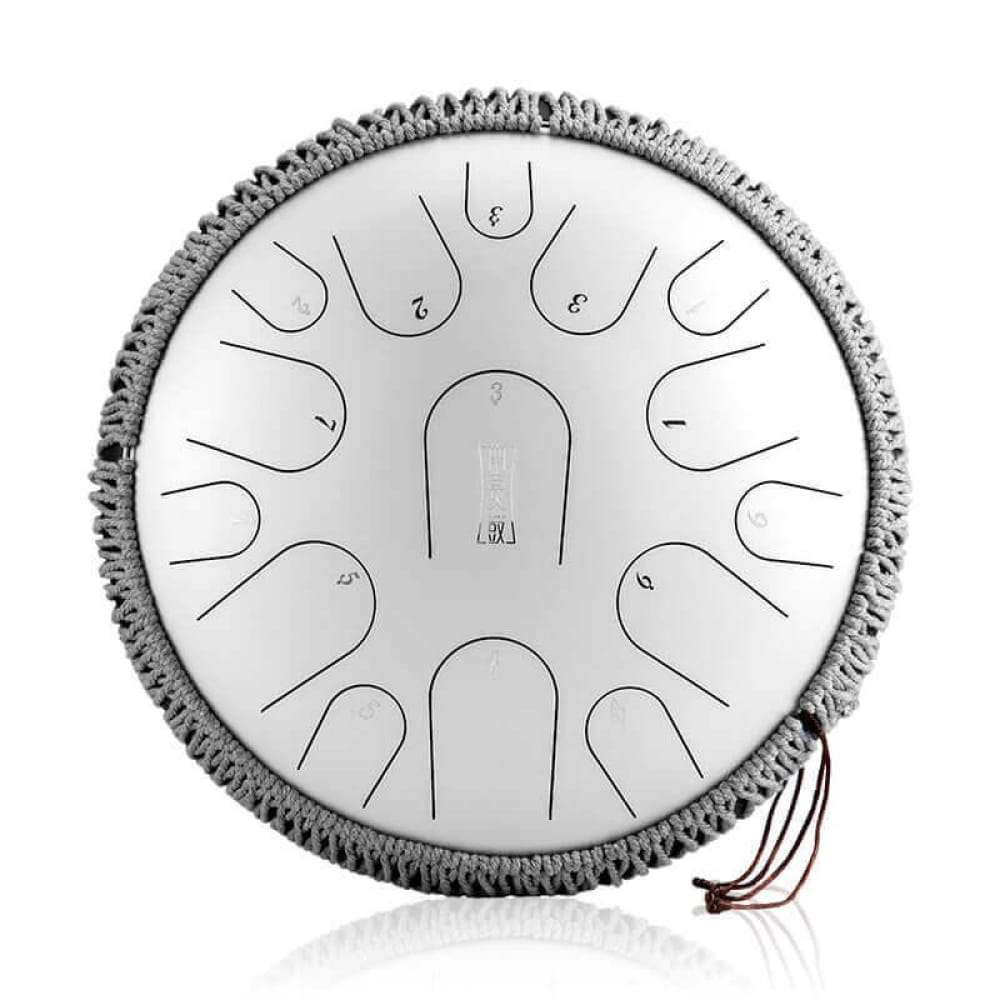
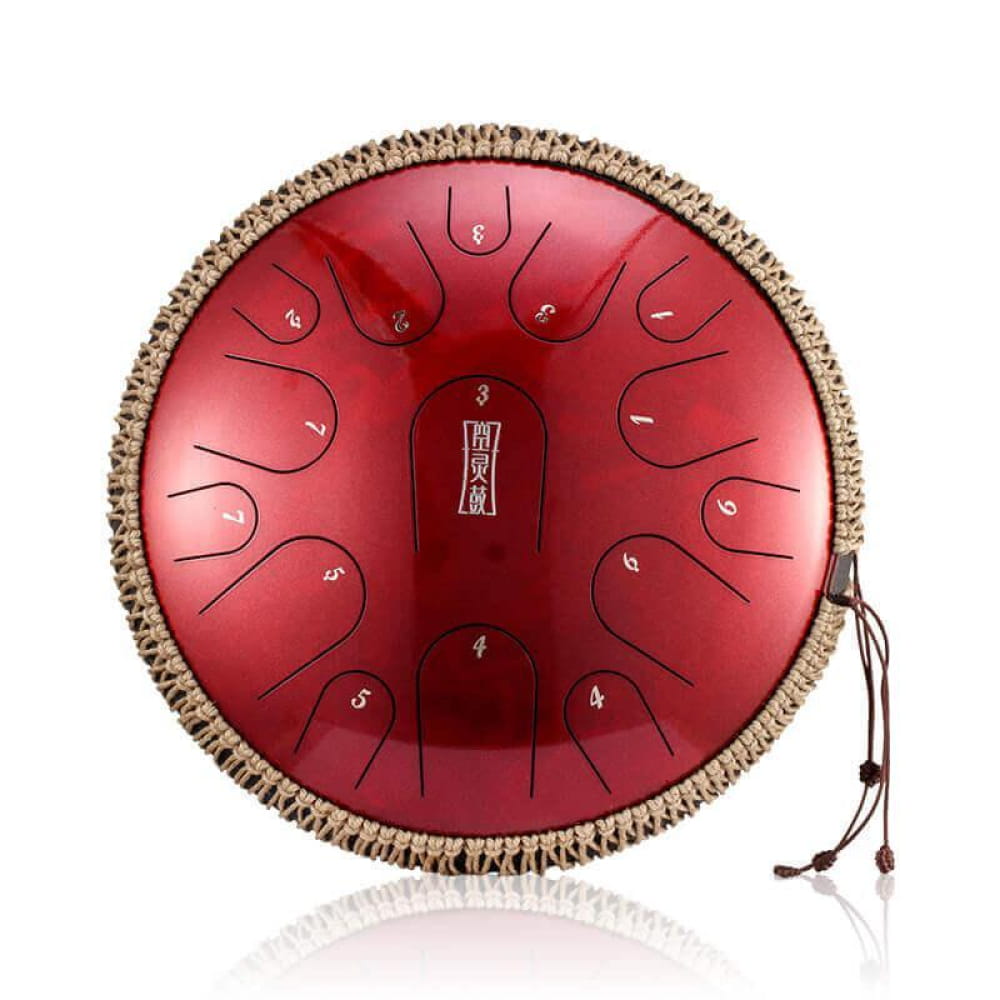
At its core, a tongue drum is a percussion instrument crafted from metal or sometimes wood, featuring multiple "tongues" or tone fields of varying lengths cut into its surface. When these tongues are struck with the fingers or mallets, each produces a distinct musical note, creating the instrument's characteristic melodic resonance.
The most common variety—the steel tongue drum—is typically constructed from carbon steel, stainless steel, or titanium steel. The instrument's body is hollow, and the cut tongues act as vibrating plates that produce sound when activated. Unlike drums that require extensive technique to produce musical tones, tongue drums are designed with specific scales and tunings, making it nearly impossible to hit a "wrong note."
This accessibility factor makes the tongue drum particularly appealing to wellness practitioners and meditation enthusiasts who want beautiful ambient sound without the steep learning curve of traditional instruments.

The History and Origin of the Tongue Drum
The tongue drum's story is a fascinating blend of ancient acoustic principles and modern innovation. While the instrument may seem contemporary, its conceptual roots trace back to much older percussion traditions.
From Steel Pans to Tongue Drums
The tongue drum origin is intimately connected to the steel pan traditions of Trinidad and Tobago. Steel pans, developed in the 1930s-1940s, demonstrated that carefully shaped metal could produce precise musical pitches. This revolutionary concept—that metal containers could become melodic instruments—influenced generations of instrument makers.
The modern tongue drum as we know it emerged much more recently. In the early 2000s, instrument makers began experimenting with propane tank drums (often called "tank drums" or "hank drums"), cutting tongues into empty propane tanks to create melodic percussion instruments. This DIY aesthetic laid the groundwork for today's sophisticated manufacturing.
The Evolution into Modern Instruments
By around 2007, dedicated instrument manufacturers began developing purpose-built tongue drums from high-quality steel alloys. Unlike the repurposed tanks of earlier experiments, these purpose-designed instruments featured calculated tongue dimensions, precisely engineered resonance chambers, and professional-grade tuning systems.
Today, the steel tongue drum represents a mature instrument category with established manufacturing standards, material innovations (including titanium and nitrided steel), and a growing community of players worldwide.
How Does a Tongue Drum Work? The Science Behind the Sound
Understanding what is a tongue drum and how does it work requires appreciating the physics of vibration and resonance. Each tongue on the drum acts as a cantilever beam—a beam anchored at one end and free to vibrate at the other.
When you strike a tongue with your finger or a mallet, you set it into vibration. The tongue's length, width, thickness, and material composition all determine its fundamental frequency (the note it produces). Longer, thinner tongues vibrate more slowly and produce lower notes, while shorter, wider tongues create higher pitches.
The hollow cavity beneath the tongues serves as a resonating chamber, amplifying and enriching the sound waves. This combination of vibrating tongue and resonating body creates the tongue drum's signature warm, sustained tones that can ring for several seconds after being struck.
Key Acoustic Properties: Tongue drums produce pentatonic or diatonic scales, meaning the notes are harmonically related. This design ensures that any combination of notes sounds consonant and pleasing, eliminating the possibility of discordant "wrong notes."

Types of Tongue Drums: Materials, Notes, and Tunings
The diversity within the tongue drum family allows players to find instruments perfectly suited to their needs. From material composition to scale selection, understanding the options helps you make an informed choice.
Material Types
Carbon Steel Tongue Drums: These are among the most common and affordable options. Carbon steel offers warm, rich tones and excellent durability. Many beginners start with carbon steel instruments before exploring other materials.
Titanium Steel Tongue Drums: Titanium steel represents a premium tier, offering enhanced sustain, brighter overtones, and superior corrosion resistance. These instruments often project more volume and complexity.
Stainless Steel and Nitrided Steel: These variations offer specific acoustic properties, with nitrided steel providing particularly long sustain and a distinctive crystalline quality to the tone.
Note Configurations and Sizes
Tongue drums typically range from 8 to 18 inches in diameter, with note counts varying from 8 to 17+. More notes provide greater melodic range, while fewer notes offer simplicity and focus.
Common configurations include:
- 8-9 note drums: Compact and portable, ideal for travel and simple meditative playing
- 11-13 note drums: Mid-range options balancing portability with musical range
- 15-17 note drums: Professional instruments offering extensive scales and complex compositions
Popular Tunings
Tongue drums come tuned to various scales, each evoking different emotional landscapes:
- C Major: Bright, uplifting, and accessible—perfect for beginners
- D Minor: Melancholic and contemplative, favored for meditation
- Akebono (Japanese scale): Mysterious and meditative, excellent for Eastern-influenced practices
- Pentatonic scales: Universally harmonious and easy to improvise with
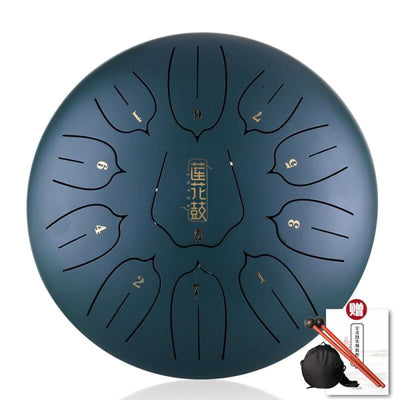
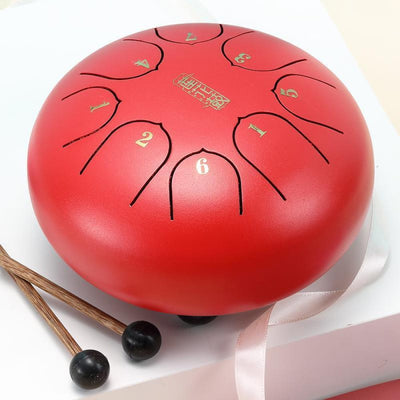
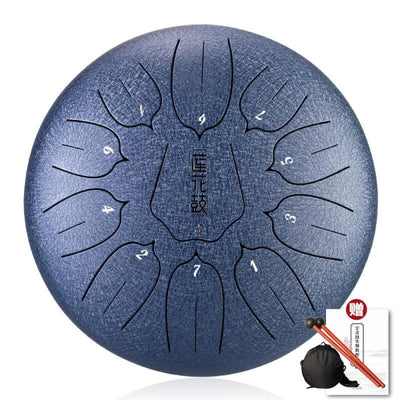
When exploring what is a steel tongue drum that best matches your intentions, consider starting with a versatile 15-note instrument in C Major. The 13 Inch Carbon Steel Tongue Drum, 15 Notes in C Key offers an ideal entry point—its carbon steel construction provides rich, resonant tones while the 15-note range allows for genuine musical exploration. This instrument perfectly exemplifies why tongue drums have become beloved by beginners exploring sound healing.

14 Zoll große Zungentrommel aus Karbonstahl, 15 Töne in der Tonart C
$289.99 $349.99
Experience rich, resonant tones with this 15-note carbon steel tongue drum. Perfect for beginners exploring what is a steel tongue drum and its meditative sound potential.
Explore ProductTongue Drum vs Handpan: Understanding the Differences
One of the most common questions among those discovering these instruments is hang drum vs tongue drum—what sets them apart? While both belong to the hand-played steel instrument family and produce similar ethereal tones, several key distinctions exist.
Physical Construction
Handpans (sometimes called hang drums, though Hang is a specific brand) feature dimpled notes on the exterior surface—concave depression areas that are played directly. Tongue drums, conversely, have raised tongues or tone fields that are struck. This structural difference affects both the playing technique and the visual aesthetic.
Sound Characteristics
Handpans typically offer more complex overtones and a more "voice-like" quality, while tongue drums tend toward cleaner, more bell-like sustain. Both are beautiful, but the tongue drum often provides more predictable, sustained notes ideal for meditation and sound healing.
Price and Accessibility
Perhaps the most significant difference for beginners is cost and availability. Quality handpans often range from $1,500-$3,000+ with months-long waiting lists from established makers. In contrast, excellent steel tongue drums are available from $100-$400, making them far more accessible for those curious about this instrument category.
This accessibility factor makes tongue drums the perfect gateway for discovering whether steel percussion resonates with your practice before potentially investing in a handpan.
Playing Experience
While handpans require specific hand placement and technique to activate their complex tones, tongue drums are immediately approachable. The clearly defined tongues make it obvious where to strike, and the instrument's design ensures harmonic results with minimal technique.
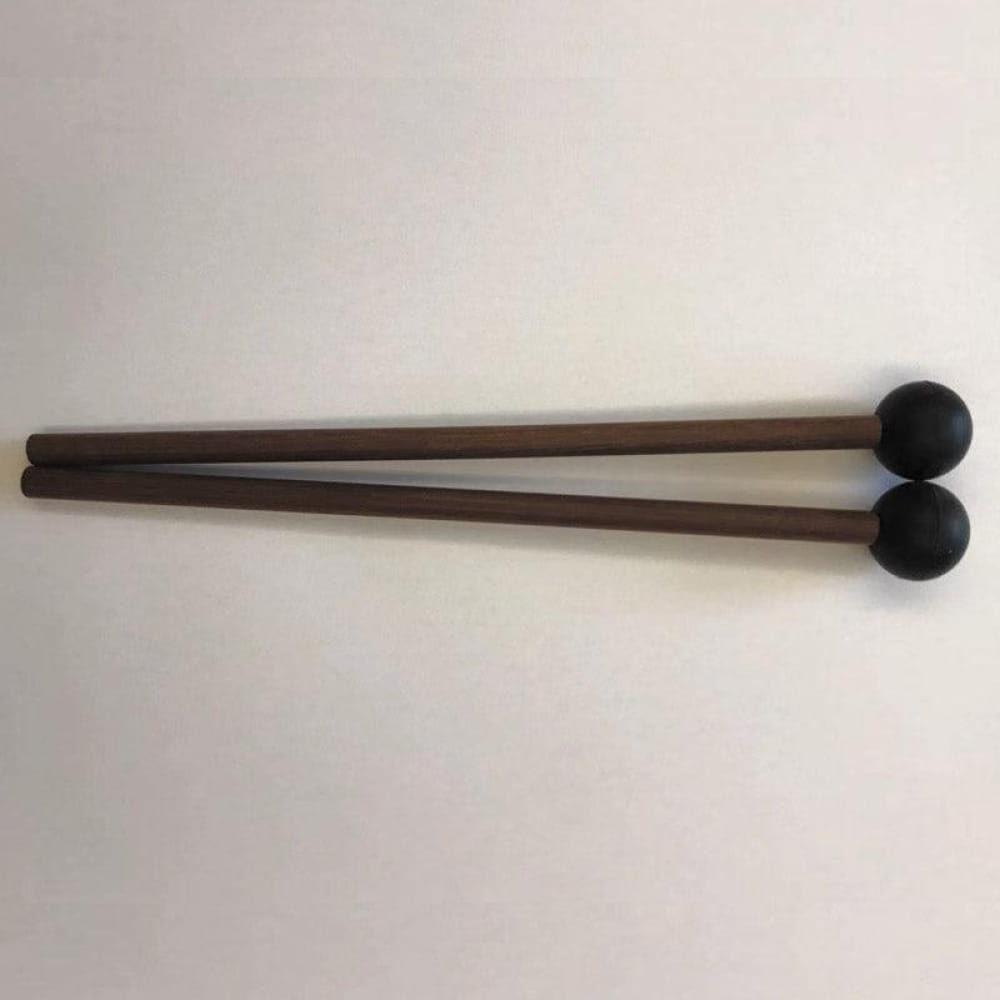
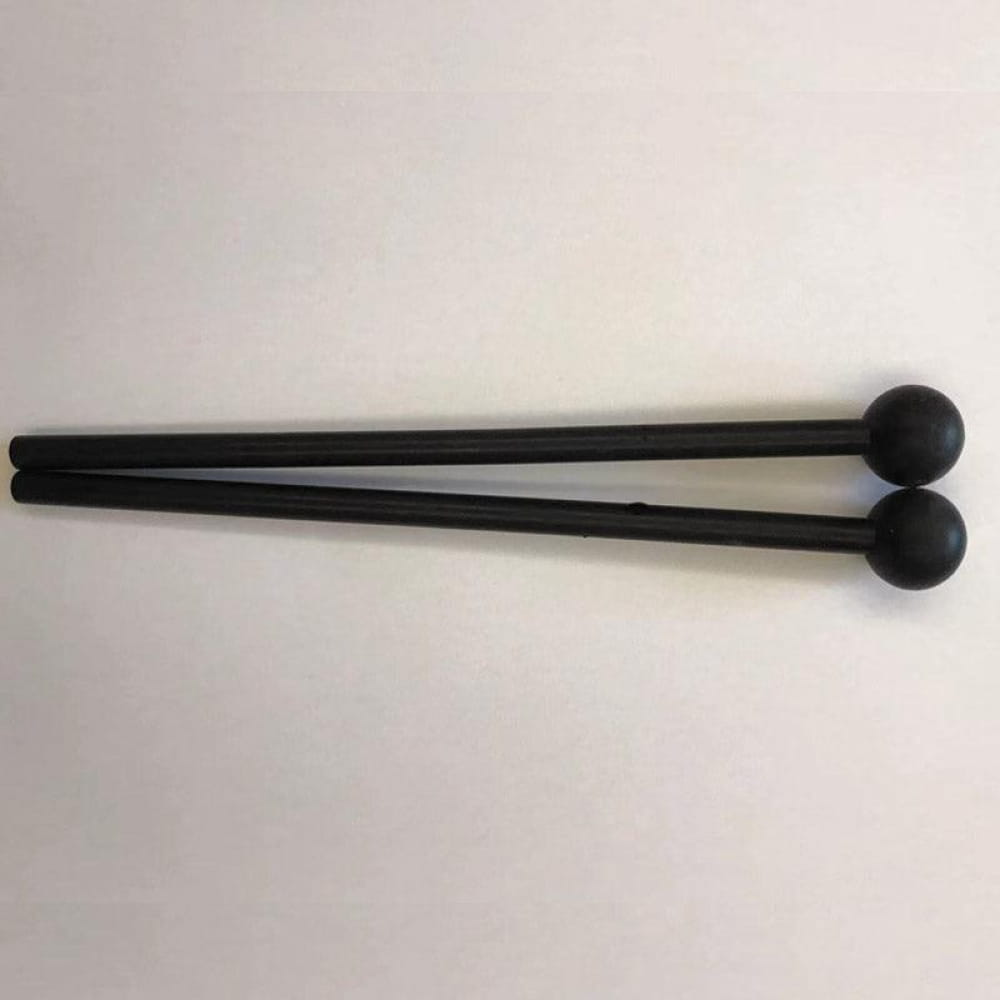
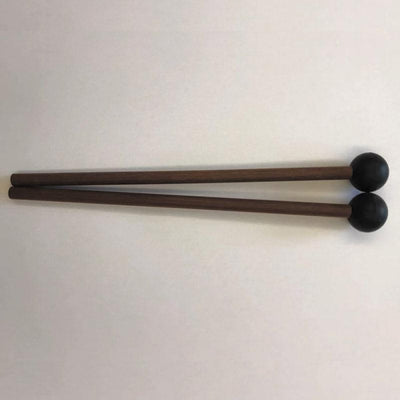
For practitioners seeking deep meditation support or accessible musical expression, the tongue drum often proves the more practical choice. The exceptional 14 Inch Titanium Steel Tongue Drum, 15 Note for Yoga Meditation exemplifies this accessibility—crafted from premium titanium steel to produce ethereal, sustained tones perfect for yoga studios and meditation spaces. Pair this instrument with quality Premium Wooden Drumsticks for Steel Tongue Drums to enhance your playing experience and bring out the full acoustic potential.
Premium Tongue Drum Options for Your Practice

Crafted from premium titanium steel, this 15-note drum produces ethereal sounds ideal for yoga and meditation. A perfect mid-range option for wellness practitioners. Learn more ➔

Enhance your tongue drum playing experience with these eco-friendly solid wood mallets. Designed to bring out the best acoustic properties of any steel tongue drum. Learn more ➔
How Do You Play a Steel Tongue Drum?
Learning how do you play a steel tongue drum reveals why these instruments have become so beloved by non-musicians. Unlike conventional instruments requiring years of training to produce pleasant sounds, tongue drums offer immediate musical gratification.
You can play a tongue drum using your fingers or soft-tipped mallets. Fingertip playing produces a softer, more intimate sound with immediate tactile connection, while mallets create clearer projection and sustain. Most players use a combination, selecting their approach based on the desired mood and playing context.

The basic technique involves gentle strikes to the center of each tongue. Because the instrument is pre-tuned to harmonious scales, any sequence of notes will sound musical. This encourages intuitive, improvisational playing where you can focus on the meditative experience rather than technical correctness.
Many practitioners incorporate tongue drums into yoga classes, meditation sessions, sound healing ceremonies, and personal wellness routines. The instrument's portability makes it ideal for outdoor settings—imagine playing beside a stream or during a sunset meditation.
Discover more detailed playing techniques in our comprehensive guide to music therapy benefits and learn why instruments like tongue drums are increasingly recommended by wellness professionals.
Getting Started Tip: Begin by simply exploring each note without trying to "play a song." Allow yourself to strike the tongues randomly and observe how the sounds interact. This playful exploration often leads to the most authentic and satisfying musical moments.
Who Benefits Most from Tongue Drum Practice?
The beauty of the tongue drum lies in its universal accessibility. Specific groups particularly resonate with this instrument:
- Meditation Practitioners: The sustained, harmonious tones serve as an auditory focal point for mindfulness and breathwork
- Yoga Instructors: Live tongue drum music during classes creates a unique, immersive experience that recordings cannot replicate
- Stress Management Seekers: The meditative process of playing offers a calming alternative to screen-based relaxation
- Music Therapy Contexts: Music therapists utilize tongue drums for their accessibility and immediate positive feedback
- Kitchen Table Musicians: Those who always wanted to play music but felt intimidated by traditional instruments find their entry point here
Conclusion: The Transformative Power of Tongue Drums
Understanding what is a tongue drum opens pathways to a remarkably accessible form of musical expression and therapeutic sound. From its origins in steel percussion traditions to today's sophisticated manufacturing, the tongue drum has evolved into an instrument that serves both artistic and wellness purposes.
The tongue drum's defining characteristics—ease of play, beautiful pre-harmonized scales, portability, and relatively affordable price points—position it uniquely in the world of musical instruments. Whether you're drawn to meditation support, musical exploration, or therapeutic sound creation, these instruments offer immediate gratification without demanding years of practice.
At Healing Sounds, we're passionate about connecting practitioners with instruments that elevate their wellness journeys. Our curated collection of carbon steel, titanium steel, and specialty tongue drums represents the finest options for beginners and experienced players alike. If you've been curious about incorporating sound healing into your practice—or simply want to discover the joy of playing a musical instrument—the tongue drum awaits.
Frequently Asked Questions About Tongue Drums
A tongue drum is a melodic percussion instrument made from metal or wood featuring multiple "tongues" cut into the surface that produce distinct musical notes when struck. Each tongue acts as a vibrating plate—when struck with fingers or mallets, the tongue vibrates at a specific frequency determined by its length, width, and material. A hollow resonance chamber beneath the tongues amplifies these vibrations, creating the instrument's characteristic warm, sustained tones that ring for several seconds.
The tongue drum has its roots in the steel pan traditions of Trinidad and Tobago, which demonstrated that shaped metal could produce melodic tones. The modern tongue drum emerged in the early 2000s when instrument makers began cutting tongues into empty propane tanks to create melodic percussion instruments. By approximately 2007, dedicated manufacturers began producing purpose-built tongue drums from high-quality steel alloys, evolving the instrument from DIY experiments into the sophisticated category we know today.
While both are hand-played steel instruments with ethereal tones, key differences exist. Handpans feature concave dimpled notes played on the exterior surface, while tongue drums have raised tongues that are struck. Handpans typically offer more complex overtones and a "voice-like" quality, whereas tongue drums provide cleaner, more bell-like sustain. Most significantly, handpans often cost $1,500-$3,000+ with long waiting lists, while quality tongue drums range from $100-$400, making them far more accessible for beginners.
You play a steel tongue drum by gently striking the tongues with your fingertips or soft-tipped mallets. Fingertip playing creates a softer, more intimate sound, while mallets produce clearer projection and sustain. Basic technique involves striking the center of each tongue—because tongue drums are pre-tuned to harmonious scales, any sequence of notes sounds musical. This allows for immediate intuitive playing without formal musical training, making the instrument perfect for meditation and relaxation.
Tongue drums vary by material, size, and note configuration. Material types include carbon steel (warm, rich tones, affordable), titanium steel (premium brightness, enhanced sustain), and nitrided steel (long sustain, crystalline quality). Sizes range from compact 8-inch drums with 8-9 notes to professional 15-17 note instruments up to 18 inches. Tunings include C Major (bright, accessible), D Minor (melancholic, meditative), Akebono (mysterious, Eastern-influenced), and various pentatonic scales. Options accommodate beginners seeking simplicity to professionals demanding extensive musical range.