
When searching for a tongue drum, one of the most important decisions you'll face is choosing between materials. Should you invest in a wooden tongue drum with its organic warmth, or opt for the crystalline resonance of steel? Both materials offer unique sonic characteristics, but they differ significantly in sound quality, durability, and playability. Understanding these differences helps you select an instrument that aligns with your musical goals and playing style.
This guide explores the wooden tongue drum versus steel debate, examining how construction materials affect resonance, sustain, and overall musical experience. Whether you're a beginner seeking your first instrument or a sound healer expanding your collection, you'll discover which option delivers the superior value for your specific needs.
Understanding Tongue Drum Materials: The Foundation of Sound
Tongue drums create music through precisely cut tongues or slits that vibrate when struck. While the basic playing mechanism remains similar across materials, the substance from which the instrument is crafted dramatically influences its voice.
Steel tongue drums typically use alloy materials including carbon steel, stainless steel, or titanium steel. These metals offer exceptional elasticity and resonance, producing bright, sustained tones that project clearly in any environment. The manufacturing process involves precise tuning to achieve specific frequencies that create harmonious scales.
Wooden tongue drums, conversely, utilize various hardwoods such as mahogany, maple, or bamboo. The natural density and grain of wood absorb frequencies differently than metal, resulting in warmer, more muted tones that many describe as earthy or organic. Wood instruments often feature thicker construction to achieve adequate resonance, adding to their unique acoustic signature.

Sound Quality Comparison: Which Material Sings True?
The tongue drum sound quality debate centers on tonal characteristics and sustain. Steel instruments deliver remarkable resonance with long sustain periods—sometimes lasting 10-15 seconds per note. This prolonged resonance creates ethereal soundscapes ideal for meditation and sound therapy, where lingering overtones facilitate deep relaxation.
Wooden tongue drums exhibit shorter sustain and softer attack. The sound arrives more gradually and decays faster, creating intimate, percussive qualities suitable for acoustic sessions or settings where projection isn't paramount. However, wooden construction often struggles to achieve the same harmonic richness and volume levels as metal alternatives.
When comparing wood tongue drum vs steel for tonal clarity, steel generally provides more precise note definition. Each tongue produces distinct, bell-like tones with clear separation, while wood may offer slightly blurred pitch boundaries. For sound healers requiring specific vibrational frequencies, steel's consistency proves advantageous.
Durability and Longevity: Investing for the Future
Material selection significantly impacts how long your instrument remains playable. Steel tongue drums resist environmental factors remarkably well. Quality steel construction withstands temperature fluctuations, humidity changes, and occasional impacts without losing tuning. Titanium steel options offer exceptional corrosion resistance, making them suitable for outdoor use or varying climate conditions.
Wooden tongue drums demand careful maintenance. Wood expands and contracts with humidity, potentially affecting intonation over time. Exterior finishes require periodic reconditioning to prevent cracking or warping. While proper care extends wooden instruments' lives, they remain more susceptible to environmental damage than metal counterparts.
Weight and Portability Considerations
Transportation matters for musicians who travel to classes, festivals, or client sessions. Steel tongue drums, particularly those crafted from thinner titanium alloys, balance durability with manageable weight. A standard 14-inch steel drum typically weighs between 5-9 pounds—substantial enough for stability during play, yet portable for most adults.
Wooden tongue drums often weigh less due to material density differences, though construction thickness varies. However, the fragility factor means owners typically require protective cases or careful handling, potentially offsetting the weight advantage. For practitioners carrying instruments to sound therapy sessions, the robustness of steel often outweighs nominal weight savings.
Playability for Different Skill Levels
Are wooden tongue drums suitable for beginners? The answer depends on your definition of "suitable." Wooden instruments offer gentle, forgiving response that some beginners appreciate. The softer attack makes accidental wrong notes less jarring, creating a comfortable learning environment.
However, steel tongue drums generally provide superior playability through responsive action and consistent tone production. The 14" Titanium Steel Tongue Drum, 15 Notes in D & C Major exemplifies beginner-friendly design with its intuitive note layout and harmonic tuning options. The responsive metal surface reacts to finger or mallet strikes with immediate, satisfying feedback that encourages continued practice.
Professional players often prefer steel for its dynamic range. From whisper-quiet meditation tones to room-filling projection, steel instruments adapt to various playing contexts. The versatility supports learning progression from basic rhythmic patterns to complex melodic phrases.

Price and Value Analysis
Wooden tongue drums sometimes carry premium pricing due to artisanal craftsmanship requirements. Handmade wooden instruments receive individual attention during carving and tuning processes, contributing to higher costs. Mass-produced wooden options exist but often sacrifice sound quality for affordability.
Steel tongue drums benefit from manufacturing efficiencies that deliver professional-grade instruments at accessible price points. The tongue drum material choice affects not only initial investment but long-term value. Steel's durability means consistent performance for years without additional maintenance costs associated with wood conditioning products or repairs.


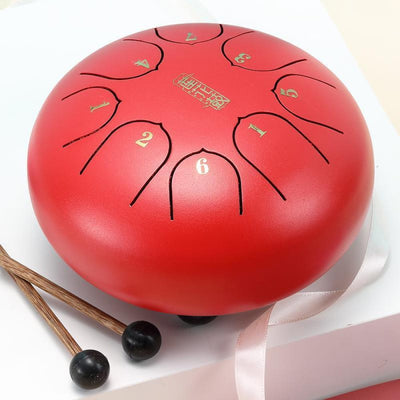

14" Zungentrommel aus Titanstahl, 15 Töne in D- und C-Dur
$189.00 $260.00
Experience exceptional sound with this 15-note titanium steel tongue drum, tuned in both D and C Major. Perfect for beginners and professionals seeking rich, resonant tones.
Explore ProductThe Science Behind Tongue Drum Resonance
Understanding resonance physics clarifies why materials produce different results. Steel's molecular structure allows elastic deformation—when struck, the metal flexes and returns to shape, converting impact energy into sustained vibration. This elasticity creates the characteristic singing quality associated with handpan vs tongue drum comparisons.
Wood exhibits fibrous cell structures that absorb vibrational energy through internal friction. While this creates the desired warmth, it limits sustain and projection. Advanced wooden tongue drums employ hollow chambers and specific wood selections to maximize resonance, yet physics favors metal for pure acoustic projection.
Temperature Stability and Tuning Retention
Steel maintains consistent tuning across temperature ranges encountered in normal use. While extreme heat or cold affect pitch slightly, room temperature variations rarely create noticeable issues. Wooden instruments shift tuning as wood breathes with humidity, potentially requiring more frequent retuning or accepting pitch drift during seasonal changes.

Accessories and Enhancement Options
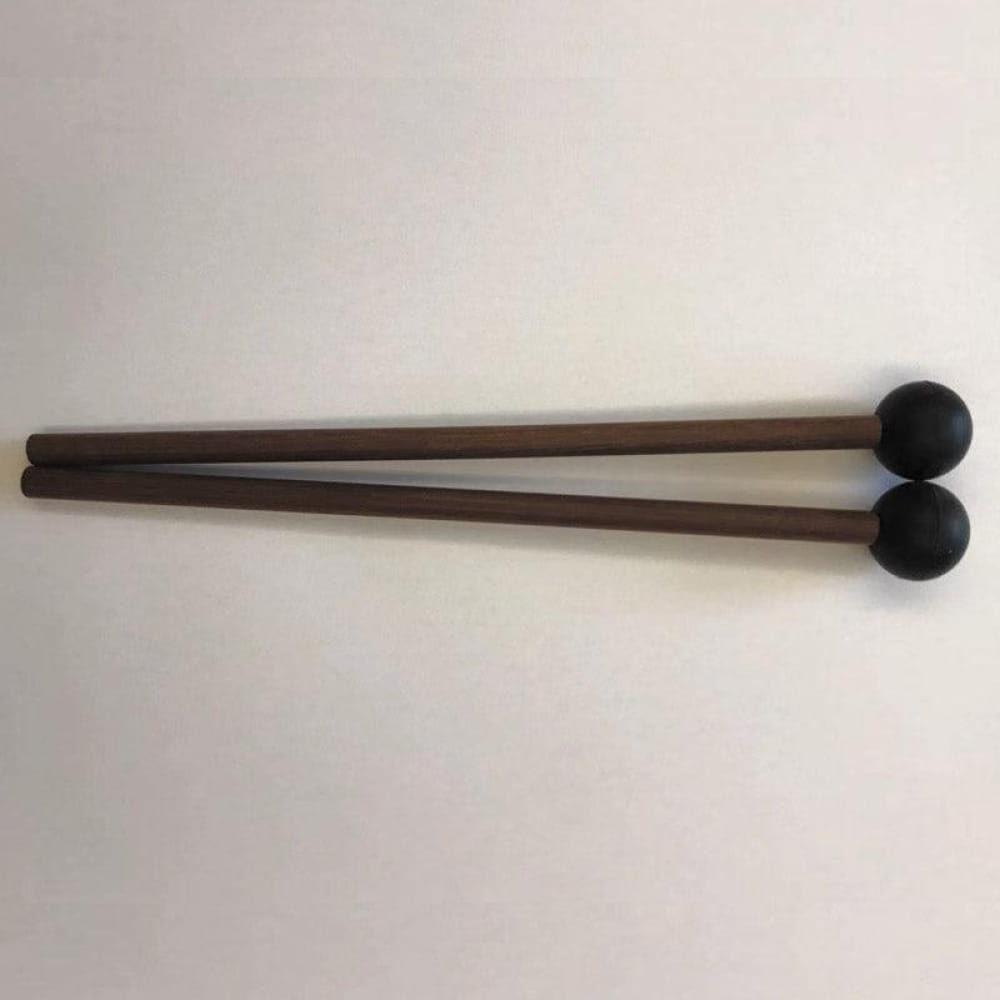
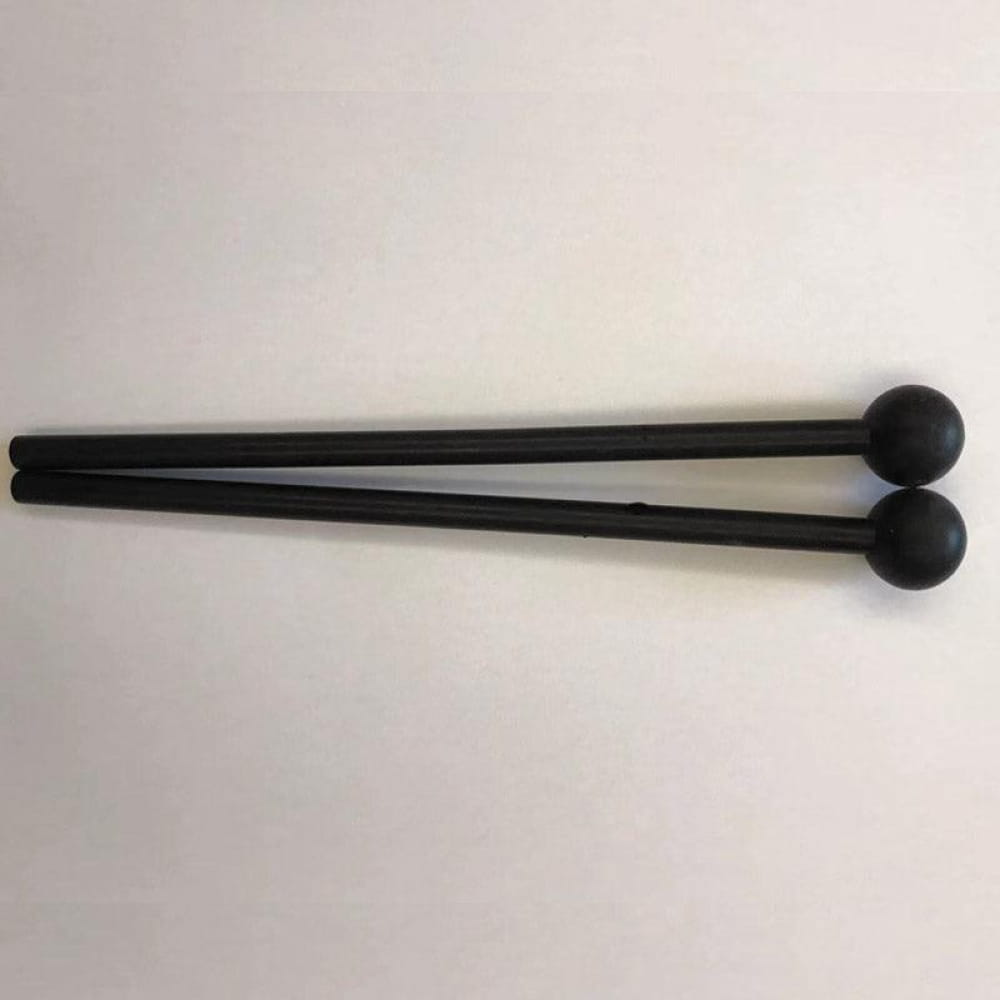
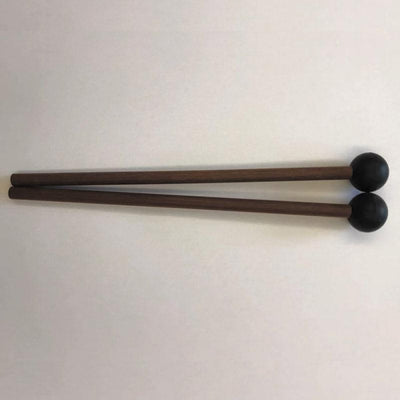
Steel tongue drums support extensive accessory ecosystems. High-quality Premium Wooden Drumsticks for Steel Tongue Drums enhance playing technique with sustainably sourced mahogany and ebony construction. These mallets optimize sound projection and offer tactile precision that complements the steel surface.
Protective bags, note indicators, and rubber dampening accessories extend steel tongue drum functionality. Wooden instruments accept similar accessories though with material-specific limitations—the same mallets designed for steel produce different responses on wood, potentially requiring specialized equipment.
Essential Accessories for Your Tongue Drum

Enhance your playing technique with these premium wooden mallets, crafted from sustainably sourced mahogany and ebony wood for optimal sound projection. Learn more ➔

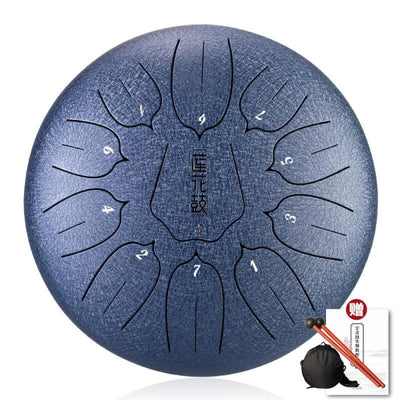
Discover the harmonious blend of durability and beautiful sound with this versatile 15-note steel tongue drum featuring both C and D Major tunings. Learn more ➔
Environmental and Aesthetic Considerations
Wooden tongue drums offer natural beauty with unique grain patterns and warm visual appeal. Each wooden instrument carries individual characteristics from its source tree, creating one-of-a-kind pieces that double as decorative objects.
Modern steel tongue drums feature sophisticated finishes including powder coating, vibrant colors, and artistic engravings that rival wood's aesthetic appeal. The sleek, contemporary appearance suits studio environments and professional settings while offering greater durability than natural wood finishes.
For sound healers focused on vibrational medicine, steel provides consistent frequencies that align with specific therapeutic protocols. The tongue drum tone wood vs metal distinction matters when selecting instruments for specific healing intentions, as metal frequencies penetrate more effectively during body work or group meditation.
Final Verdict: Making Your Selection
Choosing between wooden and steel tongue drums depends on your priorities. Wooden instruments suit collectors seeking unique aesthetics and intimate playing experiences in controlled environments. The organic warmth appeals to those prioritizing visual and tactile natural elements.
Steel tongue drums dominate for versatility, durability, and sound quality. The superior tongue drum resonance comparison favors metal for projection, sustain, and harmonic complexity. For beginners, professionals, sound therapists, and traveling musicians, steel provides reliable performance across diverse applications.
If your primary goal involves meditation, sound healing, or musical expression requiring projection and resonance, steel represents the logical choice. The investment delivers consistent returns through years of reliable service without the maintenance demands of wooden alternatives.
Explore our titanium steel collection today to discover instruments engineered for optimal sound quality and lasting durability. Your perfect tongue drum awaits.
Frequently Asked Questions about Wooden Tongue Drums
The primary differences lie in material properties and acoustic behavior. Steel tongue drums offer longer sustain, brighter tone, and greater durability. Wooden tongue drums provide warmer, more muted sounds with shorter resonance periods. Steel resists environmental factors better and maintains tuning stability, while wood requires careful humidity management. Construction differences also affect weight, with steel being denser but more robust for transportation.
"Better" depends on your preferences and use case. Steel tongue drums generally provide superior sound quality regarding projection, sustain, and harmonic richness. They produce clear, bell-like tones that project well for performances and sound healing. Wooden tongue drums offer intimate, earthy qualities suited for quiet meditation or acoustic settings. For most professional applications and beginners seeking immediate satisfaction, steel typically delivers more impressive and versatile sound.
Wooden tongue drums can work for beginners in controlled environments due to their gentle response and quieter volume. However, steel tongue drums generally offer better beginner experiences through consistent note production, clearer pitch definition, and forgiving response. The 15-note titanium steel options provide intuitive layouts and durable construction that supports learning progression. Additionally, steel instruments typically offer better value and require less maintenance, removing potential barriers for new players.
Wood affects sound through natural damping characteristics. The fibrous cellular structure absorbs vibrational energy, reducing sustain and projection compared to metal. Different wood species create subtle tonal variations—denser woods like maple provide brighter tones than softer varieties like cedar. Wood construction typically requires thicker material to achieve resonance, limiting design flexibility compared to steel. Temperature and humidity changes also affect wood's vibrational properties, causing subtle pitch variations across seasons.
Steel, particularly titanium steel alloys, represents the best tongue drum material for most applications. Steel provides optimal resonance, sustain, durability, and tuning stability while maintaining reasonable weight. Titanium steel offers additional corrosion resistance and enhanced projection. While wood suits specific aesthetic preferences or intimate playing environments, steel dominates in versatility, reliability, and value. For sound healing, meditation, or musical performance, steel delivers superior acoustic performance and longevity.