The allure of ametrine lies in its extraordinary dual nature—a seamless fusion of amethyst and citrine within a single crystal. For gem enthusiasts and spiritual seekers alike, understanding the ametrine price is the first step to acquiring a genuine piece of this Bolivian treasure. Unlike other gemstones that rely solely on carat weight, the value of ametrine is heavily influenced by the distinctiveness of its color zoning and the intensity of its violet and golden hues.
Whether you are a collector looking for a high-grade investment stone or a jewelry lover seeking a unique pendant, navigating the market can be tricky. This buying guide explores the factors that drive ametrine cost, from the legendary Anahi mine origins to the subtle differences between natural ametrine and synthetic imitations. By the end of this article, you will have the knowledge to assess quality and make a confident purchase decision.
What Determines Ametrine Value?
When assessing the worth of this gemstone, several key factors come into play. While standard criteria like cut and clarity matter, the unique selling point of ametrine is its bicolor effect. The most valuable stones exhibit a vibrant, 50/50 split between purple and yellow, often achieved through expert cutting.
Clarity and Cut: Natural ametrine is typically "eye-clean," meaning it lacks visible inclusions. If a stone has visible flaws, its price per carat drops significantly. Keep in mind that cutters often opt for rectangular or emerald cuts to maximize the bicolor display, which can also influence the final Ametrine value.
Color Intensity: The saturation of the colors is paramount. A pale stone with a weak transition will command a lower price than one with deep, royal purple and rich, honey-gold sections. The sharp contrast between the two colors is a hallmark of high-quality gems.

The Origins: Why Bolivian Ametrine Matters
Almost all commercial-quality ametrine in the world comes from a single source: the Anahi Mine in Bolivia. This geological scarcity plays a massive role in the ametrine price. Unlike amethyst or citrine, which are found globally, the specific conditions required to create natural ametrine—where iron exists in different oxidation states within the same crystal—are incredibly rare.
Because the supply is geographically limited, geopolitical factors or mining restrictions in Bolivia can cause fluctuations in ametrine buying guide prices. Authentic stones from the Anahi mine are prized not just for their beauty but for their pedigree.
Ametrine Price Guide: Costs per Carat
Understanding the financial aspect is crucial for any buyer. Generally, ametrine is considered an affordable gemstone compared to precious stones like rubies or sapphires, but high-quality specimens still hold significant value.
Commercial Grade: For lighter colored stones or those with less distinct zoning, you might find prices ranging from $5 to $15 per carat. These are often used in standard Ametrine jewelry.
Fine Quality: For stones with intense saturation and a perfect 50/50 color split, the Ametrine price per carat can range from $20 to $50 or more. Large specimens (over 10 carats) with exceptional color can command even higher premiums because maintaining clarity and color consistency in large crystals is difficult.
For those interested in rough material, the Ametrine price per gram or per kilogram is generally lower, but evaluating the potential yield requires a trained eye. Always compare the Ametrine price across reputable dealers before committing.

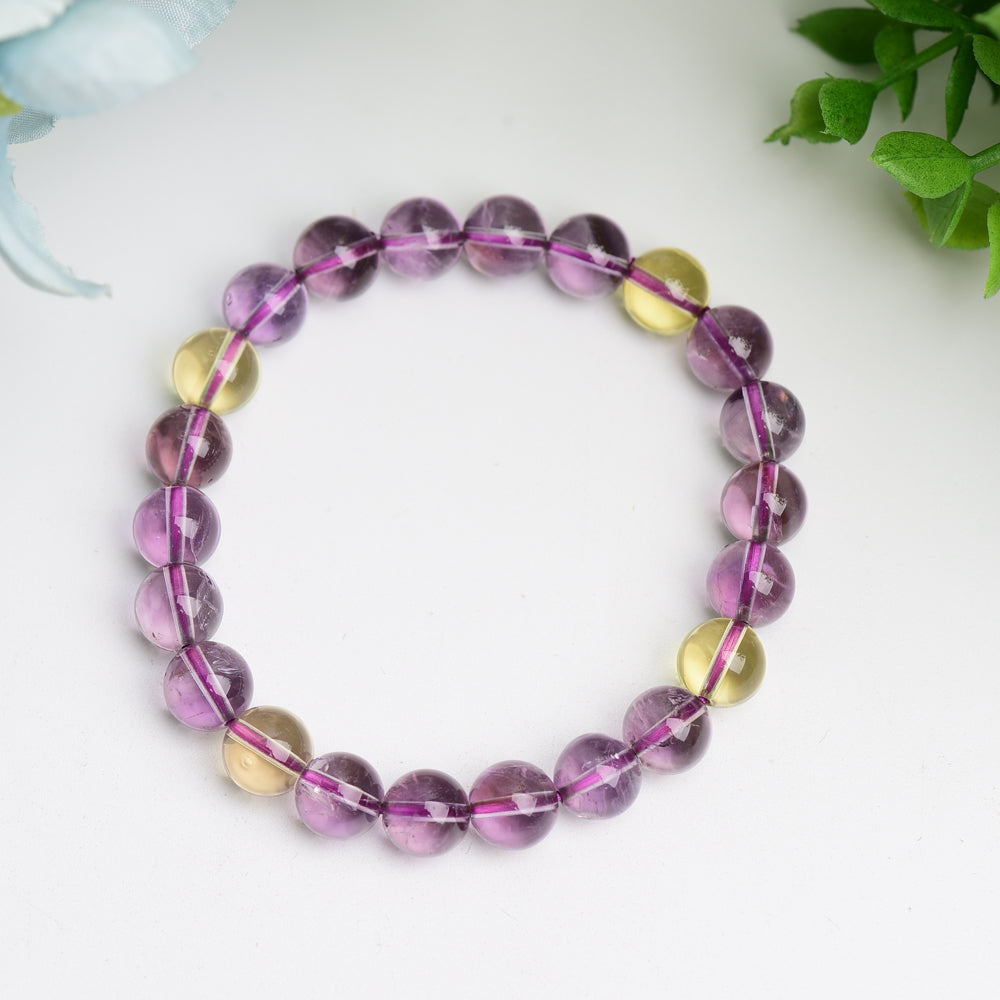
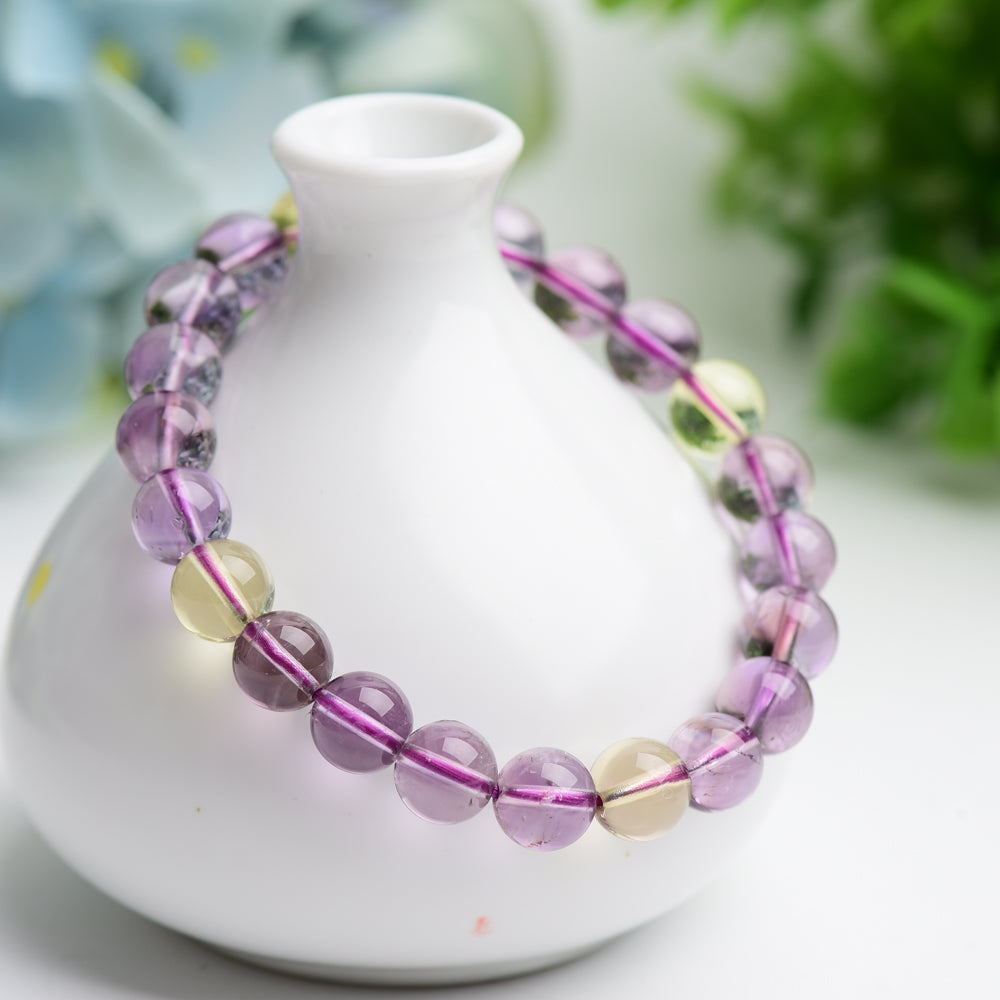
8,5 mm Ametrin-Heilarmband für spirituellen Schutz
$69.90 $99.90
Experience natural ametrine's beautiful two-tone energy with this bracelet—an ideal piece for those exploring genuine ametrine price and value.
Explore ProductReal vs Fake Ametrine: How to Spot the Difference
As with any popular gemstone, the market has seen an influx of synthetic or treated stones. Understanding how to identify real ametrine is essential to ensure you are paying a fair price for a natural product. Synthetic ametrine is often created in labs (hydrothermal quartz) or by irradiating amethyst.
One of the easiest ways to spot a fake is by examining the price. If a vendor offers a large, deeply colored, flawless stone for an incredibly low ametrine cost, proceed with caution. Furthermore, laboratory-grown stones often have colors that look "too perfect" or neon-like, lacking the subtle, earthy undertones of natural Bolivian quartz.
For a deeper dive into authentication, you can check resources from authorities like the Gemological Institute of America (GIA), which provide technical details on quartz formation.

Video Guide: Identifying Genuine Ametrine
Visual cues are often the best way to learn. Watch this guide to see the differences between natural Anahi ametrine and synthetic alternatives.
Buying Jewelry and Raw Stones
When shopping for Ametrine jewelry, the setting is just as important as the stone. Protective settings like bezels can help safeguard the stone's corners, especially for rectangular cuts. If you are buying for metaphysical purposes, you might prefer raw crystals or open-back settings that allow the stone to touch the skin.
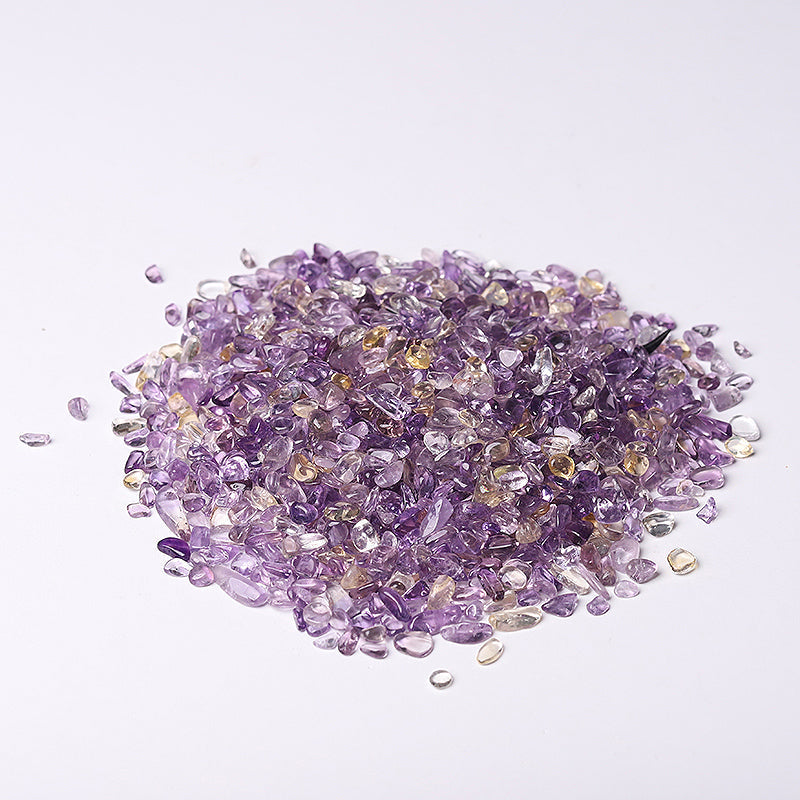
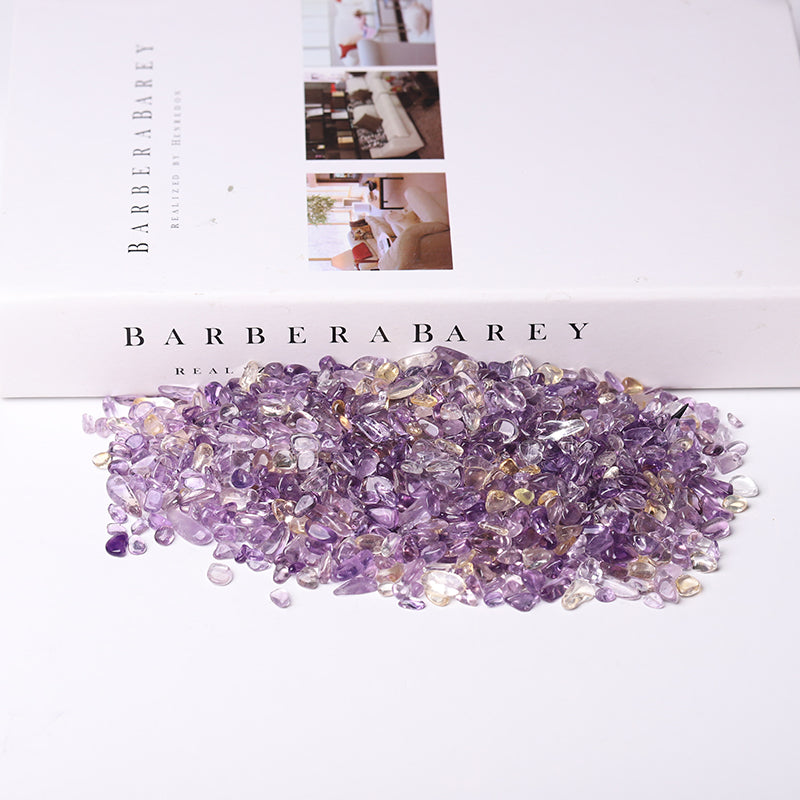
Raw chips and unpolished specimens offer a more affordable entry point into the market. While the Ametrine price per kg for rough material might seem attractive, remember that cutting and polishing require skill and equipment. For most collectors, finished jewelry or polished points represent the best balance of value and utility.

Discover Authentic Ametrine Treasures

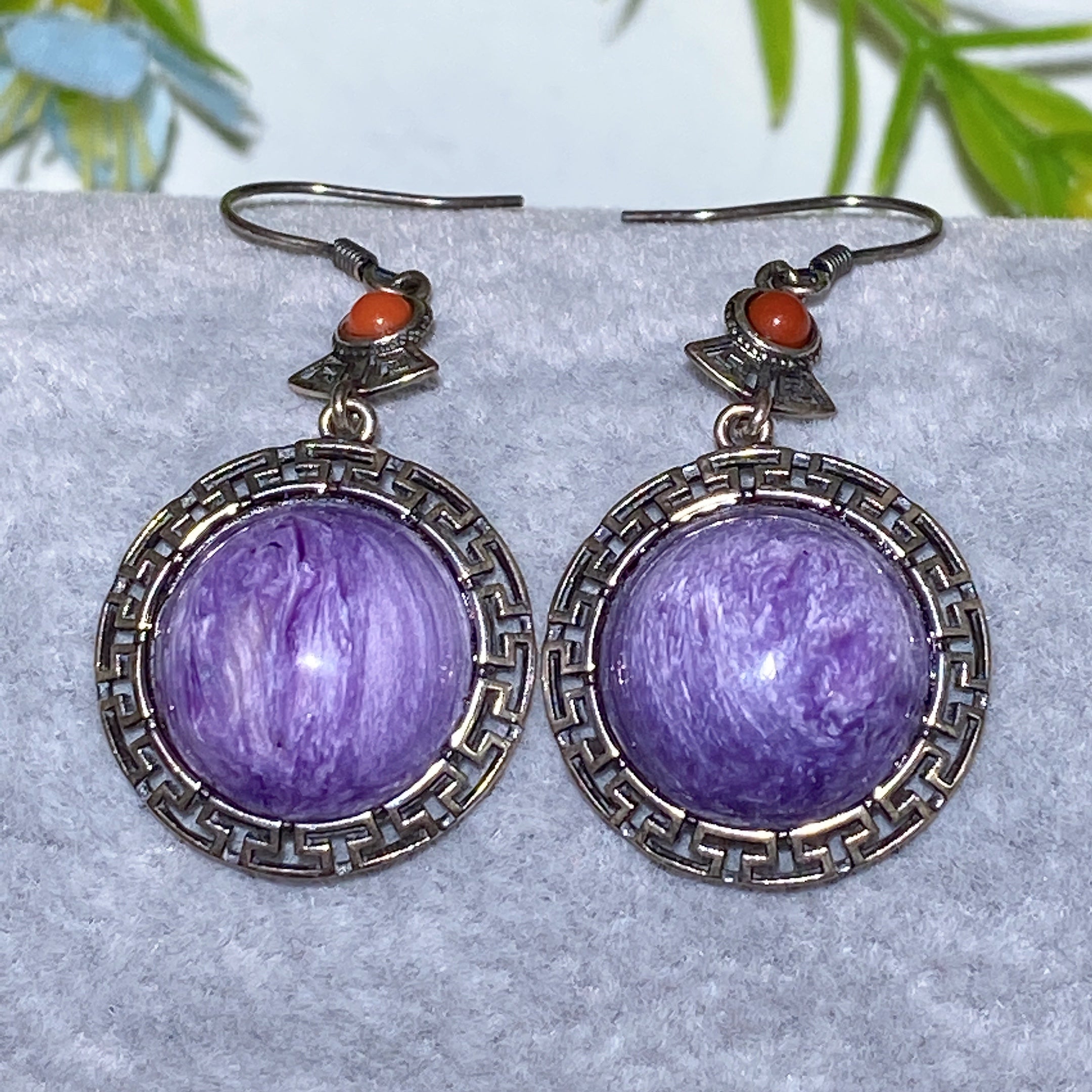
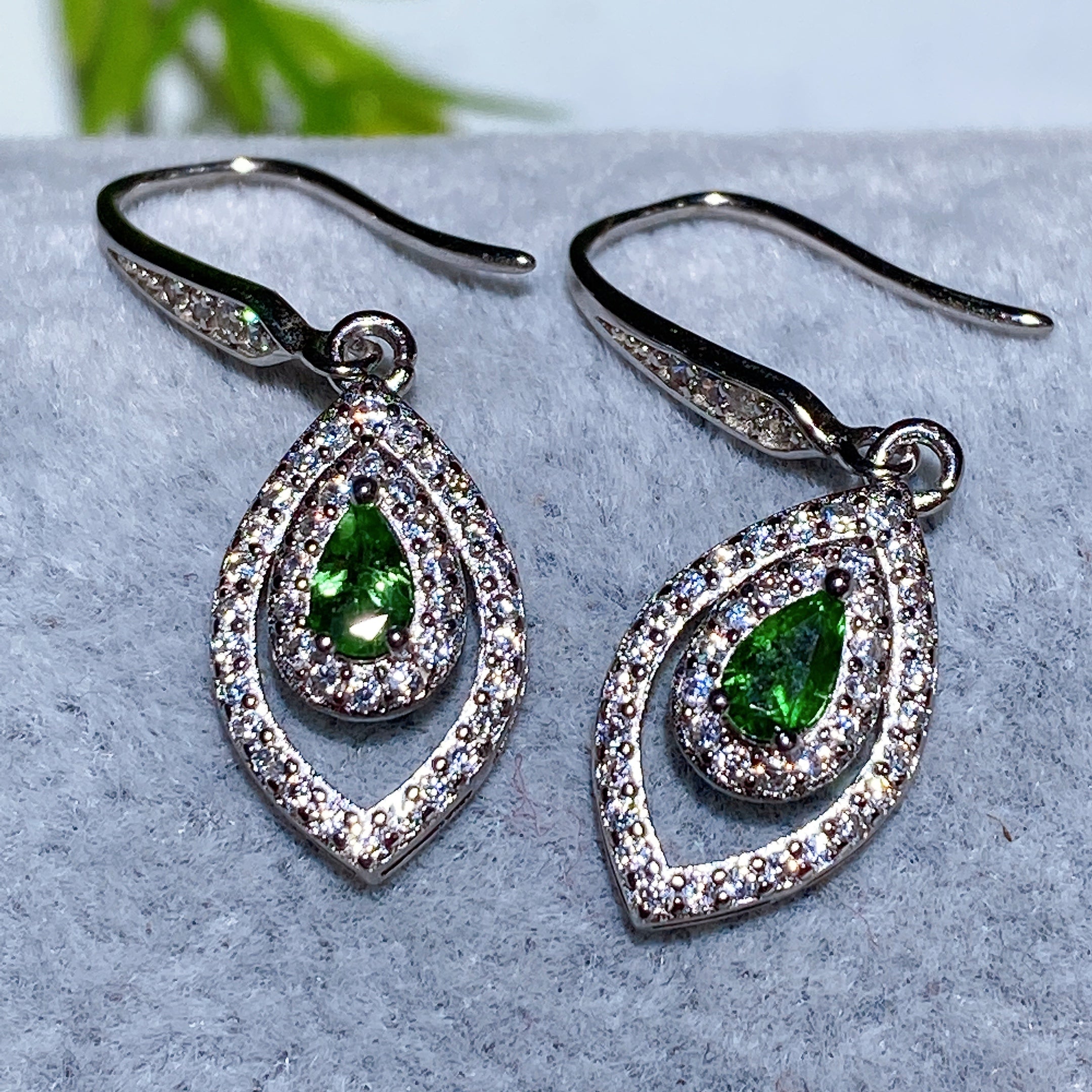
Sterling Silber Spirituelle Kristall Ohrringe 24-40mm Heilung
$149.90
$219.90
Highlight your search for authentic ametrine value with elegant natural ametrine earrings—perfect for validating color and clarity. Learn more ➔

Get a closer look at unpolished ametrine chips to better understand genuine specimen price differences and natural formation. Learn more ➔
Conclusion
Investing in ametrine is about more than just finding a beautiful stone; it is about appreciating the rare geological conditions that bring amethyst and citrine together. By understanding the nuances of the ametrine price, checking for origin authenticity, and inspecting the color zoning, you can ensure you are purchasing a genuine piece of Earth's magic. Whether for its spiritual properties or its stunning bicolor aesthetic, a real ametrine gemstone is a worthy addition to any collection.
Frequently Asked Questions about Ametrine Price & Buying
Compared to precious gems like emeralds, ametrines are relatively affordable. However, high-quality stones with deep color saturation and a distinct 50/50 split can command higher prices. The cost is driven by the stone's clarity, cut, and color intensity.
The price typically ranges from $5 to $60 per carat, depending on quality. Commercial grade stones are on the lower end, while fine, large specimens with vivid purple and golden hues sit at the higher end of the spectrum.
Yes, natural ametrine is considered rare because almost all commercially available stones come from just one source: the Anahi Mine in Bolivia. This single-source origin limits the global supply compared to other quartz varieties.
Real ametrine usually has a sharp transition between colors but maintains a natural look. Fakes may have overly abrupt, blocky color zones or look too uniform and bright. Synthetic stones are often flawless and sold at suspiciously low prices for their size.
The primary factors are color intensity, the ratio of the split (50% purple, 50% yellow is ideal), clarity, and cut. The origin (Bolivia) and carat weight also play significant roles in determining the final value.