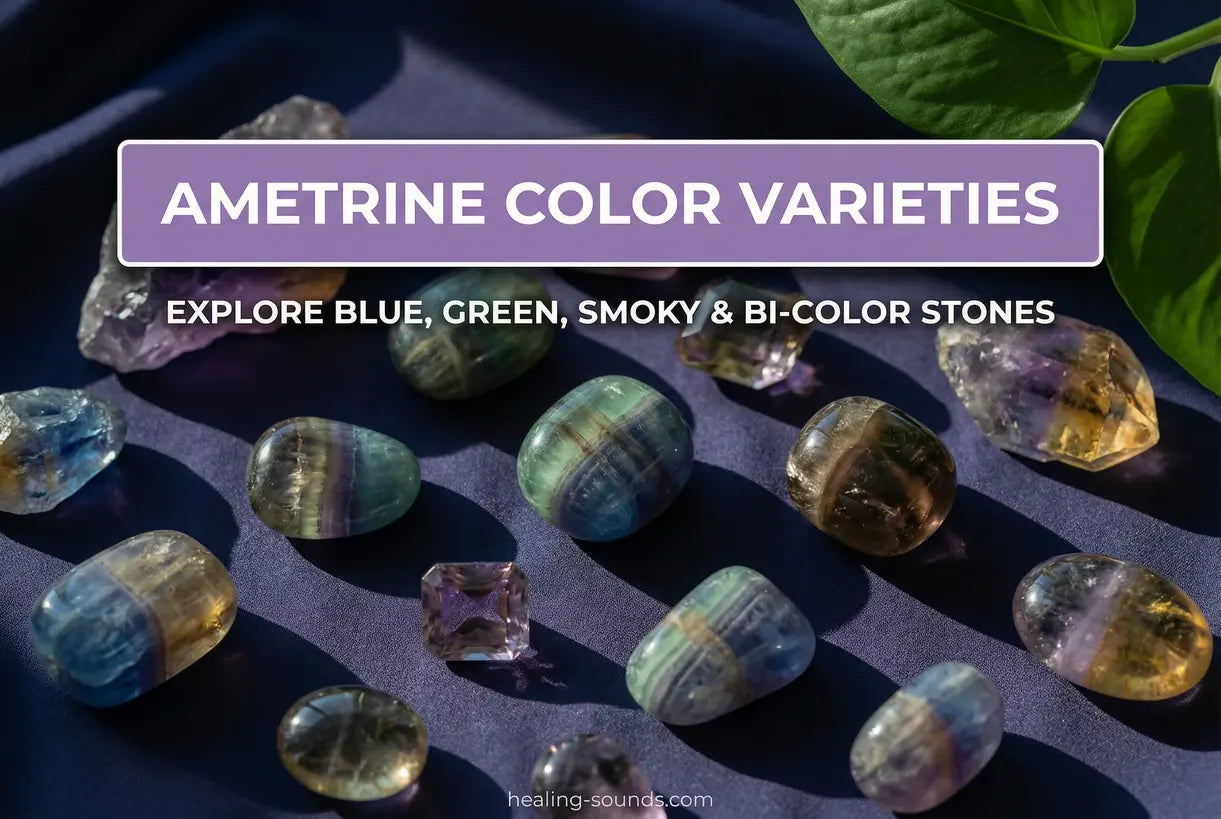
The world of quartz crystals is vast and colorful, but few stones capture the imagination quite like the bi-colored beauty of ametrine. Traditionally known for its stunning fusion of amethyst and citrine, this gemstone represents a harmonious blend of opposites. However, as collectors and spiritual enthusiasts dive deeper, questions arise about other intriguing variations, particularly the elusive blue ametrine. Does it exist naturally? How does it differ from the classic purple and yellow stone? From the deep hues of smoky ametrine to the vibrant energy of green ametrine, the spectrum of this gem is a fascinating subject for any crystal lover.
In this guide, we will explore the rare and unique color varieties of ametrine. Whether you are looking to expand your collection with a bi color ametrine or simply want to understand the metaphysical properties of these unique stones, we will uncover the truth behind their origins, value, and spiritual significance. Let's journey beyond the traditional violet and gold to discover the full palette of ametrine color varieties available in the market today.
Understanding the Classic Bi-Color Stone
Before diving into the rarer colors like blue ametrine, it is essential to understand what defines a standard ametrine. Geologically, ametrine is a variety of quartz that occurs when iron impurities are oxidized at different rates within the crystal during its formation. This unique process results in distinct zones of purple (amethyst) and yellow or orange (citrine) within a single specimen. The most famous and commercially viable source of natural ametrine is the Anahí Mine in Bolivia.
The distinct color zoning is the hallmark of natural ametrine. Unlike synthetic blends, a genuine stone will show a sharp or sometimes soft transition between the violet and golden hues, symbolizing the perfect union of the physical and spiritual realms.

The Mystery of Blue Ametrine
One of the most searched terms among modern gem enthusiasts is blue ametrine. If natural ametrine is a mix of purple and yellow, where does the blue come from? It is crucial for collectors to understand that blue ametrine does not typically occur in nature in the same way the classic bi-color quartz does. The geological conditions that create amethyst and citrine do not naturally produce blue quartz in the same crystal habit.
Most stones sold as "blue ametrine" or "blue-green ametrine" on the market are likely one of two things: rare ametrine varieties that have been heat-treated or irradiated to alter their color, or synthetic quartz grown in a lab to achieve a specific aesthetic. While they may not be "natural" in the geological sense, these stones are still chemically quartz and are highly valued in jewelry for their striking appearance and durability. For spiritual practitioners, the color blue resonates with the Throat Chakra, making these treated stones popular tools for enhancing communication and expression.

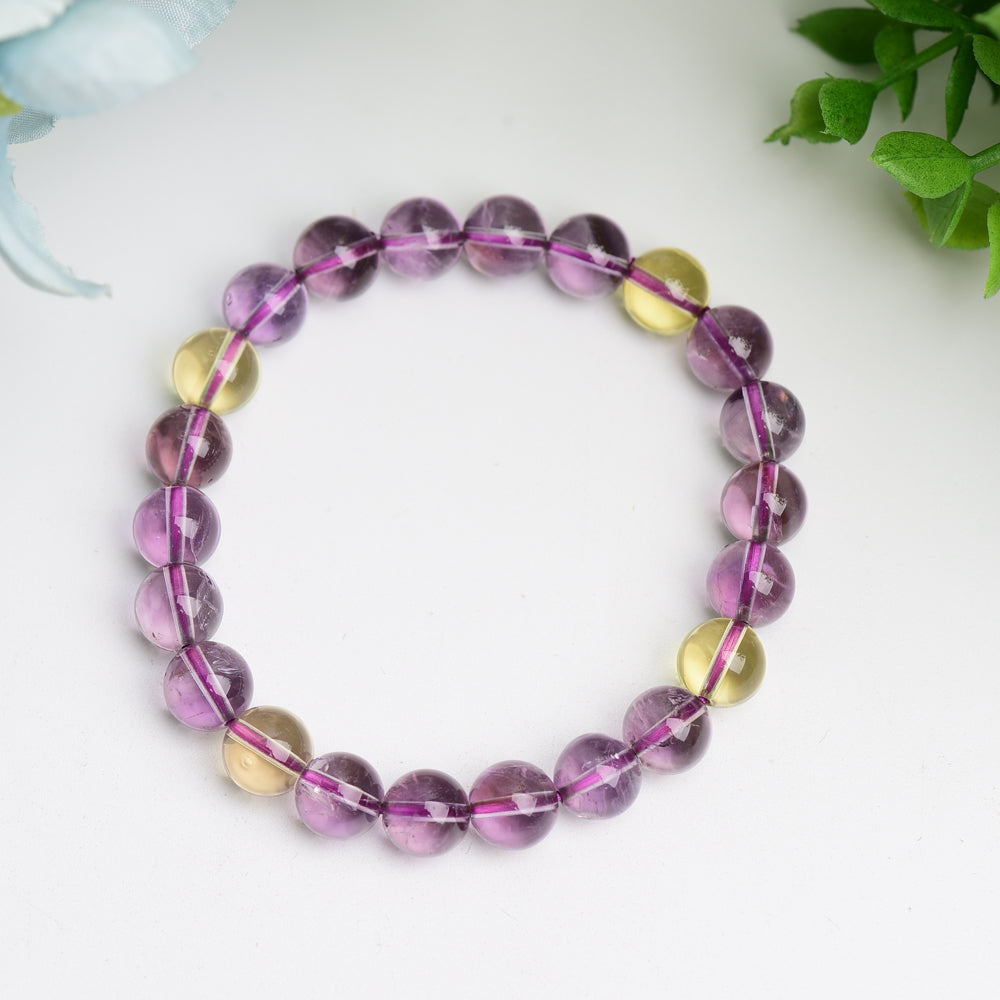
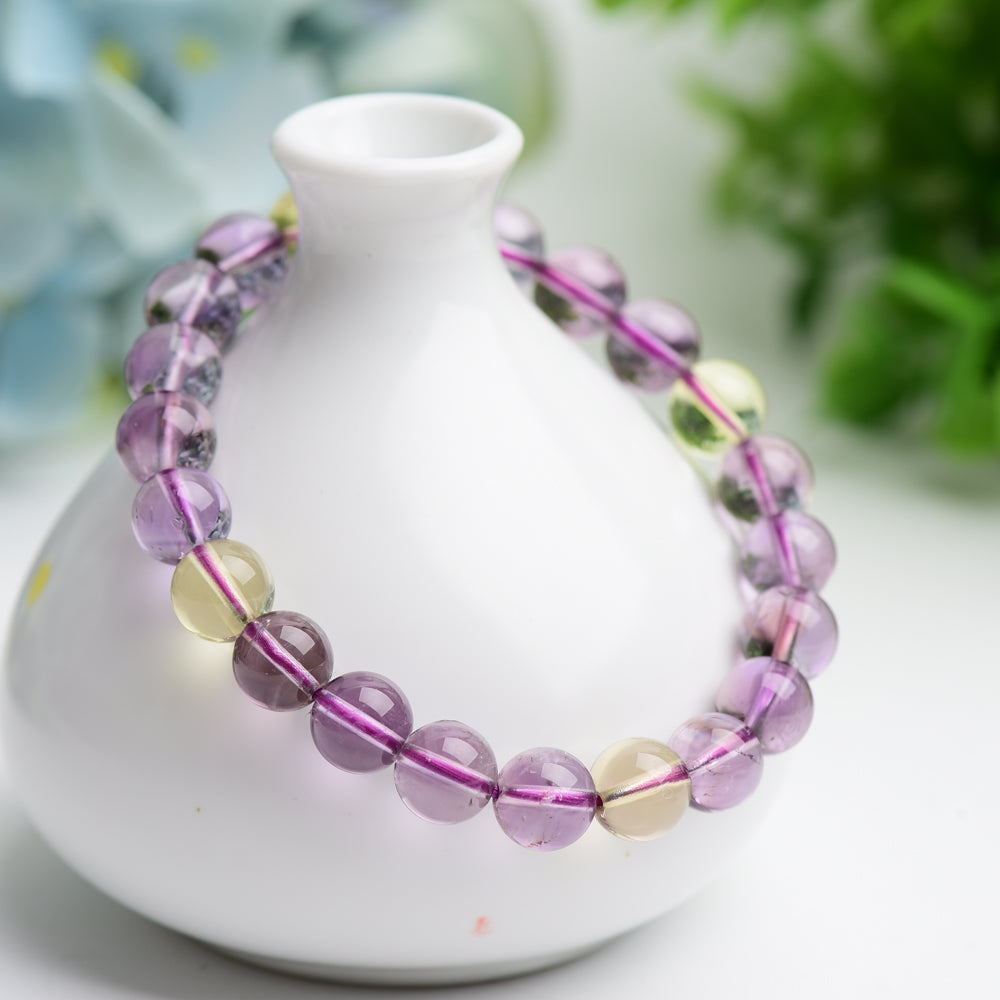
8,5 mm Ametrin-Heilarmband für spirituellen Schutz
$69.90 $99.90
Showcase natural ametrine color blends on your wrist with this genuine bracelet, perfect for balancing and spiritual energy.
Explore ProductGreen, Smoky, and Other Rare Variations
While blue ametrine might be a market trade name, other variations like smoky ametrine and green ametrine have distinct geological or treatment-based stories.
Green Ametrine (Prasiolite Mixes)
Green ametrine is often a combination of amethyst and prasiolite (green quartz). Prasiolite itself is rarely found naturally and is usually produced by heating specific types of amethyst. When you see a stone transitioning from purple to green, it is colloquially called "Amegreen." These stones carry a compassionate vibration, linking the intuitive Third Eye (purple) with the loving Heart Chakra (green).
Smoky Ametrine
Unlike the blue variety, smoky ametrine can occur naturally. It happens when the crystal formation includes elements of smoky quartz alongside the amethyst and citrine. These stones are powerful grounding tools. The smoky element adds a protective layer to the high-vibrational energy of the amethyst and the abundance energy of the citrine, making it a "tri-color" powerhouse for shielding against negativity.
Yellow and Pink Varieties
Occasionally, you may encounter terms like yellow ametrine or pink ametrine. "Yellow ametrine" usually refers to stones where the citrine content dominates the purple. "Pink ametrine" is often a lighter, softer shade of the amethyst component or a result of specific irradiation treatments to shift the purple toward a rose hue.

Metaphysical Properties by Color
Regardless of whether your stone is a natural Bolivian gem or a treated blue ametrine, color plays a vital role in energy work. In crystal healing, the color frequency interacts with the human energy field (aura) to produce specific effects.
- Classic Bi-Color: Balances masculine and feminine energies, promotes mental clarity, and aids decision-making.
- Blue Ametrine: Associated with the Throat Chakra; encourages speaking one's truth and calming an overactive mind.
- Green Ametrine: Connects the heart and mind, fostering emotional healing and empathy.
- Smoky Ametrine: Provides grounding, protection, and detoxification of the energetic body.
To understand the journey of these stones and their profound energy, watch this fascinating visual guide on how ametrine travels from deep within the earth to becoming a polished gem.
Identifying Quality and Authenticity
When shopping for ametrine varieties, knowing what to look for is key. Natural ametrine is prized for its transparency and the sharpness of its color zoning. The most valuable stones show a 50/50 split of rich purple and deep gold. However, in the world of blue green ametrine or other treated colors, value is often determined by the cut and the vividness of the color.
Buyer's Tip: If a seller claims a "blue ametrine" is 100% natural and untreated, approach with caution. Ask for certification or assume it has been enhanced. Natural quartz simply does not grow in royal blue and yellow combinations without human intervention.
For those seeking authentic spiritual tools, both natural and enhanced crystals have their place. It is about transparency and intention. Many collectors enjoy the aesthetic of enhanced blue ametrine for jewelry, while purists stick to the natural bi color ametrine for meditation.
Rare Ametrine Finds for Your Collection

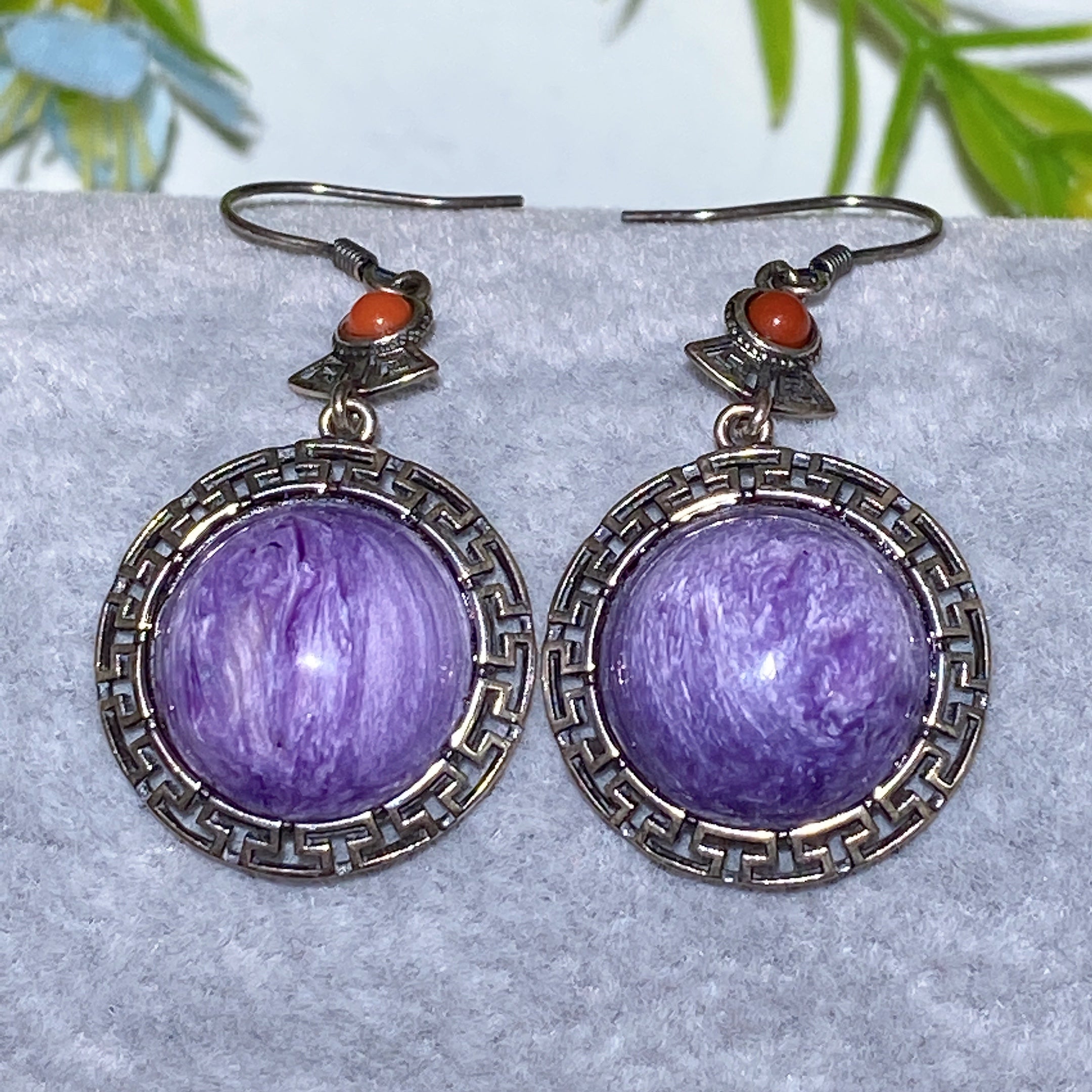
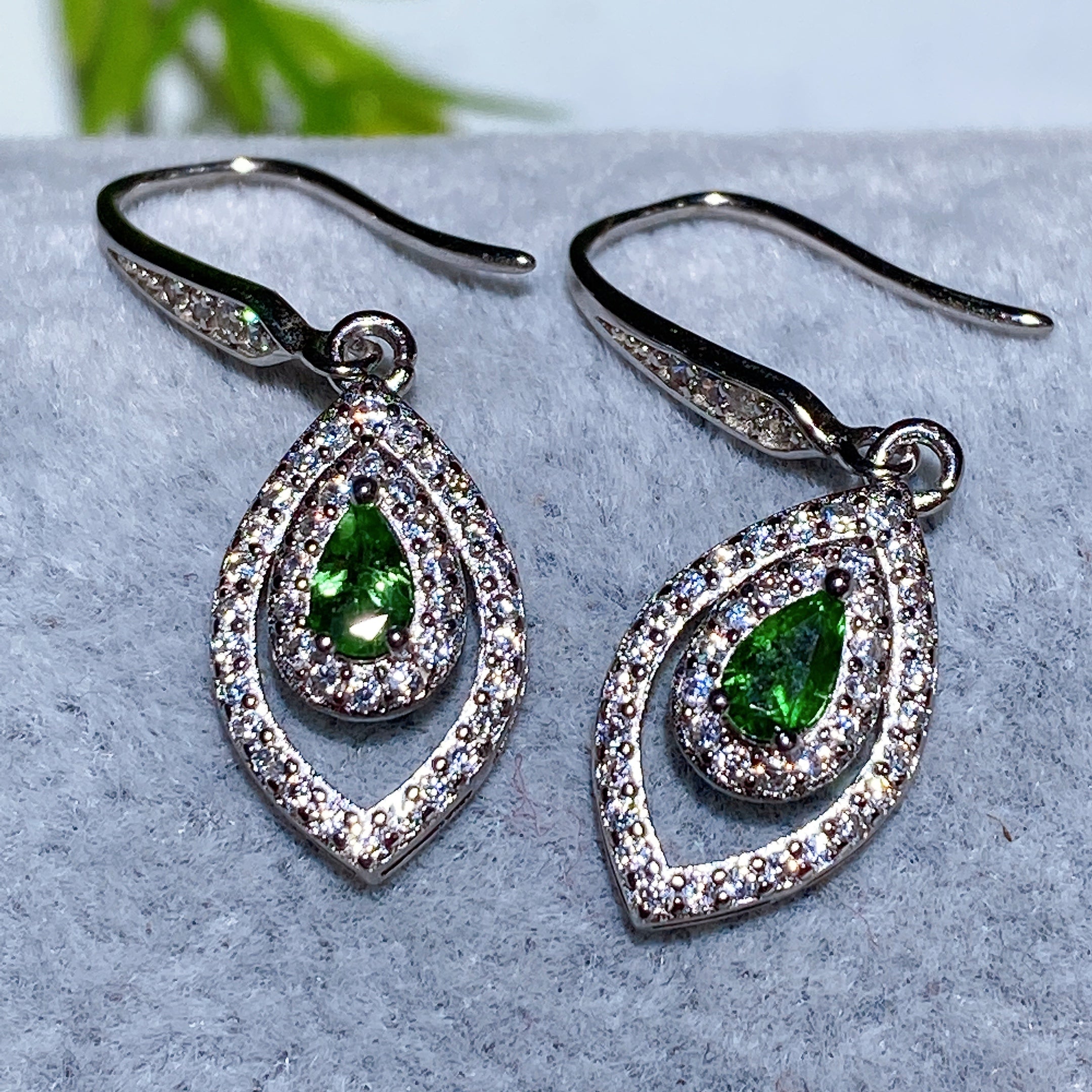
Sterling Silber Spirituelle Kristall Ohrringe 24-40mm Heilung
$149.90
$219.90
Add rare ametrine color variants to your look—choose these earrings for an elegant, dual-hued spiritual uplift. Learn more ➔

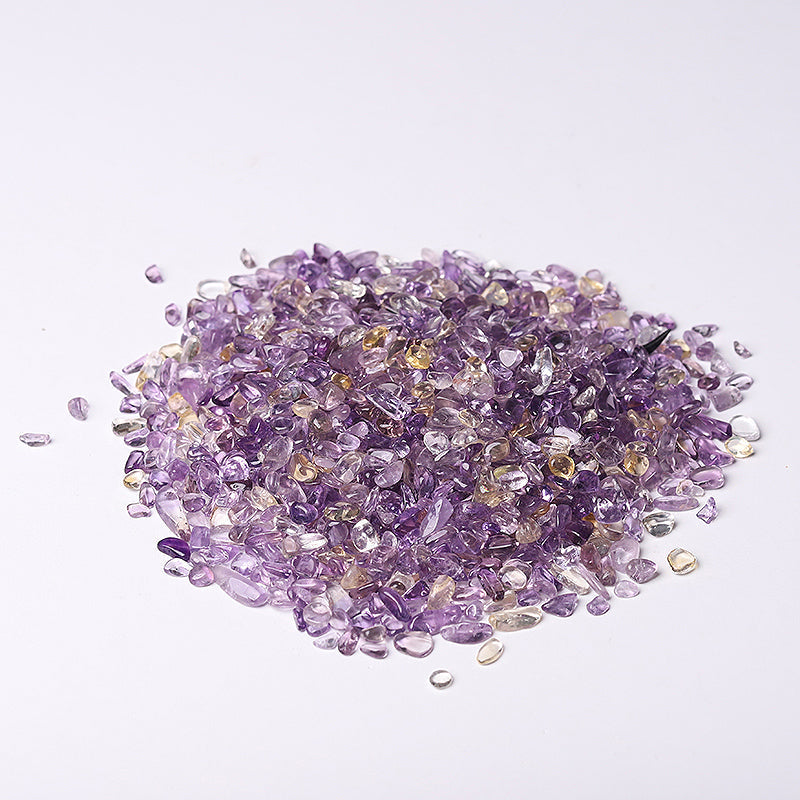
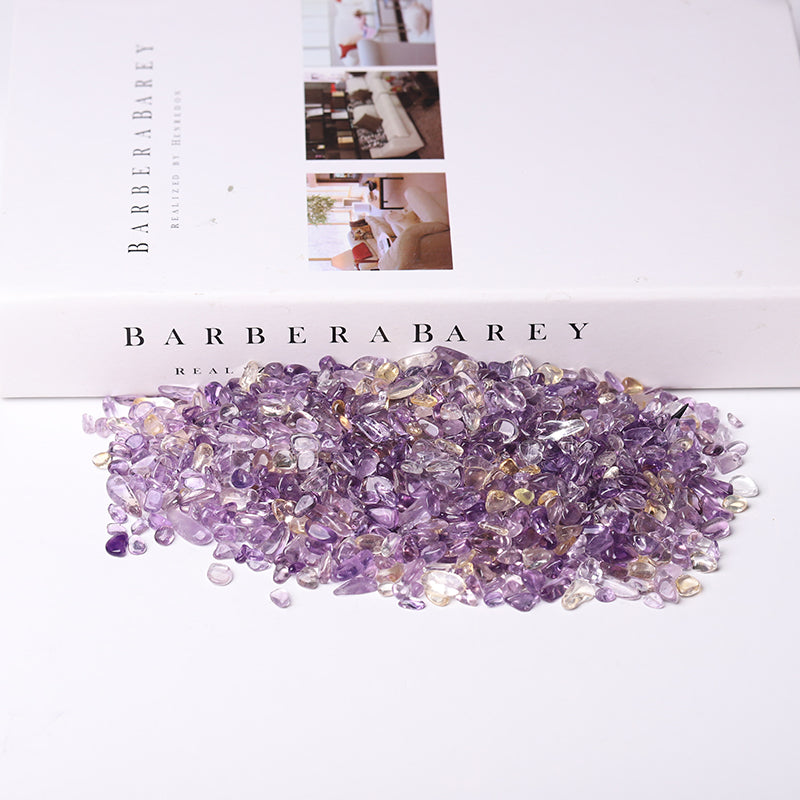
Embrace the beauty of bi-color and smoky ametrine with authentic raw crystal chips, ideal for collectors and decor. Learn more ➔
Caring for Your Ametrine Treasures
Whether you own a rare smoky ametrine or a vibrant blue ametrine pendant, proper care is essential to maintain the stone's beauty. Quartz is generally durable (ranking 7 on the Mohs scale), making it suitable for daily wear. However, color-treated stones and natural amethyst can be sensitive to prolonged exposure to direct sunlight, which may cause the colors to fade over time.
To cleanse your ametrine energetically, consider using sound healing (singing bowls), moonlight, or other crystals like selenite. Avoid harsh chemicals or ultrasonic cleaners, especially if you are unsure if your stone has been treated. A simple wash with warm soapy water and a soft cloth is usually sufficient to keep your gems sparkling.

Conclusion
The allure of ametrine lies in its duality and the beautiful spectrum of colors it can present. From the naturally occurring, harmonious blend of purple and gold to the enchanting, market-specific hues of blue ametrine, there is a variety to suit every taste and spiritual need. While natural geological specimens offer a connection to the raw earth, the expanded color palette available today allows for broader expression in jewelry and color therapy. By understanding the origins and properties of these stones, you can make informed choices that add real value and beauty to your life.
Frequently Asked Questions about Ametrine Colors & Value
Yes, ametrine has significant value, especially specimens with a distinct, sharp 50/50 split of rich purple and golden-orange colors. Larger, eye-clean stones from the Anahí mine in Bolivia are particularly prized by collectors and jewelers.
While "blue ametrine" is often treated quartz and affordable, the most valuable blue gemstones in the world are typically Blue Diamonds, Kashmir Sapphires, and Paraiba Tourmalines, which command exceptionally high prices per carat due to their rarity.
Not exactly. Ametrine is a distinct variety of quartz that contains both amethyst (purple quartz) and citrine (yellow/orange quartz) in the same crystal. Amethyst is purely the purple variety of quartz.
Ametrine is a macrocrystalline variety of quartz known for its bi-color appearance. It is formed naturally when different oxidation states of iron occur within the crystal lattice, creating zones of purple and yellow.
Generally, no. Natural ametrine is strictly purple and yellow/orange. Stones labeled as blue or green ametrine are usually heat-treated or irradiated amethyst, or laboratory-grown quartz designed to mimic these attractive colors.