
Imagine holding a seemingly ordinary stone, only to flip a switch and watch it burst into a glowing, ethereal light. This is the magic of fluorescent fluorite. While many crystals are admired for their visible color and clarity in daylight, fluorite holds a secret that is only revealed under the right conditions. For collectors, geologists, and spiritual seekers alike, the phenomenon of fluorescence turns a beautiful mineral into a fascinating display of nature's hidden physics.
Fluorite is actually the mineral for which the term "fluorescence" was named. Its ability to shift from a static solid to a glowing beacon of blue, purple, or even red light makes it a staple in any serious mineral collection. Whether you are interested in the scientific explanation of electron displacement or the metaphysical symbolism of revealing one's "inner light," understanding the UV reactive properties of this stone adds a new layer of depth to your appreciation of the mineral kingdom.
Did you know? Not all fluorite glows. The fluorescence depends on specific mineral impurities, meaning two stones from the same mine might behave completely differently under a black light.
The Science Behind the Glow: What Causes Fluorescence?
To understand why fluorite uv light reactions occur, we have to look at the atomic level. Pure calcium fluoride (the chemical composition of fluorite) is actually colorless and does not fluoresce. The magic happens due to impurities known as "activators." These are typically rare earth elements such as Europium, Yttrium, or organic matter that are present within the crystal lattice.
When you shine ultraviolet light on the stone, these activators absorb the high-energy radiation. The electrons within the atoms become "excited" and jump to a higher energy state. As they inevitably fall back to their original state, they release that excess energy in the form of visible light. This is what our eyes perceive as a glow. This interaction makes fluorite UV reactive specimens highly sought after for educational demonstrations and aesthetic displays.


Colors of Fluorescence: From Common Blue to Rare Red
When discussing fluorescent fluorite, blue is the undisputed king. The vast majority of fluorescent specimens will emit a rich, indigo-blue glow under longwave UV light (standard black light). This is largely due to the presence of divalent europium. However, the world of fluorescence is not limited to blue.
Depending on the specific cocktail of trace elements, you might encounter fluorite that glows creamy white, yellow, green, or even a rare red. These variations are often tied to specific localities. For instance, some distinct yellow-glowing fluorite is found in Ohio, while red fluorescence can sometimes be seen in specimens containing organic inclusions.

Miniatur-Fluorit-Reinigungspyramide zur Meditation
$39.99 $49.99
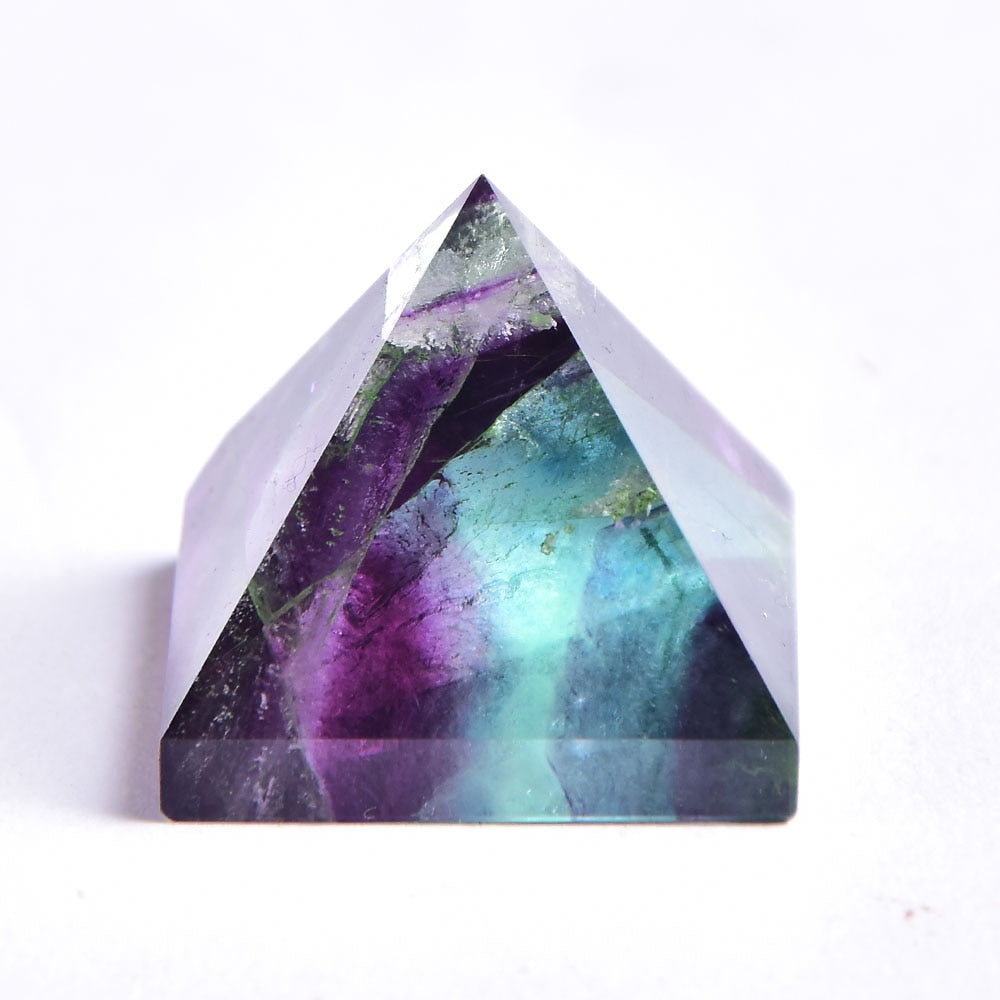
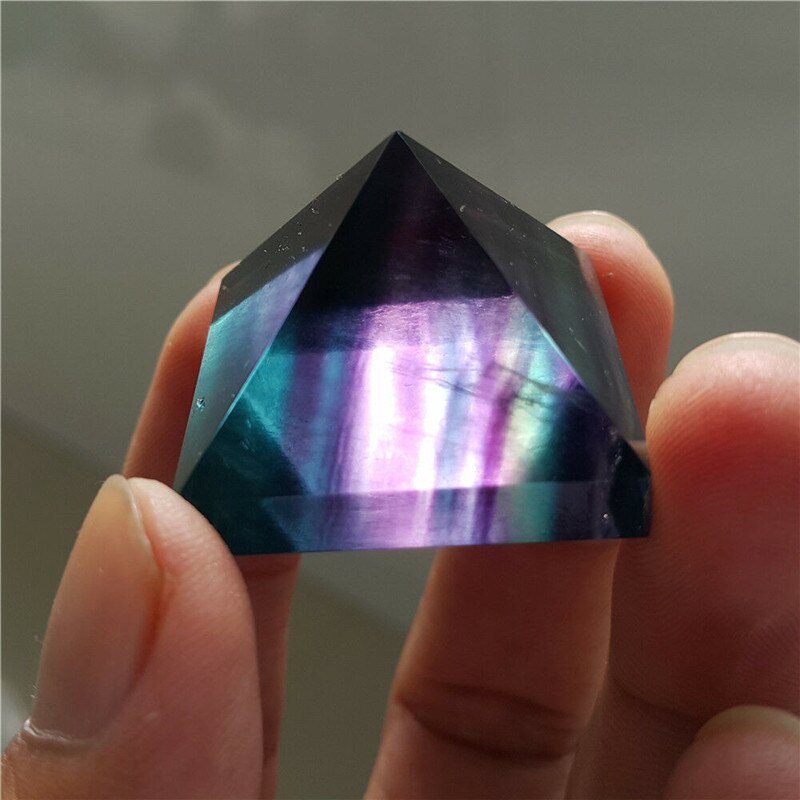
Elevate your collection with a decorative fluorite pyramid that beautifully displays UV-reactive clarity and color.
Explore ProductUnique Varieties: Rogerley and Chlorophane
Within the niche of UV-reactive minerals, two names stand out for their exceptional properties: fluorite Rogerley and chlorophane.
Rogerley Fluorite: Daylight Fluorescence
The Rogerley Mine in Weardale, England, produces what many consider the "Holy Grail" of fluorescent minerals. Unlike most specimens that require a dark room and a UV lamp to show their reaction, Rogerley fluorite is so reactive that it exhibits daylight fluorescence. In the shade, these crystals appear emerald green, but when taken into direct sunlight (which contains UV rays), they develop a distinct bluish hue on the surface and edges. This color-changing ability makes them incredibly prized among collectors.
Chlorophane: The Heat Seeker
Chlorophane fluorite possesses an even stranger property called thermoluminescence. While it can fluoresce under UV light, chlorophane will also glow when heated. Historically, this stone was known to emit a bright green light when held in a warm hand or placed near a heat source, though doing so can eventually cause the fluorescence to fade (a phenomenon known as "bleaching"). It is a rare and unstable variety that showcases just how dynamic mineral physics can be.
How to Observe Fluorite Fluorescence
If you want to observe fluorite under UV properly, you need the right tools. Fluorescence is generally categorized by the wavelength of ultraviolet light used to trigger it:
- Longwave UV (LWUV): This is the standard "black light" (around 365nm). Most fluorite responds best to this wavelength, glowing a vibrant blue.
- Shortwave UV (SWUV): This is a higher energy light (around 254nm). While fewer fluorite specimens react strongly to shortwave, those that do may show different colors compared to their longwave reaction.
To set up a viewing station, ensure the room is completely dark. The contrast is essential for seeing the subtle shifts in color, especially with specimens that have a weaker glow. Always use caution with UV lights, especially shortwave lamps, as they can be harmful to the eyes; wearing UV-blocking safety glasses is recommended.

Metaphysical Symbolism of the Glow
While the scientific explanation involves electrons and photons, the spiritual community views phosphorescent fluorite and fluorescent varieties as powerful symbols of "inner truth." The idea that a stone can look dull in the daylight but brilliant under a different spectrum mirrors the concept of the hidden self or the subconscious.
Meditating with a piece of UV-reactive fluorite is often associated with bringing clarity to shadowed areas of the mind. It serves as a physical reminder that there is always more than meets the eye, encouraging the user to look beneath the surface of their own emotions and thoughts.
Enhance Your Collection with UV Reactive Fluorite

Fluorit-Kristallturm für Gleichgewicht und Klarheit
$39.99
$49.99
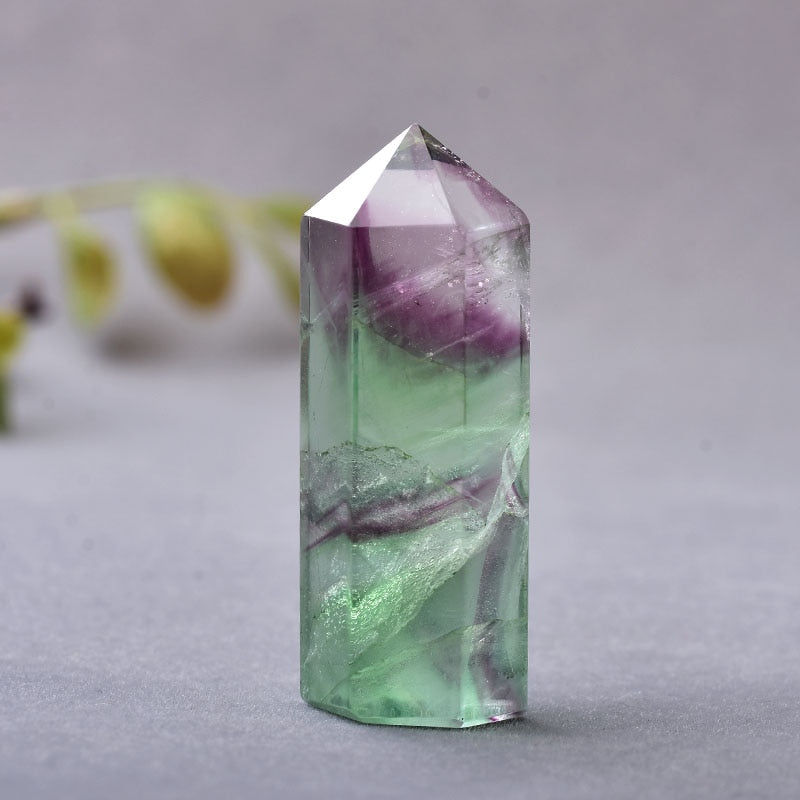
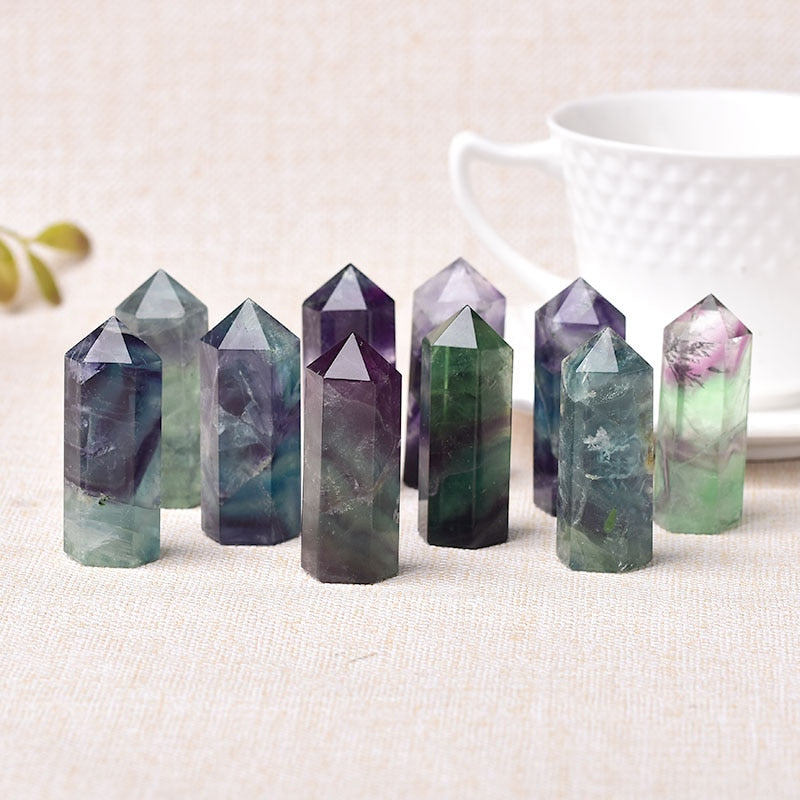
Highlight your space with a polished fluorite tower—perfect to observe and showcase its fluorescent properties under UV. Learn more ➔

Wear a touch of fluorescence: this green fluorite bracelet brings natural UV-reactive crystal energy to your style. Learn more ➔
Identification: Is Your Specimen Reactive?
One common question among hobbyists is: is all fluorite fluorescent? The answer is no. While fluorite is the poster child for the phenomenon, many high-purity specimens lack the necessary activators to glow. This can actually be a helpful identification tool. For example, if you are looking at a specimen labeled as natural fluorite, a quick check with a UV light can confirm its identity, as glass or plastic imitations rarely mimic the specific fluorescence of the natural mineral.
When shopping for specimens, look for terms like "strongly fluorescent" or specifics about the locality (like Durham, England, or Hardin County, Illinois). Seeing the stone change color under UV is the ultimate confirmation of its complex geological history.

Conclusion
The world of fluorescent fluorite offers a perfect bridge between the wonders of science and the beauty of the natural world. From the daylight glow of Rogerley specimens to the hidden blue fires of common crystals, these minerals remind us that there is always more to see than what lies on the surface. Whether you collect them for their rare optical properties or their spiritual significance, a UV-reactive fluorite piece is a dynamic addition to any collection.
Frequently Asked Questions about Fluorescent Fluorite
Yes, fluorite is a strongly fluorescent mineral, and in fact, the phenomenon of fluorescence was named after it. However, not every single piece of fluorite will glow; it depends on the presence of specific impurities.
Yes, most fluorescent fluorite reacts strongly to longwave UV light, which is commonly known as black light. It typically emits a vibrant blue or violet glow under these conditions.
The glow is caused by "activators" within the crystal lattice, which are usually trace amounts of rare earth elements like Europium or Yttrium, or sometimes organic matter. These impurities absorb UV energy and release it as visible light.
In terms of fluorescence, red and white are considered quite rare. While blue is the most common fluorescent color, specimens that glow bright yellow, pink, or red are highly prized by collectors.
Yes, many fluorite specimens glow under UV light. The intensity and color of the glow depend on the specific locality where the mineral was mined and its chemical composition.