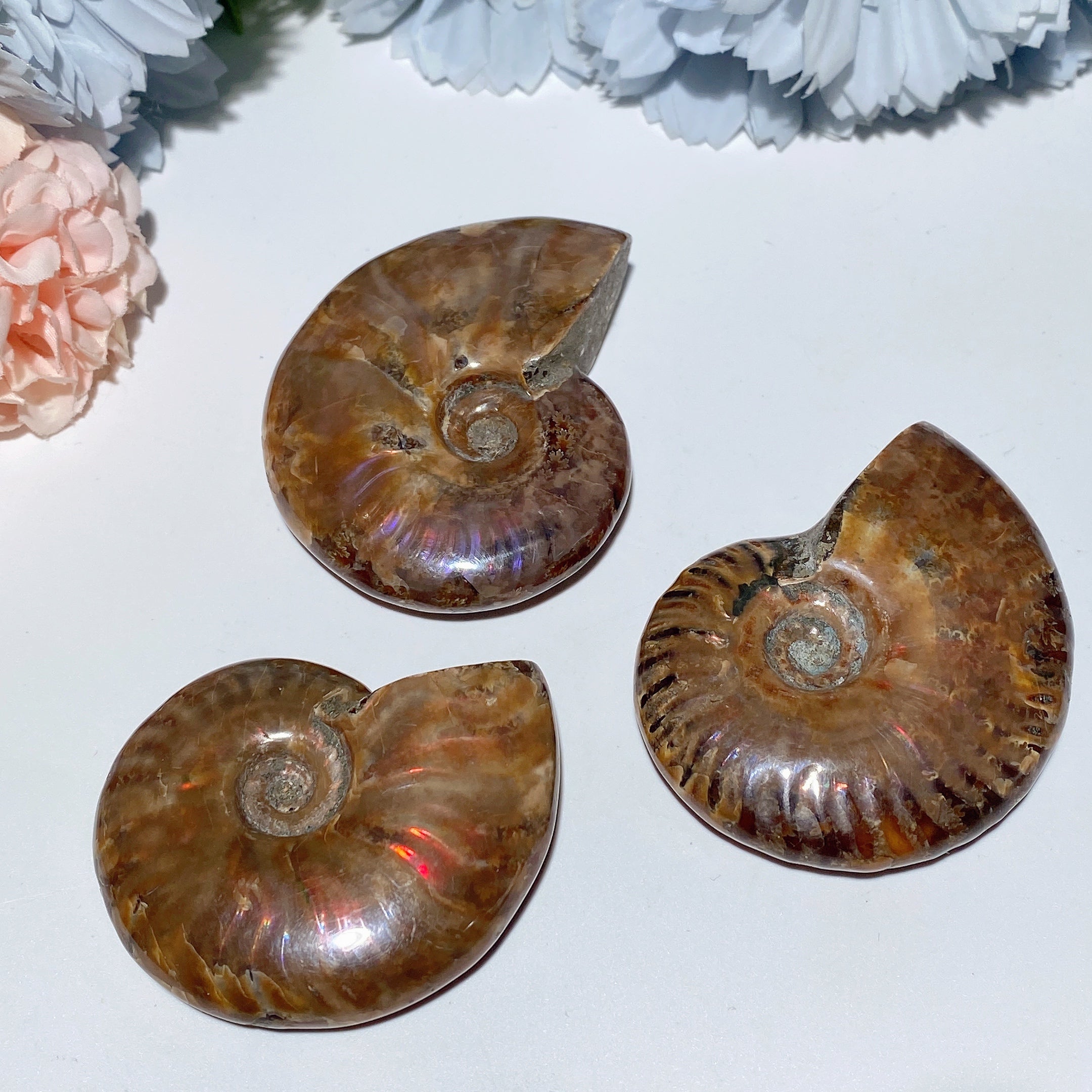
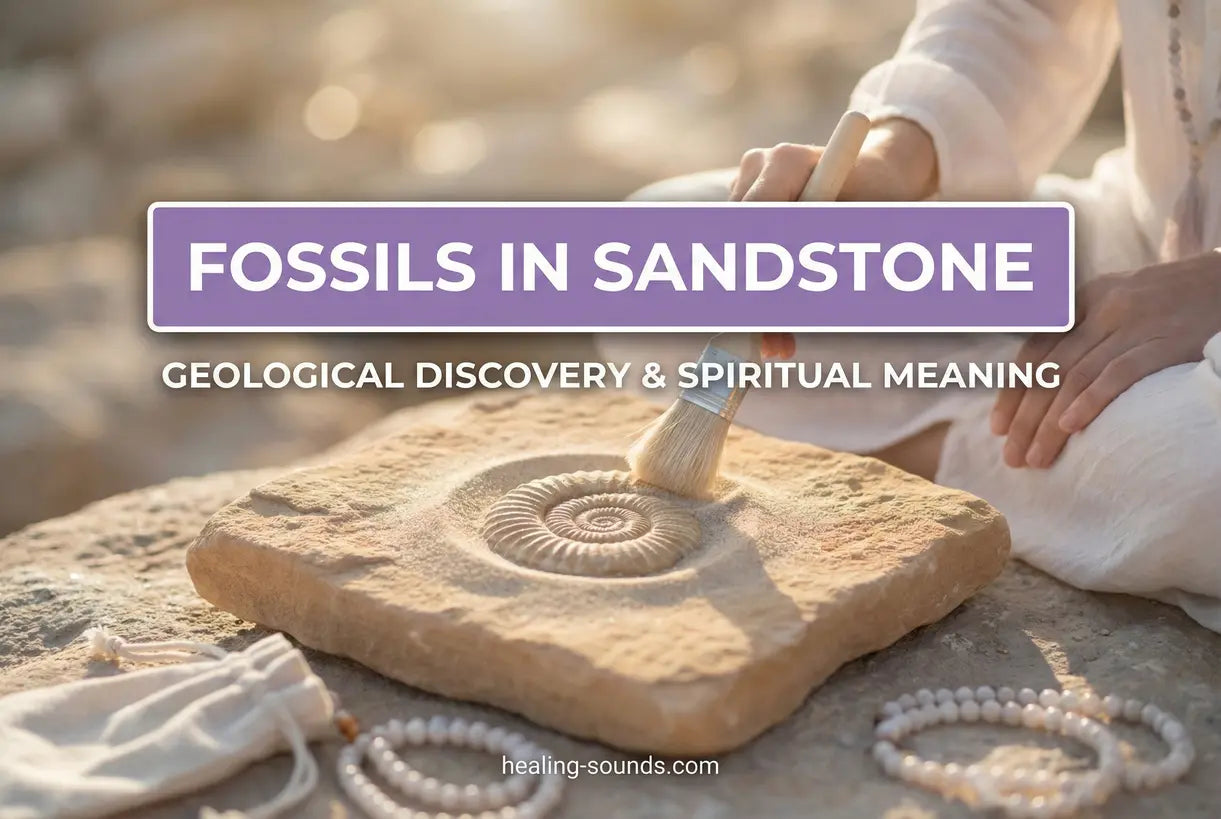
Have you ever picked up a rough, sandy rock and noticed a swirl, a ridge, or a pattern that seemed out of place? You might be holding a message from the ancient Earth. Fossils in sandstone are more than just geological curiosities; they are time capsules that bridge the gap between the prehistoric world and our present moment. For the spiritual seeker, finding or working with these specimens offers a unique opportunity to connect with the grounding energies of the Earth and the wisdom of deep time.
Sandstone, known for its grainy texture and sedimentary layers, is one of the most common host rocks for fossils. Whether you are a crystal collector looking to expand your knowledge or a holistic practitioner seeking tools for grounding, understanding sandstone fossils opens a door to both scientific discovery and metaphysical growth. In this guide, we will explore how to identify these treasures, understand their geological formation, and harness their energy for your spiritual journey.

The Geological Story: How Fossils Form in Sandstone
To truly appreciate the spiritual meaning of fossils found in this rock type, it helps to understand their origins. Sandstone is a sedimentary rock formed by the accumulation of sand grains—composed mostly of quartz and feldspar—deposited by water, wind, or ice. Over millions of years, these layers are compressed and cemented together.
Fossils in sandstone are typically the remains of ancient marine life, plants, or tracks that were quickly buried by sand. Unlike the fine detail preserved in limestone or shale, sandstone preservation can be coarser due to the grain size of the rock. However, this often gives the fossils a rugged, raw beauty that speaks to resilience and endurance. The formation process involves immense pressure and time, imbuing the stone with stable, persistent energy.
Identifying Fossils in Rocks: A Practical Guide
Identifying fossils in rocks like sandstone requires a keen eye and a bit of patience. Because the texture of sandstone is granular, small fossils can sometimes blend in with the matrix. However, there are specific signs to look for that distinguish a biological remnant from a random geological pattern.
Visual and Textural Clues
When searching for these ancient treasures, look for disruptions in the sedimentary layers. A fossil often appears as a contrasting shape or color against the sandy background. You might see the spiral of a gastropod, the ribbed impression of a bivalve shell, or the carbonized tracing of an ancient leaf.
Quick Identification Tips
- Symmetry: Biological life usually exhibits symmetry (spirals, radial patterns) that random rock fractures do not.
- Texture Contrast: The fossilized area is often smoother or made of a different mineral (like calcite or silica) than the surrounding gritty sandstone.
- Repetition: Finding multiple similar shapes in one rock layer is a strong indicator of a fossil bed.
One of the most rewarding experiences is finding a mold or cast fossil, where the original organism dissolved away, leaving a perfect three-dimensional imprint in the hardened sand. These voids are literal spaces where life once existed, holding the energetic resonance of the creature.

Spiritual Meaning and Metaphysical Properties
In the realm of crystal healing, sandstone fossils possess a dual energy. You have the properties of the host rock—Sandstone—combined with the ancient wisdom of the Fossil. Sandstone is known as a "stone of creativity" and cohesion. It helps to build and strengthen relationships within groups, much like the countless grains of sand that bind together to form the rock.
When you add the fossil inclusion, the metaphysical properties deepen. Fossils are believed to hold the energy of the Earth's history, often referred to as the Akashic Records in stone. They are powerful tools for:
- Past Life Recall: Meditating with fossils can help unlock memories or clear trauma from past incarnations.
- Grounding and Protection: They provide a profound connection to the root chakra, offering stability during chaotic times.
- Transformation: Just as the organic matter transformed into stone, these pieces support personal evolution and the transition from old habits to new growth.

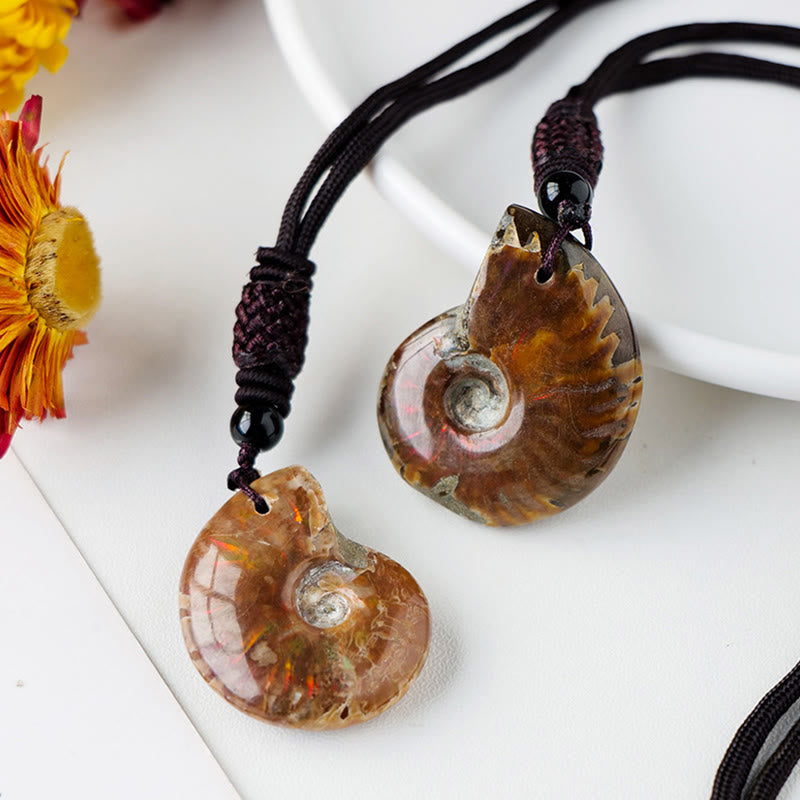
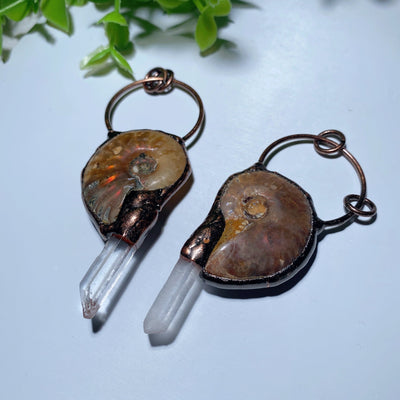
Natürlicher Ammonit-Meditations-Halskettenanhänger zur Heilung
$25.90 $37.90
Harness the wisdom of ancient ammonite fossils to deepen meditation and connect with Earth’s spiritual history.
Explore ProductIntegrating Healing Fossils into Your Practice
Working with healing fossils is an intuitive process. Because sandstone is an earthy, sedimentary rock, it resonates strongly with the physical body and the material realm. Placing a sandstone fossil on your altar brings the element of Earth into your sacred space, serving as an anchor for your spiritual work.
You can use these stones to enhance meditation. Hold a specimen in your hand and visualize roots growing from your body deep into the ground, connecting with the ancient strata where the fossil was found. This visualization can be incredibly soothing for anxiety, helping you feel supported by the timeless nature of the planet.



Creating an Earth Ancestor Altar
Consider creating a dedicated space for your geological ancestors. Arrange your sandstone fossils alongside other grounding stones like smoky quartz or petrified wood. You can add elements that represent the passage of time, such as an hourglass or a journal for recording your insights. This setup honors the continuity of life and invites the wisdom of the ancients into your daily routine.

Ammonite Treasures for Your Collection

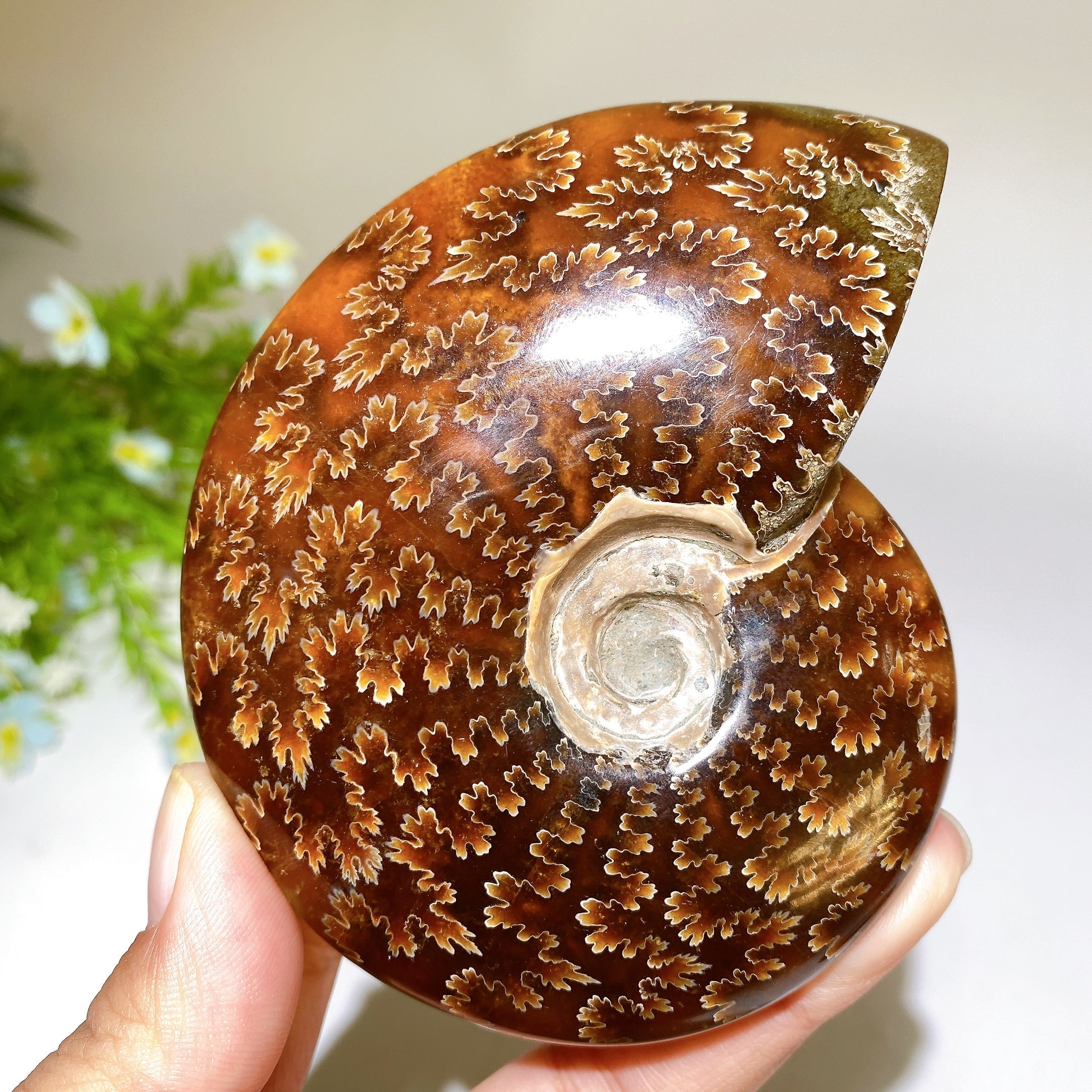
Poliertes Ammonitenkristallexemplar 2,8-5,5 Zoll Spirale
$29.90
$39.90
Display this striking spiral ammonite specimen for grounding, transformation, and spiritual energy in your space. Learn more ➔

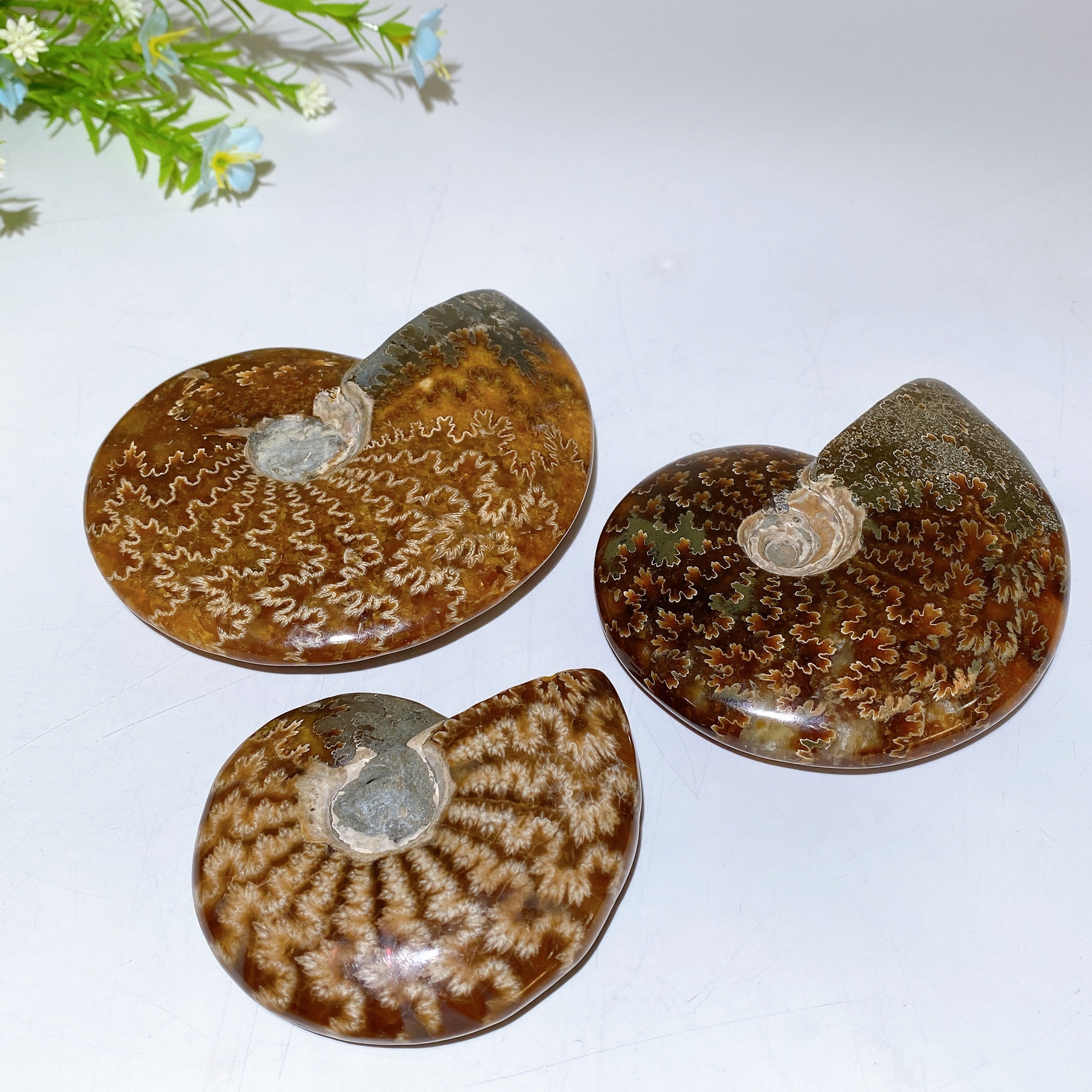
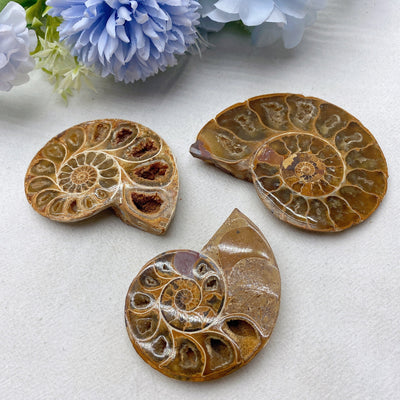
2,0–3,0 Zoll Ammonitenfossil zur Heilung
$30.90
$39.90
Bring ancestral earth energy to your altar with this authentic ammonite fossil, ideal for healing and contemplation. Learn more ➔
Cleansing and Caring for Sandstone Fossils
Proper care is essential when cleansing fossil stones found in sandstone. Unlike hard quartz crystals, sandstone is porous and can be fragile. It is composed of grains cemented together, meaning water can sometimes seep in and weaken the structure over time, especially if the cement is soluble.
Avoid using salt water or harsh chemical cleaners, as these can degrade the stone matrix or damage the fossil detail. Instead, opt for gentle, dry methods of energetic cleansing:
- Smoke Cleansing: Pass the fossil through the smoke of sage, palo santo, or incense to clear stagnant energy.
- Sound Healing: Use a singing bowl or tuning fork near the stone to reset its vibrational frequency.
- Moonlight: Place your fossils on a windowsill during a full moon to recharge them with gentle lunar energy.
Conclusion
Whether you uncover them on a hike or select a polished specimen for your home, fossils in sandstone are powerful allies for the modern spirit. They remind us that we are part of a vast, unfolding story. By learning to identify and work with these geological wonders, you anchor your practice in the deep history of the Earth, finding stability and ancient wisdom in the grains of sand. Embrace the grounding energy of these stones and let them support your journey of transformation.
Frequently Asked Questions about Fossils in Sandstone
To identify fossils in sandstone, look for distinct patterns that disrupt the regular grain of the rock, such as spirals, ridges, or leaf impressions. Fossils often have a different texture or color than the surrounding matrix. Using a magnifying glass can help you spot the fine details of shells or organic structures embedded in the coarse sand.
Common fossils found in sandstone include marine creatures like brachiopods, bivalves (clams), and gastropods (snails), as well as plant remains like ferns or ancient wood. Trace fossils, such as worm burrows or dinosaur tracks, are also frequently preserved in sandstone layers where animals once walked across wet sand.
In spiritual practices, fossils represent timelessness, evolution, and connection to the Earth's history. They are used for grounding, accessing past life memories (Akashic records), and facilitating personal transformation. Their energy is slow, stable, and protective, making them excellent tools for overcoming anxiety and creating a sense of safety.
Cleanse sandstone fossils gently using dry methods like smoke cleansing (sage or palo santo), sound healing, or moonlight. Avoid soaking them in water or using harsh chemicals, as sandstone is porous and can absorb liquids that may weaken the stone or damage the fossil over time.
Metaphysically, finding a fossil in sandstone symbolizes uncovering hidden wisdom and connecting with the resilience of life. It serves as a reminder that challenges are temporary and that growth is a continuous process. It is often interpreted as a sign to ground yourself and trust in the natural timing of the universe.