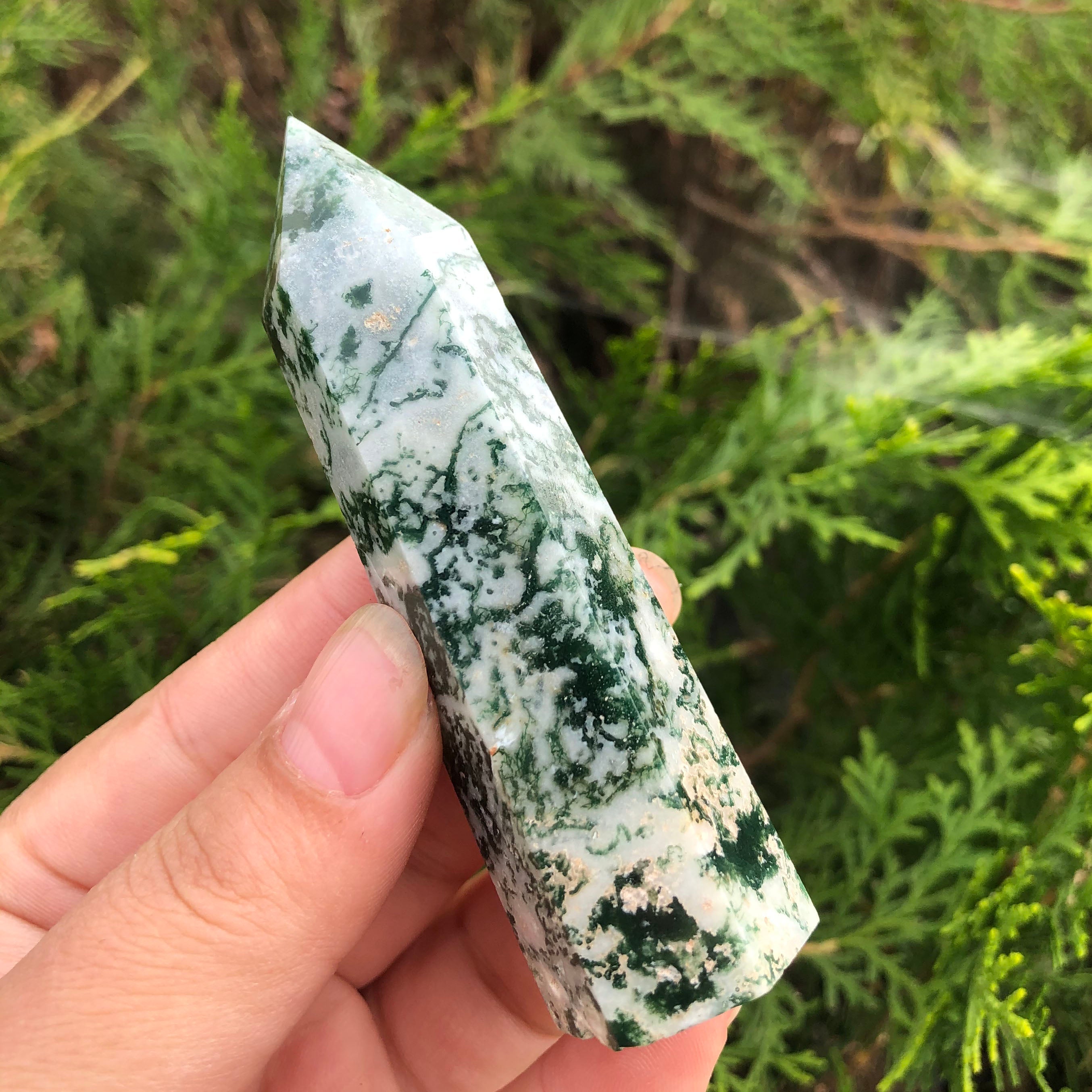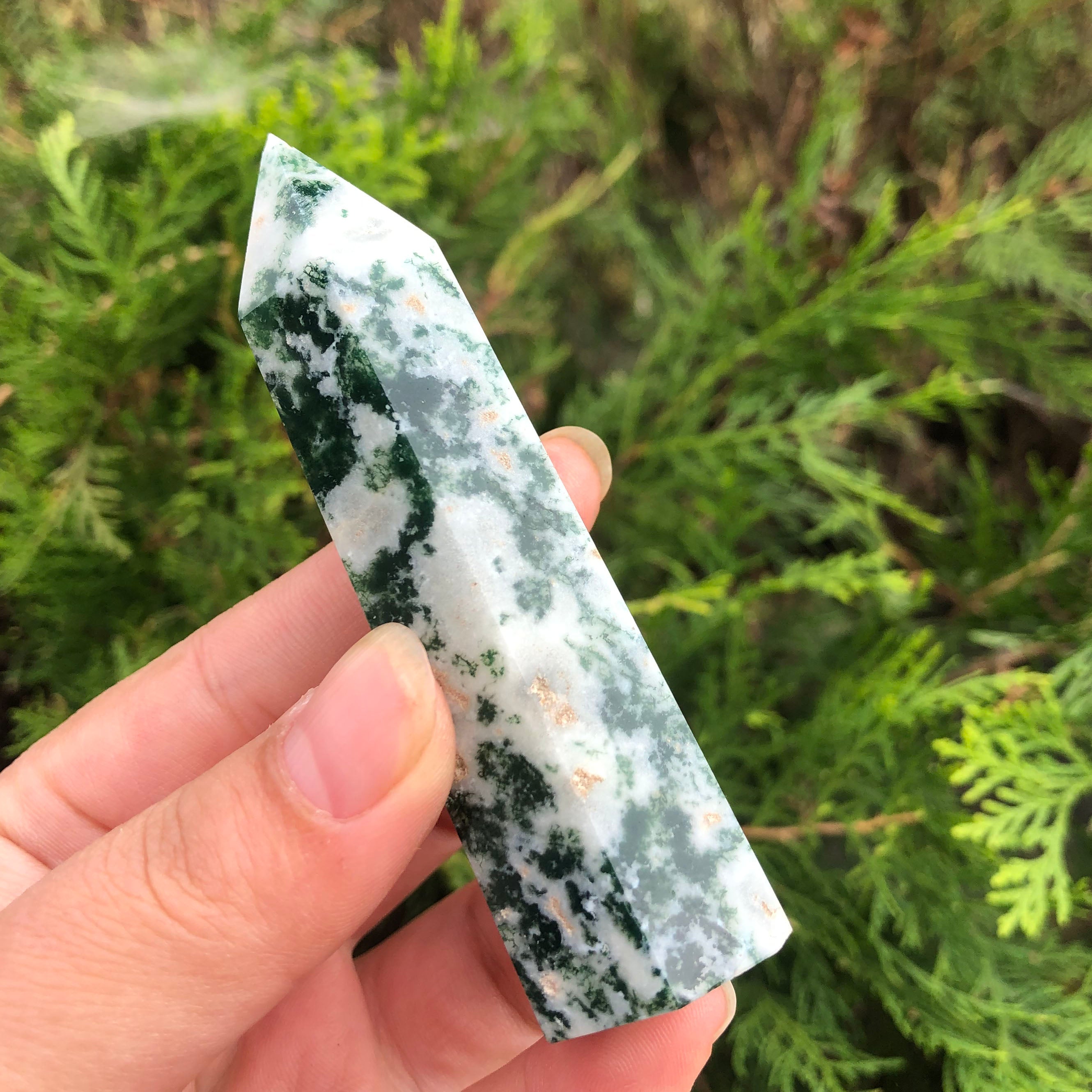
For avid mineral collectors and spiritual seekers alike, few specimens capture the raw beauty of nature quite like Horse Canyon Moss Agate. Renowned for its breathtaking, scenic inclusions that often resemble miniature forests or underwater landscapes, this unique variety of chalcedony is a prized addition to any collection. While many are familiar with the general category of moss agates, the specific moss agate origin and distinct characteristics of the Horse Canyon variety set it apart as a true geological gem.
In this comprehensive guide, we will explore the fascinating history, geological formation, and unique moss agate features that define this stone. whether you are looking to master crystal identification or simply wish to understand the metaphysical value of this grounding stone, you will discover why Horse Canyon Moss Agate continues to captivate enthusiasts worldwide.
Where is Horse Canyon Moss Agate Found?
The story of this stone begins in the rugged terrains of North America. Horse Canyon Moss Agate is primarily sourced from the Horse Canyon area in the Tehachapi Mountains of Kern County, California. This specific locality is famous among rockhounds for producing agates with exceptionally clear chalcedony bodies containing distinct green, moss-like inclusions.
Unlike river-tumbled stones found in other regions, agates from Horse Canyon are often excavated from hard rock deposits. The geological conditions in this high-desert region allowed for the slow percolation of silica-rich waters into cavities within the host rock. Over millions of years, mineral impurities such as iron, manganese, and chlorite crystallized within the silica gel, creating the signature "moss" patterns that give the stone its name.

Distinct Features and Identification
Identifying Horse Canyon Moss Agate requires a keen eye for detail. While it shares the general chemical composition of silicon dioxide (SiO2) with other agates, its aesthetic profile is unique. The primary factor in moss agate identification for this variety is the clarity of the background stone paired with the density and color of the inclusions.
Visual Characteristics
- Transparency: High-quality specimens often feature a translucent to nearly transparent clear or milky-white base. This clarity allows light to penetrate the stone, illuminating the internal structures.
- Inclusions: The "moss" is typically a vibrant to dark green, though it can sometimes appear brownish or reddish depending on oxidation. The filaments are often fine and delicate, creating "scenic" patterns that look like 3D landscapes.
- Absence of Banding: Unlike traditional banded agates (like Botswana or Blue Lace Agate), moss agates generally lack concentric banding. The focus is entirely on the dendritic inclusions.
For a deeper dive into what makes this stone visually distinct and how it compares to other varieties on the market, watch the video below.
Comparing Moss Agate Varieties
To truly appreciate the unique moss agate features of the Horse Canyon type, it helps to compare it with other famous localities:
| Variety | Origin | Key Visual Distinction |
|---|---|---|
| Horse Canyon | California, USA | Clear base with distinct, often grassy-green, scenic filaments. |
| Montana Agate | Yellowstone River, USA | Typically features black or brown dendrites and spots, less often green. |
| Indian Moss Agate | India | Often opaque with dense, dark green mottling; less transparency than Horse Canyon. |
Understanding these differences is crucial for crystal identification and ensuring you are purchasing an authentic specimen. Authentic Horse Canyon pieces are often sought after for their specific "landscape" aesthetics which are highly prized by lapidary artists.
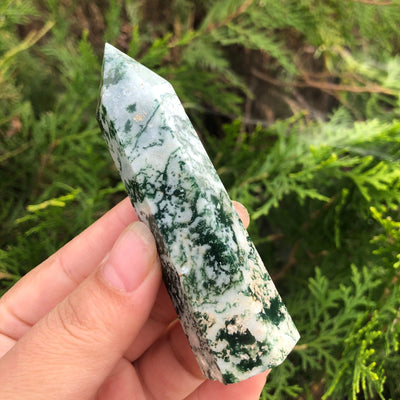
Moosachat-Kristallturm für Energieausgleich
$49.99 $59.99
Enhance your crystal collection with this polished Moss Agate tower, perfect for highlighting Horse Canyon’s unique patterns.
Explore ProductMetaphysical Properties and Healing Energy
Beyond its physical beauty, Horse Canyon Moss Agate is revered in the spiritual community for its potent energy. Often called the "Gardener's Stone," it is deeply connected to the energy of the Earth. Enthusiasts use this moss agate crystal to foster a sense of stability and balance.
The moss agate healing properties associated with this variety include:
- Grounding: It is believed to help stabilize the aura, eliminating and transforming negative energies.
- New Beginnings: Just as it resembles flourishing vegetation, it is often used to manifest growth, fertility, and abundance.
- Emotional Balance: Practitioners use it to release fear and stress, encouraging a sense of trust and hope.
For those interested in the scientific perspective of mineral formation, resources like Mindat.org provide extensive data on the mineral composition of chalcedony varieties found in California.

Value and Rarity in the Market
When discussing moss agate value, provenance plays a significant role. While generic moss agate is relatively abundant and affordable, authentic Horse Canyon Moss Agate is considered rarer. The specific mines and collection sites in California are not as prolific as the massive commercial deposits found in India or Brazil.
Collectors value these stones based on the "scene" trapped inside. A cabochon that clearly depicts a "forest," "meadow," or "seascape" within the clear quartz will command a significantly higher price than a piece with cloudy inclusions or fractures. The scarcity of old-stock material from the original Horse Canyon veins has driven up interest and value among serious mineral collectors.
Additionally, the demand for moss agate varieties has surged with the popularity of "cottagecore" and nature-inspired jewelry aesthetics. However, discerning buyers should always verify the origin if paying a premium for the Horse Canyon label.

Enhance Your Collection with Agate

Kraft- und Mut-Achatpyramide – Meditationsakzent
$49.99
$59.99
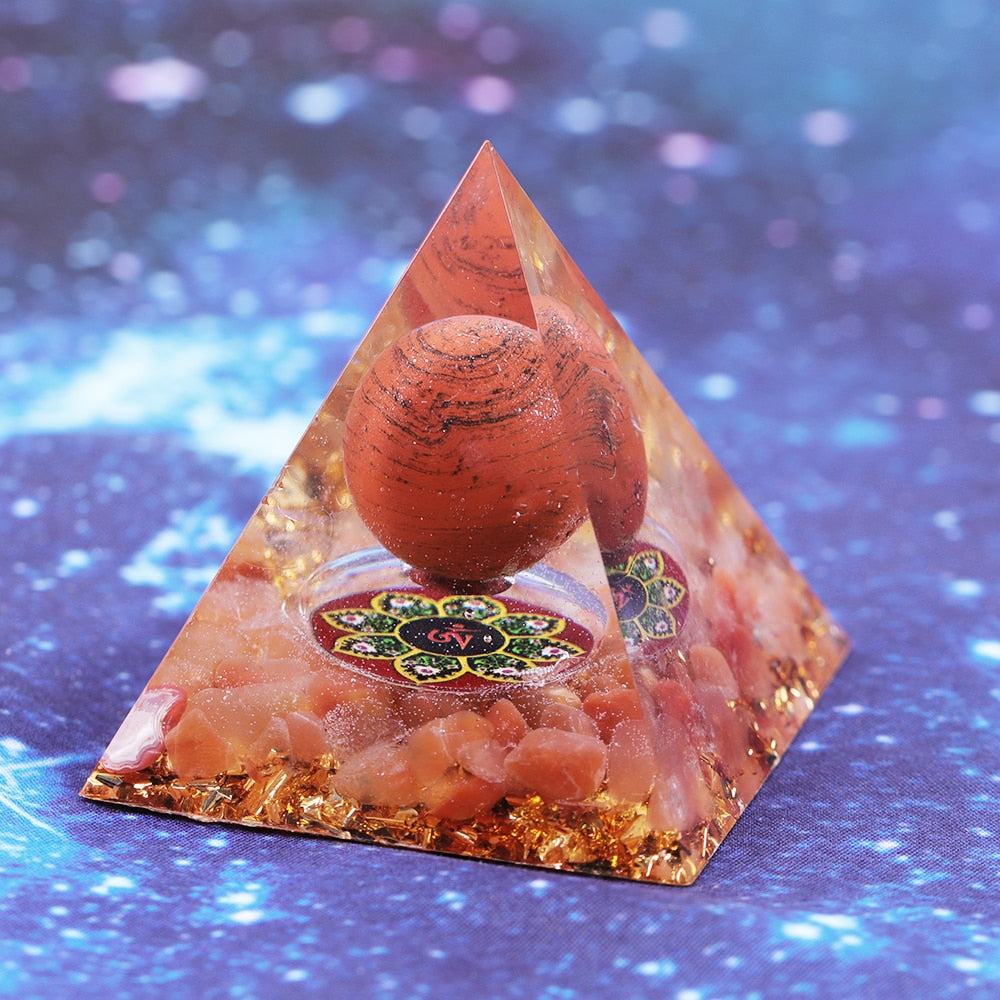
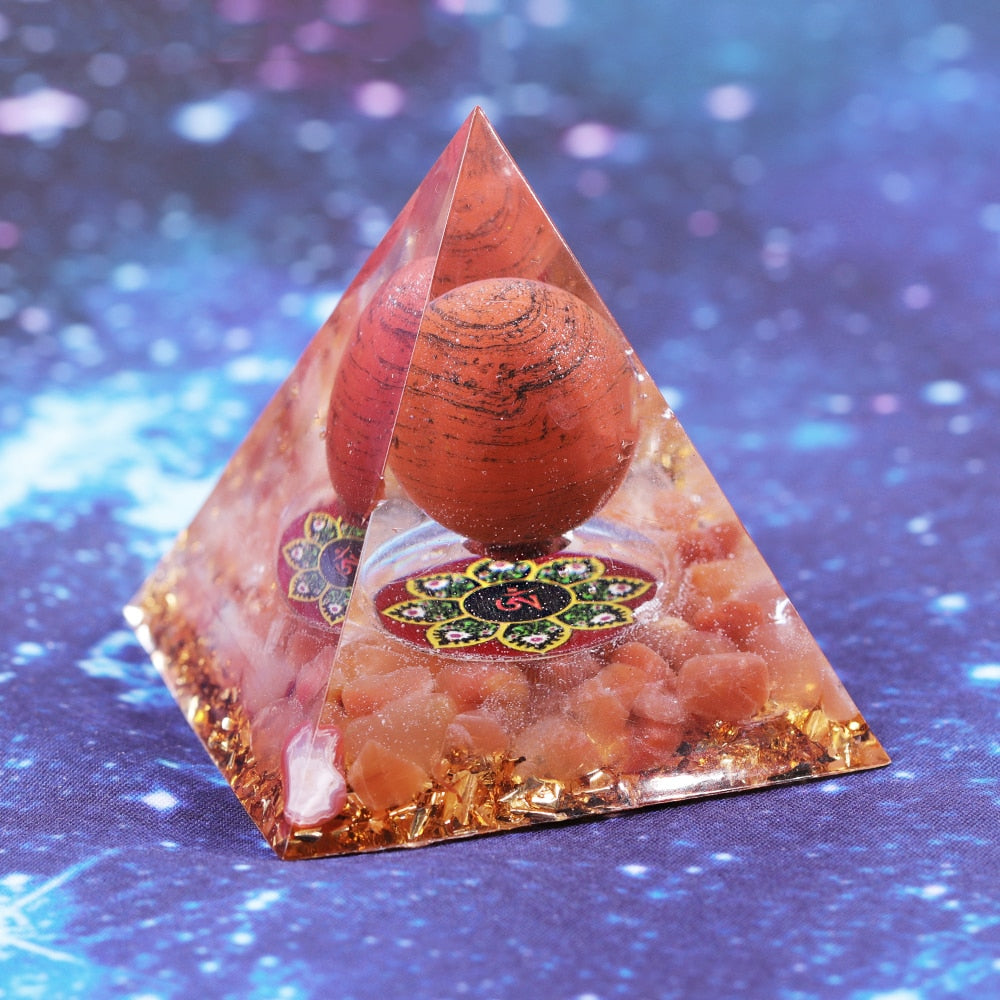
Explore agate’s grounding power with this vibrant Red Agate pyramid, ideal for meditation and crystal identification practice. Learn more ➔

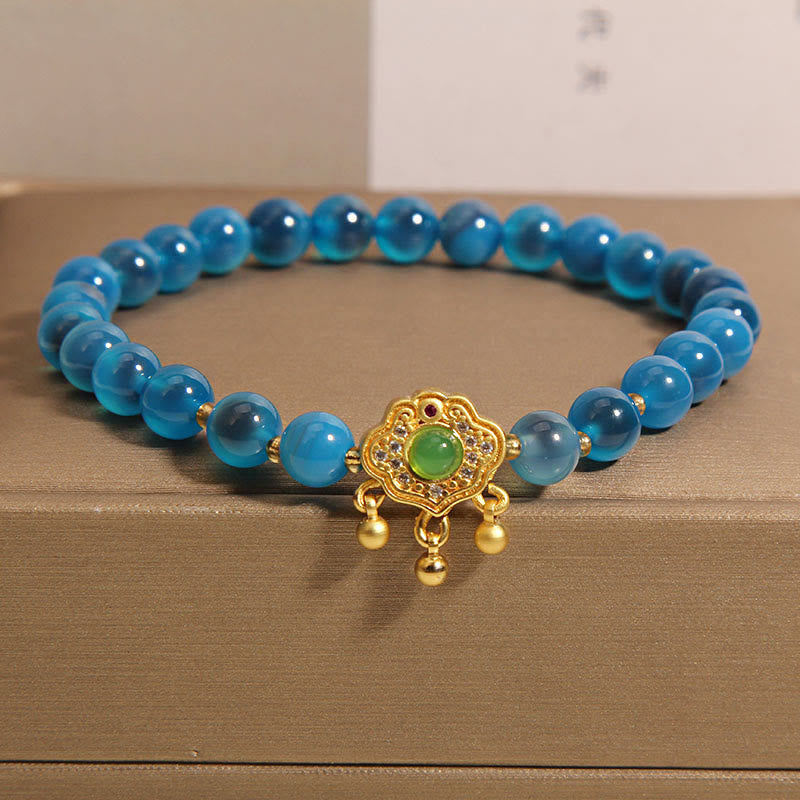
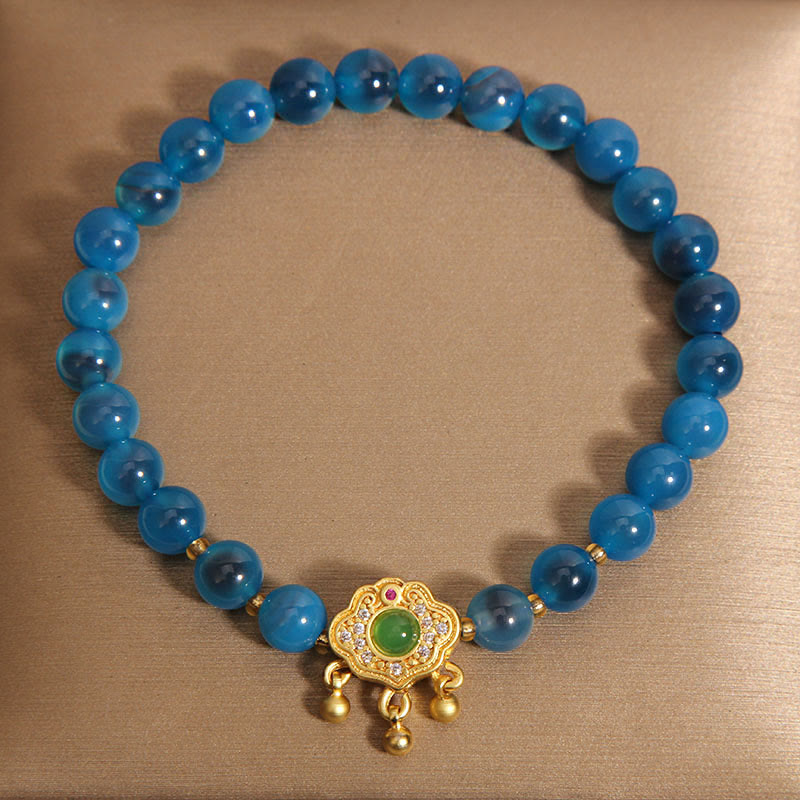
Wear this vivid agate bracelet for daily support—its unique blue moss agate beads make a dazzling collectible accent. Learn more ➔
Conclusion
Horse Canyon Moss Agate offers a unique window into the geological history of California and a stunning aesthetic that appeals to both mineral collectors and spiritual practitioners. Its distinct clarity, scenic green inclusions, and grounding energy make it a standout member of the chalcedony family. Whether you are valuing a specimen for its rarity or using it for meditation, this agate serves as a beautiful reminder of nature's artistry.
If you are looking to expand your knowledge of minerals, trusted organizations like the International Gem Society offer excellent guides on agate grading and identification.
Frequently Asked Questions about Horse Canyon Moss Agate
Horse Canyon Moss Agate is a variety of chalcedony found in the Tehachapi Mountains of California. It is characterized by its clear to milky body containing green, moss-like mineral inclusions, creating scenic patterns revered by collectors.
The primary difference lies in its clarity and inclusion color. Horse Canyon Agate typically has a clearer background with distinct green filaments, unlike Montana Agate which often features black/brown dendrites, or Indian Moss Agate which is often denser and more opaque.
It is found in the Horse Canyon area within the Tehachapi Mountains of Kern County, Southern California. It is a specific locality that distinguishes it from other "moss" agates found globally.
Metaphysically, it is known as a stone of new beginnings and stability. It is believed to refresh the soul, aid in reducing sensitivity to weather and environmental pollutants, and attract abundance and self-esteem.
Yes, it is considered more valuable and rarer than common moss agates. Due to limited supply from the original California location and high demand for specimens with "scenic" landscape patterns, high-quality pieces can fetch premium prices.