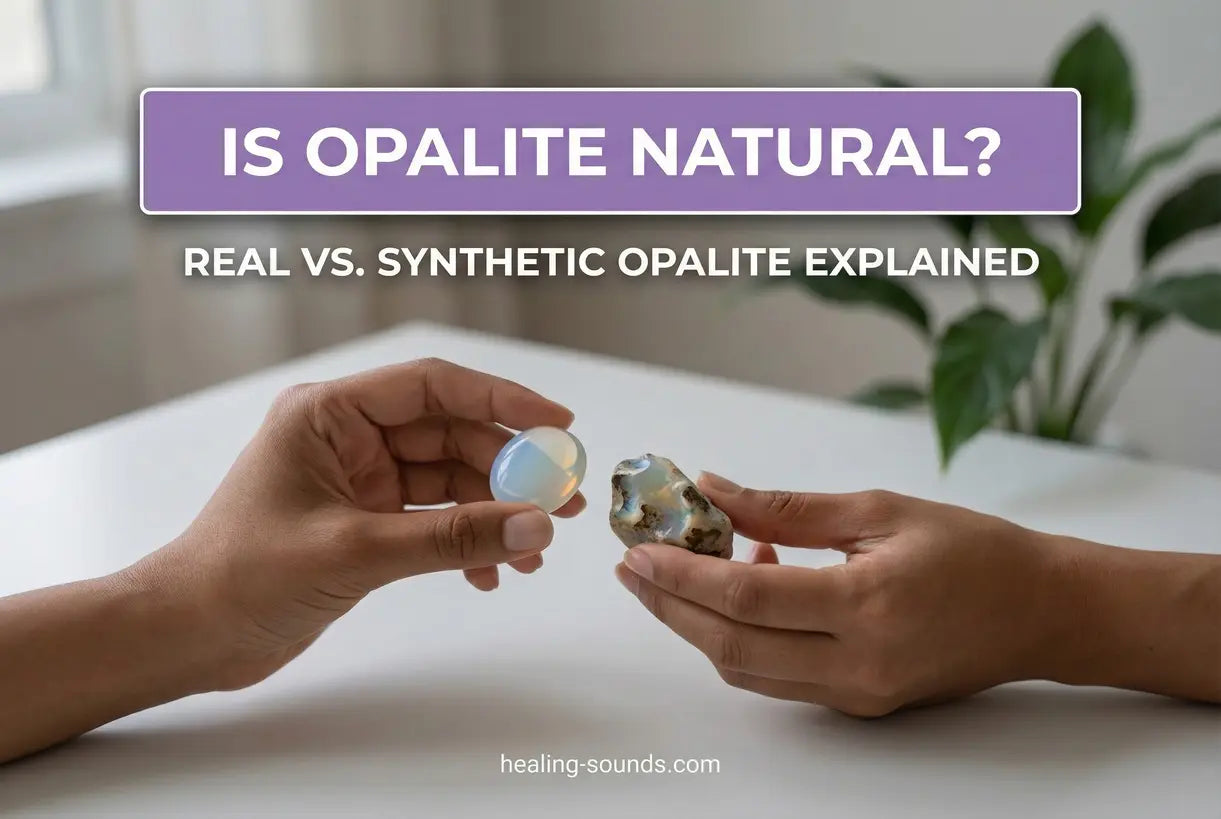
For spiritual seekers and crystal collectors alike, the term natural opalite often causes confusion. You may have stumbled upon a luminous, milky-blue stone in a shop and wondered: Is this a gift from the earth, or is it man-made? The answer is nuanced and essential for anyone looking to use this stone for healing or meditation.
While the market is flooded with synthetic opalite—a beautiful, opalescent glass—there is a distinct difference between this popular material and genuine geological specimens. Understanding whether you are holding natural opalite or a synthetic creation helps you align your intentions and expectations. In this guide, we will explore the truth about these stones, how to distinguish real vs. synthetic opalite, and the unique white opalite meaning that persists regardless of its origin.
Is Natural Opalite a Real Stone?
The short answer is: Yes and No. It depends entirely on what you are referring to. In the world of geology, there is a stone known as "common opal" or "impure opal" that is sometimes referred to as opalite. However, 99% of the "opalite" sold in crystal shops, jewelry stores, and online marketplaces is synthetic opalite.
Synthetic opalite is a man-made glass resin, often infused with dolomite or metal to create an iridescent, milky glow. While it is not a natural crystal, it is beloved for its aesthetic beauty and its ability to interact with light. Conversely, natural opalite (in geological terms) usually refers to a type of common opal that lacks the "fire" or play-of-color found in precious opal. It often looks like a waxy, opaque stone and is rarely blue.
- Synthetic Opalite: Man-made glass, translucent, milky blue/orange glow, flawless.
- Natural Opalite (Common Opal): Mined from the earth, opaque, waxy luster, usually green, purple, or mottled.
The Confusion Between Opal and Opalite
Many beginners confuse opal and opalite. Opal is a hydrated amorphous form of silica, formed over millions of years in rock fissures. It is a natural mineraloid. Opalite, as it is commonly known in the trade, is merely glass. The confusion arises because synthetic opalite is designed to mimic the inner glow (opalescence) of high-quality moonstone or opal, but without the natural flaws or the high price tag.


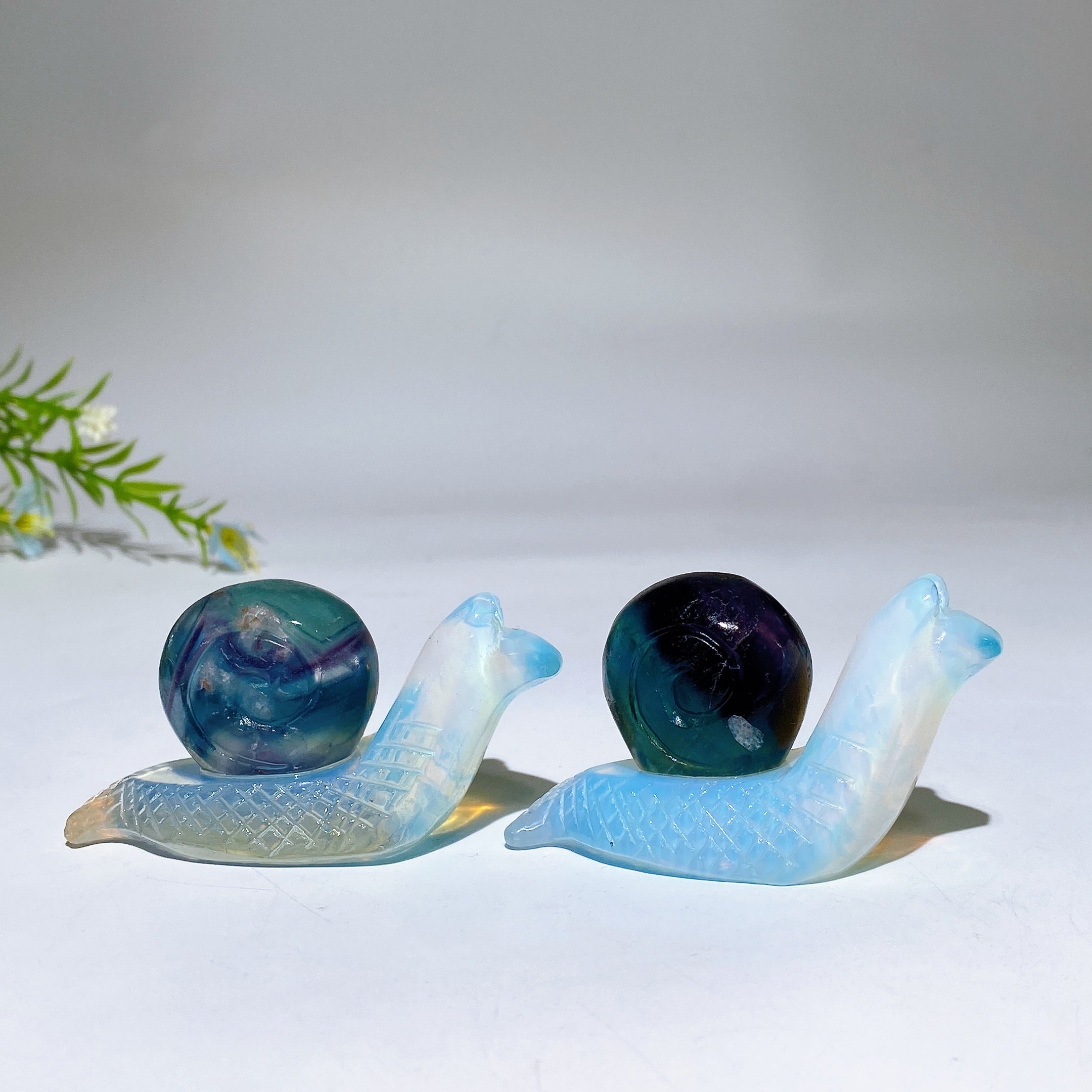
Opalit- und Fluorit-Schneckenkristallfigur, 6,3 cm
$33.90 $43.90
Add gentle opalite energy to your decor with this hand-carved figurine, perfect for clarity and crystal education.
Explore ProductHow to Tell if Opalite is Natural or Synthetic
If you are looking to identify is opalite natural or manmade, there are several visual cues you can look for. Synthetic opalite is extremely consistent, whereas natural stones almost always carry the chaotic fingerprints of nature.
1. The Bubble Test
Because synthetic opalite is made of glass, it often contains tiny air bubbles trapped during the manufacturing process. If you look closely (sometimes a magnifying glass helps) and see perfectly round bubbles, you are holding man-made glass. Natural opalite or common opal will never have air bubbles; instead, it may have fractures, inclusions, or surrounding matrix rock.
2. The Tyndall Effect (Color Change)
One of the defining features of milky opalite (the synthetic kind) is the Tyndall effect. When you place it against a dark background, it appears a cool, glowing blue. When you hold it up to the light, it turns a warm, amber-orange color. While some natural moonstones exhibit a similar phenomenon (adularescence), the effect in synthetic opalite is highly uniform and intense. Natural opalite (common opal) generally does not change color based on the background; it remains the same mossy or creamy color.
3. Temperature and Feel
Glass warms up quickly in the hand. Natural crystals often remain cool to the touch for longer. While this test is subjective, experienced collectors can often feel the difference between the density of opalite quartz (a misleading trade name for glass) and genuine quartz or opal.

White Opalite Meaning and Spiritual Benefits
Does the fact that it is man-made mean it has no energy? Not necessarily. Many crystal healers believe that white opalite carries a distinct vibrational frequency, largely due to its color and its ability to manipulate light.
The white opalite meaning is centered around clarity, transition, and unblocking stagnant energy. It is often used as a stone of new beginnings. In chromotherapy (color therapy), the blue and white hues are associated with the Throat Chakra and the Third Eye, promoting communication and insight.
Is White Opalite Real in Healing?
While physically synthetic, users often report that milky opalite helps to stabilize mood swings and overcome fatigue. It is popular in meditation because its gentle, soothing glow helps quiet the mind. Whether you prefer natural opalite for its grounding earth energy or synthetic opalite for its uplifting light energy depends on your personal intuition and needs.
Enhance Your Space with Opalite

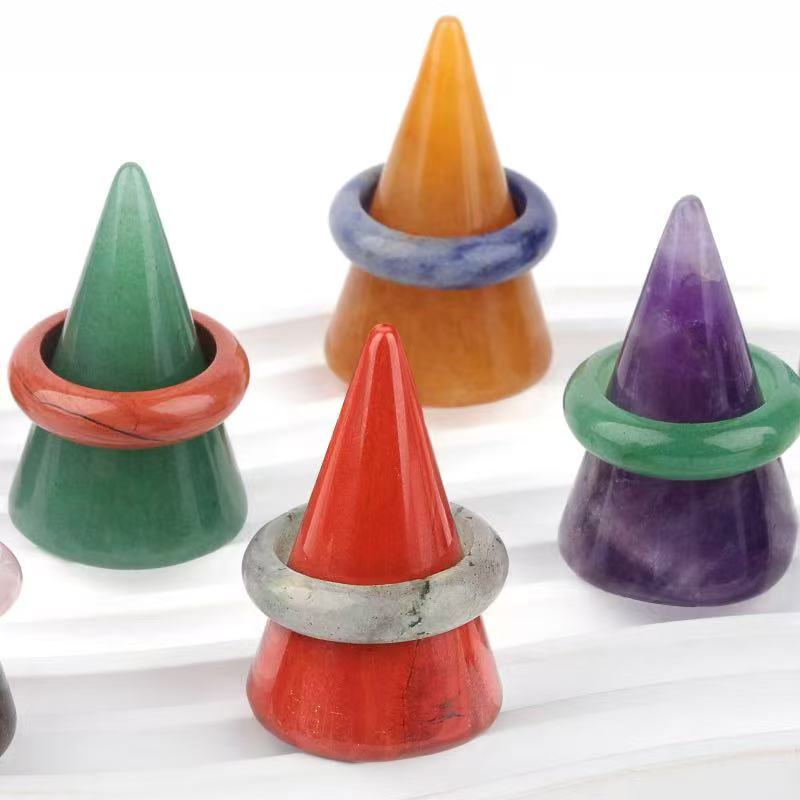
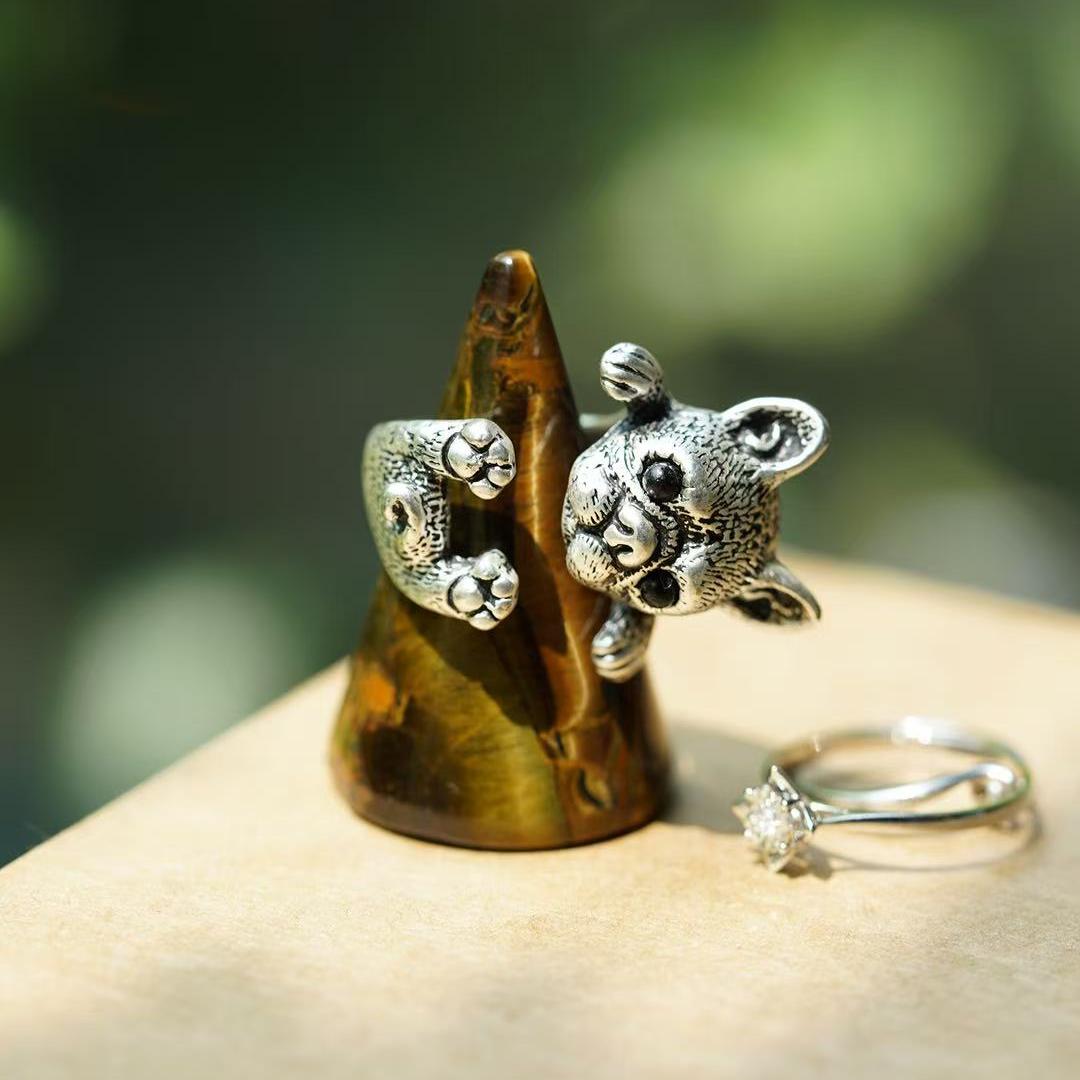
4 cm Kristall-Ringhalter für Heilenergie und Dekoration
$17.90
$22.90
Showcase your opalite jewelry and invite uplifting vibes into your ritual space with this beautiful crystal ring holder. Learn more ➔

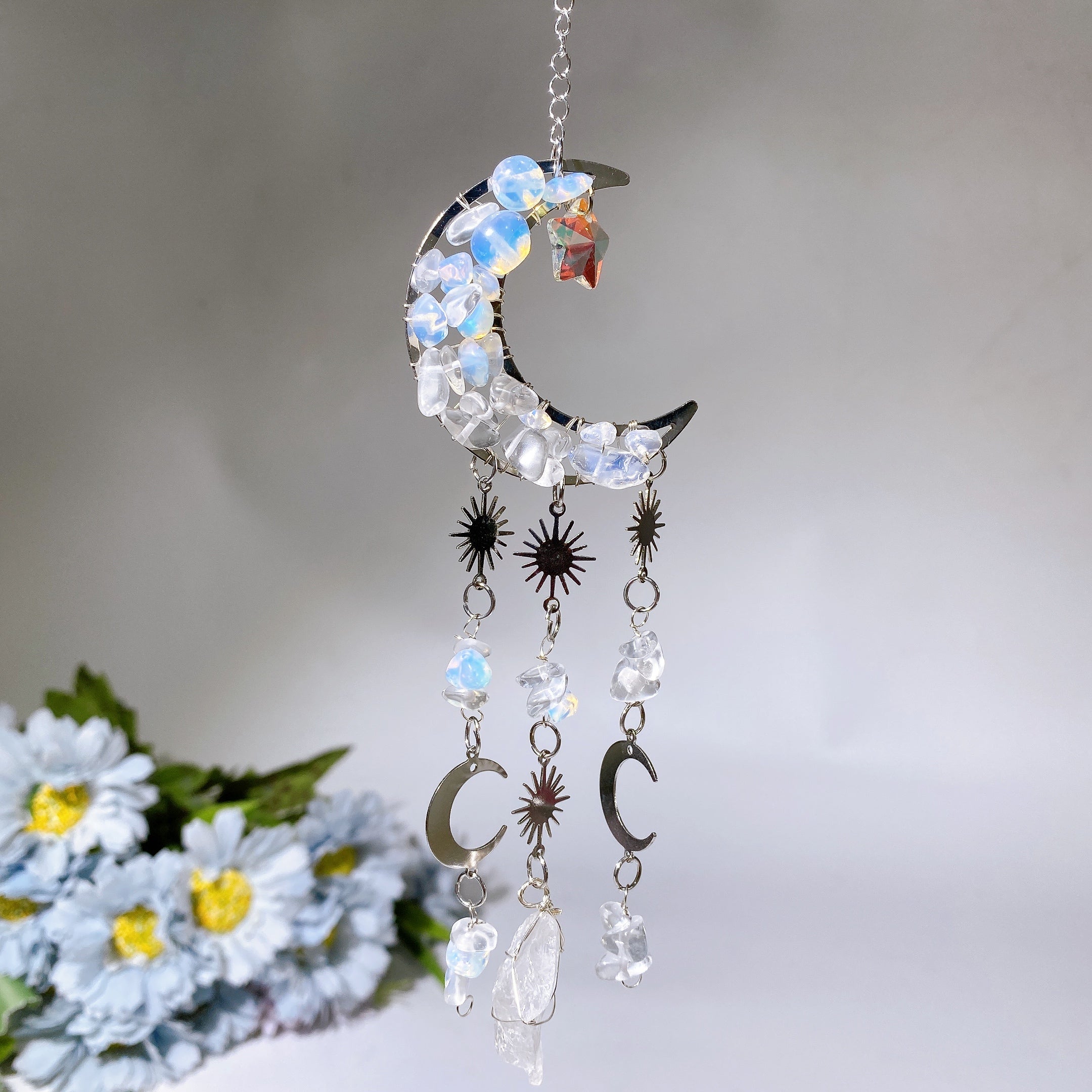
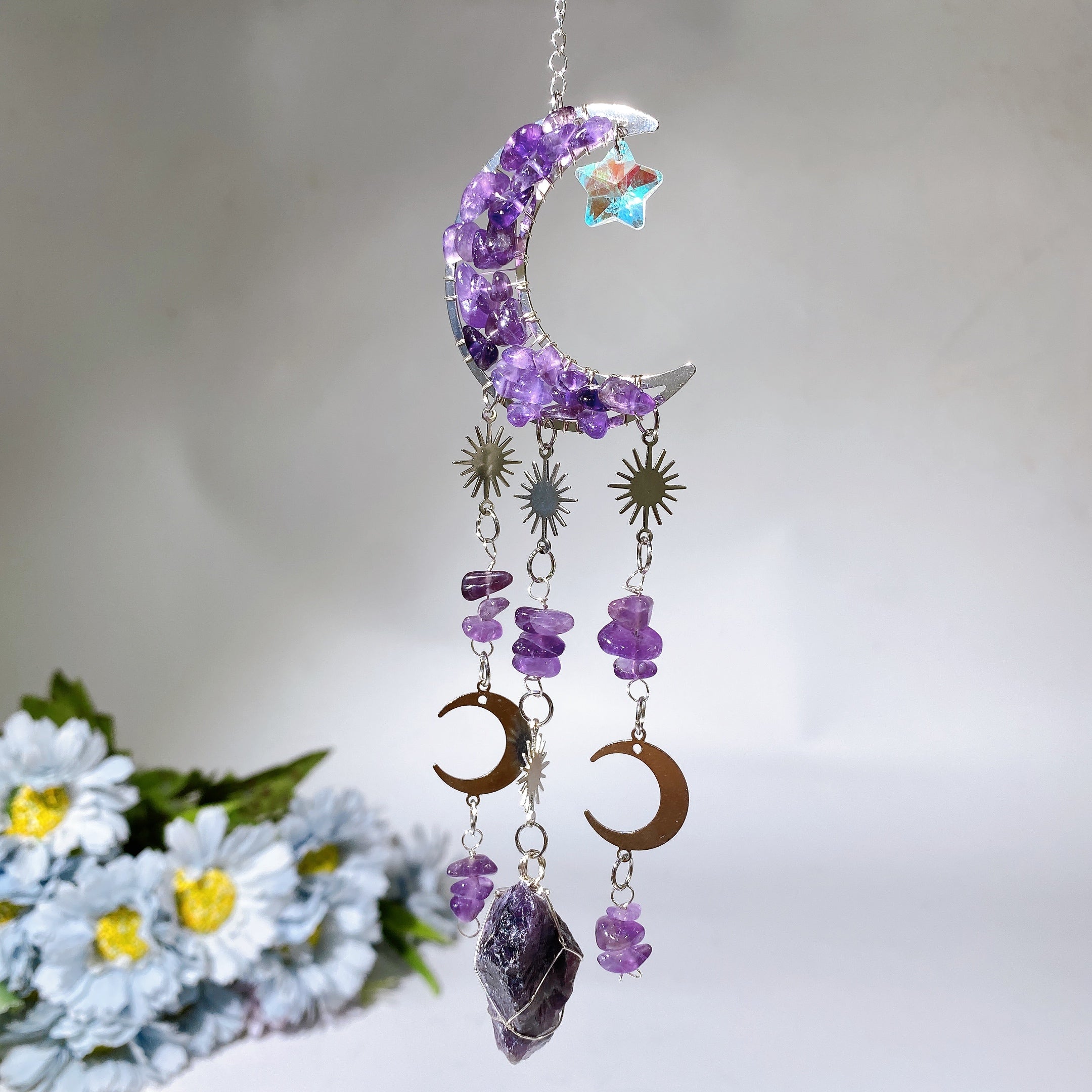
Illuminate your space with an opalite moon suncatcher that highlights the stone’s synthetic beauty and spiritual symbolism. Learn more ➔
Common Misconceptions: Opalite Quartz and Moonstone
You may see items labeled as opalite quartz or "sea opal." These are marketing terms designed to make the synthetic glass sound more valuable. Is white opalite real quartz? No. Quartz is a silicate mineral; opalite is amorphous glass. Similarly, while opalite mimics the sheen of moonstone, they are chemically distinct. Moonstone is a natural feldspar mineral, while opalite is a creation of human ingenuity.

Conclusion
Ultimately, the choice between natural opalite (common opal) and synthetic opalite (iridescent glass) comes down to personal preference. If you are seeking an earth-mined mineral with grounding properties, look for "common opal" and avoid the translucent blue stones. However, if you are drawn to the ethereal glow, emotional clarity, and playful energy of the man-made variety, embrace it for what it is. Both have their place in a holistic collection, provided you know exactly what you are purchasing.
Frequently Asked Questions about Natural and Synthetic Opalite
Yes and no. Geologically, "opalite" can refer to natural common opal, which is a real stone mined from the earth. However, the milky, iridescent blue stone most commonly sold as "opalite" is a man-made synthetic glass.
Opal is a natural hydrated silica mineraloid formed in the earth over millions of years. Synthetic opalite is man-made glass. Natural opal usually has a higher value and distinct "fire" or play-of-color, whereas synthetic opalite has a uniform glow.
Check for bubbles; synthetic glass opalite often has tiny air bubbles, while natural stone does not. Also, check the color: synthetic opalite glows blue against dark backgrounds and orange against light (Tyndall effect), while natural common opal is usually opaque and does not change color.
White opalite is often associated with clarity, removing energy blockages, and assisting in transitions. It is believed to improve communication and stabilize mood swings, making it a popular stone for meditation despite being man-made.
Yes, synthetic opalite is very popular in jewelry because of its durability, affordability, and attractive luminescence. It is often cut into beads, cabochons, and pendants.