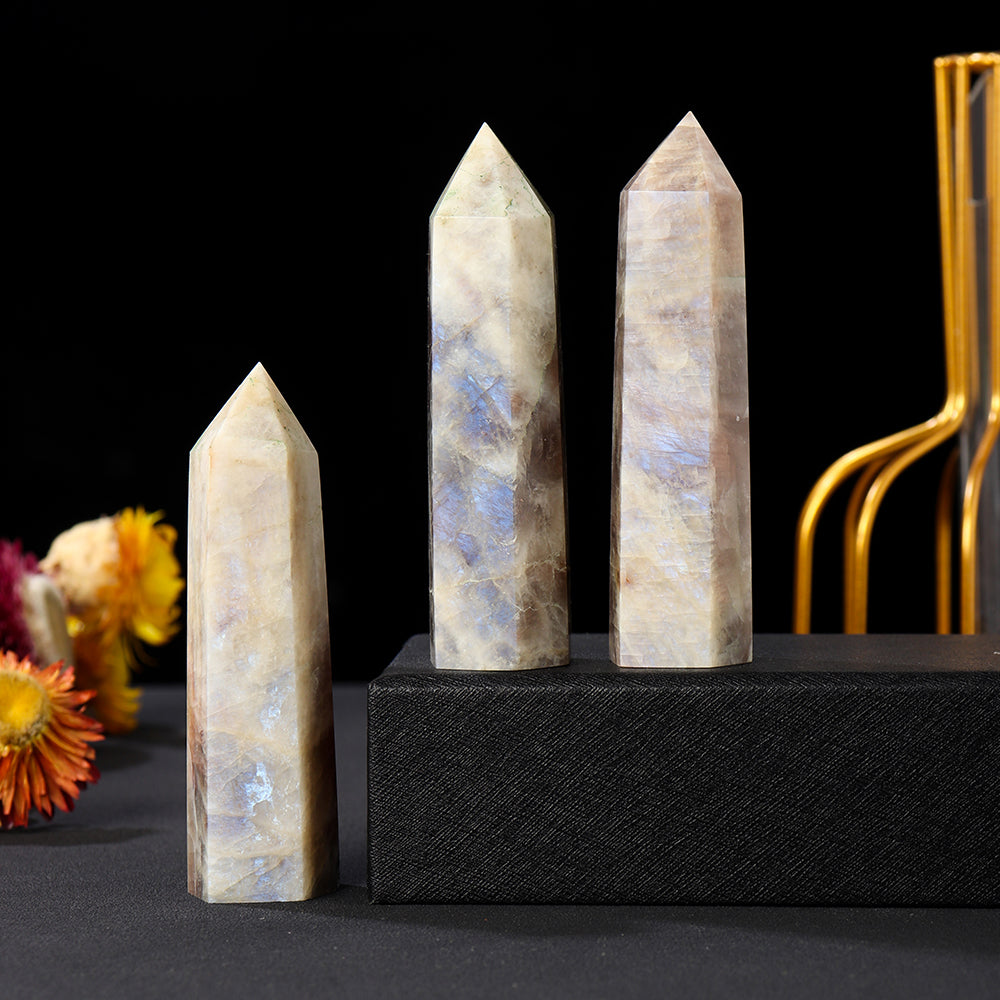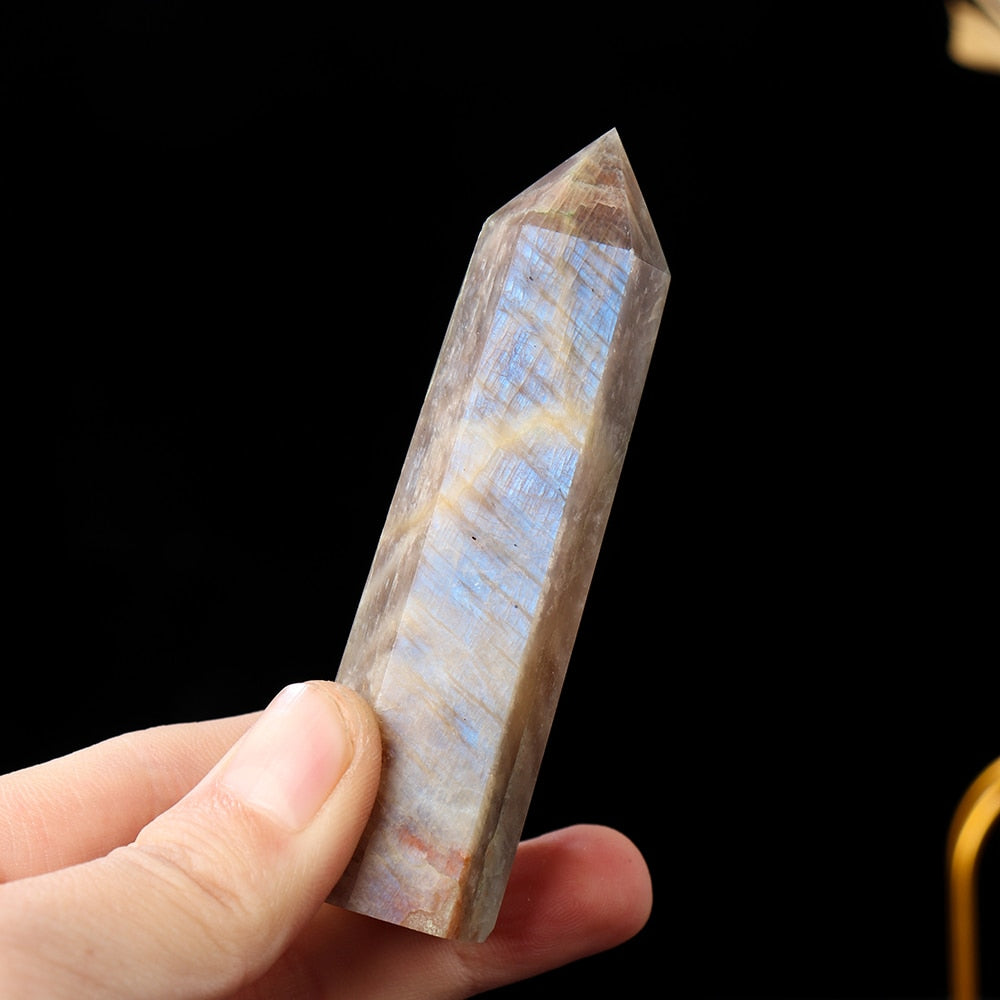
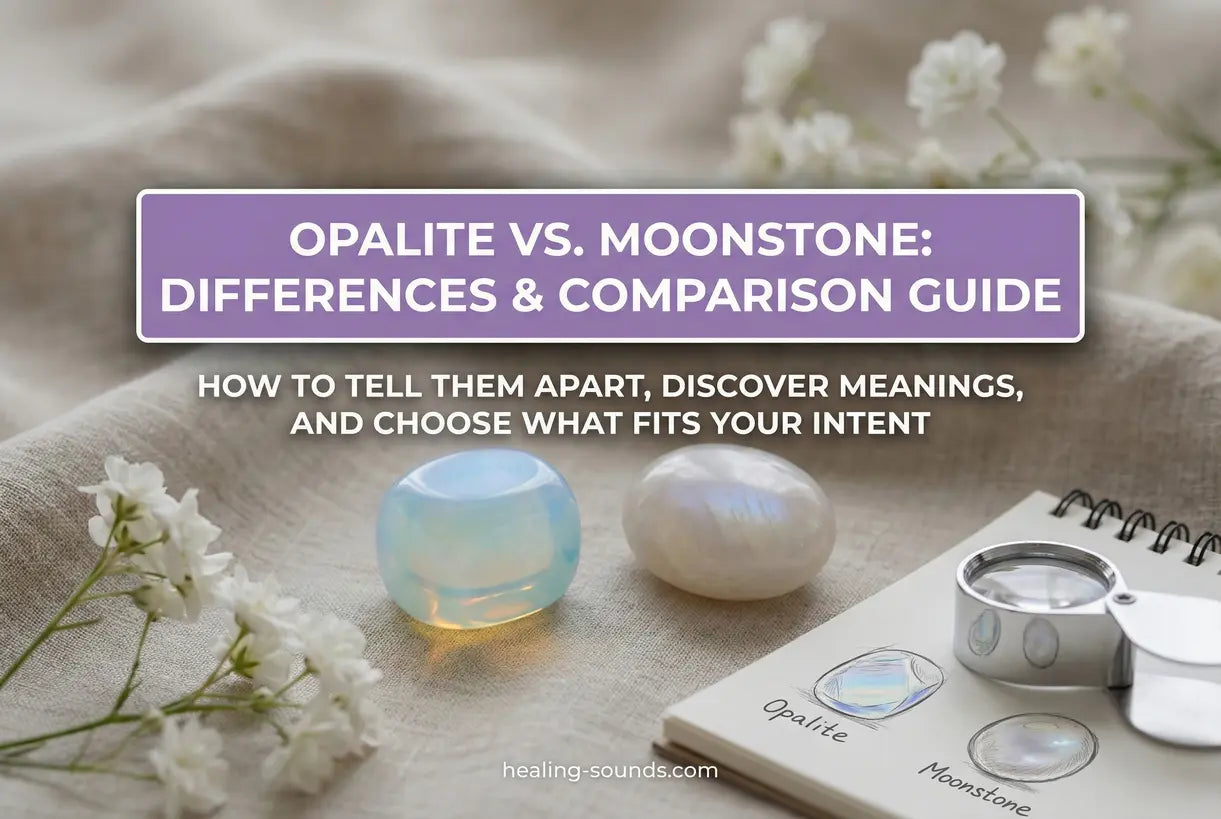
For any crystal enthusiast or jewelry lover, the ethereal glow of milky, iridescent stones is captivating. Two stones, in particular, often spark confusion and curiosity: opalite and moonstone. While they may share a similar dreamy aesthetic, they differ vastly in origin, energy, and value. Are you drawn to the natural, lunar connection of moonstone, or does the vibrant, playful energy of opalite call to you? Understanding the difference between opalite and moonstone is essential for making the right choice for your spiritual practice and jewelry collection.
In this guide, we will explore the unique characteristics of each stone. We will compare their physical properties, dive deep into the moonstone meaning versus the opalite meaning, and help you determine which gem resonates with your personal journey.
The Core Difference: Natural vs. Man-Made
The most significant distinction when comparing opalite vs moonstone lies in their creation. This fundamental difference dictates their price, energetic vibration, and physical durability.
Moonstone: A Gift from the Earth
Moonstone is a naturally occurring mineral from the feldspar family, specifically orthoclase. It is mined from the earth in locations such as Sri Lanka, India, and Australia. Its famous shimmer, known as adularescence, is caused by light scattering between microscopic layers of feldspar within the stone. This natural formation means every piece of moonstone is unique, often containing internal fractures, inclusions, or "centipedes" that prove its authenticity.

Opalite: The Art of Glass
Contrary to what the name might suggest, opalite is not a natural gemstone. It is a man-made opalescent glass, sometimes infused with dolomite to create its luster. While it is crafted in a lab, this doesn't negate its beauty. Opalite is celebrated for its flawless appearance and consistent, milky translucence. Because it is manufactured, it lacks the natural inclusions found in moonstone, offering a perfect, bubble-free clarity that many find appealing for modern jewelry.
- Moonstone: Natural mineral, contains inclusions, varies in transparency.
- Opalite: Man-made glass, flawless, consistent milky color.
Visual Identification: How to Tell Them Apart
Identifying the difference between opalite and moonstone visually is easier than you might think once you know what to look for. While both hold a mysterious glow, their reaction to light is quite different.
The "Schiller" of Moonstone
Real moonstone displays a phenomenon called adularescence—a floating blue or white light that seems to move across the surface of the stone as you turn it. This sheen usually appears 'beneath' the surface. Furthermore, natural moonstone often has a pearly luster and may show layers or minor cracks within the stone, which are hallmarks of its natural growth.

The "Glow" of Opalite
Opalite has a very distinct optical effect. When placed against a dark background, it glows a luminous blue. However, if you hold it up against a white background or let light pass through it, it often turns a warm, amber or peach color. This dramatic color shift is a key identifier. Additionally, opalite will occasionally contain small air bubbles, a remnant of the glass-making process, which you will never find in natural moonstone.
Metaphysical Meanings and Healing Properties
For those using crystals for healing, the choice between opalite and moonstone often comes down to the specific energy they wish to invite into their lives.
Moonstone Meaning: Intuition and Cycles
Moonstone is deeply connected to the moon and the divine feminine. It is known as the "Stone of New Beginnings." Its energy is soothing, reflective, and connected to biological rhythms and cycles. It is widely used to enhance intuition, promote emotional stability, and support women during times of hormonal change or pregnancy. Meditating with moonstone helps to calm the mind and access inner wisdom.
Opalite Meaning: Joy and Unblocking
Despite being man-made, opalite is highly regarded in the metaphysical community for its high energetic frequency. The opalite meaning centers around joy, playfulness, and emotional release. It is considered a stone of transition, helping to remove energy blockages in the chakras (particularly the Third Eye and Crown). Its uplifting energy is excellent for stabilizing mood swings and overcoming fatigue.

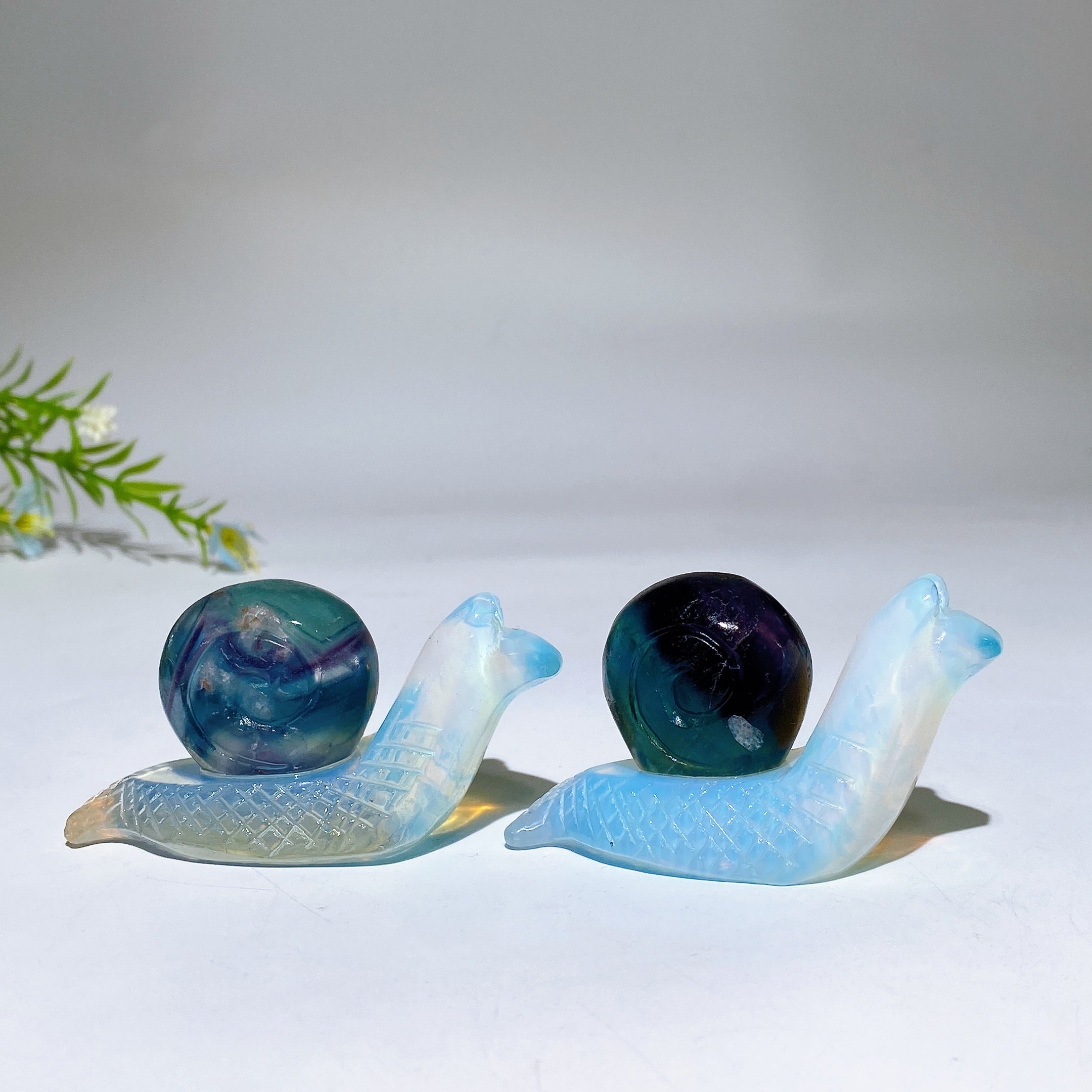
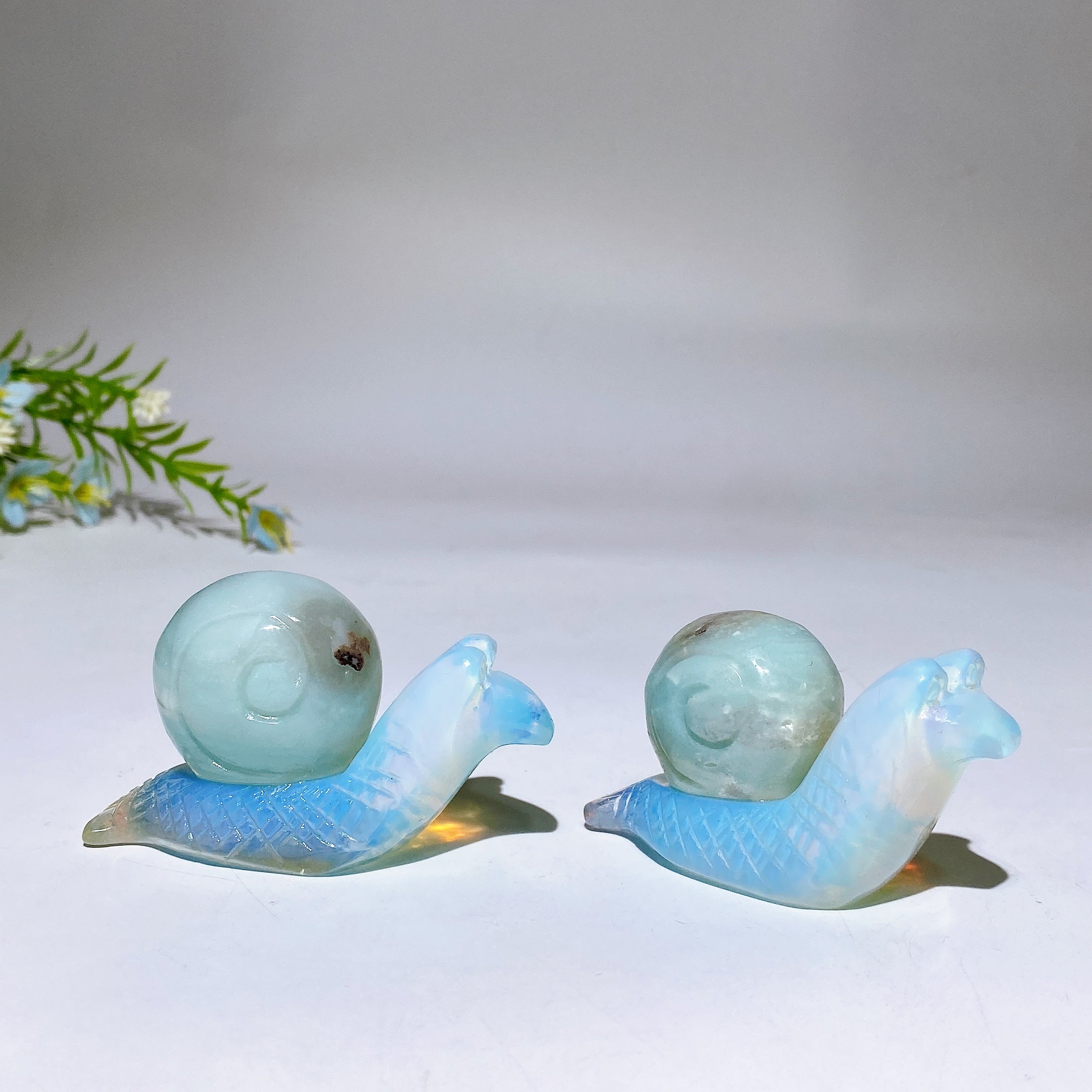
Opalit- und Fluorit-Schneckenkristallfigur, 6,3 cm
$33.90 $43.90
Discover the serene beauty and metaphysical contrast of opalite and moonstone with this calming crystal snail figurine.
Explore ProductWhich Stone is Right for You?
Choosing between opalite or moonstone depends on your intent. If you are seeking a connection to nature, ancient wisdom, and deep emotional healing, moonstone is the superior choice. It is an investment in a natural mineral with a rich history of folklore.
On the other hand, if you are looking for a visually striking, affordable stone that promotes lightness of being and helps clear the mind, opalite is a wonderful companion. Many practitioners use opalite to lift depression and bring a sense of peace to the aura.
For more detailed scientific data on the structure of natural feldspars like moonstone, you can visit reputable sources like Mindat.org.
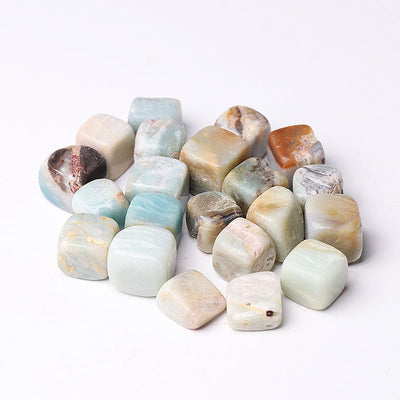
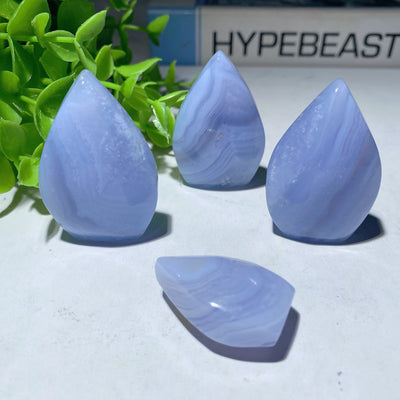
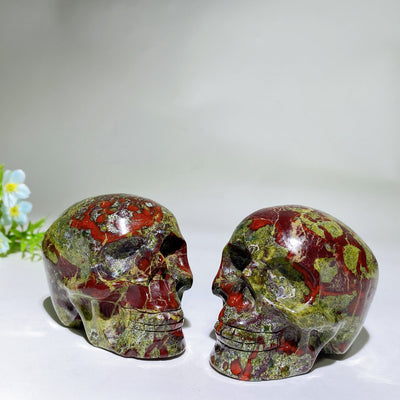
Ultimately, both stones have their place in a balanced collection. You might wear moonstone during a new moon ritual to set intentions, and keep an opalite tumble stone on your desk to maintain high energy and creativity throughout the workday.

Enhance Your Sacred Space

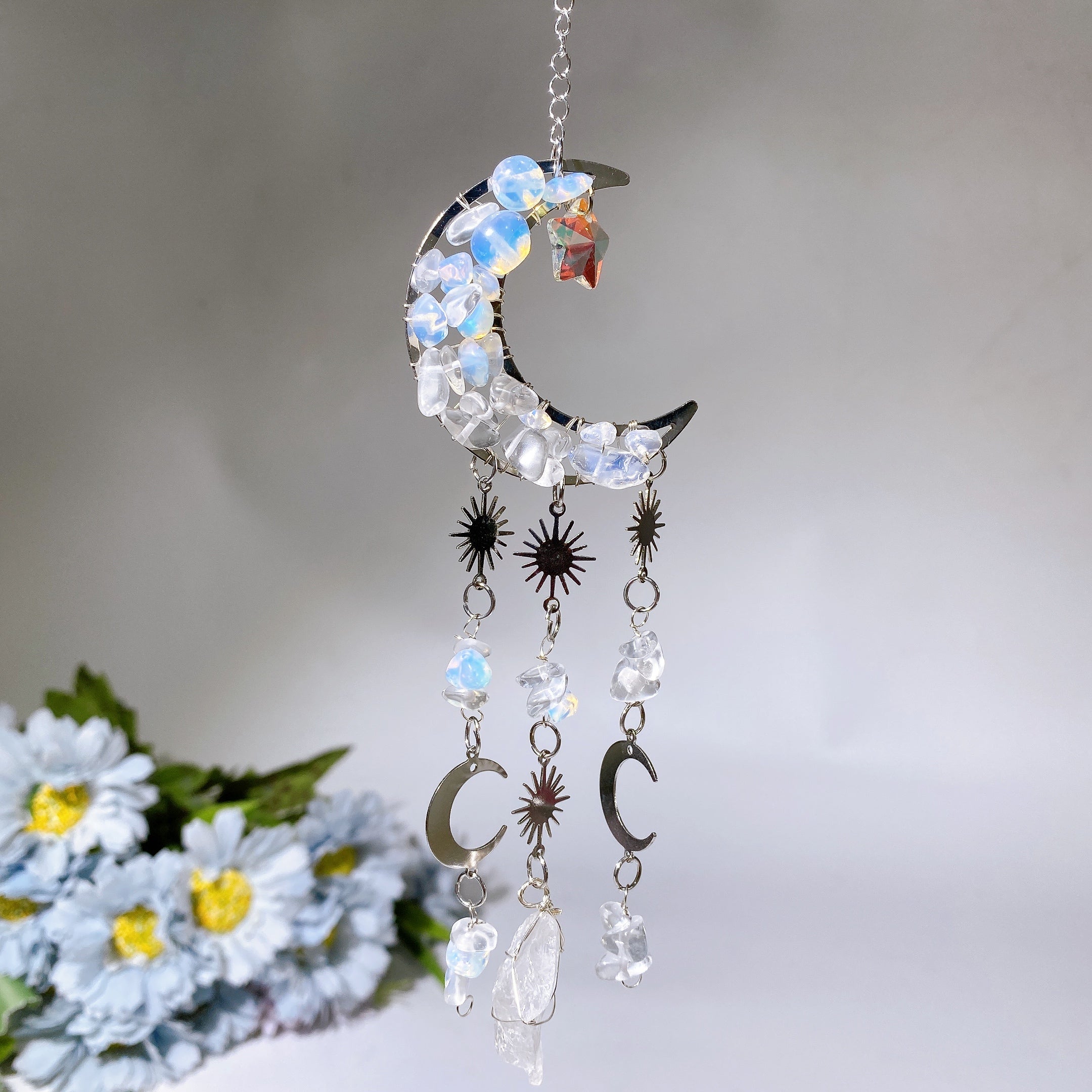
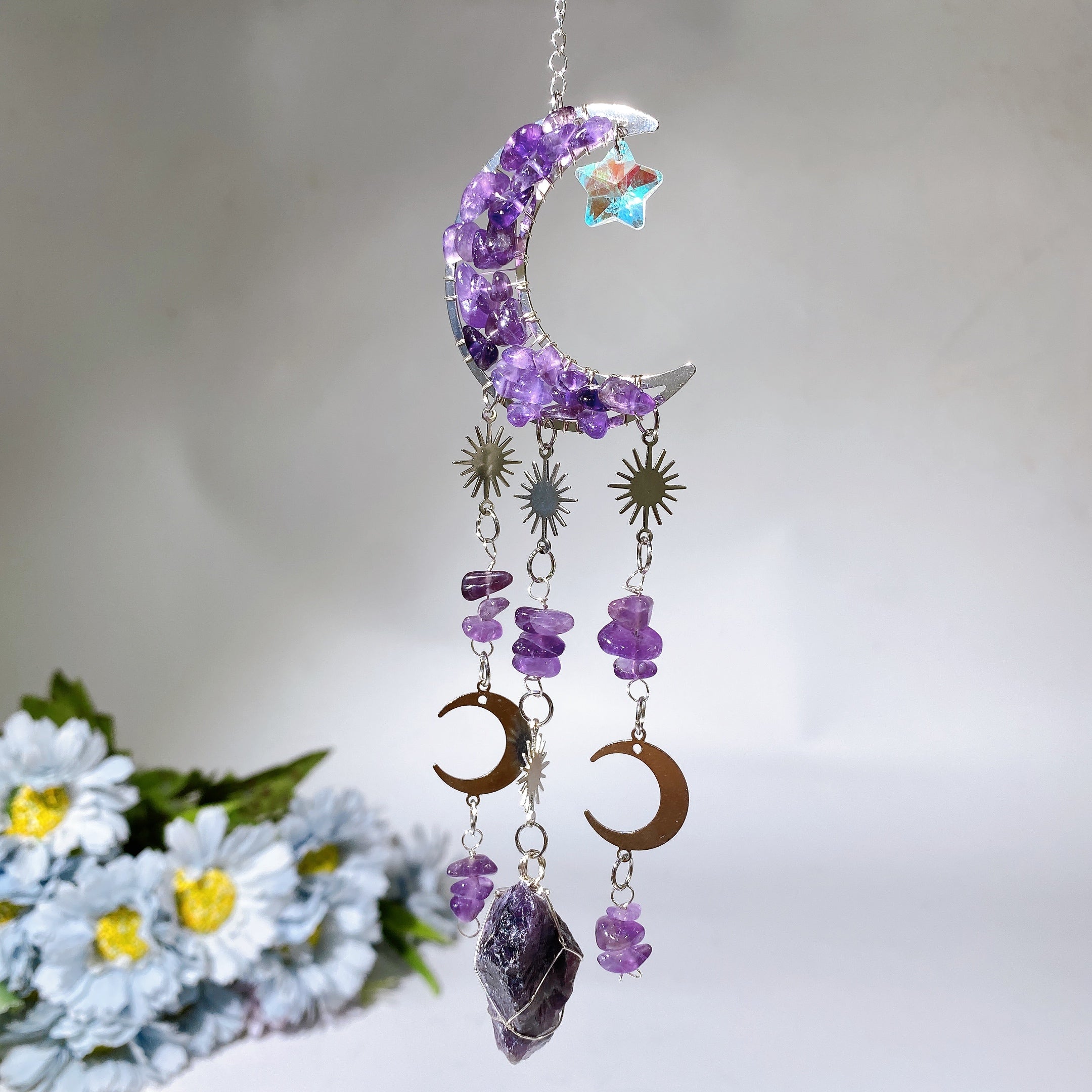
Highlight the energetic and visual differences of opalite and moonstone with this moon-themed suncatcher, available in both stones. Learn more ➔

Mondstein-Kristallturm für Gleichgewicht und Liebe
$49.99
$59.99
Experience authentic moonstone energy and see how it compares to opalite with this handcrafted moonstone crystal tower. Learn more ➔
Conclusion
Whether you are drawn to the natural, mysterious allure of moonstone or the bright, cheerful consistency of opalite, both materials offer unique beauty and benefits. Understanding the difference between opalite and moonstone empowers you to make purchases that align with your spiritual values and aesthetic preferences. Remember, the "right" stone is always the one that resonates most deeply with you. Explore our collection to find the perfect piece that speaks to your soul.
Frequently Asked Questions about Opalite and Moonstone
The main difference is origin: Moonstone is a natural mineral (feldspar) mined from the earth, while opalite is a man-made opalescent glass. Visually, moonstone has natural inclusions and layers, whereas opalite is generally flawless and milky.
Neither is strictly "better," as they serve different purposes. Moonstone is preferred for deep emotional healing, intuition, and feminine energy. Opalite is excellent for quick energy boosts, improving mood, and removing energetic blockages.
Look for air bubbles; if you see them, it is opalite (glass). Check the background color: opalite often turns amber against a light background and blue against dark. Real moonstone shows a blue sheen (adularescence) that moves across the stone and often contains internal cracks or inclusions.
Moonstone meaning revolves around intuition, new beginnings, and goddess energy. It is calming and reflective. Opalite meaning focuses on joy, youthfulness, and spiritual communication, helping to lift heavy emotions.
Opalite is a man-made stone. It is a type of synthetic glass designed to mimic the appearance of opal and moonstone. Despite being synthetic, it is widely used in jewelry and crystal healing for its aesthetic and color therapy properties.