The world of gemstones is filled with shimmering, iridescent beauties that capture the imagination, but few cause as much intrigue—and confusion—as the terms surrounding opal moonstone. Are they the same stone? Is it a hybrid? For spiritually-minded individuals and jewelry enthusiasts alike, understanding the distinction between these two mystical gems is essential for both identification and energetic work.
Whether you are seeking the emotional amplification of an opal or the soothing intuition of a moonstone, knowing what you are looking at is the first step. In this guide, we will explore the opal moonstone meaning, break down the physical and metaphysical differences, and provide you with a clear guide to identify opal moonstone jewelry with confidence.
Is "Opal Moonstone" a Real Gemstone?
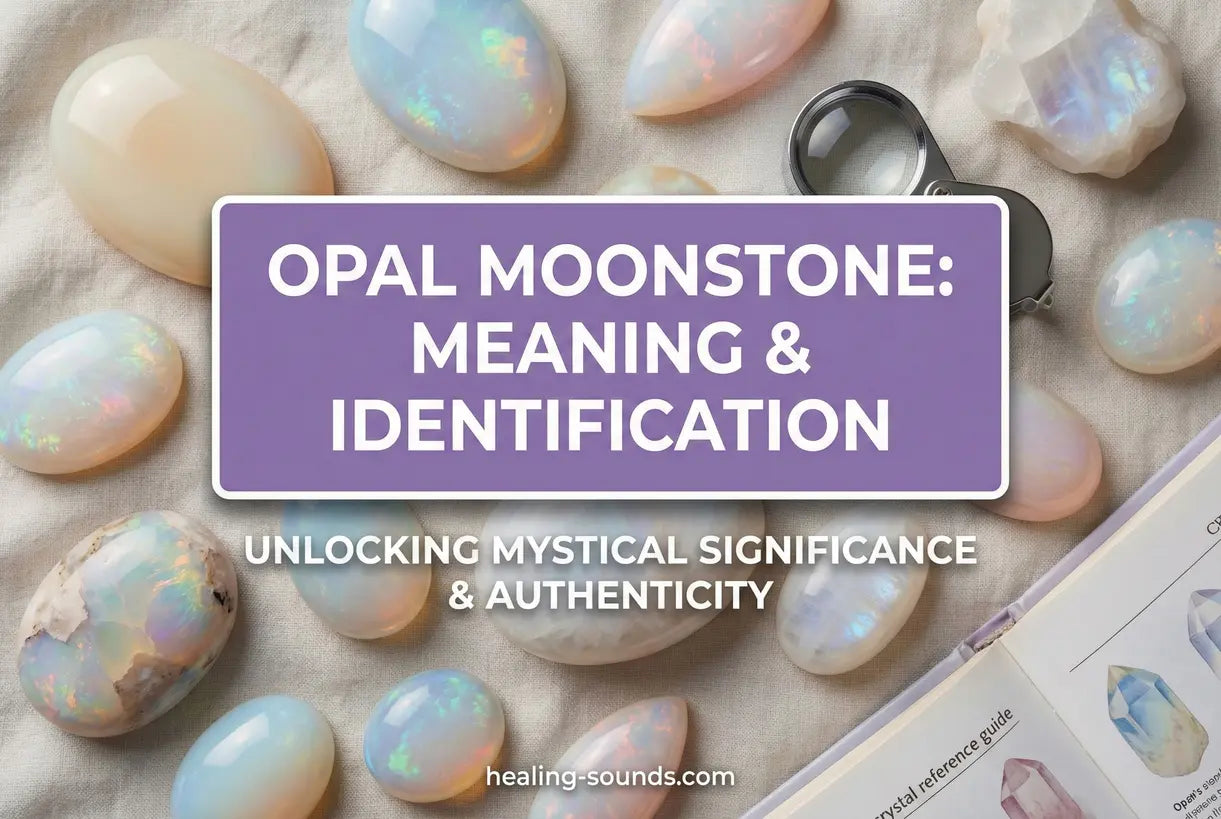
One of the most common questions we encounter is about the specific term "opal moonstone." In the gemological world, Opal and Moonstone are two entirely distinct minerals with different chemical compositions and crystal structures. However, the term "Opal Moonstone" is frequently used in the trade, often leading to confusion.
Sometimes, this term is used to describe Opalite, a man-made glass that mimics the sheen of both stones. In other contexts, it is simply a misnomer used by sellers who confuse the adularescence (sheen) of moonstone with the opalescence of common opal. To truly appreciate these gems, one must first recognize that they are separate entities, each with its own unique vibration and physical properties.

Opal vs. Moonstone: The Scientific Differences
To identify opal moonstone accurately, you need to look at the science behind the shimmer. While both stones are loved for their play of light, the mechanism creating that light is different.
Chemical Composition and Hardness
Moonstone is a variety of the feldspar group mineral orthoclase. It is a potassium aluminum silicate that ranks between 6.0 and 6.5 on the Mohs scale of hardness. Its structure is composed of alternating layers of orthoclase and albite, which scatter light.
Opal, on the other hand, is a hydrated silica (SiO₂·nH₂O). It is amorphous, meaning it lacks a crystalline structure, and is generally softer, ranking between 5.5 and 6.5 on the Mohs scale. Because opals contain water, they can be more fragile and sensitive to environmental changes compared to moonstone. For more technical details on mineral structures, resources like GIA (Gemological Institute of America) offer extensive databases.
Optical Phenomena: Adularescence vs. Play-of-Color
The most telling visual difference lies in how light behaves within the stone:
- Adularescence: This is the signature effect of moonstone. It appears as a soft, billowing light that seems to float just below the surface of the stone, often in blue or white hues. It moves across the gem as you turn it.
- Play-of-Color: Precious opal displays flashes of spectral colors (red, green, blue, orange) that change with the angle of observation. Common opal (potch) may lack this fire but often has a milky, opalescent sheen that differs from the ghostly glow of moonstone.

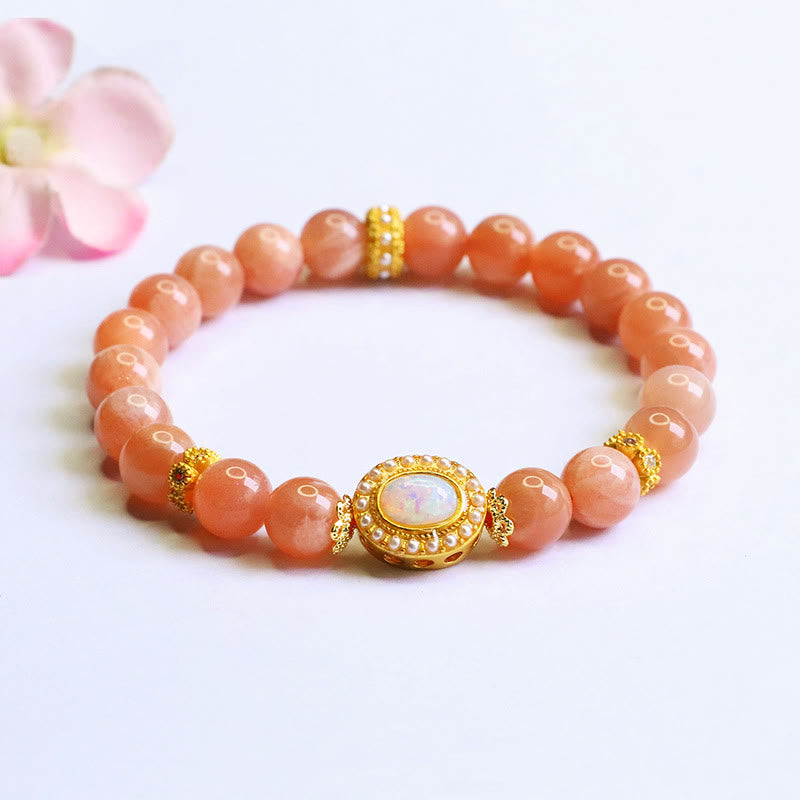
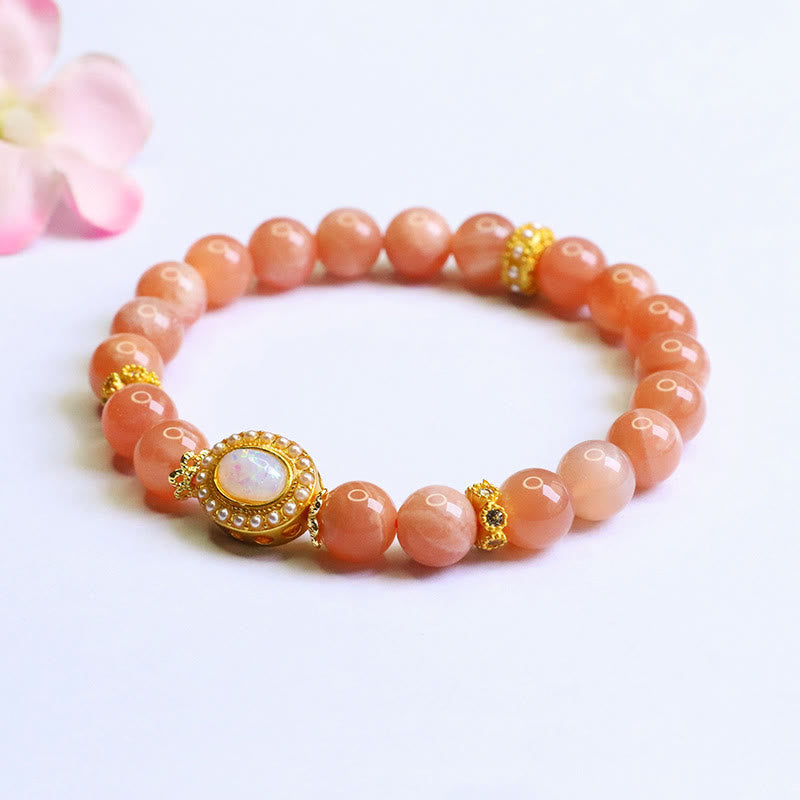
Verstellbares Pfirsich-Mondstein-Armband für Frauen, wohltuende Balance
$24.90 $35.90
Experience emotional harmony and gentle intuition with this elegant peach moonstone bracelet, perfect for daily or meditation wear.
Explore ProductMetaphysical Meaning: Opal Moonstone Energies
When exploring opal moonstone meaning, we are looking at two potent sources of spiritual energy. While they are physically different, their metaphysical properties can complement each other beautifully in a crystal grid or jewelry piece.
The Energy of Opal
Opal is known as a stone of amplification and transformation. It absorbs thoughts and feelings, amplifies them, and returns them to the source. It is often associated with love, passion, and spontaneity. In the realm of opal stone meaning, it is viewed as a karmic stone that encourages the release of inhibitions and fosters creativity.
The Energy of Moonstone
Moonstone is deeply connected to the moon and intuition. It is the stone of "new beginnings," known for balancing emotional instability and stress. Its energy is soothing, feminine, and reflective, helping to calm overreactions to situations. It is widely used to enhance psychic abilities and develop clairvoyance.
How to Identify Real Opal Moonstone Jewelry
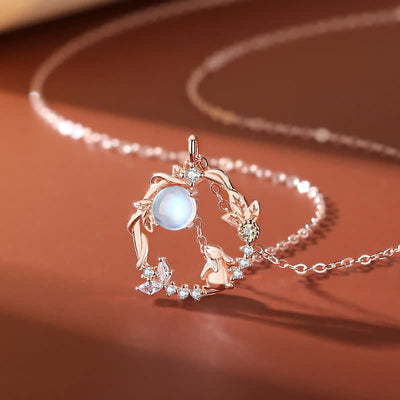
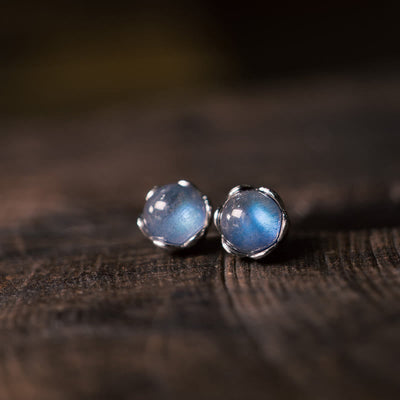
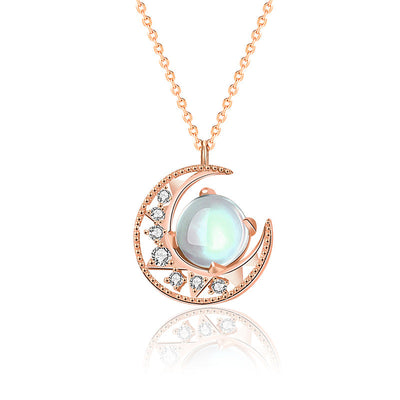
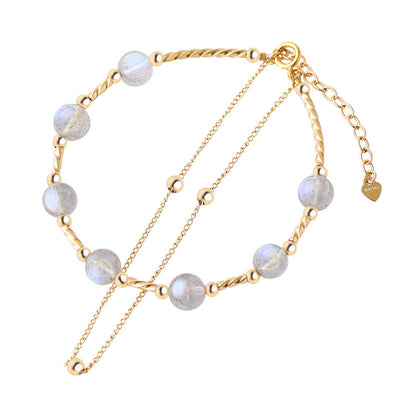
If you are shopping for opal moonstone jewelry, knowing how to recognize opal moonstone (or distinguish between the two) is vital to ensure you are getting an authentic stone.
Moonstone Identification: Look for the "centipede" inclusions—tiny tension cracks that look like insects—which are diagnostic for moonstone. Authentic moonstone will have a mobile, floating light effect. If the stone is perfectly clear with no inclusions and a uniform blue sheen that doesn't move naturally, it might be synthetic.
Opal Identification: Real precious opal will show irregular patches of color that change. Common opal may look like colored wax or porcelain. Beware of "Opalite" (often sold as opal moonstone), which is a man-made glass. Opalite is usually milky with a blue glow against a dark background and an orange glow against a light background, but it often contains spherical air bubbles, a clear sign of glass manufacturing.
Quick Identification Tip
Check the temperature. Natural crystals like opal and moonstone will feel cool to the touch initially and warm up slowly. Plastic or resin imitations will feel warm instantly. Glass "Opalite" may feel cool but look for bubbles to confirm it is not a natural stone.

Choosing the Right Stone for You
Deciding between opal and moonstone often comes down to personal intent. If you need emotional soothing and balance, moonstone is your ally. If you are seeking to spark creativity and intense emotional release, opal is the choice. Many collectors enjoy wearing both to balance the fiery projection of opal with the watery reception of moonstone.
When selecting opal moonstone jewelry, ensure you check the descriptions carefully. Authentic dealers will specify if the stone is "Rainbow Moonstone" (which is technically a variety of Labradorite) or true Orthoclase Moonstone. Understanding these nuances helps you connect deeper with your gemstone's energy.
Balance and Protection Collection

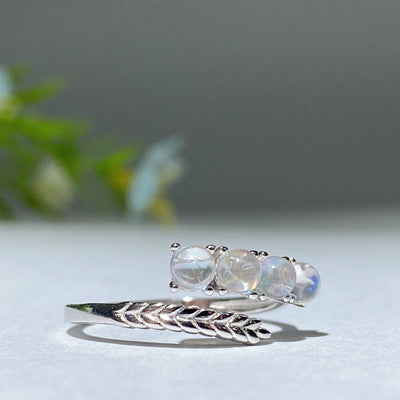
Infuse your day with optimism and balance—this bracelet combines moonstone, pearl, and quartz for emotional clarity and light. Learn more ➔

Türkisfarbenes Opal-Schlangenschutzarmband 2025
$33.90
$48.90
Wear this turquoise and opal bracelet to evoke protection and transformation while celebrating the mystical essence of opal. Learn more ➔

Conclusion
Navigating the nuances of opal moonstone identification allows you to appreciate the unique beauty of both minerals. While the term can be confusing, understanding the difference between the fiery play-of-color in opals and the ghostly adularescence of moonstone empowers you to make informed choices. Whether you are drawn to the transformative power of opal or the serene guidance of moonstone, both stones offer profound benefits for your spiritual journey. Always verify the authenticity of your gems to ensure you receive the full vibrational support they have to offer.
Frequently Asked Questions about Opal Moonstone
No, opal and moonstone are distinct minerals. Moonstone is a variety of feldspar known for its adularescence (a floating blue or white light), while opal is a hydrated silica known for its play-of-color (flashes of rainbow colors) or opalescence.
You can tell them apart by their optical effects. Moonstone displays a billowy, floating light effect called adularescence, usually in blue or white. Precious Opal displays intense flashes of multi-colored light called play-of-color. Additionally, opal is generally softer than moonstone on the Mohs scale.
While "opal moonstone" isn't a single traditional stone, the combination implies a blend of energies. Opal represents amplification, passion, and creativity, while Moonstone represents intuition, emotional balance, and new beginnings. Together, they suggest a powerful synergy of emotional clarity and creative expression.
Moonstone typically has a translucent to opaque body with a pearly or blue sheen that glides across the surface. Opal varies widely but often has a more glass-like or waxy luster; precious opals show distinct sparks of color, while common opals are often milky and opaque without the floating light effect of moonstone.
To identify real jewelry, look for natural inclusions. Moonstones often have "centipede" inclusions. Natural opals may have irregularities or bits of host rock. Be wary of stones that look too perfect, have air bubbles (indicating glass), or feel warm to the touch immediately, which suggests plastic.