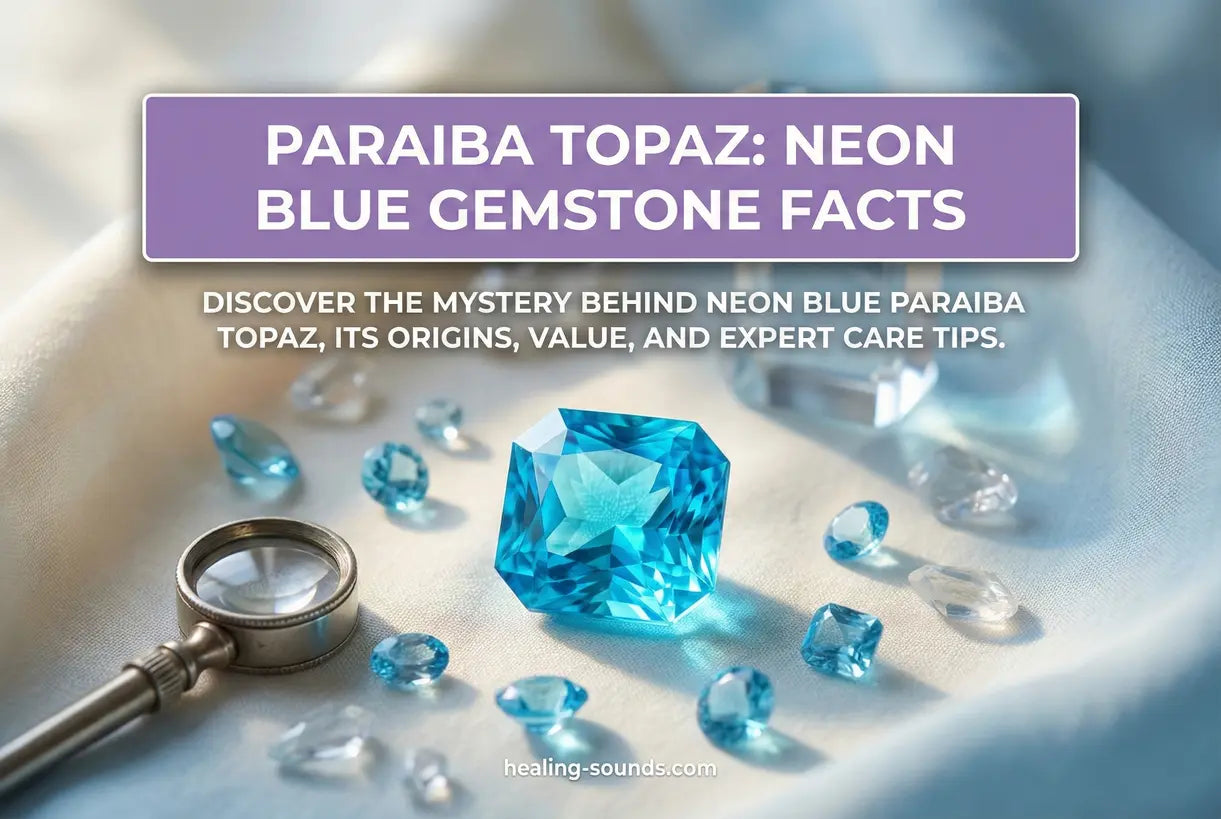
For gemstone enthusiasts and collectors, few colors captivate the eye quite like the electric, neon blue gemstone hue known as "Paraiba." While the legendary Paraiba Tourmaline often steals the spotlight with its astronomical price tag, a beautiful and more accessible alternative has emerged: Paraiba Topaz. This gemstone offers the same striking oceanic vividness that jewelry aficionados crave, but often comes with a different story regarding its origin and formation.
Whether you are a holistic healer seeking to harness the energy of blue stones or a jewelry lover drawn to the vibrant aesthetics of Paraiba Topaz, understanding the facts is essential. In this guide, we will uncover the truth behind the name, explore the differences between this gem and its tourmaline counterpart, and discuss the Paraiba Topaz value and care requirements.
Unveiling the Mystery: What is Paraiba Topaz?
The term "Paraiba" in the gemological world typically refers to a specific copper-bearing tourmaline discovered in the Paraiba state of Brazil. However, Paraiba Topaz is a separate entity. It is essentially a trade name used to describe Topaz that exhibits a bright, neon blue gemstone color similar to the famous tourmaline.
It is important for buyers to understand that while Topaz is a natural mineral, the specific neon "Paraiba" color in Topaz is usually the result of modern enhancement techniques. Natural Blue Topaz exists, but it rarely achieves the intense, electric saturation associated with the Paraiba name without human intervention. This stone allows collectors to enjoy the stunning visual impact of neon blue at a fraction of the cost of rare tourmalines.
When observing a high-quality Paraiba Topaz, you will notice exceptional clarity and a luster that rivals more expensive gems. Its vitreous shine makes it a perfect candidate for statement jewelry pieces.

Paraiba Topaz vs. Paraiba Tourmaline: The Critical Differences
The most common question regarding these gems is how to distinguish between Paraiba Topaz vs Paraiba Tourmaline. While they may share a similar electric blue shade, their chemical compositions, rarity, and price points are vastly different.
- Composition: Paraiba Tourmaline is a complex borosilicate rich in copper and manganese, which causes its color. Topaz is a silicate mineral of aluminium and fluorine.
- Rarity: Copper-bearing Paraiba Tourmaline is one of the rarest gems on Earth. Topaz is relatively abundant, making Paraiba Topaz much more accessible to the average consumer.
- Price: A high-quality Paraiba Tourmaline can cost tens of thousands of dollars per carat. In contrast, Paraiba Topaz value is generally affordable, making it an excellent choice for fashion jewelry and holistic collections.
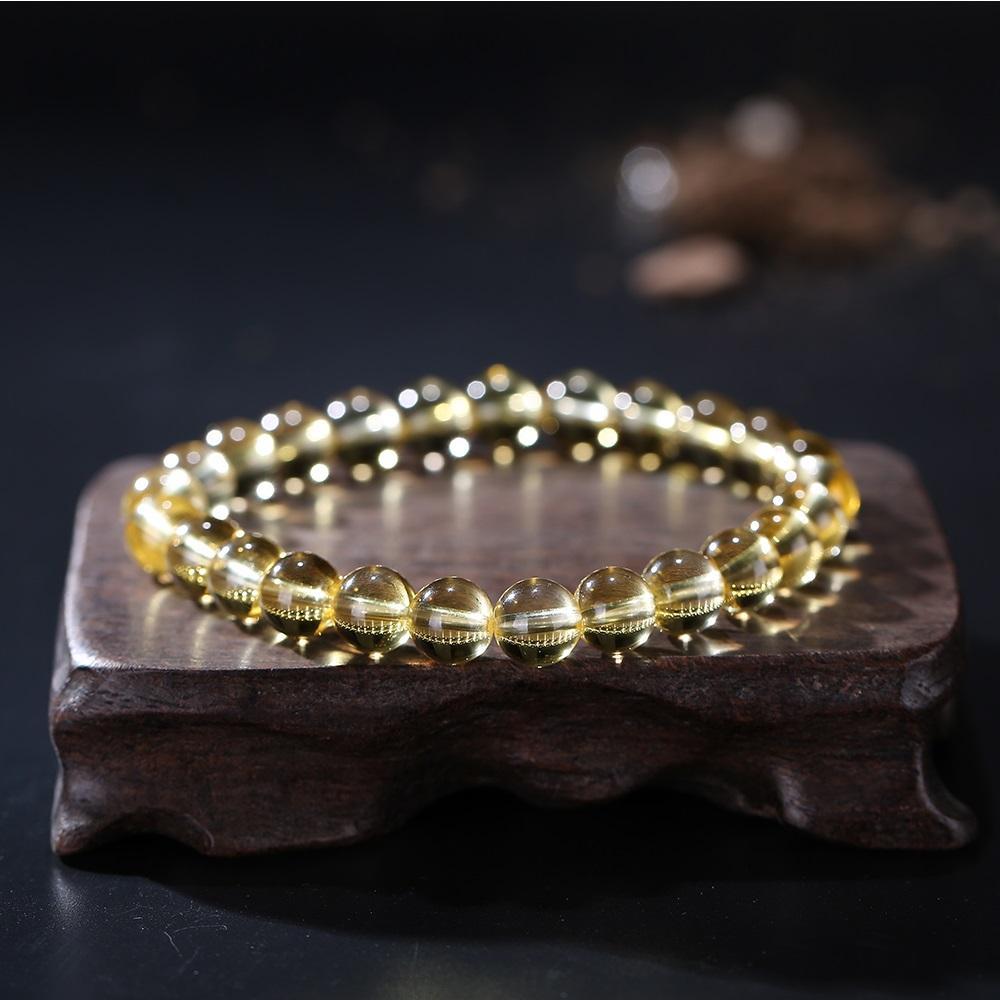
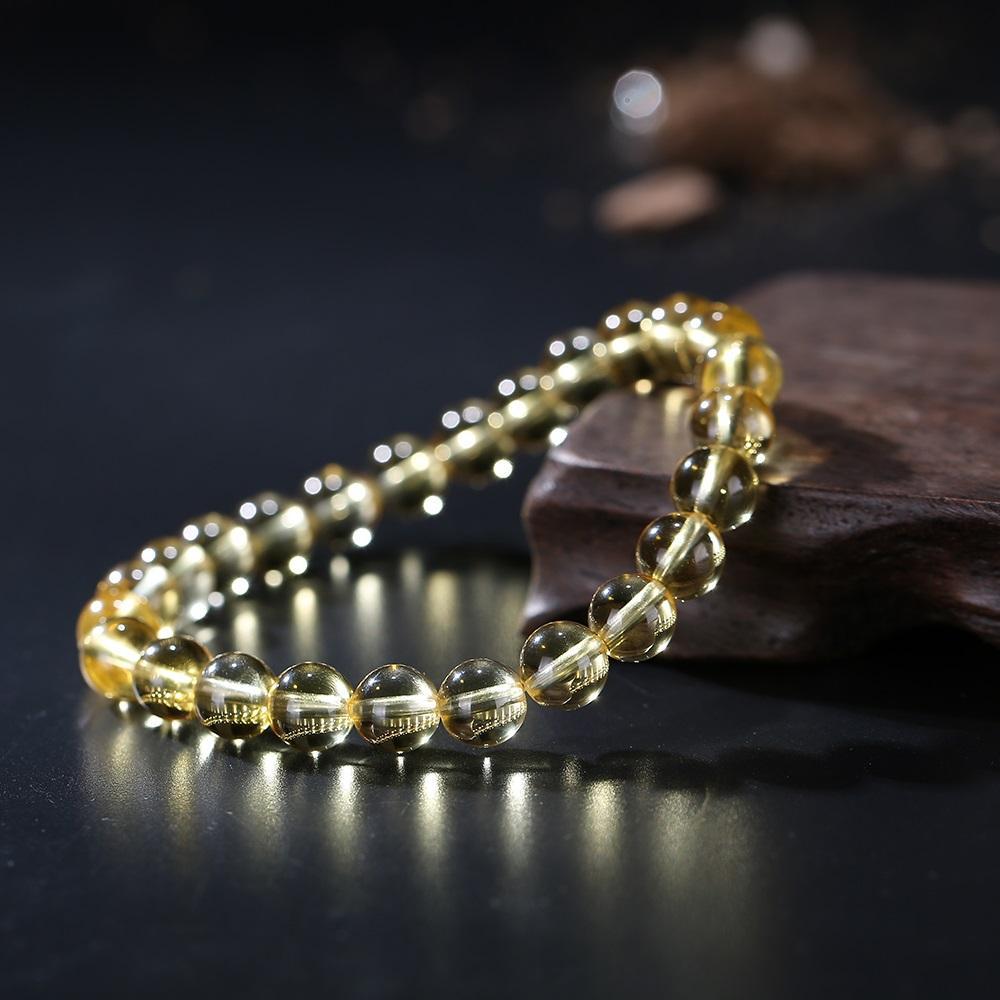
For those who love the energy of Topaz but want to start with a natural, untreated base, clear topaz is a wonderful stone for clarity and intention setting.

Topas-Armband – Verbessert Intuition und Ruhe
$79.99 $99.99
Showcase the luminous clarity and spiritual energy of natural topaz with this striking bracelet—ideal for gemstone lovers.
Explore ProductOrigins and the Science of Color
The origins of Paraiba Topaz color are fascinating. Unlike the copper traces that naturally color the tourmaline, the neon hue in Topaz is typically achieved through a coating or diffusion process applied to White (Colorless) Topaz. This surface treatment creates the vibrant, Caribbean-blue distinctive of neon blue topaz.
Because the color is often a surface enhancement, it is vital to know that the "heart" of the stone remains natural Topaz. This means it retains the metaphysical properties of Topaz—known for soothing, healing, and recharging—while wearing the color of communication and truth.

Metaphysical Properties and Symbolism
In the realm of crystal healing, blue topaz and its neon variations are deeply connected to the Throat Chakra. This connection facilitates clear communication, self-expression, and the verbalization of one's truth. The bright, uplifting color of Paraiba Topaz is believed to dispel sadness and bring a sense of joy and relaxation to the wearer.
For holistic healers, incorporating blue stones into daily practice can aid in meditation, promoting a calmness that washes over the spirit like water. Whether you choose Topaz or other blue stones like Chalcedony or Blue Tiger Eye, the energy is centered on tranquility and emotional balance.
Discover Blue Healing Gemstones

Wear the serene energy of blue crystals with this beautiful bracelet, perfect for those drawn to unique neon blue gemstones. Learn more ➔

8 mm blaues Tigerauge-Armband für Ruhe und Gelassenheit
$24.90
$35.90
Experience the calming allure of blue gemstones with this bracelet—a must-have for neon blue crystal enthusiasts. Learn more ➔
Care and Maintenance for Neon Blue Gemstones
Because the vibrant hue of Paraiba Topaz jewelry is often achieved through surface treatments, special care is required to maintain its beauty. Unlike standard untreated stones, coated topaz can be susceptible to abrasion. If the coating is scratched, the color may appear uneven.
To clean your gemstone, simply use warm, soapy water and a soft cloth. Avoid harsh chemicals or abrasive brushes. Store your neon blue gemstone pieces separately from harder stones like diamonds or sapphires to prevent scratches. With proper care, the electric glow of your topaz will remain a stunning centerpiece in your collection.

Conclusion
Paraiba Topaz offers a dazzling and affordable entry point into the world of neon blue gemstones. While it differs significantly in origin and value from the rare Paraiba Tourmaline, it stands on its own as a beautiful, vibrant gem perfect for modern jewelry and holistic practices. By understanding these paraiba gemstone facts, you can appreciate the unique beauty and energy this stone brings to your life.
Frequently Asked Questions about Paraiba Topaz
Paraiba Topaz is typically a trade name for White Topaz that has been enhanced to exhibit a neon blue color. Paraiba Tourmaline, however, is a rare, naturally copper-bearing gemstone found originally in Brazil. They are chemically distinct minerals with vastly different price points.
The base material of Paraiba Topaz is natural Topaz mined from the earth. However, the vivid neon blue color is almost always the result of laboratory treatments, such as surface coating or diffusion, applied to the natural stone.
Unlike Paraiba Tourmaline, which gets its color from copper traces, the neon blue color of Paraiba Topaz is achieved through specialized enhancements and coatings designed to mimic that specific electric hue.
Paraiba Topaz is considered affordable and accessible, especially when compared to rare blue gemstones like Paraiba Tourmaline or Blue Sapphire. Its value comes from its beauty and durability rather than extreme rarity.
To maintain its color, clean Paraiba Topaz gently with warm, soapy water and a soft cloth. Avoid abrasive cleaners, ultrasonic machines, and steam cleaners, as these can damage the surface coating that provides the neon color.