In our fast-paced world, carrying the weight of stress, past trauma, or unresolved feelings is common, but it doesn't have to be permanent. Emotional healing therapy offers a pathway to acknowledge, process, and release these burdens, allowing you to reclaim your peace and vitality. Whether you are navigating a difficult life transition or seeking to resolve deep-seated patterns, understanding the various therapeutic approaches available is the first step toward recovery.
From the structured guidance of clinical psychology to the vibrational restorative power of sound baths, the options are diverse. This guide explores the most effective types of emotional healing therapy, including Cognitive Behavioral Therapy (CBT), EMDR, and holistic sound healing, helping you discover the right blend of methods to support your unique journey.
Understanding Emotional Healing Therapy
Emotional healing therapy is a broad term encompassing various psychological and holistic practices designed to help individuals process distressing emotions and memories. Unlike simple stress relief, true emotional healing involves digging deeper to address the root causes of pain, such as childhood trauma, grief, or chronic anxiety. The goal is not just to manage symptoms, but to achieve a state of inner balance and resilience.
While traditional talk therapies have long been the gold standard, many people are now turning to integrative approaches. By combining mental strategies with somatic (body-based) and energetic practices, you can address the emotional healing process on multiple levels—mind, body, and spirit.

The Emotional Healing Process: A Non-Linear Journey
It is important to recognize that healing is rarely a straight line. The emotional healing process often moves in cycles. You might feel a breakthrough one day, only to revisit old feelings the next. This is natural. Psychologists and healers often refer to stages of healing—acknowledgment, expression, release, and integration—though these do not always happen in a strict order.
Understanding that this ebb and flow is part of the journey helps reduce self-judgment. Whether you are dealing with recent stress or learning how to heal deep emotional wounds from the past, patience and consistency are your most valuable tools.




Top Types of Emotional Healing Therapies
There is no "one size fits all" solution for mental and emotional well-being. Different therapies resonate with different people depending on their personality, history, and current needs. Here is a breakdown of some of the most effective modalities available today.
Cognitive Behavioral Therapy (CBT)
CBT emotional healing focuses on identifying and changing negative thought patterns that influence behavior and emotions. It is highly effective for anxiety and depression because it provides practical tools to challenge the "inner critic." By reframing how you perceive events, you can alter your emotional response to them. According to the American Psychological Association, CBT is one of the most evidence-based treatments for a wide range of emotional issues.
Sound Healing Therapy
For those who find it difficult to articulate their feelings in words, sound healing therapy offers a powerful alternative. This holistic practice uses vibrations from instruments like crystal singing bowls, gongs, and tuning forks to shift the body's frequency. The resonance helps to unblock stagnant energy, calm the nervous system, and facilitate a meditative state where deep emotional release can occur without the need for intellectual analysis.

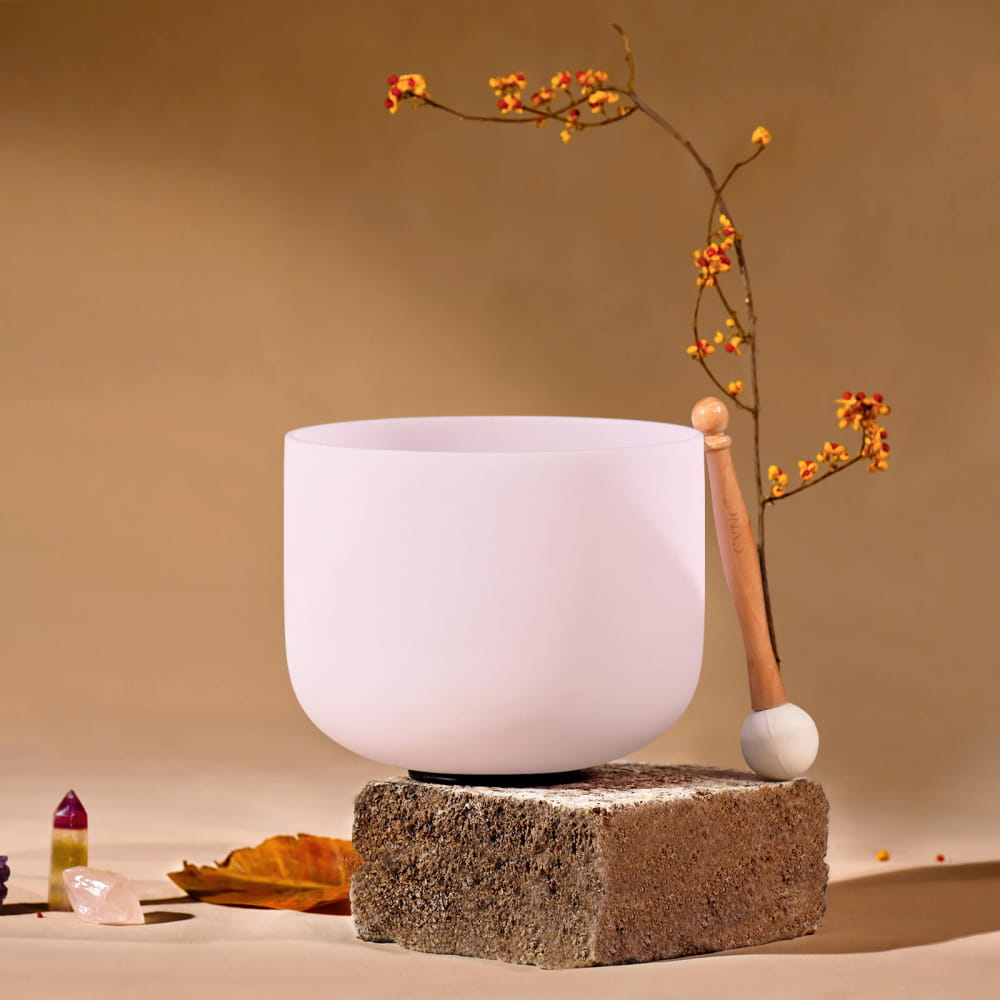
Earth Star und Soul Star Perfect Pitch Kristallklangschalen 10 B3 und 8 C5 mit Tragetasche
$379.99 $579.99
Create a calming meditation space and support emotional healing with perfectly tuned crystal singing bowls for mindfulness.
Explore ProductEMDR (Eye Movement Desensitization and Reprocessing)
EMDR is a specialized therapy designed to alleviate the distress associated with traumatic memories. It involves recalling a distressing event while receiving bilateral sensory input, such as side-to-side eye movements or hand tapping. This process helps the brain reprocess the memory, stripping away the intense emotional charge. It is often cited as a top method for trauma recovery.
Somatic and Body-Based Approaches
Emotions are not just mental; they are physical. You might notice physical signs of emotional healing such as changes in sleep patterns, a release of tension in the shoulders, or even temporary fatigue as the body lets go of stress. Somatic therapies, yoga, and breathwork focus on releasing this stored tension from the body's tissues.

How to Start Your Healing Journey
If you are wondering, "How do I start?" you are not alone. Beginning can be as simple as setting an intention to prioritize your well-being. You do not always need a therapist immediately; self-care practices play a huge role. Journaling, mindfulness meditation, and creating a safe space at home are excellent starting points.
Creating a daily ritual where you disconnect from technology and connect with yourself is vital. Using tools like singing bowls or soothing instruments can anchor your practice, making it easier to drop into a state of relaxation where emotional healing can take place.
Incorporating specific tools into your routine can deepen your experience. For example, the gentle frequency of a Rose Quartz bowl is specifically associated with the heart chakra, supporting themes of self-love and compassion.
Enhance Your Practice with These Tools

D-Note Rosa Rosenquarz Edelstein Fusion Kristall Klangschale
$379.99
$459.99
Enhance your heart-centered healing journey with this rose quartz crystal singing bowl, ideal for soothing emotions and balance. Learn more ➔

40 Zoll großes Regenstab-Instrument für Meditation und Klangentspannung
$689.90
$1,029.90
Add peaceful natural sound to emotional therapy sessions with this handcrafted rainstick for deep relaxation and grounding. Learn more ➔
Healing Deep Emotional Wounds
For long-standing issues, such as those caused by emotional neglect or deep trauma, superficial fixes often aren't enough. How to heal deep emotional wounds requires a safe environment and often the guidance of a professional. Therapies that focus on attachment and safety, like Somatic Experiencing or Internal Family Systems (IFS), are particularly beneficial here.
Creating a physical environment that reflects the peace you seek internally can also support this deep work. A dedicated meditation corner with calming imagery, soft lighting, and sound instruments can serve as a sanctuary for your process.

Conclusion
Embarking on a journey of emotional healing therapy is a profound act of self-care. Whether you choose the structural support of CBT, the trauma-informed approach of EMDR, or the vibrational soothing of sound healing, the most important step is simply beginning. By integrating these practices into your life and using supportive tools like crystal singing bowls, you empower yourself to process emotions healthily and live a more balanced, vibrant life.
Frequently Asked Questions about Emotional Healing Therapy
Emotional healing therapy refers to a range of therapeutic practices—both clinical and holistic—aimed at helping individuals acknowledge, process, and release painful emotions, trauma, and stress to restore mental balance.
While models vary, the 7 steps often include: Awareness, Acceptance, Grief/Expression, Understanding, Re-patterning/Forgiveness, Integration, and Transformation. The journey is often non-linear.
EMDR (Eye Movement Desensitization and Reprocessing) helps the brain reprocess traumatic memories. By using bilateral stimulation like eye movements, it reduces the vividness and emotional pain associated with traumatic events.
Self-healing begins with self-compassion and awareness. Effective practices include journaling, meditation, somatic exercises like yoga, using sound healing tools, and maintaining a healthy support system.
Therapies that focus on attachment, reparenting, and emotional safety are typically best. These include Internal Family Systems (IFS), Schema Therapy, and Somatic Experiencing.