Have you ever played a 432 hz tongue drum and felt an immediate wave of calm wash over your body? That profound sense of peace isn't just in your imagination—it's the result of a specific vibrational frequency that resonates with patterns found throughout nature. For wellness enthusiasts, meditation practitioners, and sound healers, understanding this frequency difference transforms a simple musical exercise into a powerful therapeutic practice.
In this guide, you'll discover why 432 Hz frequency benefits go beyond ordinary relaxation, how this natural tuning harmonizes with your body's energy systems, and why choosing instruments engineered for this standard creates deeper meditation outcomes. You'll also learn how to identify quality instruments and integrate them into your existing sound healing practice.
What Makes 432 Hz Frequency Special for Healing?
The 432 Hz frequency carries unique mathematical properties that distinguish it from the standard 440 Hz tuning used in modern music. Mathematically, 432 Hz divides evenly into mathematically significant numbers that appear throughout natural phenomena—from the Schumann resonance of Earth's electromagnetic field to the geometry of ancient sacred sites.
Sound healers refer to 432 Hz as "Verdi's A" or the "natural standard" because it corresponds to frequencies found in nature. Research suggests that this tuning creates standing wave patterns that align with the golden ratio (Phi), potentially explaining why many listeners describe the experience as "warmer" or "more grounding" compared to contemporary tuning.
Frequency Fact: When calculated, 432 Hz creates waves whose intervals align with 8 Hz—the fundamental frequency of Earth's electromagnetic field, often called the "heartbeat of the planet."
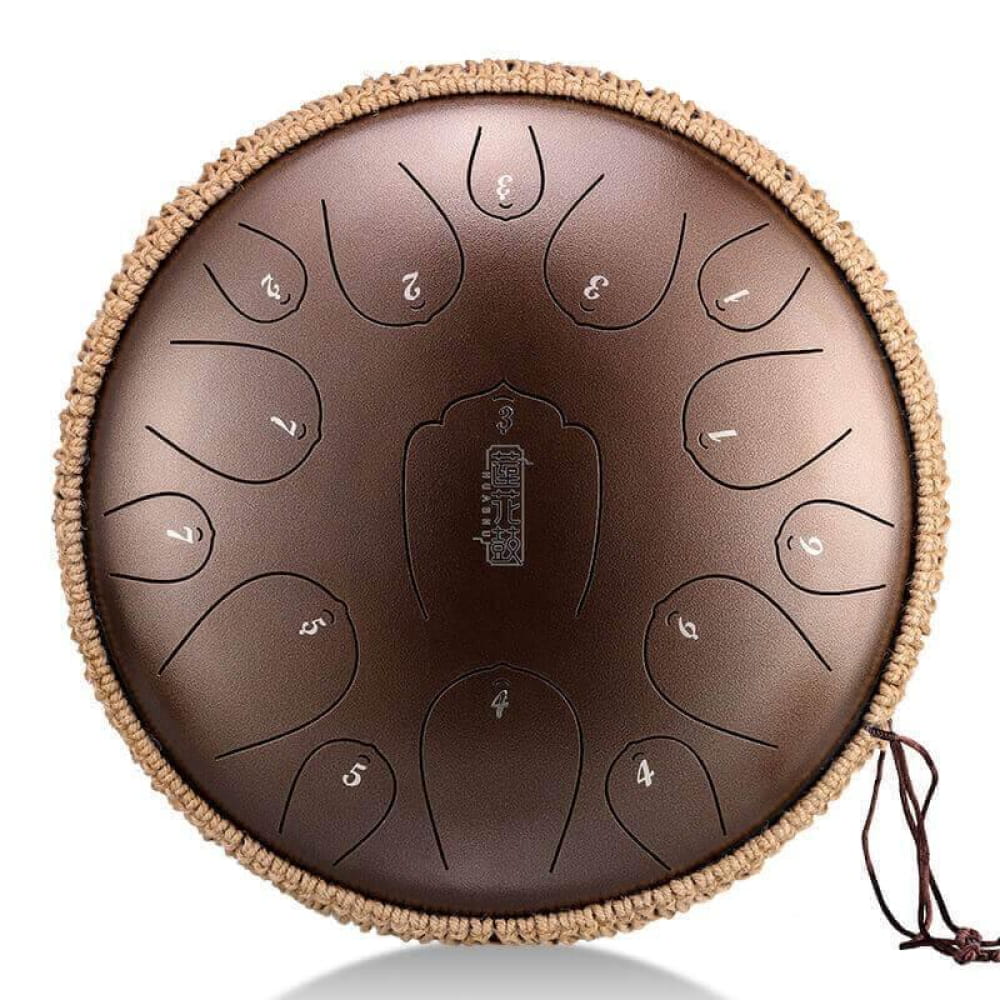
The 432 hz steel tongue drum produces these specific vibrations through its precise construction. Each note resonates at frequencies that mathematically reduce down to whole numbers, creating interference patterns that feel more harmonious to the human ear and nervous system.
432 Hz vs 440 Hz: Understanding the Difference
Modern Western music standardized at 440 Hz in the mid-20th century, but this wasn't always the case. Before standardization, orchestras and instrument makers tuned to various references, with 432 Hz being common among classical composers including Mozart and Verdi who reportedly preferred this natural tuning.
When comparing healing frequency music in 432 Hz versus 440 Hz, sound therapy practitioners notice distinct differences:
- Vibrational feeling: 432 Hz creates sensations described as "softer" and "more expansive" in the chest area
- Neurological response: Brainwave entrainment occurs more readily with 432 Hz, supporting alpha and theta brain states
- Physical tension: Listeners frequently report less jaw and shoulder tension when exposed to 432 Hz sound sessions
For meditation sound healing purposes, this distinction matters significantly. When your goal is deep relaxation and parasympathetic nervous system activation, the natural frequency instruments tuned to 432 Hz require less cognitive processing, allowing the mind to settle more quickly into meditative states.
The Transformative Benefits of 432 Hz Tongue Drum Meditation
Regular practice with 432 hz tuning instruments offers measurable benefits for both novice meditators and experienced sound therapists. The sustained resonance of a tongue drum creates binaural patterns that entrain brainwaves effectively.
Deep Relaxation: The fundamental frequencies produced by a 432 hz tongue drum travel through bone conduction, creating micro-vibrations in the skull that stimulate the vagus nerve. This activation triggers the body's relaxation response, lowering cortisol levels and reducing heart rate variability.
Enhanced Meditation: Unlike standard percussion instruments, tongue drums require minimal technical skill to produce pleasing sounds. This accessibility removes performance anxiety barriers, allowing practitioners to focus entirely on the healing frequency benefits rather than musical complexity.
Sound Therapy Integration: Professional practitioners use these instruments for specific treatments including:
- Chakra balancing, particularly for the heart and throat centers
- Anxiety and PTSD protocols where entrainment to stable frequencies proves beneficial
- Pre-sleep routines particularly effective for the 25-55 demographic managing career stress

Creating Your Ultimate Sound Healing Collection
Building a complete natural frequency instruments collection requires careful selection of complementary tools. While the tongue drum serves as your foundational harmonic instrument, expanding your toolkit creates layered therapeutic experiences.

Find Your Primary 432 Hz Instrument
When selecting a tongue drum for serious sound healing work, construction quality directly impacts frequency accuracy. Instruments must maintain precise tuning across all notes to deliver true 432 hz frequency benefits.
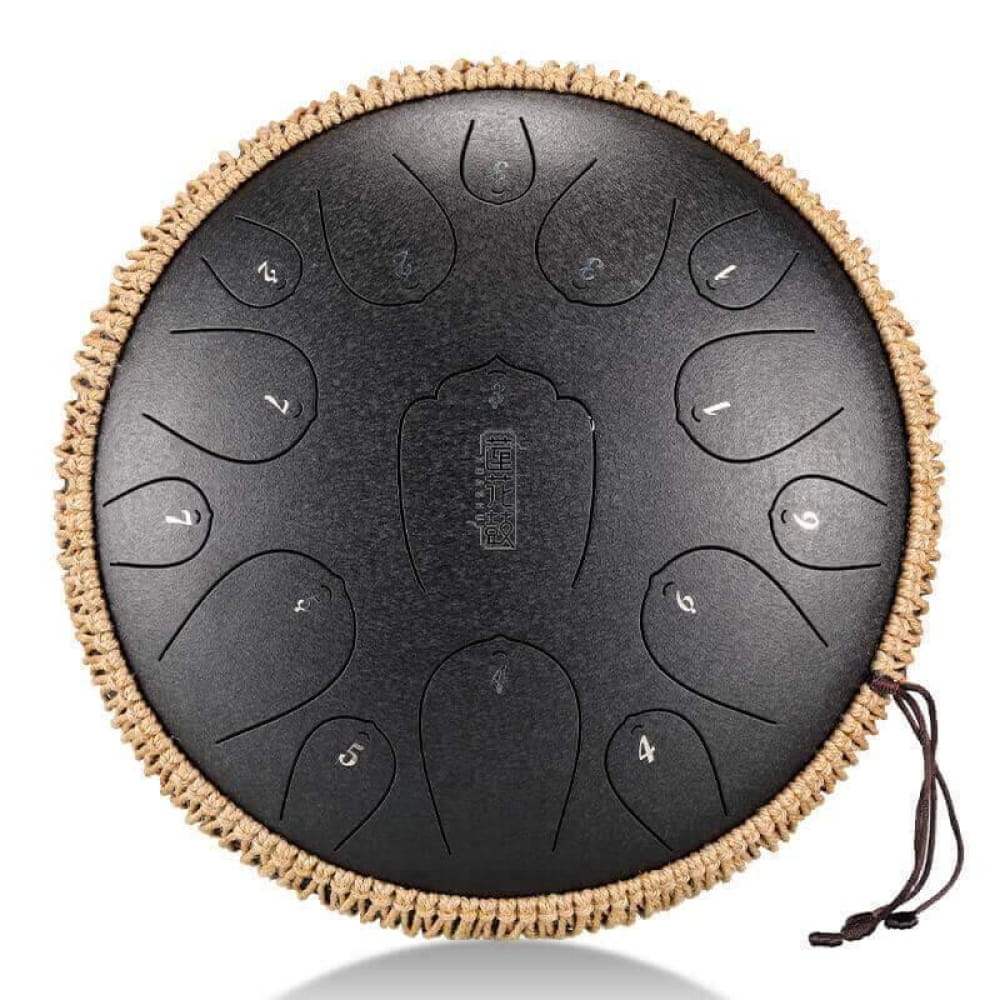
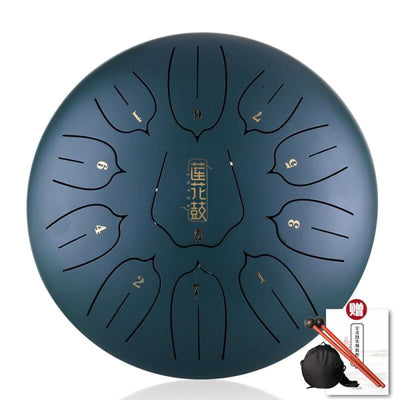
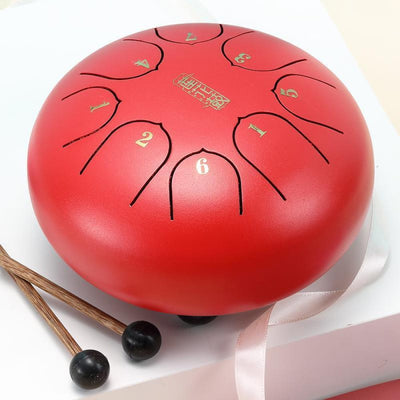
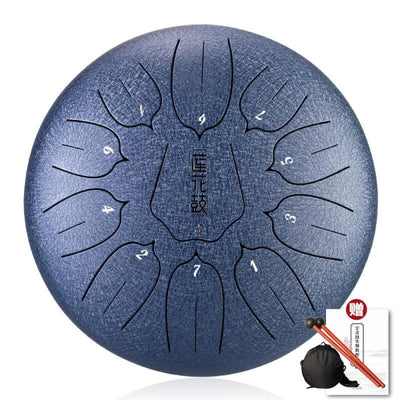
The 13 Inch Carbon Steel Tongue Drum, 15 Notes in C Key represents the professional standard for those seeking authentic 432 hz tongue drum experiences. With its extended 15-note range, this instrument provides the harmonic depth necessary for complex meditation sequences while maintaining the specific frequency alignment essential for healing work.

14 Zoll große Zungentrommel aus Karbonstahl, 15 Töne in der Tonart C
$289.99 $349.99
Experience rich, resonant tones with this 15-note steel tongue drum. Perfect for exploring 432 Hz frequency in your sound healing practice with premium craftsmanship.
Explore ProductUnderstanding Tuning and Technique
For those wondering how to tune your tongue drum to 432 Hz, most quality instruments come factory-tuned. However, environmental factors like temperature and humidity can cause slight drift. Professional-grade drums like those manufactured by Healing Sounds maintain their calibration through heat-treated carbon steel construction that resists deformation.
When playing your 432 hz steel tongue drum, technique significantly impacts sound quality:
- Striking position: Aim for the flat center of each tongue using the included rubber mallets for pure tone production
- Velocity control: Gentle strikes (about 6-8 inches height) produce the sustained frequencies ideal for meditation sound healing
- Finger technique: For subtler sounds, tap gently with fingertips or thumbs to create bell-like harmonics
Avoid striking the edges or sides of tongues, as this produces overtones that may fall outside the healing frequency spectrum.
Expand Your Therapeutic Toolkit
While the tongue drum provides harmonic support, complete sound healing instruments collections incorporate varied timbres for comprehensive energy work. Crystal instruments add piercing clarity that cuts through dense physical tension, while weighted tools provide grounding through tactile vibration.
Complement Your Healing Practice

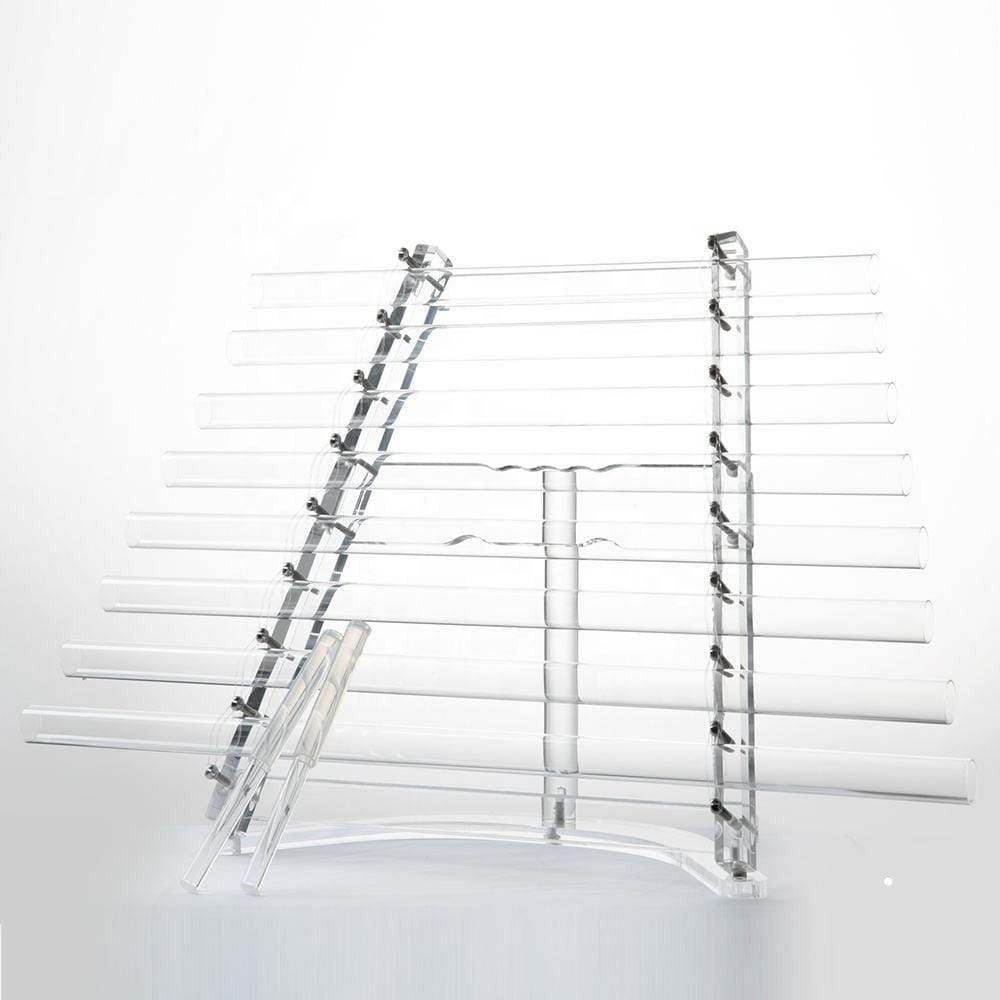
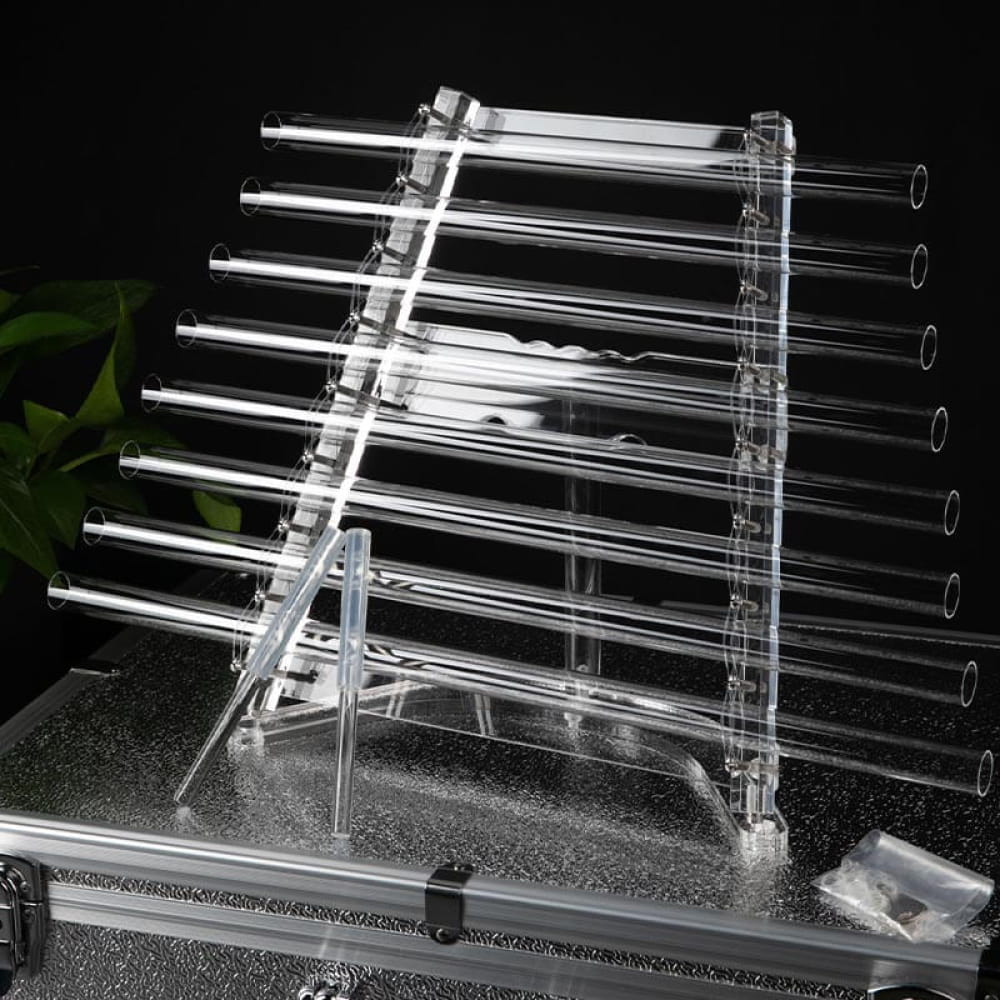
Enhance your sound therapy with this crystal harp featuring 432 Hz tuning option. Eight crystal tubes create pure, harmonic tones for deep meditation sessions. Learn more ➔

432 Hz gewichtete Stimmgabel - Liebesfrequenz
$39.90
$79.90
Add this precise 432 Hz weighted tuning fork to your healing toolkit. Crafted from premium aluminum alloy for sustained vibrations that promote relaxation and balance. Learn more ➔
Integrating Crystal Elements
The Crystal Quartz Singing Harp for Sound Relaxation introduces upper harmonic frequencies that complement the grounding earth tones of steel tongue drums. When used together, these healing frequency instruments create standing wave patterns that practitioners describe as "opening" or "clearing" energy blockages.
Precision Frequency Work
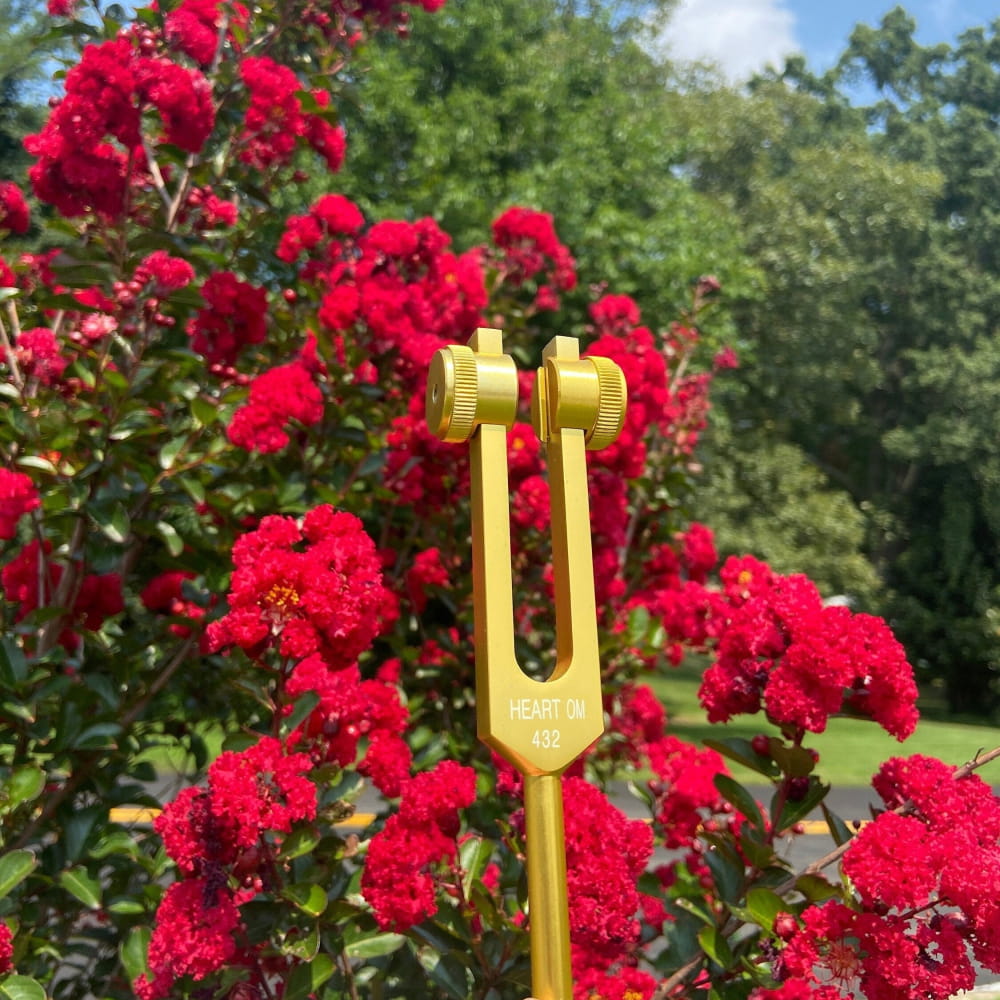
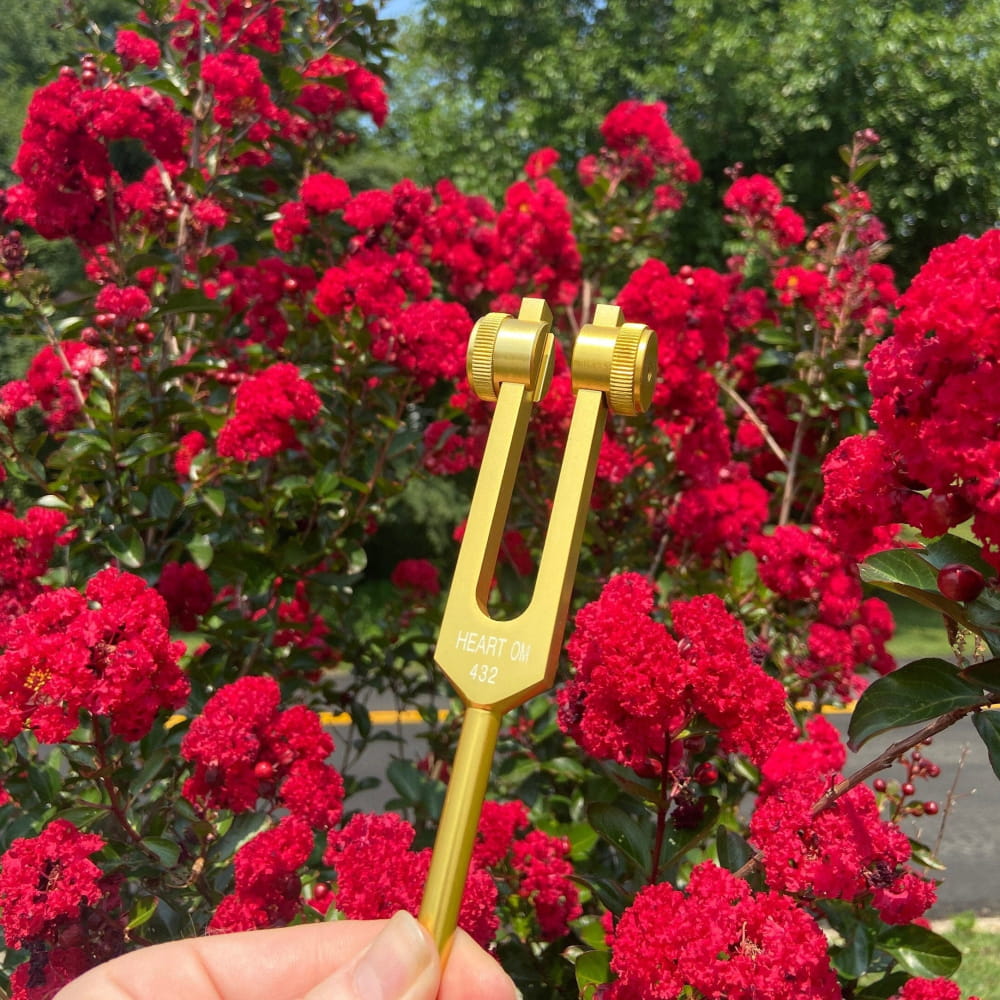
For targeted therapeutic application, the 432 Hz Weighted Tuning Fork - Love Frequency provides concentrated vibration delivery. Applied near acupuncture points or energy centers, this tool penetrates deeply into tissue, carrying the 432 Hz resonance directly into the body's water matrix.

Designing Your Personal 432 Hz Sanctuary
Creating an effective practice space requires attention to acoustics and environmental factors. Hard surfaces reflect sound, amplifying the resonance of your 432 hz tongue drum, while textiles absorb higher frequencies but preserve the low fundamental tones that promote grounding.
Position your 432 hz steel tongue drum at heart level when seated to optimize the vibrational connection between the instrument and your body. Many practitioners find that placing a rubber mat beneath the drum prevents frequency absorption into tables or floors, maintaining the full healing vibration in the surrounding air.

Consider timing as well. Morning sessions with 432hz tongue drum establish frequencies that influence your neurological state throughout the day. Evening sessions facilitate the transition from beta (active thinking) to alpha (relaxed awareness) and theta (deep meditation) brainwave states essential for restorative sleep.
Conclusion: Embracing Natural Frequency Healing
The 432 Hz tongue drum represents more than an alternative tuning—it offers a return to vibrational standards that resonate with the natural world and human physiology. Whether you're a meditation beginner seeking deeper relaxation, a wellness practitioner expanding your toolkit, or a sound healer requiring precise frequency control, understanding why 432 Hz frequency matters transforms your practice from routine to remarkable.
By choosing instruments engineered for 432 hz tuning, you invest in tools that deliver consistent therapeutic results. The Healing Sounds collection of precision-tuned drums, crystal instruments, and frequency-specific accessories provides everything needed to create professional-grade meditation sound healing experiences in your personal or professional space.
Frequently Asked Questions about 432 Hz Tongue Drums
The 432 Hz frequency contains mathematical proportions that appear throughout nature, including the Schumann resonance of Earth's electromagnetic field. This frequency divides into whole number ratios more harmoniously than standard 440 Hz tuning, creating vibrational patterns that align with the golden ratio. Many sound healers report that 432 Hz music induces deeper relaxation because it allegedly reduces cellular stress and promotes parasympathetic nervous system activation compared to other tunings.
Most quality tongue drums come pre-tuned to 432 Hz at the factory. If your instrument has drifted slightly due to temperature changes or physical impact, precise tuning requires specialized equipment and techniques. The process involves adjusting the tongue material density by carefully grinding material away to raise pitch or adding mass to lower it. For best results, contact the manufacturer or use professional tuning services rather than attempting DIY adjustments, as improper modification can damage the instrument's resonance properties.
432 Hz frequency benefits for meditation include enhanced brainwave entrainment to alpha and theta states, reduced bodily tension particularly in the jaw and shoulders, and improved heart rate variability. The frequency travels through bone conduction to stimulate the vagus nerve, triggering natural relaxation responses. Additionally, music at this pitch requires less cognitive processing to perceive as "harmonious," allowing meditators to reach stillness more quickly than with contemporary 440 Hz tuning.
While subjective musical preferences vary, 432 Hz demonstrates objective advantages for relaxation and therapeutic applications. Studies suggest this frequency creates standing waves that feel "warmer" and more expansive physically and mentally. Unlike 440 Hz—which can create dissonant 8-cycle-per-second differences that stress the nervous system—432 hz steel tongue drum sounds align with natural biorhythms. Most sound therapy practitioners report that clients achieve deeper relaxation states faster when exposed to healing frequency music tuned to 432 Hz.
To play a 432 hz steel tongue drum, strike the flat center of each tongue using the included rubber mallets held loosely. Let the mallet rebound naturally rather than pressing into the metal. For meditation purposes, use gentle strikes from 6-8 inches height to produce sustained tones. Experiment with finger pads for softer sounds, or try side-striking the tongues for rhythmic patterns. Create circular playing patterns that move clockwise around the drum to follow natural energy flow. Remember that this instrument requires no musical training—focus on intention and breath rather than technical perfection.